
In the intricate landscape of personal finance, your checking account number stands as a fundamental identifier, a unique sequence of digits that unlocks access to your financial lifeblood. While often overshadowed by the more frequently used debit card numbers or online login credentials, understanding how to locate and securely manage your checking account number is a cornerstone of financial literacy. This guide delves into the various methods for finding this crucial piece of information, illuminates its importance in diverse financial transactions, and, critically, emphasizes the paramount need for its protection against potential misuse. For anyone navigating direct deposits, automatic bill payments, or linking financial accounts, a clear grasp of your checking account number’s location and significance is indispensable.
The Fundamental Importance of Your Checking Account Number
At the heart of virtually every banking operation involving your primary transactional account lies its unique checking account number. Far more than just a random string of digits, this number is a key that identifies your specific account within your financial institution, enabling a multitude of essential financial processes.
What is a Checking Account Number?
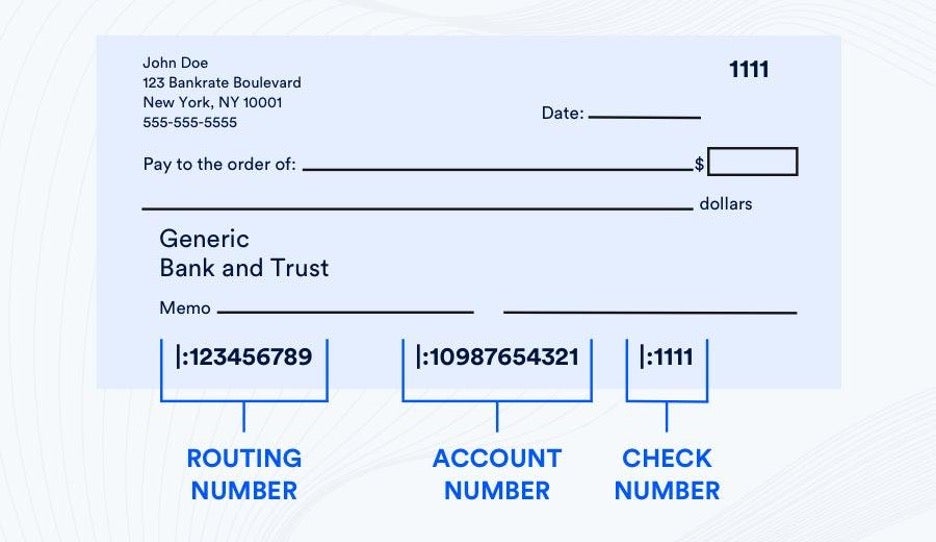
A checking account number is a unique sequence of digits, typically ranging from 10 to 12 characters, that your bank assigns to your individual checking account. It serves as your personal identifier within the bank’s system, distinguishing your account from millions of others. Unlike a debit card number, which is linked to your account but primarily used for point-of-sale transactions or withdrawals, your checking account number directly references the account itself. It is usually found alongside a routing number, which identifies your specific bank or credit union, together forming the complete address for electronic funds transfers.
Why You Need Your Checking Account Number
The utility of your checking account number extends across a broad spectrum of financial activities, making its accessibility crucial for efficient money management.
-
Setting Up Direct Deposit: This is perhaps the most common reason individuals need their checking account number. Employers require it, along with your bank’s routing number, to electronically deposit your salary directly into your account, eliminating the need for physical paychecks.
-
Automating Bill Payments: Many service providers, utility companies, and lenders offer the convenience of automatic bill payments. Providing your checking account and routing numbers allows them to deduct payments directly from your account on scheduled dates, helping you avoid late fees and manage your budget more effectively.
-
Linking Financial Accounts: If you use investment platforms, online payment services (like PayPal or Venmo), or wish to transfer funds between different bank accounts (e.g., from a checking to a savings account at a different institution), you’ll often need to link them using your checking account number.
-
Receiving Tax Refunds or Government Benefits: The IRS and various government agencies frequently use direct deposit for refunds or benefit payments, requiring your account details for secure and timely delivery of funds.
-
Wire Transfers and ACH Transactions: For sending or receiving larger sums of money, particularly across different banks or for international transfers, your checking account number is essential for initiating or completing these transactions.
Understanding the Difference: Account vs. Routing Numbers
It’s common to confuse your checking account number with your routing number, but they serve distinct yet complementary roles.
-
Checking Account Number: Identifies your specific account at your bank. Think of it as your personal house number on a street.
-
Routing Number (ABA Transit Number): Identifies your bank or credit union. Think of it as the street name itself. Banks often have different routing numbers for different types of transactions (e.g., ACH transfers vs. wire transfers) or for different geographic regions.
Both are required for most electronic fund transfers to ensure money reaches the correct account at the correct financial institution.
Primary Methods for Finding Your Checking Account Number
Fortunately, your checking account number isn’t hidden away in an obscure vault; it’s readily available through several common and accessible avenues. Knowing where to look will save you time and provide peace of mind.
Checking Your Physical Checks
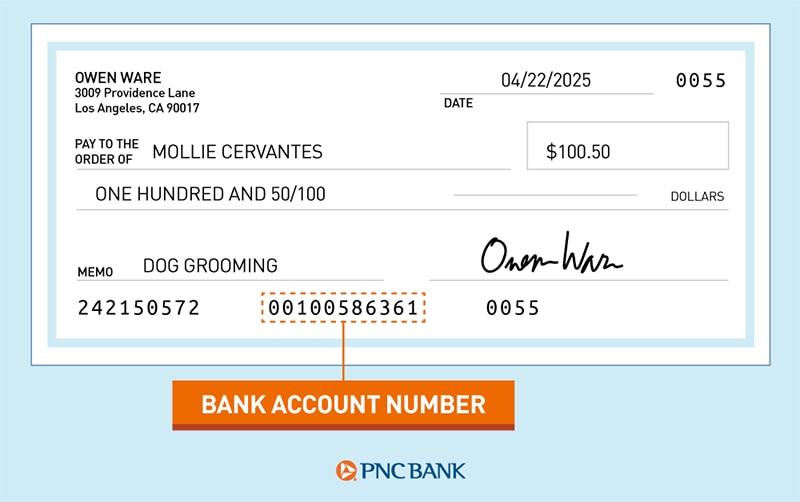
For those who still use traditional paper checks, your checking account number is prominently displayed on each one, printed using magnetic ink character recognition (MICR) technology for automated processing.
-
Location on a Check: Look at the bottom left of your check. You’ll typically find three sets of numbers. The first set, often nine digits long, is your bank’s routing number. The second set, usually the longest, is your individual checking account number. The third, shorter set is the check number.
-
Common Pitfalls: Ensure you’re looking at an actual check, not a deposit slip (though deposit slips often contain the same info). Be careful not to confuse the routing number with your account number. If you have multiple checking accounts, verify that the check belongs to the correct account you need the number for.
Utilizing Online Banking Portals
In today’s digital age, online banking portals are arguably the most convenient and secure way to access your account information from anywhere, anytime.
-
Step-by-Step Guide:
-
Log In: Access your bank’s official website and log in to your online banking account using your username and password.
-
Navigate to Account Summary: Once logged in, look for a section like “Account Summary,” “Account Details,” “My Accounts,” or similar.
-
Select the Specific Account: If you have multiple accounts (checking, savings, credit cards), click on the specific checking account for which you need the number.
-
Locate Account Details: Within the account’s details page, you should find your full checking account number and often the associated routing number displayed. Some banks might require an additional click on “Show Details” or “View Account & Routing Numbers” for security.
-
-
Security Considerations: Always ensure you’re on your bank’s legitimate website (check the URL for “https” and the padlock icon). Avoid accessing sensitive financial information over unsecured Wi-Fi networks.
Consulting Your Bank Statements
Bank statements, whether digital or physical, are official records of your account activity and invariably contain your checking account number.
-
Digital Statements: Access digital statements through your online banking portal. They are typically found in a “Statements” or “Documents” section. Once you open a PDF statement, your account number will usually be near the top, alongside your name and address.
-
Physical Statements: If you receive paper statements by mail, your checking account number will be printed prominently, often at the top of the first page.
-
Where to Look: Scan the top section of the statement. The account number is usually listed clearly, sometimes partially masked (e.g., ending with ‘XXXX’) for security on summaries, but fully visible on detailed statements.
Contacting Your Bank Directly
When all else fails, or if you prefer direct assistance, your bank’s customer service channels are always available to help you retrieve your account number.
-
Customer Service Hotline: Call your bank’s official customer service number (found on their website, the back of your debit card, or on a statement). Be prepared to verify your identity through security questions, your Social Security number, or other personal details.
-
In-Branch Assistance: Visiting a local branch in person is another reliable option. A bank teller or customer service representative can provide your account number after verifying your identity with a valid photo ID (like a driver’s license or passport).
-
Necessary Verification: Banks take security seriously. Do not be surprised by thorough identity verification questions. This is for your protection to ensure your financial information isn’t disclosed to unauthorized individuals.
Less Common but Effective Ways to Retrieve Your Account Number
Beyond the primary methods, a few other avenues can also yield your checking account number, particularly if you’re in a pinch and the more common options are unavailable.
Mobile Banking Apps
Most modern banks offer robust mobile banking applications that mirror much of the functionality of their online portals, including access to account details.
-
Specific Features: After logging into your bank’s mobile app, navigate to your checking account. Look for options like “Account Details,” “Show Account Info,” or a “Manage Account” section. Similar to online banking, some apps may require an additional tap to reveal the full account number for security reasons.
-
Convenience: Mobile apps offer unparalleled convenience for on-the-go access, but always ensure your device is secure and your app is up-to-date.
Deposit Slips
If you have a book of deposit slips, similar to checks, these also feature your checking account and routing numbers.
-
Accuracy: Deposit slips typically have your account and routing numbers pre-printed on them. Just ensure the slip is for the correct checking account you need the information for.
-
Limited Availability: This method is only viable if you have physical deposit slips on hand, which are becoming less common with increased digital banking.
Loan or Bill Payment Documents

In certain circumstances, documents related to loans or automatic bill payments linked to your checking account might contain the account number.
-
Direct Debit Authorizations: If you’ve authorized a company to directly debit payments from your account, the authorization form or initial payment confirmation might display the account number you provided.
-
Limited Usefulness: This is less reliable as a primary method, as many such documents will only show the last few digits of your account number for security, or the information may be embedded in a way that’s not easily retrievable.
Protecting Your Account Number: A Critical Financial Responsibility
While knowing how to find your checking account number is essential, understanding how to safeguard it is equally, if not more, important. Your checking account number, particularly when combined with your routing number, is a powerful tool in the hands of both legitimate entities and malicious actors.
The Risks of Unauthorized Access
If your checking account number falls into the wrong hands, the consequences can be severe.
-
Fraudulent Transactions: Scammers can use your account number to set up unauthorized direct debits, issue fake checks, or make illicit purchases.
-
Identity Theft: While not as potent as a Social Security number, your account number can contribute to a larger profile of your financial identity, making you vulnerable to broader identity theft.
-
Account Drain: In extreme cases, sophisticated fraudsters could potentially drain your account through a series of unauthorized withdrawals.
Best Practices for Keeping It Secure
Proactive security measures are your best defense against financial fraud.
-
Shred Sensitive Documents: Always shred old checks, bank statements, or any document containing your account number before discarding them. A cross-cut shredder is preferable.
-
Strong Passwords and Two-Factor Authentication: Use unique, complex passwords for your online banking accounts and enable two-factor authentication (2FA) wherever possible. This adds an extra layer of security, usually requiring a code from your phone in addition to your password.
-
Secure Wi-Fi Networks: Avoid accessing your online banking or performing sensitive transactions over public, unsecured Wi-Fi networks. These networks are often vulnerable to snooping.
-
Regular Account Monitoring: Periodically review your bank statements and transaction history for any unfamiliar activity. Report suspicious transactions immediately.
When to Share and When to Be Cautious
Knowing when it’s safe to share your account number is crucial for balancing convenience with security.
-
Share with Trusted Entities: It is generally safe to provide your checking account number to your employer for direct deposit, government agencies for refunds, reputable billers for auto-payments, or other financial institutions for legitimate transfers.
-
Be Wary of Unsolicited Requests: Never provide your checking account number over email, text message, or an unverified phone call, especially if the request is unsolicited. Legitimate banks and government agencies will rarely ask for this information via insecure channels.
-
Verify the Requestor: If you receive a request that seems legitimate but comes from an unexpected source, independently verify the requestor through official contact information, not through links or numbers provided in the request itself.
What to Do If Your Account Number is Compromised
Despite your best efforts, a data breach or phishing scam could expose your account number. Immediate action is key.
-
Contact Your Bank Immediately: Notify your bank as soon as you suspect your account number has been compromised. They can monitor your account, flag suspicious activity, and potentially issue a new account number.
-
Review Transactions: Scrutinize your account statements for any unauthorized transactions.
-
Report Fraud: File a report with your bank’s fraud department and consider reporting it to relevant authorities like the Federal Trade Commission (FTC).
-
Change Passwords: Update passwords for all your financial accounts.
Common Scenarios Requiring Your Checking Account Number
To further illustrate its pervasive role in personal finance, let’s look at specific, everyday scenarios where your checking account number is indispensable.
Setting Up Direct Deposit for Payroll
The modern standard for receiving wages, direct deposit streamlines payday. Your HR department will provide a form requiring your bank’s routing number and your checking account number to ensure your paycheck lands directly in your account on time, every time. This eliminates the need for paper checks, reduces the risk of loss or theft, and provides immediate access to funds.
Initiating Automatic Bill Payments
For recurring expenses like utilities, rent, loan payments, or subscription services, setting up automatic bill payments using your checking account number guarantees timely payments. This helps you avoid late fees, manage your cash flow more predictably, and reduces the administrative burden of manually paying bills each month. Companies offering this service will typically have a secure online portal or a paper form where you can input your account details.
Linking to Investment or Loan Accounts
When you open an investment brokerage account, a high-yield savings account at a different institution, or even a personal loan, you often need to link it to your primary checking account for funding or repayment purposes. This process usually involves providing your checking account and routing numbers to facilitate seamless transfers between your accounts, streamlining your overall financial ecosystem.
Receiving Tax Refunds or Government Benefits
The IRS strongly encourages direct deposit for tax refunds, citing faster processing and enhanced security compared to paper checks. Similarly, Social Security benefits, veterans’ benefits, and other government payments are frequently disbursed via direct deposit, requiring your checking account number for efficient delivery of funds. This ensures you receive your entitlements promptly and securely.
Facilitating Wire Transfers
For larger, time-sensitive fund transfers, especially between different banks or international transactions, wire transfers are often utilized. To initiate a wire transfer, you will need the recipient’s full checking account number, routing number (or SWIFT/IBAN for international wires), and sometimes their bank’s name and address. This method provides a direct and rapid way to move substantial sums of money, making accuracy of the account number paramount.
Frequently Asked Questions About Checking Account Numbers
Navigating the nuances of banking can sometimes raise specific questions. Here are answers to some common queries regarding checking account numbers.
Can I have multiple checking account numbers with the same bank?
Yes, absolutely. Many individuals choose to open multiple checking accounts with the same bank for various financial management purposes – perhaps one for everyday spending, another for specific savings goals, or a joint account. Each of these accounts will be assigned its own unique checking account number, although they may share the same routing number if they are within the same bank and branch network.
Is my debit card number the same as my checking account number?
No, your debit card number is distinct from your checking account number. Your debit card number, typically 16 digits long, is primarily for point-of-sale transactions, online purchases, and ATM withdrawals. It is linked to your checking account but serves a different function and has a different sequence of digits. For security purposes, it’s good that these numbers are different, adding a layer of protection in case one is compromised.
How quickly can I get my account number if I need it urgently?
If you have online banking set up, you can typically retrieve your checking account number almost instantly by logging into your account details. If not, accessing it via your mobile banking app or by looking at a physical check or bank statement can also be very quick. For situations where you need to call the bank or visit a branch, the process might take a little longer due to identity verification, but generally, you can get it within minutes during business hours. Having a backup method (like a physical check at home) is always a good idea for urgent needs.
In conclusion, your checking account number is a powerful financial tool, integral to countless transactions that facilitate your daily financial life. By understanding where to find it, why it’s important, and how to protect it, you empower yourself with greater control and security over your personal finances.
aViewFromTheCave is a participant in the Amazon Services LLC Associates Program, an affiliate advertising program designed to provide a means for sites to earn advertising fees by advertising and linking to Amazon.com. Amazon, the Amazon logo, AmazonSupply, and the AmazonSupply logo are trademarks of Amazon.com, Inc. or its affiliates. As an Amazon Associate we earn affiliate commissions from qualifying purchases.