
In the complex tapestry of personal finance, your bank account number stands as a fundamental identifier, a unique digital signature that connects you to your funds and facilitates countless transactions. Far more than just a string of digits, it is the cornerstone of your financial life, enabling everything from receiving your paycheck to paying bills, saving for the future, and even managing investments. Yet, for many, recalling this crucial number from memory can be a challenge, and knowing precisely where to find it with confidence is often overlooked until the moment it’s urgently needed.
This comprehensive guide is designed to demystify the process of locating your bank account number, providing clear, actionable steps for both digital and traditional methods. We will delve into why this number is so vital for robust personal financial management, explore its relationship with other important banking identifiers, and, most critically, outline best practices for safeguarding this sensitive information against the backdrop of an increasingly digital world. Understanding how to access and protect your bank account number is not just about convenience; it’s a critical component of maintaining financial security and empowering you to navigate your financial landscape with clarity and control.
The Indispensable Role of Your Bank Account Number in Personal Finance
Your bank account number serves as the primary identifier for your specific account within your bank’s system. It is the key to unlocking a vast array of financial functionalities, underpinning almost every interaction you have with your money. Without it, many of the conveniences and necessities of modern financial life would simply not be possible.
Facilitating Essential Financial Transactions
The most immediate and apparent use of your bank account number is in enabling the flow of money. It is the conduit through which funds move in and out of your possession, facilitating both income and expenditure. From the moment your salary is deposited, to the automated payment of your monthly utilities, your account number is actively at work.
- Direct Deposits: Employers rely on your bank account number (along with your bank’s routing number) to directly deposit your salary or wages into your account, eliminating the need for physical paychecks and ensuring timely access to your funds.
- Automated Payments (Direct Debits): Setting up recurring payments for bills like rent, mortgages, utilities, or loan repayments typically requires providing your account number. This automates the payment process, helping you avoid late fees and manage your budget more effectively.
- Receiving Funds: If a friend needs to send you money, if you receive a tax refund, or if you’re paid by a client for freelance work, your bank account number is often requested for direct transfers.
- Online and Mobile Payments: While many modern payment apps abstract the account number, setting up and linking your primary bank account to these services often requires its initial input for verification and funding purposes.
Security and Verification Processes
Beyond transaction facilitation, your bank account number plays a crucial role in verifying your identity and securing your financial interactions. It acts as a primary credential that confirms you are the legitimate owner of an account, particularly when initiating new services or recovering access.
- Identity Verification: When opening new accounts (e.g., brokerage, savings, or loan accounts), setting up payment gateways, or linking external financial tools, banks and financial institutions often require your bank account number for verification. This helps prevent fraud and ensures that legitimate account holders are the ones authorizing financial activities.
- Account Access and Recovery: In situations where you might be locked out of your online banking, or need to verify your identity over the phone, your bank account number is one of the key pieces of information the bank will use to confirm your identity before granting access or providing sensitive information.
- Dispute Resolution: In the event of an unauthorized transaction or an error, providing your specific bank account number allows your bank to quickly identify the affected account and initiate investigations, streamlining the dispute resolution process.
Accessing Financial Services
The modern financial landscape is rich with tools and services designed to help you manage, grow, and protect your money. Your bank account number is frequently the bridge that connects you to these external platforms, integrating your core banking with broader financial strategies.
- Investment Platforms: To fund a brokerage account, IRA, or other investment vehicles, you’ll typically link your bank account using its number and routing number. This enables seamless transfers of capital for buying and selling assets.
- Peer-to-Peer (P2P) Payment Apps: While often using email or phone numbers for user identification, the underlying connection to transfer money to and from your bank account requires its identifier.
- Budgeting and Financial Planning Tools: Many personal finance management applications that aggregate your financial data will require secure access to your bank account, often initially verified using your account number and other credentials.
- Loan Applications and Credit Services: Whether applying for a personal loan, mortgage, or credit card, lenders will often request your bank account details to verify your financial standing and to establish repayment mechanisms.
In essence, your bank account number is the master key to your personal financial ecosystem. Knowing where to find it and understanding its critical functions empowers you to participate fully and securely in the modern financial world.
Common and Convenient Methods for Locating Your Account Number
Finding your bank account number is often simpler than you might imagine, with several reliable methods available depending on your preference for digital access or physical documents. While the exact location might vary slightly between financial institutions, the general principles remain consistent.
Online Banking Portals and Mobile Apps
For the vast majority of individuals, online banking and mobile apps represent the quickest, most convenient, and often most secure way to access your account number. Banks have invested heavily in user-friendly interfaces that make this information readily available.
- Login and Navigate: Begin by logging into your bank’s official website or mobile application using your secure credentials (username, password, and often two-factor authentication).
- Account Summary/Details: Once logged in, look for a section labeled “Account Summary,” “Account Details,” “My Accounts,” or similar. Select the specific checking or savings account for which you need the number.
- View Account Number: Within the details of that account, you should see your full bank account number displayed. Some banks might initially mask part of the number for security (e.g., showing “XXXX1234”) and require you to click an icon (like an eye) or a “Show full number” option to reveal it.
- Security Reminder: Always ensure you are on your bank’s official website or app to avoid phishing scams. Never share your login credentials with anyone.
Bank Statements (Paper or Digital)
Bank statements, whether received through the mail or accessed electronically, are another highly reliable source for your bank account number. They serve as a comprehensive record of your account activity and details.
- Paper Statements: If you receive paper statements, your bank account number is typically printed prominently at the top or bottom of the statement, often near your name and address, and sometimes alongside the routing number.
- Digital Statements (eStatements): Most banks offer eStatements accessible through your online banking portal. Navigate to the “Statements” or “Documents” section, select the desired statement (usually the most recent one), and download or view the PDF. Your account number will be in the same location as on a paper statement.
- Archived Statements: If you need an older statement, banks usually provide access to several years of archived eStatements online.
Checkbooks and Deposit Slips
For those who still use physical checks, your checkbook is a classic and reliable source for your bank account number. The information is printed directly on each check and deposit slip.
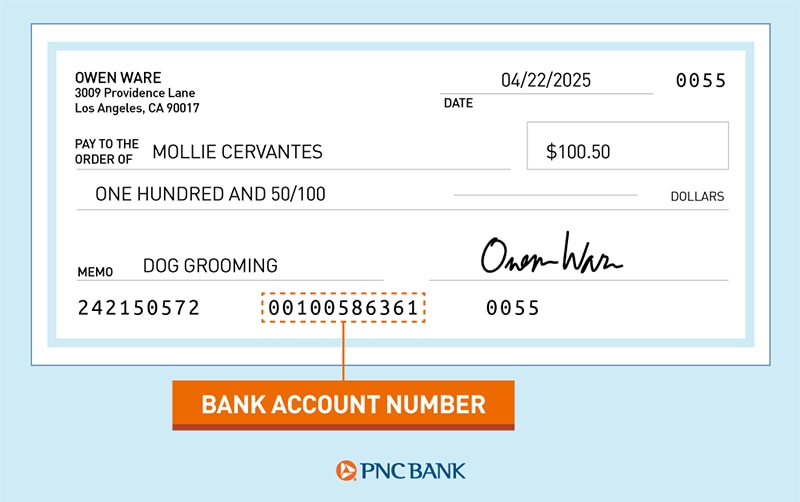
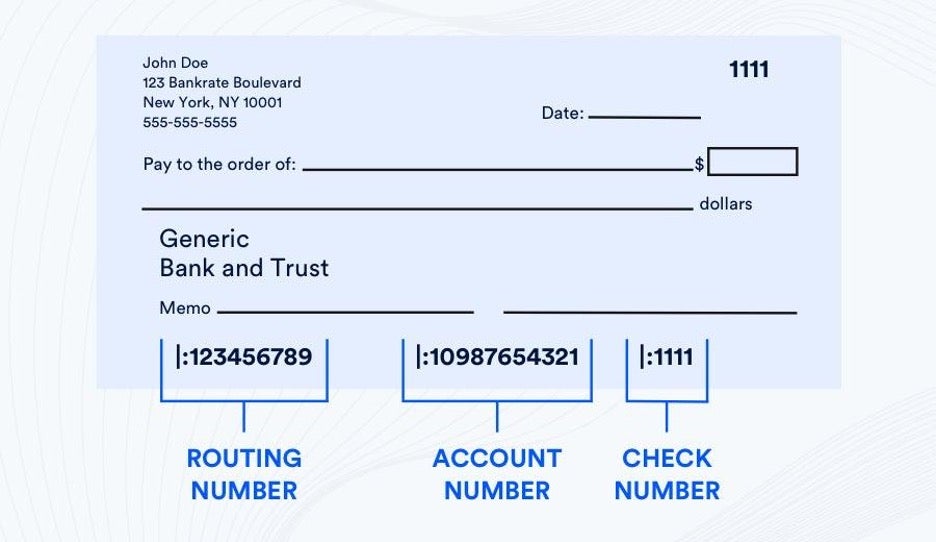
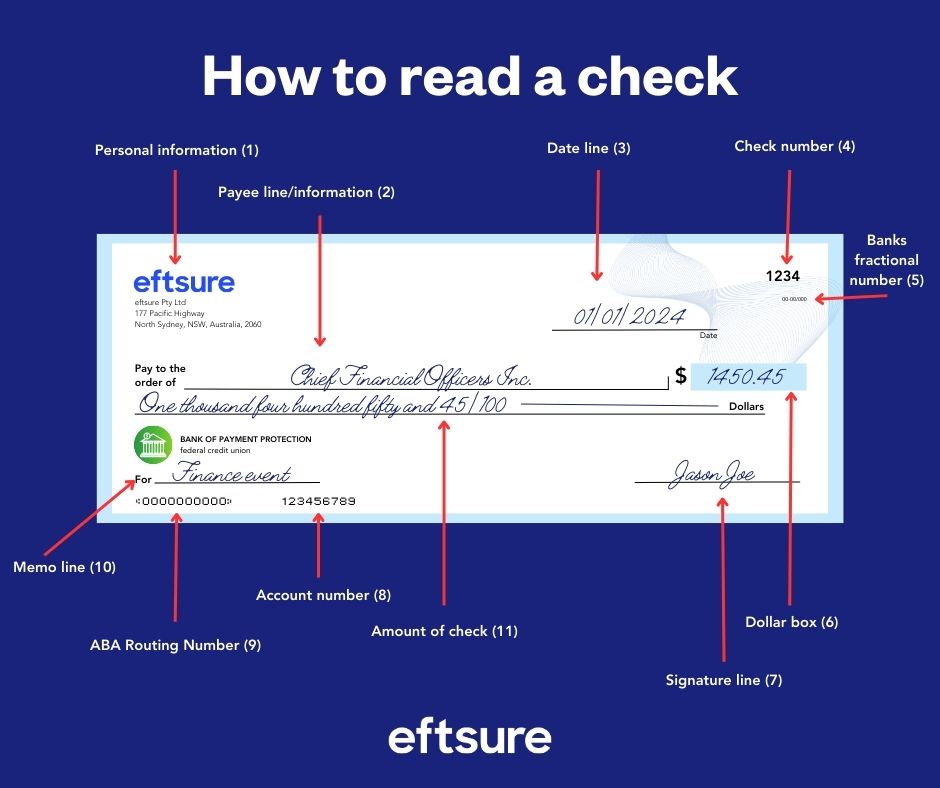
- On a Check: Look at the bottom of any personalized check from your checkbook. You will see a series of numbers. From left to right, these are typically:
- The bank’s routing number (a 9-digit code identifying your bank).
- Your bank account number (typically 10-12 digits, though this can vary).
- The check number (unique to that specific check).
- On a Deposit Slip: Similarly, deposit slips found in your checkbook or at the bank counter will have your routing and account numbers printed on them.
- Newer Checks: Be aware that some newer security features might slightly alter the appearance or order, but the three main identifiers (routing, account, check number) will always be present at the bottom.
Direct Contact with Your Bank
If digital access is unavailable, or you prefer speaking directly with a representative, contacting your bank directly is always a viable option. This method provides the highest level of assurance but may require identity verification.
- Phone Banking: Call your bank’s official customer service number (found on their website, bank card, or previous statements). Be prepared to answer security questions to verify your identity (e.g., date of birth, mother’s maiden name, last four digits of your Social Security number, recent transactions). The representative will then be able to provide your account number.
- In-Person Visit: Visit your local bank branch. A teller or customer service representative can provide your account number after verifying your identity, typically requiring a valid photo ID (driver’s license, passport). This is particularly useful if you have lost access to all other methods.
By utilizing these reliable methods, you can quickly and confidently locate your bank account number whenever it’s required for financial transactions or identity verification.
Understanding Related Banking Identifiers
While your bank account number is primary, the financial ecosystem uses several other key identifiers that are often confused with it or work in conjunction with it. Understanding these distinctions is crucial for accurate financial management, especially when dealing with various types of transactions or international transfers.
Routing Number (ABA Transit Number)
The routing number, also known as the ABA (American Bankers Association) transit number, is a nine-digit code that identifies your specific financial institution within the United States. It’s akin to a bank’s address.
- Purpose: The routing number is essential for domestic financial transactions, including direct deposits, wire transfers, electronic funds transfers (EFTs), and automated clearing house (ACH) transactions. It ensures that money reaches the correct bank.
- Location: You’ll find it on your checks (the first set of numbers at the bottom left), bank statements, and often within your online banking portal alongside your account number.
- Bank-Specific: Unlike account numbers, which are unique to each individual account, routing numbers are specific to a bank and sometimes to a particular region or branch of that bank. Some large banks may have multiple routing numbers depending on the type of transaction or location.
SWIFT/BIC Code
For international transactions, the SWIFT (Society for Worldwide Interbank Financial Telecommunication) code, also known as a BIC (Bank Identifier Code), takes precedence. This is an 8 or 11-character alphanumeric code that identifies a specific bank globally.
- Purpose: SWIFT/BIC codes are required for international wire transfers to ensure funds are routed to the correct bank and, often, a specific branch within a country. It’s the international equivalent of a routing number.
- Structure: An 8-character code identifies the bank and country (e.g., “CHASUS33” for JP Morgan Chase in the US). An 11-character code further specifies a particular branch (e.g., “CHASUS33XXX”).
- Location: You typically won’t find this on your checks. It’s best found on your bank’s official website, by contacting customer service, or within the international transfer section of your online banking.
IBAN (International Bank Account Number)
The International Bank Account Number (IBAN) is an internationally agreed-upon system for identifying bank accounts across national borders, primarily used in Europe, but also in parts of the Middle East, Caribbean, and North Africa. It standardizes bank account numbers for easier international processing.
- Purpose: IBANs are designed to facilitate cross-border payments, reducing errors and speeding up transactions between participating countries. It includes country code, check digits, bank identifier, and the specific account number.
- Structure: An IBAN can be up to 34 alphanumeric characters long, varying by country. For example, a German IBAN is 22 characters, while a UK IBAN is 22 characters.
- Not Used in the US (Directly): While US banks can send and receive money to/from IBAN accounts, the US does not issue IBANs for its own domestic accounts. When sending money from the US to an IBAN country, you will need the recipient’s IBAN along with the receiving bank’s SWIFT/BIC code.
- Location: If your country uses IBANs, you’ll find it on your bank statements or through your online banking portal.
The Difference Between Account Number and Card Number
This is a frequently confused distinction, yet it’s critical for security and transaction accuracy.
- Bank Account Number: This is the unique identifier for your bank account itself. It typically has 10-12 digits (though can vary) and is used for direct deposits, wire transfers, ACH payments, and identifying your overall relationship with the bank. It does not expire.
- Debit/Credit Card Number: This is the 16-digit (or sometimes 13, 15, or 19-digit) number found on the front of your plastic debit or credit card. This number identifies the specific payment card linked to your account (for debit cards) or a line of credit (for credit cards). It has an expiration date and a CVV/CVC security code.
- Function: The card number is primarily used for point-of-sale transactions, online purchases, and ATM withdrawals where the physical card or its digital representation is used. It is not used for direct deposits or setting up recurring payments that draw directly from your bank account.
- Security Implication: While your card number carries significant risk if compromised, your bank account number, especially when paired with a routing number, is also highly sensitive and needs careful protection. Never confuse the two, especially when someone asks for “your account number.” Clarify whether they mean your bank account number or your card number.
Mastering these distinctions not only enhances your financial literacy but also equips you to handle a broader range of financial transactions accurately and securely.
Best Practices for Account Number Security
Your bank account number, along with your routing number, is a sensitive piece of financial information that, in the wrong hands, could potentially lead to financial fraud or identity theft. Therefore, safeguarding it is paramount to maintaining your financial security. Adhering to best practices can significantly reduce your risk exposure.
When to Share and When to Withhold
A critical aspect of security is understanding when it’s appropriate and safe to share your bank account number. Not every request for this information is legitimate.
- Legitimate Reasons to Share:
- Setting up direct deposit with your employer.
- Setting up automatic bill payments (e.g., mortgage, utilities, loans).
- Initiating an electronic funds transfer (EFT) to or from your account (e.g., sending money to family, receiving a payment from a client).
- Funding an investment account or linking to a legitimate financial app.
- Responding to direct requests from your bank during a verified interaction (e.g., calling customer service, visiting a branch).
- When to Withhold or Be Skeptical:
- Unsolicited emails, text messages, or phone calls claiming to be from your bank or a government agency asking for your full account number. Banks will rarely ask for this information directly via these channels, especially unsolicited.
- Websites that appear suspicious or are not using secure “HTTPS” connections.
- Individuals or businesses that cannot clearly articulate why they need your full account number or seem evasive.
- Never email your account number, as email is not a secure communication method.
Protecting Digital Access
The digital realm is where many individuals manage their finances, making digital security for your banking information crucial.
- Strong, Unique Passwords: Use complex passwords for your online banking that combine uppercase and lowercase letters, numbers, and symbols. Avoid using easily guessable information like birthdays or common phrases. Critically, use a different password for your banking than you do for other online services.
- Two-Factor Authentication (2FA): Always enable 2FA on your online banking and any financial apps. This adds an extra layer of security, typically requiring a code sent to your phone or generated by an authenticator app, in addition to your password.
- Secure Wi-Fi: Only access your online banking or financial apps over secure, private Wi-Fi networks. Avoid using public Wi-Fi (e.g., at cafes, airports) for sensitive financial transactions, as these networks can be vulnerable to eavesdropping.
- Device Security: Keep your computer and mobile devices updated with the latest operating system and security patches. Use reputable antivirus and anti-malware software.
- Log Out: Always log out of your online banking and financial apps when you’re finished, especially on shared devices.
Safeguarding Physical Documents
Even in a digital age, physical documents containing your bank account number still require protection.
- Secure Storage: Keep bank statements, checkbooks, and any other documents containing your account number in a secure location at home, such as a locked drawer or safe.
- Shredding: Do not simply throw away old bank statements, voided checks, or other financial documents. Always shred them using a cross-cut shredder to prevent identity thieves from piecing together your information.
- Checkbook Vigilance: Treat your checkbook like cash. Do not leave it unattended in your car or in easily accessible places. Report lost or stolen checkbooks to your bank immediately.
Recognizing and Avoiding Phishing Scams
Phishing attacks are a common tactic used by criminals to trick individuals into divulging sensitive information like bank account numbers.
- Be Suspicious of Unsolicited Communications: Legitimate banks and financial institutions will rarely ask for your full account number, PIN, or password via email or text message.
- Check Sender Details: Always scrutinize the sender’s email address or phone number. Phishing attempts often use addresses that look similar to official ones but have subtle misspellings or different domains.
- Hover Over Links: Before clicking on any link in an email or text, hover your mouse over it (on a computer) to see the actual URL it leads to. If it doesn’t match the official bank website, do not click.
- Never Provide Information Through Pop-ups: Be wary of pop-up windows that ask for your banking details; always navigate directly to your bank’s website.
- Report Suspicious Activity: If you receive a suspicious communication, report it to your bank and then delete it.
By adopting these diligent security measures, you can significantly fortify the protection of your bank account number and mitigate the risks associated with financial fraud, ensuring your financial peace of mind.
Troubleshooting Common Issues and FAQs
Even with the best preparation, questions or issues can arise when dealing with your bank account number. Here, we address some common scenarios and frequently asked questions to help you navigate them effectively.
What if I don’t have access to online banking or statements?
In an increasingly digital world, relying solely on digital methods for financial information can be challenging if you lose access or don’t use them.
- Phone Banking is Your Best Bet: If you’re locked out of online banking or don’t receive paper statements, calling your bank’s customer service number is often the quickest solution. Be ready to verify your identity with personal information (e.g., date of birth, mother’s maiden name, address, recent transaction details). They will be able to provide your account number after successful verification.
- Visit a Bank Branch: For those who prefer face-to-face interaction or if phone banking isn’t yielding results, visiting your local branch with a valid photo ID (driver’s license, passport) allows a teller or personal banker to access your account information securely and provide your account number.
- Checkbook Access: If you have a physical checkbook, your account number is printed on every check. This is a simple, analog solution if available.
Is it safe to give my account number to someone?
The safety of sharing your account number depends entirely on who you’re sharing it with and why. It’s not inherently unsafe, but it requires discretion.
- When It’s Generally Safe:
- Trusted Institutions: Providing it to your employer for direct deposit, to a utility company for automatic bill payments, or to a reputable investment firm to link accounts. These entities have robust security measures in place.
- Verified Individuals/Organizations for Payment: When you are receiving money from a known and trusted individual or company, they will need your account and routing number for a direct transfer.
- When to Exercise Extreme Caution/Avoid:
- Unsolicited Requests: Never give your account number to someone who calls, emails, or texts you out of the blue, claiming to be from your bank, a government agency, or a company you don’t recognize.
- Public Forums/Social Media: Never post or share your account number on social media or public forums.
- Suspicious Websites: Avoid entering your account number on websites that don’t look legitimate or lack proper security indicators (e.g., “https://” in the URL).
- The Risk: While giving out your account number and routing number without other identifying information (like your PIN or online banking password) usually isn’t enough for someone to withdraw money directly from your account (as they’d typically need more information or a signed check), it can be used to initiate fraudulent direct debits. If this happens, most banks offer fraud protection, but it can be a hassle to resolve.
What if I suspect unauthorized use?
If you believe your bank account number has been compromised or you notice suspicious activity on your account, immediate action is crucial.
- Contact Your Bank Immediately: This is the most important first step. Call your bank’s fraud department or customer service line as soon as possible. Explain the situation, and they will guide you through the process, which may include freezing your account, initiating an investigation, and issuing new account details if necessary.
- Review Your Statements: Carefully review your bank statements (online or physical) for any unauthorized transactions. Keep a detailed record of these, including dates, amounts, and descriptions.
- Change Passwords: If you suspect your online banking credentials might be compromised, change your password immediately.
- File a Police Report (if applicable): For more severe cases of identity theft or large fraudulent transactions, your bank might advise you to file a police report. This can be important for supporting your case during investigations.
- Monitor Your Credit Report: Consider placing a fraud alert on your credit report and regularly monitoring your credit activity to catch any other signs of identity theft.
Being proactive and knowing these troubleshooting steps ensures that you can react swiftly and effectively, minimizing potential damage and restoring your financial security.
Conclusion
Understanding “how to check bank account number” is far more than a simple query; it’s a fundamental aspect of effective personal financial management. Your bank account number is the bedrock of your financial identity, enabling the seamless flow of income and expenditure, facilitating access to a myriad of financial services, and playing a pivotal role in the security and verification processes that protect your assets.
By familiarizing yourself with the various reliable methods for locating this critical identifier – be it through the convenience of online banking, the reliability of bank statements, the traditional format of a checkbook, or the direct interaction with your bank’s customer service – you empower yourself with immediate access to essential financial information. Equally vital is a clear understanding of related banking identifiers like routing numbers, SWIFT/BIC codes, and IBANs, which are indispensable for accurate domestic and international transactions, and the crucial distinction between your bank account number and your card number.
Perhaps most importantly, this guide underscores the non-negotiable imperative of safeguarding your bank account number. Adhering to best practices for sharing information judiciously, fortifying your digital access with robust security measures, securing physical documents, and maintaining vigilance against phishing scams are not merely recommendations; they are essential disciplines for navigating the modern financial landscape securely.
In an era where financial data is both pervasive and vulnerable, knowledge is your strongest defense. Proactive financial literacy, beginning with something as fundamental as knowing and protecting your bank account number, forms the cornerstone of a secure and confidently managed financial future. Take the time to master these principles, and you’ll not only streamline your financial life but also significantly enhance your resilience against potential threats.
aViewFromTheCave is a participant in the Amazon Services LLC Associates Program, an affiliate advertising program designed to provide a means for sites to earn advertising fees by advertising and linking to Amazon.com. Amazon, the Amazon logo, AmazonSupply, and the AmazonSupply logo are trademarks of Amazon.com, Inc. or its affiliates. As an Amazon Associate we earn affiliate commissions from qualifying purchases.