
In the modern era of travel, flexibility is paramount. Plans can shift unexpectedly, necessitating modifications to travel itineraries. For United Airlines passengers, the process of changing a flight has evolved significantly, moving from arduous phone calls and physical ticket counters to a predominantly digital, self-service experience. This transformation is a testament to the power of technology, leveraging sophisticated software, intuitive user interfaces, and robust backend systems to empower travelers. Understanding how to navigate United’s digital ecosystem for flight changes isn’t just about convenience; it’s about mastering the technological tools designed to put control directly into the passenger’s hands.
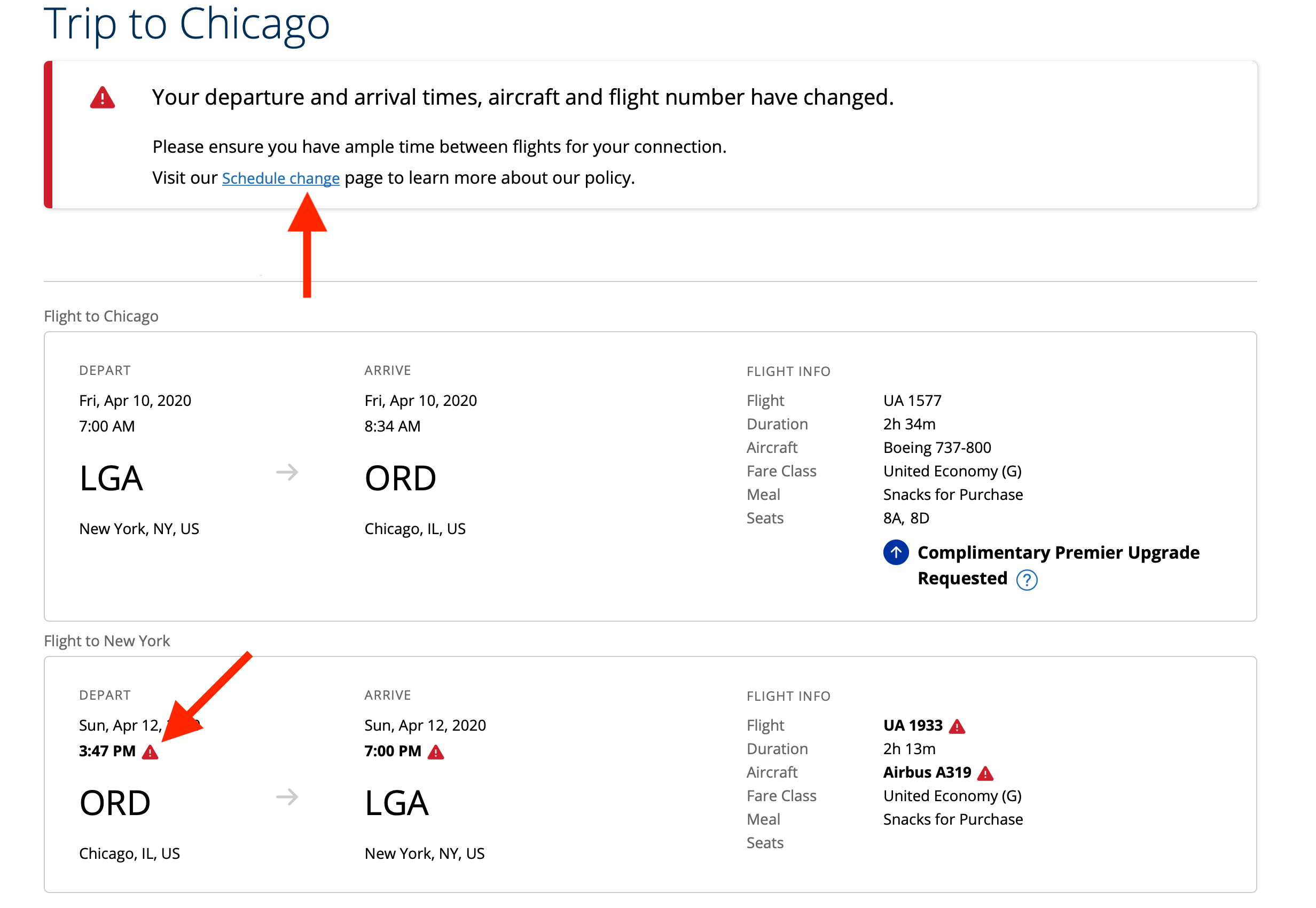
Navigating United’s Digital Ecosystem for Flight Modifications
The core of United Airlines’ flight change capabilities resides within its digital platforms: the official website and the dedicated mobile application. These platforms are not merely static information repositories; they are dynamic, interactive tools engineered to facilitate a wide range of self-service functions, including itinerary adjustments. Mastering these digital interfaces is the first step towards an efficient flight modification process.
The Power of the United Airlines Website Interface
The United Airlines website (united.com) serves as the primary digital portal for comprehensive trip management. Designed with a focus on user experience (UX), the site integrates a complex array of functionalities into an accessible layout. From the moment you log into your MileagePlus account or retrieve your reservation using a confirmation number, the website presents a dashboard of your upcoming trips. The “Manage Reservations” or “My Trips” section is the gateway to making changes.
Underlying this user-friendly frontend is a sophisticated architecture. The website utilizes a combination of client-side scripting (like JavaScript frameworks for dynamic content updates) and server-side processing to fetch real-time flight data, availability, and fare rules. When you initiate a change, the system queries a vast database of flight schedules, seat inventories, and pricing algorithms. This intricate dance of data retrieval and presentation ensures that passengers are shown the most current and relevant options instantly, a significant improvement over the manual lookups of previous decades. Furthermore, the responsive design principles employed ensure that the website adapts seamlessly across various devices, from desktop monitors to tablets, providing a consistent user experience regardless of the access point.
Leveraging the United Mobile App for On-the-Go Changes
For travelers who are constantly on the move, the United Airlines mobile app offers an equally powerful, if not more convenient, avenue for flight changes. Available on iOS and Android platforms, the app distills the essential functionalities of the website into a touch-optimized interface. Its design prioritizes quick access and intuitive gestures, making it ideal for making decisions while in transit or away from a traditional computer.
The app’s native development allows for tighter integration with device-specific features. For example, push notifications can alert users to changes in flight status or offer proactive options for rebooking during disruptions. Biometric authentication (Face ID, Touch ID) streamlines the login process, enhancing security and speed. From a technical standpoint, the app often communicates with United’s backend systems via Application Programming Interfaces (APIs), ensuring efficient data exchange and real-time updates. The app’s ability to cache certain data can also contribute to a faster user experience, even with intermittent internet connectivity. Its focus on mobile-first design means features like “Change Flight” are often prominently displayed and require fewer taps to access, catering to the immediate needs of a traveler on the go.
Step-by-Step Tech Tutorial: Online Flight Change Process
Changing a United flight online is a largely standardized process, guided by the design principles of the airline’s digital platforms. It’s a multi-step digital interaction, requiring user input, system processing, and confirmation, all facilitated by robust web and mobile application technologies.
Locating Your Reservation Digitally
The first technical hurdle is always identification. To modify a flight, the system needs to know which reservation you’re referring to. On united.com or within the mobile app, this typically involves one of two primary methods:
-
Logging into Your MileagePlus Account: This is the most streamlined approach. Upon successful authentication (often secured with multi-factor authentication for enhanced digital security), your account dashboard automatically displays all associated upcoming reservations. The system links your login credentials to your booking records, pulling relevant data instantly.
-
Using the Confirmation Number and Last Name: For guests without a MileagePlus account or those who prefer direct access, the “Manage Reservations” or “My Trips” section provides input fields for your 6-character alphanumeric confirmation code and the passenger’s last name. Upon submission, the system performs a database query to retrieve the specific booking details, presenting them to the user. This process is analogous to a secure lookup function, ensuring only authorized parties can access and modify the reservation.
Exploring Change Options and Digital Tools
Once your reservation is accessed, the digital platform presents a clear option, often labeled “Change Flight” or “Change Trip.” Clicking this initiates a series of interactions with United’s backend systems. The software:
-
Identifies Eligible Segments: It first determines which legs of your journey are eligible for modification based on fare rules, ticket type, and existing travel dates. Complex algorithms parse these rules in real-time.
-
Presents Available Flights: The system then queries the global distribution system (GDS) and United’s internal inventory systems to display alternative flight options. This isn’t a simple list; it’s a dynamically generated display, often presented with filters for departure time, arrival time, layovers, and pricing.
-
Calculates Fare Differences and Fees: A critical technological component here is the dynamic pricing engine. When you select a new flight, the system instantly calculates the fare difference (if any) between your original ticket and the new selection, along with any applicable change fees. This calculation is intricate, taking into account current demand, remaining seat inventory in different fare classes, and the specific fare rules associated with your original ticket. The UI typically presents this breakdown transparently, showing the original fare, the new fare, the difference, and the total cost.
-
Offers Ancillary Options: Depending on the system’s capabilities, you might also be presented with options to modify seats, add baggage, or purchase travel insurance, seamlessly integrating these upsells within the change workflow.
Confirming Your Digital Transaction
The final stage is the digital confirmation. After reviewing the new itinerary and understanding any associated costs, the user proceeds to payment if there’s an outstanding balance. United’s platforms integrate secure payment gateways, employing encryption protocols (like SSL/TLS) to protect sensitive financial information during transmission. Once payment is processed (or if no payment is required), the system executes the change. This involves:
-
Updating the Passenger Name Record (PNR): The core reservation record is updated in United’s central reservation system.
-
Issuing a New Electronic Ticket (E-Ticket): A new e-ticket number is generated and associated with the updated itinerary.
-
Sending Digital Confirmation: An email confirmation with the revised itinerary is automatically dispatched to the email address on file, often within minutes. This automated notification system is a key component of modern digital service delivery, ensuring immediate communication and record-keeping.
Understanding the Technology Behind Flight Change Flexibility
The seamless experience of changing a flight online is not magic; it’s the result of sophisticated technological infrastructure operating behind the scenes. Without these underlying systems, the self-service capabilities would be impossible.
Dynamic Pricing Algorithms and Fare Difference Calculations
At the heart of any flight change is the financial recalculation. United Airlines, like most major carriers, employs highly advanced dynamic pricing algorithms. These algorithms leverage machine learning and vast datasets of historical booking patterns, competitor pricing, demand forecasts, and real-time inventory levels to set prices. When a passenger initiates a flight change, these algorithms are re-engaged. They compare the fare rules and availability of the original ticket against the current market conditions and availability for the desired new flight. The system doesn’t just look at the ‘sticker price’; it delves into fare classes, booking codes, and the often-complex conditions attached to each ticket type. This ensures that the fare difference presented is accurate and reflects the commercial realities of airline revenue management, all executed in milliseconds to provide instant feedback to the user.
Backend Systems for Real-time Availability and Updates

The ability to show real-time flight availability and execute changes instantaneously relies on a robust network of backend systems. These include:
-
Global Distribution Systems (GDS): Amadeus, Sabre, and Travelport are major GDS platforms that aggregate flight information, seat availability, and fares from numerous airlines. United’s systems constantly interface with these GDSs to provide the most up-to-date information.
-
Airline Reservation Systems (ARS): United’s internal ARS is the master repository for all passenger and flight data. When a change is made, this central system is updated, which then propagates the change to other connected systems (e.g., check-in systems, baggage handling, operational control centers).
-
Inventory Management Systems: These specialized systems track every available seat on every flight, allocating them to different fare classes. When a change occurs, seats are released from the original flight and allocated on the new one, with the inventory management system ensuring no overbooking or under-utilization.
-
Messaging and API Gateways: Secure Application Programming Interfaces (APIs) are the crucial conduits that allow United’s website and app to communicate with these various backend systems. These APIs ensure data integrity, security, and rapid response times for all queries and transactions.
Enhancing User Experience Through UI/UX Design
While the backend systems handle the heavy lifting, the user interface (UI) and user experience (UX) design are critical for making the process manageable for the average traveler. United invests significantly in UI/UX to ensure the digital tools are intuitive and reduce user frustration. This includes:
-
Clear Navigation: Logical menus, prominent buttons, and breadcrumbs guide users through multi-step processes.
-
Instant Feedback: Loading spinners, success messages, and error alerts provide immediate feedback, assuring users that their actions are being processed or guiding them if an issue arises.
-
Personalization: Once logged in, the interface can display personalized information, such as loyalty status, past travel history, and preferred settings, streamlining future interactions.
-
Accessibility Features: Adherence to accessibility standards (e.g., WCAG guidelines) ensures the platform is usable by individuals with disabilities, broadening its reach through inclusive design.
-
A/B Testing and Analytics: United’s digital teams continuously analyze user behavior data (e.g., click-through rates, time on page, conversion funnels) and conduct A/B tests on different interface designs to refine and improve the user journey, making the “change flight” process as smooth as possible.
Troubleshooting Digital Roadblocks and Advanced Tech Solutions
Even with sophisticated technology, digital processes can sometimes encounter issues. Understanding common digital roadblocks and how to leverage advanced tech solutions, including customer support channels, is vital.
Common App Glitches and Website Errors
Digital platforms, while robust, are not immune to glitches. Users might encounter:
-
Connectivity Issues: A weak internet connection can prevent the platform from loading data or submitting changes. The app or website might display network error messages.
-
Browser/Cache Problems: Outdated browser versions, excessive cached data, or conflicting browser extensions can interfere with website functionality. Clearing the browser’s cache and cookies or trying an incognito window can often resolve these.
-
System Maintenance/Downtime: Airlines periodically perform system maintenance, which can lead to temporary unavailability of certain features. Notifications about planned downtime are usually posted on the website.
-
Data Entry Errors: Simple typos in the confirmation number or last name can prevent the system from locating a reservation. The technology here is unforgiving of incorrect input.
In these scenarios, the immediate troubleshooting steps are often technologically oriented: check internet, clear cache, try another device or browser. These actions help isolate whether the problem is client-side or with the airline’s systems.
Utilizing Digital Customer Support Channels
When self-service digital tools falter, modern airlines offer a range of digital customer support channels, which are themselves technology-driven solutions:
-
Online Chat Support: Many airlines, including United, offer live chat functionality on their websites and apps. These platforms connect users with agents via text-based communication, leveraging chat software and often integrating with CRM (Customer Relationship Management) systems to provide agents with immediate access to customer information.
-
Social Media Support: Dedicated social media teams monitor platforms like Twitter and Facebook, providing real-time assistance. This leverages the ubiquitous nature of social media as a communication channel, offering a public, yet often efficient, way to resolve issues.
-
Email Support Forms: While slower, web-based email forms allow passengers to submit detailed inquiries. These forms are typically linked to ticketing systems, creating a case for agents to follow up on.
These digital channels are designed to provide alternatives when direct phone contact is inconvenient or when the nature of the query is better suited for written communication and record-keeping.
The Role of AI Chatbots and Virtual Assistants
A growing trend in digital customer support is the deployment of AI-powered chatbots and virtual assistants. These tools utilize natural language processing (NLP) and machine learning to understand user queries and provide automated responses or guide users to relevant information.
-
Initial Triage: Chatbots can handle a significant percentage of common inquiries, such as “How do I change my flight?” or “What’s my baggage allowance?”, freeing up human agents for more complex issues.
-
Guided Workflows: For specific tasks like flight changes, an AI assistant can guide a user through the steps on the website or app, offering contextual help and direct links.
-
Personalized Responses: As AI evolves, these tools can tap into a user’s profile and past interactions to offer increasingly personalized and proactive assistance. While not yet capable of handling every complex flight change scenario, their role is rapidly expanding, enhancing the overall digital customer service ecosystem and making the troubleshooting process more efficient.
Future of Flight Changes: Emerging Tech and Personalized Experiences
The evolution of flight change capabilities is far from over. As technology continues to advance, we can anticipate even more intuitive, predictive, and personalized experiences, further embedding digital solutions into the fabric of air travel.
Predictive Analytics for Proactive Travel Management
Imagine a system that not only allows you to change your flight but also suggests changes before you even think of them. This is the promise of predictive analytics. By analyzing vast datasets—weather patterns, historical flight delays, passenger behavior, economic trends, and even personal calendar data (with user consent)—airlines could proactively identify potential disruptions or better options for passengers. For example, if a specific flight route frequently experiences delays on a certain day, the system might offer alternative flights or suggest a change to an earlier departure, presenting these options directly within the app. This shift from reactive problem-solving to proactive prevention would be a significant leap, powered by advanced data science and machine learning algorithms.
Biometric Integration and Seamless Authentication
Current login and reservation retrieval methods, while efficient, still require conscious input (passwords, confirmation codes). The future may see widespread integration of biometrics for ultra-seamless authentication. Already present in some airport processes (e.g., boarding, bag drop), extending biometric verification to online and app-based flight changes would eliminate the need for manual inputs. A simple facial scan or fingerprint could instantly pull up your reservation, confirm your identity, and authorize changes, making the digital interaction even faster and more secure. This leverages advanced biometric recognition technologies and secure data encryption to create an almost invisible layer of security and convenience.

The Metaverse and Immersive Booking Experiences
Looking further into the future, the concept of the metaverse could revolutionize how we interact with travel planning and changes. While speculative, imagine accessing a virtual lounge within a metaverse platform where you can interact with a 3D avatar representing United Airlines. You could verbally express your desire to change a flight, and the avatar, powered by advanced AI and natural language understanding, would visually present available options on a virtual screen. This immersive experience could allow for more intuitive exploration of alternative routes, virtual tours of different aircraft cabins, and a richer, more engaging decision-making process for flight modifications, blending the digital and physical worlds in new ways. This would require significant advancements in VR/AR technology, haptic feedback, and robust cloud computing to render and support such complex virtual environments and interactions.
In conclusion, changing a United Airlines flight has transformed into a sophisticated digital dance with technology at its core. From the robust web and mobile applications facilitating self-service to the complex backend systems powering real-time data, and the evolving AI tools enhancing customer support, every aspect is meticulously engineered for efficiency and user empowerment. As we look ahead, the continuous integration of predictive analytics, biometrics, and even immersive metaverse experiences promises to make flight modification even more seamless, intuitive, and integrated into our digital lives.
aViewFromTheCave is a participant in the Amazon Services LLC Associates Program, an affiliate advertising program designed to provide a means for sites to earn advertising fees by advertising and linking to Amazon.com. Amazon, the Amazon logo, AmazonSupply, and the AmazonSupply logo are trademarks of Amazon.com, Inc. or its affiliates. As an Amazon Associate we earn affiliate commissions from qualifying purchases.