
Changing the name on a bank account might seem like a straightforward administrative task, but it’s a critical process with far-reaching implications for your personal and business finances. Whether prompted by a significant life event, a business evolution, or a simple administrative correction, ensuring your bank account accurately reflects your current legal name is paramount for financial security, legal compliance, and smooth transactions. This comprehensive guide will walk you through the necessities, procedures, and crucial considerations for updating your bank account name, ensuring a seamless transition and safeguarding your financial well-being.
The Imperative Reasons Behind a Name Change
Understanding the common triggers for a bank account name change can help you anticipate and prepare for the process, underscoring its importance in maintaining accurate financial records.
Life Events and Legal Mandates
For individuals, the most frequent catalysts for a name change stem from significant personal milestones that legally alter one’s identity.
-
Marriage: Adopting a spouse’s surname or creating a hyphenated name is a primary reason for individuals to update their banking records. This change is often symbolic and practical, aligning financial identity with a new marital status.
-
Divorce or Annulment: Following a divorce, many individuals revert to their maiden name or a previous name. This legal change necessitates updating all financial accounts to reflect the new legal identity and avoid discrepancies.
-
Legal Name Change by Court Order: Beyond marriage and divorce, individuals may undergo a legal name change for various personal reasons, requiring a formal court order. This order serves as the authoritative document for updating all legal and financial records, including bank accounts.
-
Gender Transition: Individuals undergoing gender transition often legally change their name to align with their affirmed gender. This is a fundamental step in ensuring all personal and financial documentation reflects their true identity.
-
Correcting Errors: Sometimes, a name might be misspelled or incorrectly recorded on a bank account due to an initial clerical error. Rectifying such mistakes is essential for preventing future complications.
Business Evolution and Structural Changes
For businesses, a name change on a bank account is typically driven by strategic decisions or corporate restructuring.
-
Business Restructuring or Rebranding: A company might undergo a rebranding initiative, changing its legal operating name to better reflect its mission, market position, or expansion. This requires updating all official documents, including bank accounts, to match the new corporate identity.
-
Mergers and Acquisitions: When two companies merge or one acquires another, the surviving or new entity often operates under a different name. Bank accounts associated with the previous entities must be consolidated or updated to reflect the new legal structure.
-
Change in Legal Entity Type: A business might change its legal structure (e.g., from a sole proprietorship to an LLC, or from an LLC to a corporation). This often entails a change in the official business name and, consequently, bank account names to reflect the new legal entity.
Essential Documentation and Proactive Preparation
The success and efficiency of your name change process heavily depend on meticulous preparation and having the correct documentation readily available. Banks are highly regulated financial institutions, requiring strict adherence to legal and identity verification protocols.
Unpacking the Required Documents
Regardless of whether you are an individual or a business, certain core documents will be universally requested, alongside specific proofs of your name change.
-
Proof of Identity: This is non-negotiable. Banks will require current, government-issued photo identification that reflects your new legal name. Acceptable documents typically include:
-
State-issued driver’s license or ID card
-
Passport
-
National ID card
-
For businesses, this might include identification for the primary signatories or officers, along with corporate identification documents.
-
-
Proof of Name Change: This is the cornerstone document that legally authorizes the name alteration.
-
For Individuals:
-
Certified copy of a Marriage Certificate
-
Certified copy of a Divorce Decree (specifically the section stating the restoration of a maiden name or legal name change)
-
Certified copy of a Court Order for Name Change
-
Adoption papers (if applicable)
-
-
For Businesses:
-
Amended Articles of Incorporation or Organization
-
Certificate of Amendment
-
Assumed Name Certificate (DBA – Doing Business As)
-
Board Resolutions authorizing the name change
-
New Business License or Permit reflecting the updated name
-
Updated Employer Identification Number (EIN) documentation from the IRS, if the entity type or legal name change warrants it.
-
-
-
Existing Bank Account Information: You’ll need the account number(s) for the account(s) you wish to modify. Bringing your debit card, checkbook, or recent statements can also help expedite the process by providing easy access to account specifics.
Strategic Pre-Process Steps
Before you even contact your bank, a few preparatory steps can significantly streamline the entire process.
-
Update All Primary Identification First: Crucially, ensure your primary form of government ID (driver’s license, passport, etc.) already reflects your new name before attempting to change it at the bank. Banks cannot process a name change if your supporting identification doesn’t match the desired new name.
-
Gather Certified Copies: Always bring original certified copies of your legal name change documents. While banks may accept photocopies for their records, they will almost always want to view the original certified document for verification. It’s wise to make additional photocopies for your personal records and for other institutions you’ll need to notify.
-
Review Bank Policies: Some banks might have specific requirements or forms. Checking your bank’s website or calling their customer service line beforehand can save you a trip or help you gather any unique documentation they might require.
-
List All Affected Accounts: If you have multiple accounts (checking, savings, joint accounts, business accounts) with the same institution, make a comprehensive list. This ensures you don’t miss any accounts during the update process.
Navigating the Process: A Step-by-Step Execution
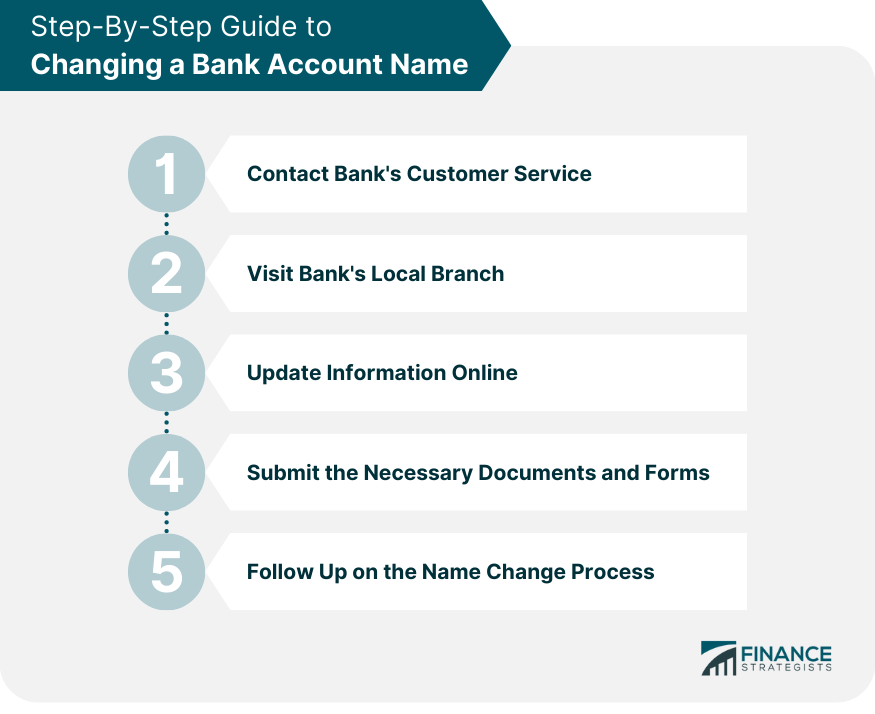
Once you have your documents in order, the actual process of changing your name on a bank account involves direct interaction with your financial institution.
Initial Contact and Channel Selection
The first step is to engage with your bank, determining the most efficient channel for your request.
-
In-Person Visit: This is often the most recommended and straightforward method, especially for complex changes or if you prefer direct assistance. Visiting a local branch allows you to speak with a banking representative, present original documents, ask questions, and receive immediate confirmation of your submission.
-
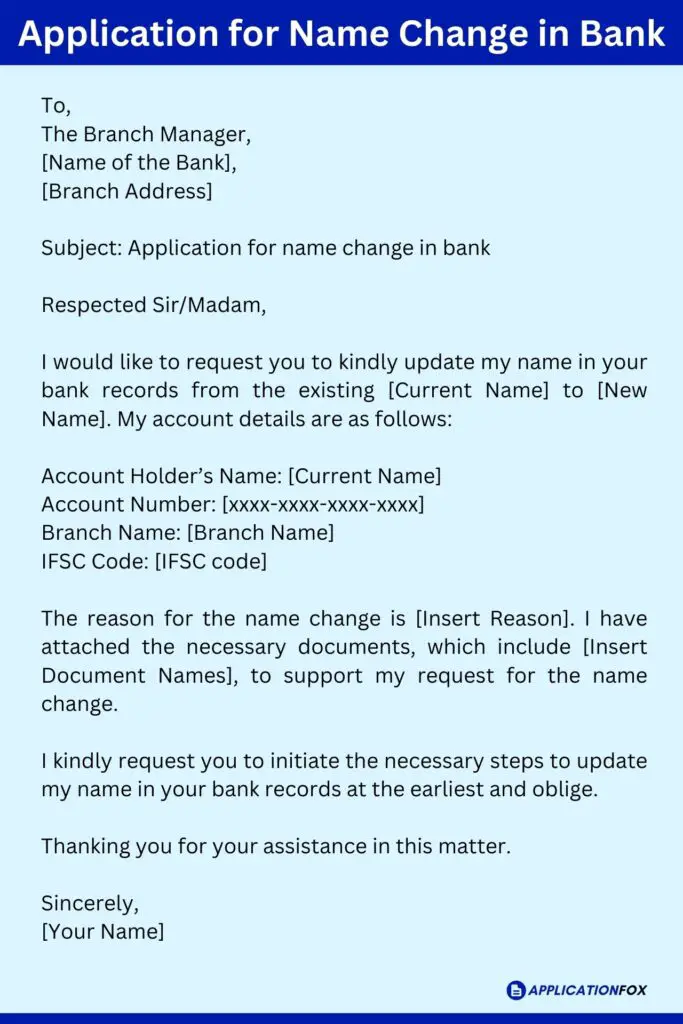
Mail: Some banks allow name changes via mail. This typically involves downloading and completing a specific form from their website, attaching certified copies of your legal name change document (never send originals unless explicitly requested and you’re comfortable with the risk), and mailing it to a designated address. This method can be slower and may require follow-up calls.
-
Online/App (Limited Availability): While some banks offer limited online features for updating personal information, a full legal name change often requires more stringent verification than can be done through a standard online portal. Some may allow initial form submission online, but subsequent document verification might still require an in-person visit or mail.
-
Customer Service Call: While a phone call can provide information and clarify requirements, it rarely serves as the primary method for submitting a legal name change due to identity verification challenges.
The Submission and Verification Phases
Once you’ve chosen your channel, the submission and verification process unfolds.
-
Completing Required Forms: Your bank will likely have specific forms for name change requests. Fill these out accurately and completely, ensuring consistency with your new legal name.
-
Presenting Documentation: If in-person, hand over your original identification and certified name change documents for verification. The bank representative will typically make copies and return your originals. If by mail, ensure you’ve included all necessary certified copies.
-
Verification and Internal Processing: The bank will review your documents and update their internal systems. This process can take anywhere from a few days to a couple of weeks, depending on the bank’s internal procedures. You might receive a confirmation email or letter once the change is processed.
-
Confirmation of Change: After the processing period, it’s prudent to verify the change. Check your online banking portal, recent statements, or call customer service to confirm that your new name is correctly reflected on all designated accounts. Order new checks and a debit/credit card with your updated name.
Updating Linked Services and Accounts
A name change on your bank account doesn’t occur in a vacuum. It triggers a cascade of necessary updates across your financial ecosystem.
-
Direct Deposits and Automatic Payments: Crucially, inform your employer (for direct deposits) and any institutions where you have recurring automatic payments set up (utilities, loan payments, subscriptions). A mismatch between your bank account name and the name on file with these entities can lead to payment failures.
-
Other Financial Institutions: Your bank account is just one piece of your financial identity. You’ll need to notify credit card companies, investment firms, loan providers (mortgage, auto, student loans), and any other financial institutions where you hold accounts. Each will have its own process and document requirements.
-
Government Agencies: Don’t forget federal and state agencies. The Social Security Administration (SSA) and the Internal Revenue Service (IRS) for individuals, or relevant state business registries and tax authorities for businesses, must be informed. This ensures your tax records and benefits align with your new legal identity.
Important Considerations and Potential Hurdles
While the process is generally manageable, being aware of potential challenges and nuances can help you navigate them effectively.
Timelines and Communication
Patience is key. Processing times can vary.
-
Expect Delays: Depending on the bank and the complexity of your request, a name change might not be instantaneous. Inquire about expected timelines during your submission and follow up if you don’t hear back within the stated period.
-
Maintain Records: Keep detailed records of when you submitted your request, whom you spoke with, and any reference numbers provided. This documentation is invaluable if you need to follow up or dispute any issues.
Impact on Joint Accounts and Shared Finances
If you have joint accounts, the process might involve additional considerations.
-
Joint Account Holder Consent: For joint accounts, banks typically require the consent of all account holders for a name change, even if only one person’s name is being updated. All signatories might need to be present or provide written consent.
-
Business Partnerships: For business accounts with multiple signatories, ensure all partners or authorized individuals are aware of and agree to the name change, as it affects the legal identity of the business’s financial operations.
Unforeseen Financial Disruptions
A name mismatch can lead to unexpected financial inconveniences.
-
Bounced Payments: A direct deposit or automated payment might fail if the name on the originating account doesn’t match the new name on your bank account. This can lead to late fees, service interruptions, or even damage to your credit score if not rectified promptly.
-
Access Issues: In some cases, temporary access restrictions might be placed on accounts during the verification process, although this is less common for simple name changes. Be prepared for a brief period where certain transactions might be delayed.

Financial Tools and Future Planning
Beyond the immediate name change, consider its ripple effects on your overall financial strategy.
-
Credit Reporting Agencies: While changing your bank account name doesn’t directly impact your credit score, ensuring all financial accounts (including credit cards and loans) reflect your current legal name is vital for accurate credit reporting. Discrepancies can complicate identity verification and credit monitoring.
-
Estate Planning: For individuals, updating your name on all financial accounts is a critical component of sound estate planning. It ensures that your assets are clearly linked to your legal identity, simplifying future legal processes for your beneficiaries.
-
Business Continuity: For businesses, consistent and updated naming across all financial instruments is fundamental to legal compliance, audit readiness, and maintaining uninterrupted operations.
Changing the name on your bank account is more than just a bureaucratic step; it’s an essential process for maintaining the integrity and security of your financial identity. By meticulously preparing your documents, understanding your bank’s procedures, and proactively updating all linked accounts, you can navigate this transition smoothly, ensuring your financial records accurately reflect who you are or what your business represents. This diligence protects you from potential legal hassles, financial disruptions, and ensures a seamless interaction with the broader financial ecosystem.
aViewFromTheCave is a participant in the Amazon Services LLC Associates Program, an affiliate advertising program designed to provide a means for sites to earn advertising fees by advertising and linking to Amazon.com. Amazon, the Amazon logo, AmazonSupply, and the AmazonSupply logo are trademarks of Amazon.com, Inc. or its affiliates. As an Amazon Associate we earn affiliate commissions from qualifying purchases.