
Changing your bank account name might seem like a straightforward administrative task, but it’s a crucial process that impacts various aspects of your financial life. Whether triggered by a significant life event like marriage or divorce, a legal name change, or the correction of an error, ensuring your bank records accurately reflect your current legal identity is paramount. This guide delves into the specifics of why and how to update your bank account name, offering a professional, insightful, and engaging roadmap to navigate the process smoothly and effectively within the realm of personal finance.
Understanding the Reasons for a Name Change
The decision to change the name on your bank account is typically prompted by a significant life event or a necessary correction. Understanding the common catalysts can help you anticipate the process and gather the correct documentation. For individuals, these changes are deeply intertwined with personal milestones and legal requirements, ensuring financial institutions maintain accurate records crucial for security and compliance.
Personal Milestones: Marriage, Divorce, Legal Name Change
Life’s major transitions often necessitate a name change. Marriage is perhaps the most common reason, with one or both spouses choosing to adopt a new surname. Conversely, divorce often involves reverting to a previous name, such as a maiden name. Beyond these marital changes, individuals may pursue a legal name change for various personal reasons, which must be formally recognized through court orders. Each of these scenarios requires official documentation to validate the change in identity. Banks rely on these legal documents to update their records, ensuring that all transactions, statements, and security protocols align with your current legal name. Failing to update your bank account name after such an event can lead to discrepancies, delays in transactions, and potential legal or financial complications.
Correcting Errors and Discrepancies
While less common, sometimes a name change is required to correct an error that occurred during the initial account setup. This could be a simple typo, a misspelling, or a more significant discrepancy where your bank records don’t perfectly match your legal identification documents. Even minor errors can cause significant headaches, especially when dealing with official bodies, credit checks, or international transactions. Identifying and rectifying these errors promptly is essential for maintaining the integrity of your financial identity. The process for correcting an error is generally similar to that for a legal name change, requiring documentation that proves your correct legal name and highlights the discrepancy. Addressing these issues proactively helps prevent future financial friction and ensures your banking details are consistently accurate across all platforms.
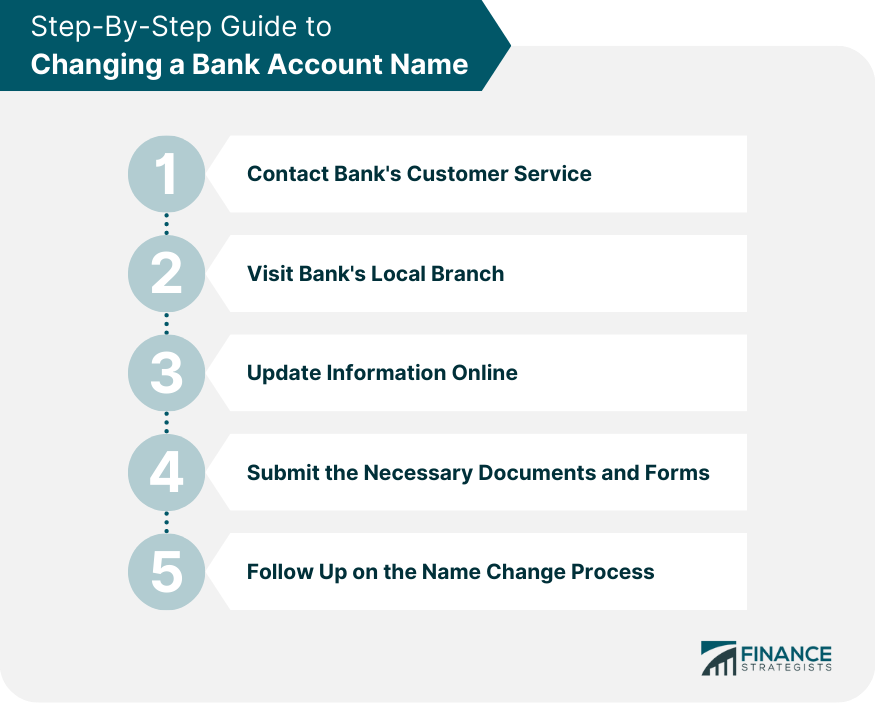
The Essential Steps to Changing Your Bank Account Name
Once you understand why you need to change your name, the next logical step is to understand the “how.” This involves a methodical approach, starting with documentation and moving through the formal process with your financial institution. Accuracy and completeness at each stage are crucial for a swift and successful outcome.
Gathering Required Documentation
This is arguably the most critical step, as banks operate under strict regulatory guidelines (like KYC – Know Your Customer) and require definitive proof of identity and name change. The specific documents may vary slightly depending on your bank and the nature of your name change, but generally include:
-
Proof of New Name: This is the cornerstone of your application.
-
Marriage Certificate: For name changes due to marriage.
-
Divorce Decree: Specifically the section detailing the restoration of a former name.
-
Court Order: A legal document issued by a court confirming your name change (e.g., deed poll in some jurisdictions, or a general order for name change).
-
-
Proof of Identity: Your current, valid government-issued identification reflecting your new name.
-
Passport: Must be updated with your new name.
-
Driver’s License/State ID: Also needs to reflect your new name. It is crucial that your ID already bears the new name, as banks typically won’t accept documents with different names unless accompanied by the specific legal document proving the change.
-
-
Proof of Address: To verify your current residency.
-
Utility Bill: (Electricity, gas, water, internet) issued within the last 3 months.
-
Bank Statement: From another financial institution, also within the last 3 months.
-
Council Tax Bill/Property Tax Statement.
-
-
Existing Bank Account Details: Have your account number(s), sort code/routing number, and any debit/credit cards associated with the account readily available. While not “proof,” these details expedite the process for the bank.
It is highly recommended to have both original documents and photocopies. Some banks may scan originals and return them, while others may retain copies for their records. Always confirm with your bank exactly what documents they require before your visit or submission.
Initiating the Request: Online, Branch Visit, or Mail
The method for submitting your name change request largely depends on your bank’s policies and your personal preference.
-
In-Person Branch Visit: This is often the most recommended and straightforward method, especially for complex cases or if you prefer direct interaction. A bank representative can guide you through the forms, verify your original documents on the spot, and answer any immediate questions. This reduces the chances of errors or missing documentation.
-
Online/Digital Submission: Some modern banks and challenger banks offer the convenience of submitting name change requests through their secure online banking portal or mobile app. This typically involves uploading scanned copies of your documents. While convenient, ensure the platform is secure and follow all instructions carefully. You might still be required to visit a branch or mail original documents for final verification.
-
Mail Submission: For those who cannot visit a branch or for banks that still operate with a strong postal system, you might be able to mail your request. This method requires careful attention to detail, including sending certified copies of documents (never originals unless explicitly instructed and sent via secure, traceable mail) and completing all forms accurately. Always use a trackable and insured mailing service if sending sensitive original documents.
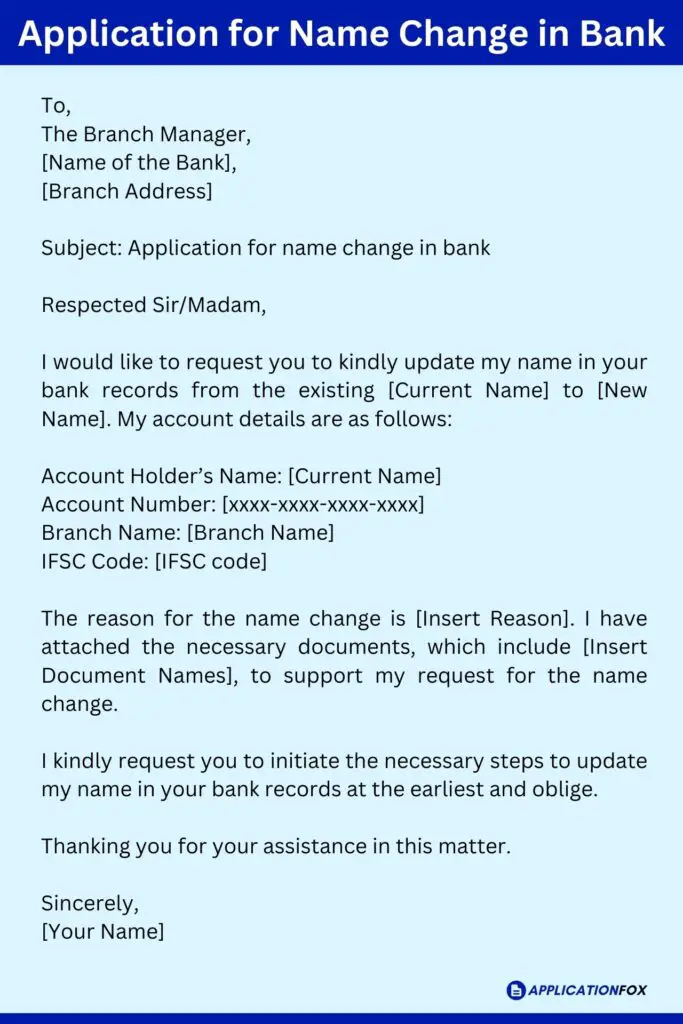
Regardless of the method, you will likely need to complete a “Change of Details” or “Name Change Request” form provided by the bank. Fill this out meticulously, ensuring all information matches your new legal identity.
Verification and Processing Times
After submitting your request, the bank will initiate a verification process. This involves reviewing your submitted documents and updating their internal systems. The processing time can vary significantly:
-
Immediate to a few business days: For in-person visits where documents are verified on the spot.
-
5-10 business days or more: For online or mail submissions, as additional time is needed for document review and internal processing.
During this period, your account will remain active. However, it’s wise to monitor your account statements and online banking to confirm the name change has been successfully applied. Some banks may send a confirmation letter or email once the process is complete. If you don’t hear back within the estimated timeframe, don’t hesitate to follow up with your bank.
Navigating Potential Challenges and Best Practices
Changing your bank account name is not an isolated event; it has ripple effects across your entire financial ecosystem. Proactive management of these subsequent updates is crucial to avoid disruptions to your cash flow, credit, and overall financial health.
Updating Linked Accounts and Subscriptions
Once your bank account name is updated, you must systematically update your new name with every entity linked to that bank account. This is a critical step to prevent payment failures, service interruptions, and administrative headaches.
-
Direct Debits and Standing Orders: These are automatic payments set up from your bank account. Examples include utility bills (electricity, gas, water, internet), rent/mortgage payments, insurance premiums, loan repayments, and subscriptions (gym memberships, streaming services). While the payment usually processes from your account number, a name mismatch can sometimes flag issues, particularly if the service provider uses your name for verification or if a refund needs to be processed. Contact each service provider individually to update your details.
-
Payroll and Benefits: Inform your employer’s HR or payroll department immediately about your name change. This ensures your salary continues to be deposited into your account without issues and that your tax records are consistent. Similarly, if you receive government benefits (e.g., social security, unemployment, child benefits), notify the relevant agencies.
-
Credit Cards and Loan Accounts: Even if issued by a different institution, these accounts often link back to your primary bank account for payments or verification. Contact your credit card issuers and loan providers to update your name on those accounts. This is vital for maintaining a consistent credit profile.
-
Investment Platforms: If you have investment accounts (brokerage, retirement funds, mutual funds), inform these institutions as well. Your identity is paramount in the investment world for compliance and security.
-
Government Services: Beyond benefits, remember to update your name with tax authorities (e.g., IRS in the US, HMRC in the UK) and any other government bodies you interact with financially.
Communicating with Key Stakeholders
Beyond financial institutions, think about anyone who regularly sends you money or with whom you have financial arrangements. This could include family members, clients if you’re self-employed, or landlords. A quick email or phone call to inform them of your name change and confirm that payments will still process smoothly can prevent awkward questions or delays.
Maintaining Financial Continuity and Avoiding Disruptions
To ensure a smooth transition, consider the timing of your name change. Avoid doing it during periods of heavy financial activity (e.g., tax season, major bill due dates). It’s also a good practice to:
-
Keep a small buffer: Ensure you have enough funds in your account to cover any immediate debits, just in case there’s a temporary glitch in the system.
-
Monitor statements: Closely review your bank statements and online banking for a few months after the change to catch any missed updates or issues.
-
Start with essential services: Prioritize updating your name with the most critical services first (e.g., payroll, mortgage, utilities) to minimize the risk of major disruptions.
What if You Have Joint Accounts?
Changing a name on a joint account requires the same documentation for the individual whose name is changing. Both account holders might need to sign new forms or attend the bank together, depending on the bank’s policy. The bank will typically update only the name of the individual who has undergone the change, while the other joint account holder’s name remains unchanged. Ensure clear communication with the co-account holder throughout this process.
After the Name Change: Essential Follow-Up Actions
The successful update of your bank account name is a significant step, but the process doesn’t end there. Several crucial follow-up actions are necessary to consolidate your new identity across all financial touchpoints and ensure long-term accuracy and security.
Verifying the Update on Statements and Online Banking
The first and most immediate follow-up action is to confirm that the name change has been correctly applied to your account. This means checking your:
-
Online Banking Portal: Log in and navigate to your profile or account details section. Your new legal name should be displayed.
-
Monthly Statements: When your next bank statement arrives (either physically or digitally), review it carefully to ensure your new name appears correctly.
-
Transaction Confirmation: While the name primarily affects your account holder details, monitoring transactions ensures no unexpected issues arise due to the change.
If you notice any discrepancies or if your old name still appears after the communicated processing time, contact your bank immediately to rectify the issue. Keep a record of your communication.
Requesting New Cheque Books and Debit/Credit Cards
Once your name is officially updated on your bank account, you will need new physical payment instruments that reflect this change.
-
New Debit Cards: Your bank should automatically issue a new debit card with your updated name. If it doesn’t arrive within a reasonable timeframe (usually 7-10 business days after the name change is confirmed), contact your bank to request one. Remember to activate your new card and update the card details for any recurring online subscriptions or saved payment methods (e.g., Amazon, Netflix, app stores).
-
New Cheque Books: If you still use cheques, request a new cheque book. Using cheques with your old name can lead to them being rejected or flagged, causing delays and potential fees.
-
Credit Cards (if issued by the same bank): If your credit card is issued by the same bank where you changed your account name, they might automatically update your credit card details and send a new card. If not, you will need to specifically request a new credit card reflecting your updated name. For credit cards issued by different financial institutions, you must contact each issuer separately, as mentioned in the previous section.
Shredding Old Documents and Cards
For security purposes, once you have received and activated all new cards and confirmed that your new name is correctly reflected everywhere, securely destroy any old cards, cheque books, and bank-related documents that bear your previous name. This prevents identity theft and ensures that only current and correct information is in circulation. Use a cross-cut shredder for maximum security. Do not simply throw them in the trash.

Reviewing Your Credit Report
A few months after completing all name changes, it’s a wise financial practice to obtain a copy of your credit report from one of the major credit bureaus (e.g., Experian, Equifax, TransUnion).
-
Check for Consistency: Ensure your new name is reflected correctly across all entries.
-
Identify Discrepancies: Look for any accounts still listed under your old name or any new accounts opened in your old name that you don’t recognize. Inconsistencies can potentially impact your credit score or indicate errors.
-
Dispute Errors: If you find any inaccuracies, follow the credit bureau’s process for disputing errors. This proactive step helps maintain a clean and accurate credit history, which is vital for future loans, mortgages, and other financial endeavors.
By diligently following these follow-up actions, you can ensure that your name change is fully integrated into your financial life, providing peace of mind and preventing future complications. It’s an investment in the accuracy and security of your personal financial identity.
aViewFromTheCave is a participant in the Amazon Services LLC Associates Program, an affiliate advertising program designed to provide a means for sites to earn advertising fees by advertising and linking to Amazon.com. Amazon, the Amazon logo, AmazonSupply, and the AmazonSupply logo are trademarks of Amazon.com, Inc. or its affiliates. As an Amazon Associate we earn affiliate commissions from qualifying purchases.