
The landscape of personal finance has undergone a seismic shift over the last decade. Traditional banking, once defined by brick-and-mortar branches and rigid processing times, has been largely disrupted by the rise of agile, mobile-first financial tools. Among these, Cash App has emerged not merely as a peer-to-peer payment utility, but as a robust financial ecosystem that integrates banking, investing, and commerce into a single interface. For the modern consumer, understanding “how to Cash App” is no longer just about sending five dollars to a friend for coffee; it is about leveraging a sophisticated platform to manage liquidity, build wealth, and navigate the digital economy.

The Fundamentals of Mobile Money Management
To effectively utilize Cash App within a broader financial strategy, one must first understand its core architecture. Unlike traditional checking accounts, Cash App functions as a digital wallet that can bridge the gap between your legacy bank and the immediate digital marketplace.
Setting Up Your Financial Foundation
The initial setup of a Cash App account requires more than just a phone number. To unlock the full suite of financial tools, users must undergo a verification process that aligns with “Know Your Customer” (KYC) regulations. This involves providing legal identification and linking a primary funding source. From a strategic standpoint, the choice of a linked debit card versus a credit card is significant. While debit cards allow for seamless transfers into the Cash App balance, credit cards often incur a 3% transaction fee, making them a less efficient choice for standard P2P transfers.
Navigating the $Cashtag and Identity
The $Cashtag is the cornerstone of the platform’s identity system. In the realm of personal branding and professional side hustles, a $Cashtag serves as a unique identifier that simplifies the invoicing and payment process. Choosing a clear, professional $Cashtag is essential for those using the platform for business or freelance purposes, as it minimizes human error during the transmission of funds.
Security Protocols and Asset Protection
In a digital-first financial environment, security is the highest priority. Cash App provides several layers of protection, including Security Locks (requiring a passcode or biometric data for every transaction) and notification alerts for all account activity. For high-volume users, enabling these features is not optional—it is a critical component of digital asset protection. Furthermore, understanding the difference between the Cash App balance and a traditional FDIC-insured bank account is vital. While Cash App provides banking services through partner banks, users should be aware of the specific terms governing their stored balance.
Strategic Financial Transfers and Liquidity
Cash App’s primary value proposition remains its ability to move money with zero friction. However, the sophisticated user looks beyond the basic “send” button to understand how these transfers affect their overall liquidity and cash flow.
P2P Payments and Social Finance
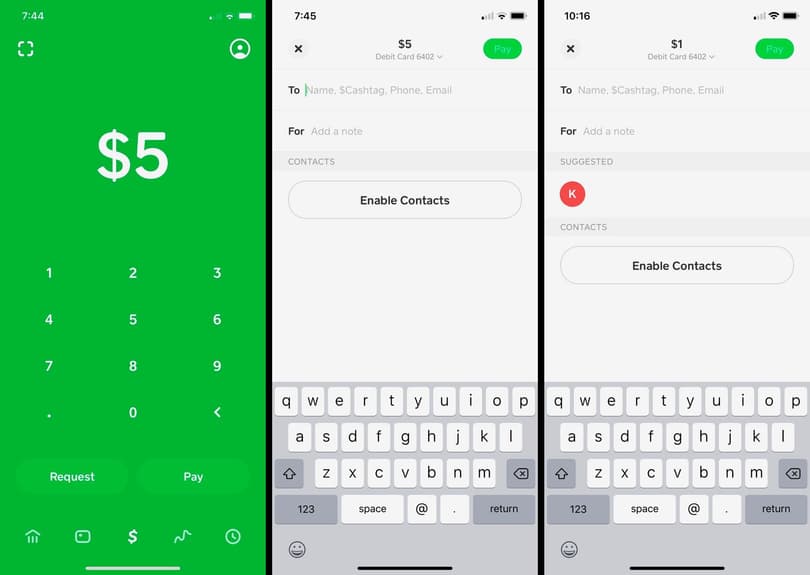
Peer-to-peer (P2P) payments have revolutionized the way we handle shared expenses. Whether splitting a mortgage payment, utility bills, or business expenses, Cash App allows for real-time settlement. This eliminates the “IOU” culture that can complicate personal relationships and professional partnerships. By utilizing the “Request” feature, users can maintain a clear digital paper trail of accounts receivable, which is essential for personal budgeting and tax preparation.
The Cash Card: Bridging Digital and Physical Spending
The Cash Card—a customizable Visa debit card linked directly to the Cash App balance—is a powerful tool for managing daily expenditures. By using the Cash Card, users can bypass the step of transferring funds to a traditional bank before spending. This creates a closed-loop system where income (such as a side-hustle payment) can be immediately reallocated toward expenses or investments.
Direct Deposit and Early Fund Access
One of the most impactful features for personal finance management is the ability to use Cash App for direct deposits. Many users find that they can receive their paychecks up to two days earlier than they would with traditional banks. This increased velocity of money can be a game-changer for those managing tight monthly budgets or those looking to move capital into investment vehicles as quickly as possible.
Wealth Building: Investing Through the App
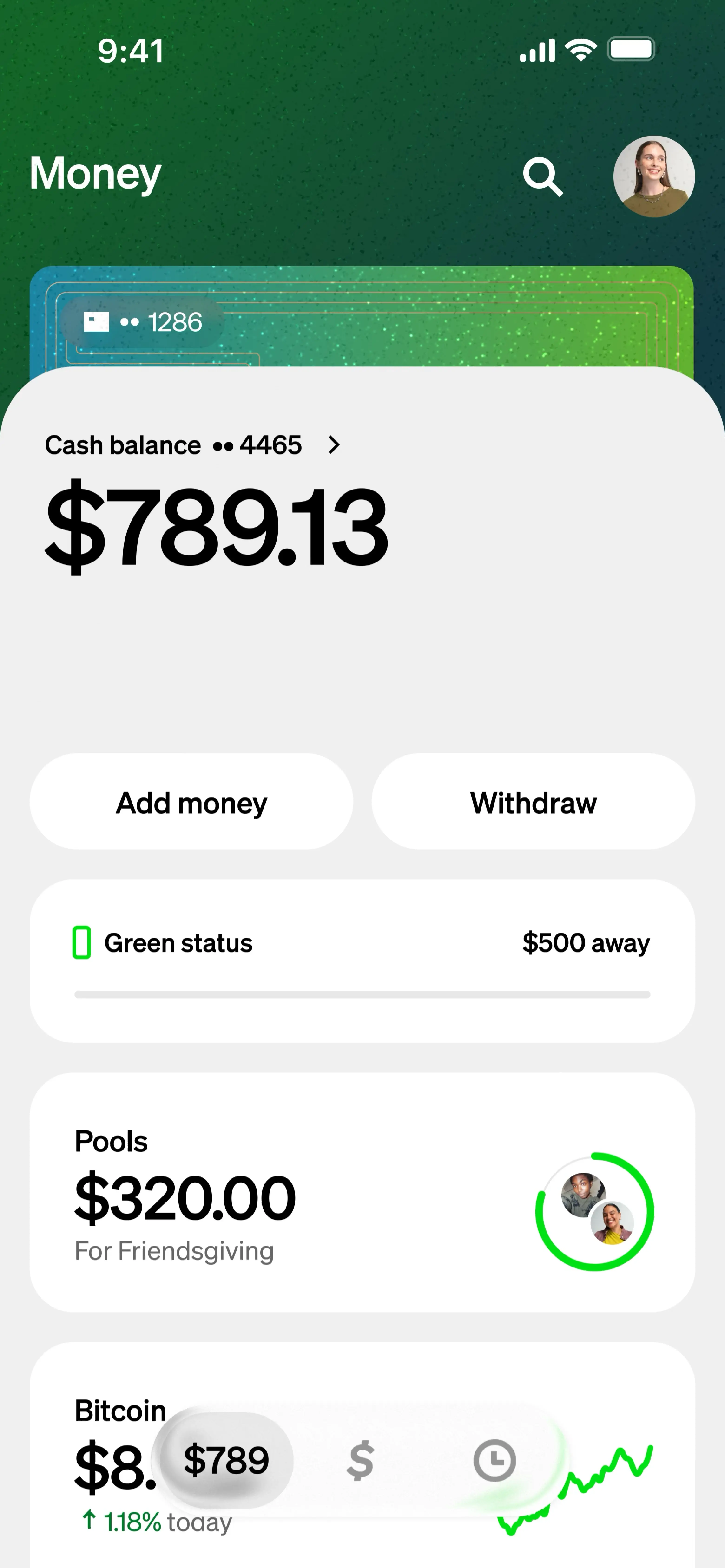
Perhaps the most significant evolution of Cash App is its transformation into an accessible investment platform. By lowering the barriers to entry, it allows users to engage in wealth-building activities that were once reserved for those with significant capital.
Fractional Stock Trading
Cash App has democratized the stock market through fractional share trading. This allows users to purchase a portion of a high-priced stock for as little as $1. For the strategic investor, this facilitates a “Dollar Cost Averaging” (DCA) strategy, where small amounts are invested at regular intervals regardless of the stock price. This approach reduces the impact of volatility and makes it possible to build a diversified portfolio of blue-chip companies without needing thousands of dollars in upfront capital.
Cryptocurrency and Bitcoin Integration
Cash App has positioned itself as one of the most user-friendly gateways into the world of Bitcoin. Users can buy, sell, and even withdraw Bitcoin to external cold-storage wallets. From a personal finance perspective, Bitcoin is often viewed as a high-risk/high-reward asset class or a digital hedge against inflation. Cash App simplifies this by allowing users to set up recurring purchases, automating the accumulation of Bitcoin over time. Furthermore, the “Paid in Bitcoin” feature allows users to automatically convert a percentage of their direct deposit into BTC, seamlessly integrating crypto-assets into their long-term financial plan.
Automated Savings and Round-Ups
Building a “rainy day” fund is a cornerstone of financial health. Cash App facilitates this through “Round-Ups,” a feature that rounds up every Cash Card purchase to the nearest dollar and invests the difference into a selected stock or Bitcoin. This form of “passive saving” is psychologically easier for many users, as it builds an investment portfolio through micro-transactions that are barely noticeable in daily spending.
Business and Professional Utility
For entrepreneurs, freelancers, and small business owners, Cash App offers a “Business Account” designation that provides specific advantages for professional financial management.
Cash App for Business: Streamlining Revenue
Switching to a business account allows users to accept unlimited payments for goods and services. While there is a standard transaction fee (typically 2.75%), the ease of use and the ubiquity of the app make it a preferred payment method for many customers. It provides a professional interface for clients and generates the necessary documentation for business accounting.
Tax Reporting and Compliance
With the evolving landscape of IRS regulations, particularly regarding Form 1099-K, Cash App has integrated robust reporting tools. Business users can easily access their transaction history to calculate gross income and deductible expenses. Utilizing the “Cash App Taxes” feature (formerly Credit Karma Tax) allows users to file their federal and state taxes for free, creating a truly end-to-end financial experience from income generation to tax compliance.
Managing Business Liquidity
The “Instant Deposit” feature is particularly valuable for small businesses that require immediate access to their revenue to restock inventory or pay contractors. While there is a small fee for instant transfers to a linked debit card, the ability to manage cash flow in real-time can be the difference between growth and stagnation for a small enterprise.
Optimizing the Cash App Experience
To truly master the platform, one must look for ways to maximize the value of every dollar that flows through the app. This involves a combination of smart spending and active management.
Maximize Rewards with Cash Boosts
Cash Boosts are essentially high-yield instant discount offers attached to the Cash Card. By selecting a specific “Boost” (such as 10% off a grocery run or $1 off a coffee shop visit), users can realize immediate savings on necessary expenditures. When used strategically, these boosts can save a household hundreds of dollars annually, which can then be redirected into the app’s investment features.
The Role of the Digital Wallet in a Diversified Strategy
While Cash App is an incredibly powerful tool, it should be viewed as one component of a diversified financial strategy. It excels at liquidity, P2P transfers, and micro-investing. However, for long-term retirement planning (like 401ks or IRAs) or high-yield savings, it should be used in conjunction with other specialized financial institutions. The goal is to use Cash App as the “operational hub” of your daily finances—the place where money is received, spent, and initially invested—while maintaining a broader architecture for long-term wealth preservation.
By understanding the interplay between its various features—from the Cash Card and direct deposits to Bitcoin and fractional shares—users can transform a simple payment app into a comprehensive command center for their financial life. In the modern era, knowing “how to Cash App” is synonymous with knowing how to manage money in a fast-paced, digital world.
aViewFromTheCave is a participant in the Amazon Services LLC Associates Program, an affiliate advertising program designed to provide a means for sites to earn advertising fees by advertising and linking to Amazon.com. Amazon, the Amazon logo, AmazonSupply, and the AmazonSupply logo are trademarks of Amazon.com, Inc. or its affiliates. As an Amazon Associate we earn affiliate commissions from qualifying purchases.