
The evolution of media consumption has transitioned from physical ownership to a perpetual state of “Subscription as a Service” (SaaS). SiriusXM, once a hardware-centric satellite radio provider, has pivoted into a complex digital ecosystem, integrating seamlessly into automotive infotainment systems and mobile applications. However, as users look to streamline their digital footprint, they often encounter a significant technical hurdle: the cancellation process. In the realm of user experience (UX) design, the “cancel” flow is often where the most sophisticated—and sometimes controversial—software engineering takes place.
This guide explores the technical methodologies for canceling SiriusXM, deconstructs the digital interfaces designed to retain subscribers, and offers insights into the broader technological landscape of subscription management.
1. Navigating the Digital Infrastructure of the SiriusXM Account Center
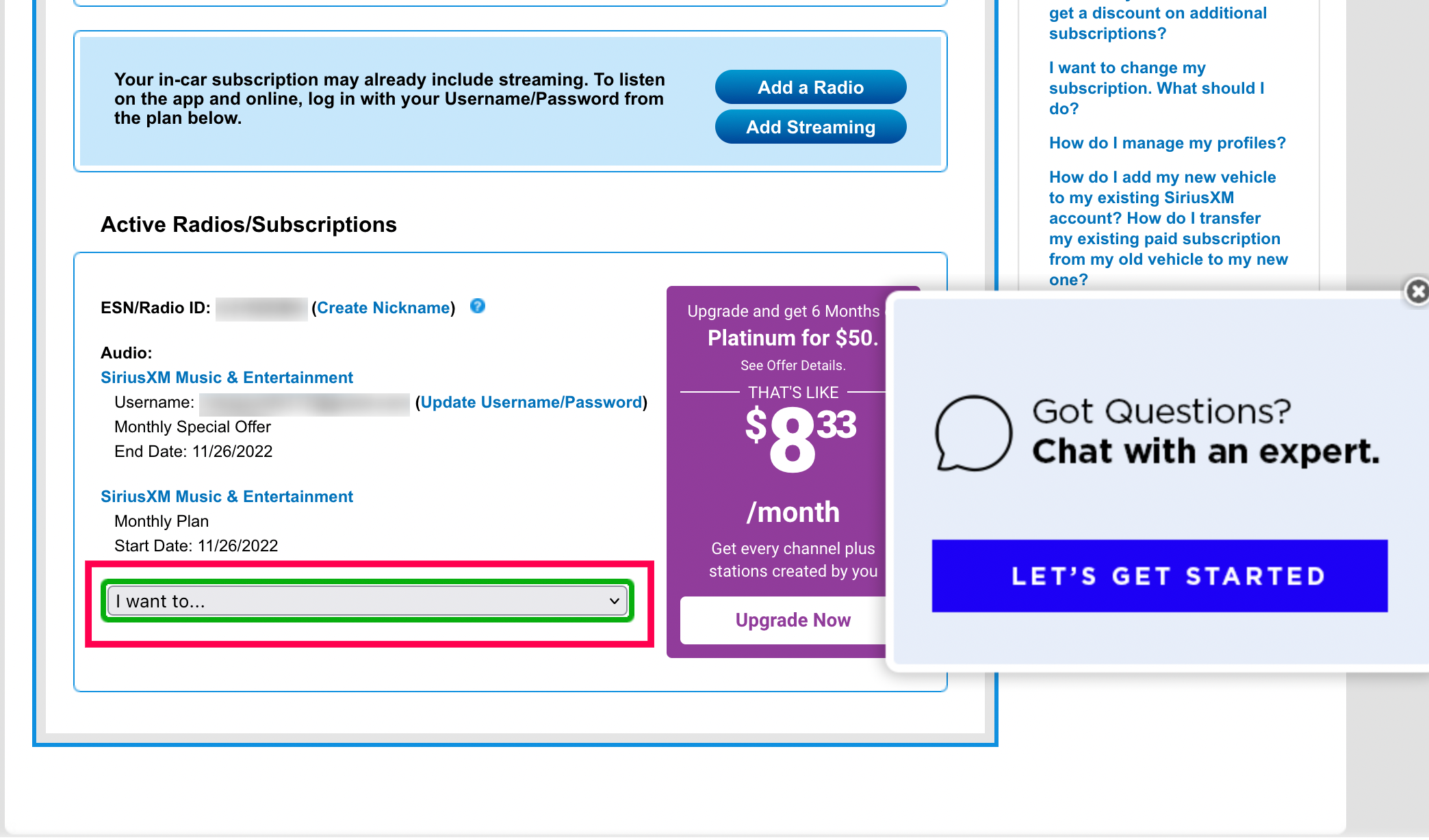
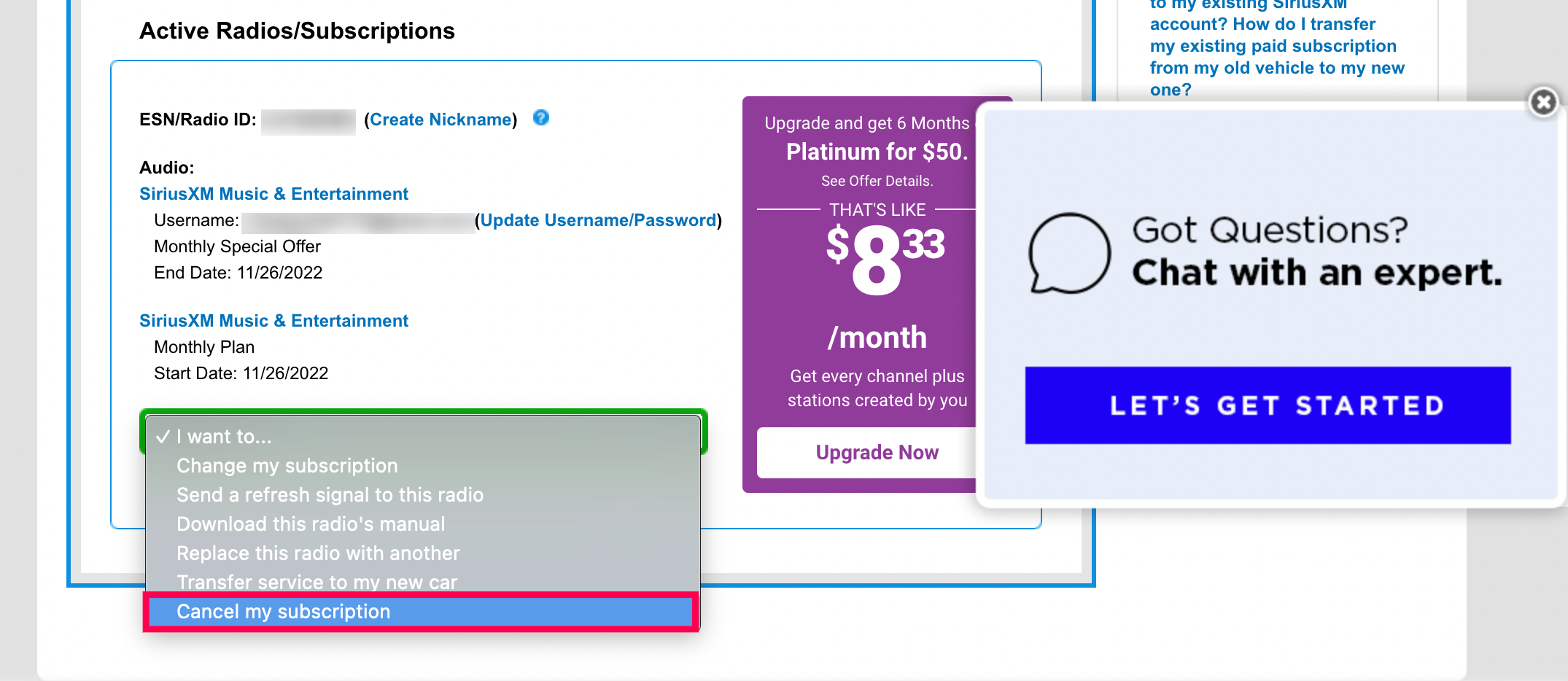
To initiate a cancellation, a user must first interface with the SiriusXM Online Account Center. This portal is the primary gateway for managing the digital handshake between the user’s hardware (the satellite radio ID) and the billing software. Understanding the technical hierarchy of this interface is crucial for a successful termination of service.
The Digital Dashboard and Radio ID Integration
Every SiriusXM subscription is anchored to a unique Electronic Serial Number (ESN) or Radio ID. When you log into the web portal, the backend database queries your account to link these identifiers with your active subscription package. For the tech-savvy user, finding the “Manage” section is the first step. This involves navigating through a series of nested menus that are often optimized for mobile responsiveness but can occasionally obfuscate the direct path to account closure.
Automated Retention Bots vs. Live Chat Protocols
SiriusXM has increasingly moved toward utilizing AI-driven chatbots to handle initial cancellation queries. These bots are programmed with natural language processing (NLP) to identify keywords like “cancel,” “too expensive,” or “not using.” Depending on the logic triggers, the bot may attempt to offer automated “save” deals—dynamic pricing adjustments generated by an algorithm designed to minimize churn. Understanding that this is an automated decision-tree allows users to stay focused on the “Cancel” command rather than getting lost in the bot’s promotional loops.
The “Click to Cancel” Regulatory Framework
Technologically, the “Cancel” button’s visibility is often a reflection of regional digital laws. In certain jurisdictions, software providers are legally required to offer a digital cancellation path that is as simple as the sign-up path. If you are accessing the portal from a region with strict consumer tech laws (like California), the UI may present a more direct “Cancel Subscription” button in the account settings. In other regions, the system may redirect you to a live chat or a phone interface, a technical tactic known as “adding friction” to the user journey.
2. Deconstructing Dark Patterns in Subscription UX Design
In the field of Human-Computer Interaction (HCI), “Dark Patterns” refer to user interfaces designed to trick users into doing things they did not intend to do, or making it difficult to perform certain actions—like canceling a recurring payment. SiriusXM’s cancellation flow is a case study in high-friction UX.
The Roach Motel Pattern
The “Roach Motel” is a common dark pattern where it is very easy to get into a situation (signing up for a $5/month trial) but very difficult to get out of it. From a technical perspective, this is achieved by making the “Sign Up” button a primary call-to-action (CTA) with high contrast, while the “Cancel” button is often buried three to four layers deep within a sub-menu, sometimes styled in low-contrast grey text to evade quick visual scanning.
Friction as a Feature
Software developers often use friction—deliberate hurdles in the workflow—to slow down the user’s decision-making process. In the context of SiriusXM, this friction manifests as mandatory surveys, multiple “Are you sure?” confirmation modals, and the requirement to speak with a “Retention Specialist.” This is not a technical limitation; it is a programmed strategy. Each step in the cancellation flow is a data-collection point where the system evaluates the user’s likelihood of staying based on their interaction speed and response to specific prompts.
The Psychology of the “Return to Live” Loop
If you attempt to cancel through an app or a browser, you may notice the interface frequently re-directs you to a “Live Chat” window. This transition from a self-service digital interface to a human-mediated one is a deliberate “off-ramp.” By forcing the user out of the automated environment and into a synchronous communication channel, the software leverages social pressure and human negotiation to prevent the technical termination of the billing cycle.
3. Technical Workarounds and Subscription Management Tools
For users who find the native SiriusXM interface too cumbersome or “sticky,” several third-party technological solutions exist to manage or terminate subscriptions with greater efficiency.
Virtual Credit Cards and API-Based Management
One of the most effective ways to manage digital subscriptions like SiriusXM is through the use of virtual credit card services (e.g., Privacy.com). These platforms allow users to generate a unique, software-defined credit card for a specific merchant.
- The Kill Switch: Users can set a “spend limit” or “pause” the card via an app.
- Technical Advantage: When SiriusXM’s billing software attempts to ping the card for the next month’s payment, the transaction is declined at the API level by the virtual card provider. This effectively “hard cancels” the service by cutting off the financial pipeline, though it is still recommended to follow the official cancellation path to avoid “zombie” balances or credit reporting issues.
Subscription Aggregators and “Unsubscribe” Apps
There is an emerging category of fintech apps (such as Rocket Money or BillShark) that use Plaid or similar banking APIs to scan a user’s transaction history for recurring charges. These apps often feature a “Cancel for Me” button. When triggered, the app’s backend service—sometimes using RPA (Robotic Process Automation) or a dedicated concierge team—navigates the SiriusXM cancellation hurdles on the user’s behalf. This abstracts the friction away from the user, delegating the technical navigation of the “Roach Motel” to an automated agent.
Leveraging Browser Extensions and Inspect Element
For the more technically inclined, browser developer tools can occasionally help bypass certain UI hurdles. If a “Cancel” button is hidden behind a transparent overlay or a non-functional script, inspecting the CSS and manually triggering the underlying function via the console is a “white hat” way to navigate a poorly designed (or intentionally obstructive) portal. However, most modern SaaS platforms have moved the critical cancellation logic to the server-side, meaning a client-side visual tweak won’t be enough to terminate the contract.
4. Digital Security and Data Privacy Post-Cancellation
Once the subscription is successfully terminated, the technical process is not entirely over. There is a “digital tail” that remains—data that SiriusXM continues to hold regarding your listening habits, location, and hardware.
Revoking App Permissions and API Access
If you utilized the SiriusXM app on your smartphone or through an integration like Apple CarPlay or Android Auto, the app may still have permissions to access your data.
- System-Level Revocation: Go into your mobile OS settings and revoke location and microphone access for the app.
- Cache Clearing: Clear the app’s cache and data before uninstalling. This ensures that any stored authentication tokens or local tracking cookies are purged from the device’s sandbox.
- Third-Party Integrations: If you linked SiriusXM to an Alexa or Google Home device, you must manually go into the “Skills” or “Services” section of those smart home apps to unlink the account. This severs the API connection between your smart home ecosystem and the SiriusXM servers.
Managing Residual Marketing Pixels and Cookies
SiriusXM, like many digital platforms, utilizes “retargeting pixels” (such as those from Meta or Google). Even after you cancel, these cookies may remain in your browser, signaling to ad networks that you are a former customer who should be targeted with “We Want You Back” offers. Using a privacy-focused browser or an extension like uBlock Origin can help block these trackers. Furthermore, users can exercise their rights under the GDPR or CCPA to request that the company delete their personal data entirely from their marketing databases.
The Persistence of Satellite Hardware
A unique technical aspect of SiriusXM is that the hardware (the radio in your car) remains a passive receiver. Periodically, the company sends out “refresh signals” via satellite. During “Free Listening” periods, the company may remotely re-activate your hardware ID via an over-the-air (OTA) command. While this doesn’t cost the user anything, it highlights the persistent digital link between the satellite network and your physical vehicle, a link that remains active at the hardware level regardless of your software subscription status.

5. Conclusion: The Future of Subscription Sovereignty
As we move deeper into a software-defined world, the ability to cancel a service will become as important as the ability to sign up. The “how to cancel” struggle with SiriusXM is a microcosm of a larger tech trend where companies utilize complex UI/UX and backend logic to protect their Monthly Recurring Revenue (MRR).
By understanding the technical architecture of these platforms—from the API integrations and virtual cards to the dark patterns in UX design—users can reclaim their “subscription sovereignty.” In the future, we may see more robust “Click to Cancel” laws and automated tools that level the playing field, making the digital exit as seamless as the digital entry. For now, navigating the SiriusXM cancellation process requires a blend of technical literacy, persistence, and the right digital tools to break through the retention shield.
aViewFromTheCave is a participant in the Amazon Services LLC Associates Program, an affiliate advertising program designed to provide a means for sites to earn advertising fees by advertising and linking to Amazon.com. Amazon, the Amazon logo, AmazonSupply, and the AmazonSupply logo are trademarks of Amazon.com, Inc. or its affiliates. As an Amazon Associate we earn affiliate commissions from qualifying purchases.