
The modern financial landscape has shifted dramatically from a model of ownership to a model of access. Today, we don’t just buy software, entertainment, or even physical goods; we subscribe to them. While the “subscription economy” offers unparalleled convenience, it has also introduced a new financial challenge: “subscription creep.” This phenomenon occurs when small, recurring monthly charges accumulate unnoticed, slowly eroding your disposable income.
PayPal has long been at the center of this ecosystem, serving as the primary intermediary for millions of global transactions. Because of its ease of use, many consumers use PayPal as a central hub for their recurring payments. However, the very “set it and forget it” nature that makes PayPal convenient can also make it a graveyard for forgotten expenses. Understanding how to navigate the PayPal interface to audit and cancel these subscriptions is not just a technical skill—it is a vital component of proactive personal finance management.
The Financial Impact of the Subscription Economy
To manage your money effectively, you must first understand the psychological and economic forces at play within subscription models. Companies favor recurring billing because it provides “predictable revenue,” but for the consumer, it often leads to “passive spending.” When a payment is automated, the “pain of paying”—the psychological sting we feel when handing over cash—is significantly diminished.
The Rise of Subscription Creep
Subscription creep is the silent killer of the modern budget. A $10 streaming service here and a $15 cloud storage plan there may seem negligible in isolation. However, the average consumer now spends hundreds of dollars a month across various platforms, often for services they no longer use. By the time you realize a service is unnecessary, you may have already paid for months of inactivity. Managing these through a single gateway like PayPal allows you to see the aggregate impact of these choices on your monthly cash flow.
Why PayPal is the Hub of Your Recurring Costs
PayPal acts as a “digital wallet” that adds a layer of abstraction between your bank account and the merchant. While this provides security, it can also obscure where your money is going. Many users find that while they can see a charge on their bank statement, the specific details of the subscription are buried within their PayPal Merchant Agreements. Identifying PayPal as the primary source of these outflows is the first step in reclaiming your financial sovereignty.
Auditing Your Outflows: Step-by-Step Subscription Management
A financial audit is only effective if it is thorough. To stop the bleed of unnecessary expenses, you must know exactly where to look within the PayPal architecture. PayPal categorizes these recurring charges as “Automatic Payments” or “Merchant Agreements.” Unlike a standard one-time transaction, these are pre-approved authorizations that allow a merchant to pull funds from your account at set intervals.
Locating Hidden Payments in Your PayPal Dashboard
Finding the subscription management section can be counter-intuitive, as it is often tucked away within security or payment settings rather than being front-and-center. To begin your audit:
- Log in to your PayPal account via a web browser.
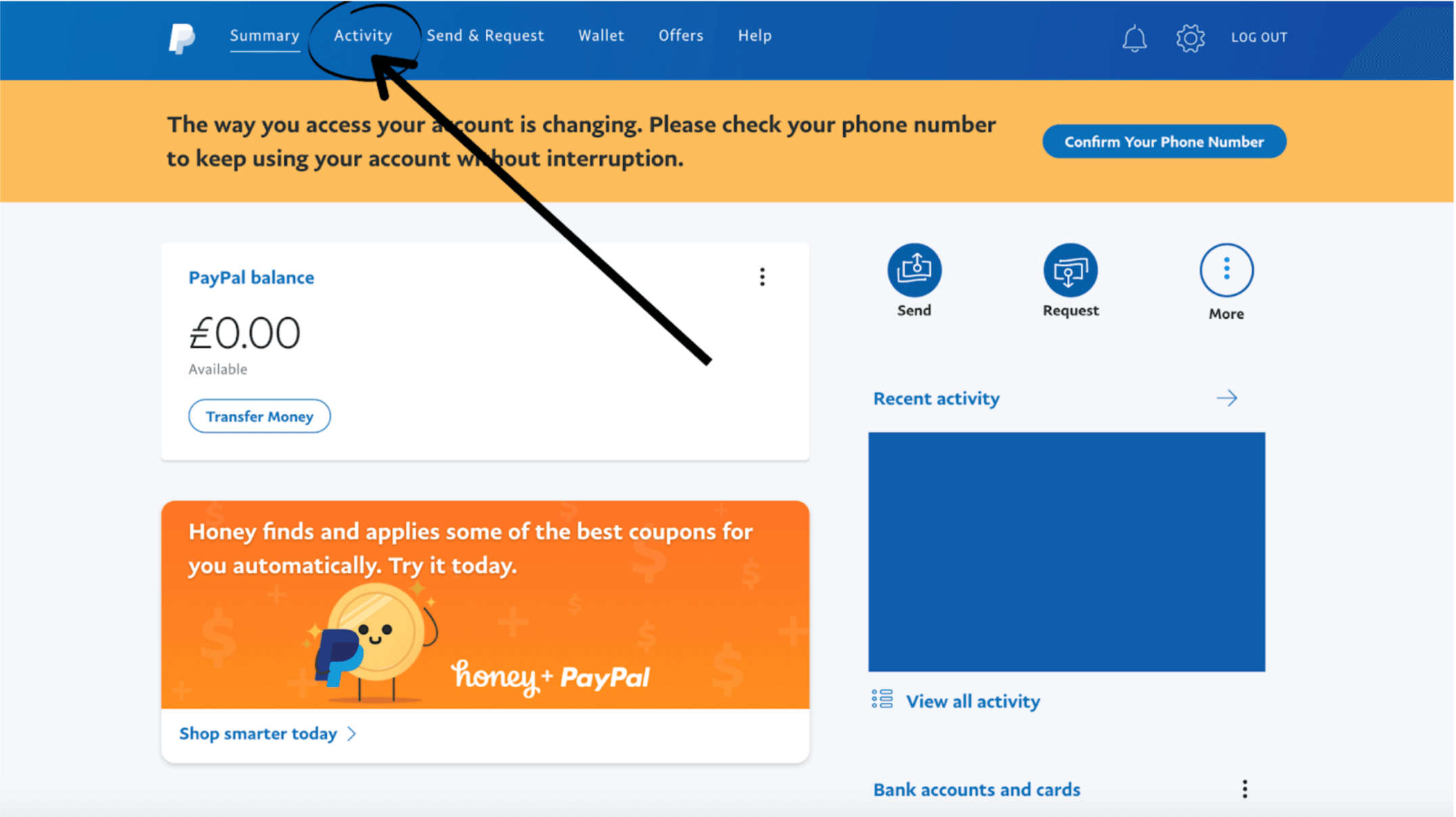
- Click on the Settings (gear icon) in the top right corner.
- Select the Payments tab from the sub-menu.
- Click on Manage Automatic Payments.
Once you arrive at this dashboard, you will see a list of “Active” and “Inactive” merchants. The “Active” list is your primary target. This list displays every entity currently authorized to withdraw money from your PayPal balance or linked bank account without further intervention from you.
The Technical Walkthrough: Desktop vs. Mobile App
While the PayPal mobile app is convenient for checking balances, the desktop interface remains the most robust tool for deep financial management.
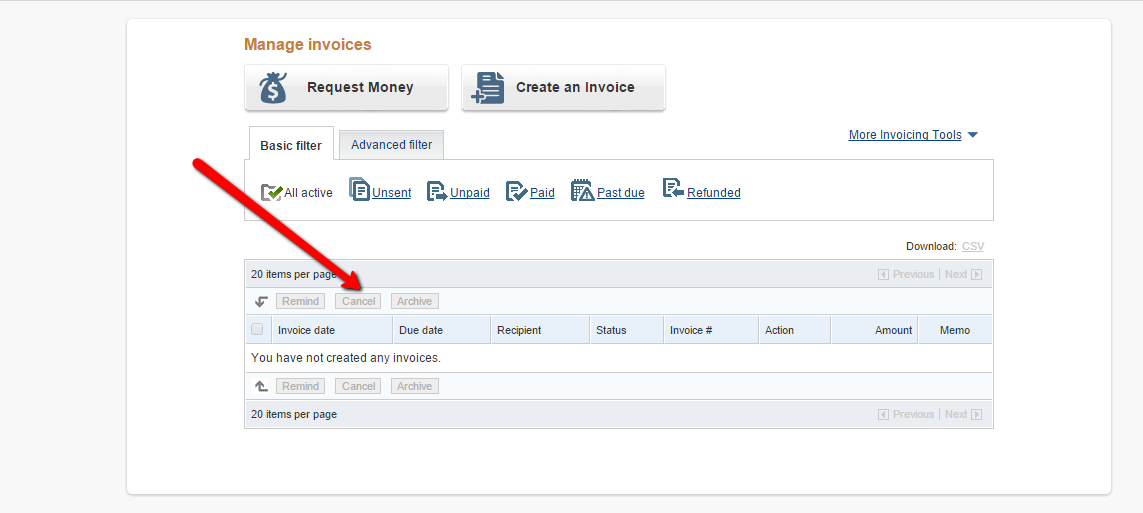
- On Desktop: The interface provides a detailed history of every payment made to a specific merchant, allowing you to see exactly how much you have spent over the lifetime of the subscription. To cancel, simply select the merchant on the left-hand sidebar and click the “Cancel” button next to the status.
- On the Mobile App: Tap “Wallet” at the bottom right, scroll down to “Automatic Payments,” and select the individual subscription to find the “Remove PayPal as your payment method” option.

Crucially, canceling the payment agreement in PayPal is often more effective than trying to navigate a merchant’s confusing “cancellation funnel.” By revoking the authorization at the source, you ensure that no further funds can be withdrawn, regardless of the merchant’s internal processing delays.
Strategic Financial Management: When to Cancel and When to Keep
Effective money management is not just about cutting costs; it’s about optimizing value. As you review your list of active PayPal subscriptions, you should apply a rigorous “Return on Investment” (ROI) framework to each line item.
Evaluating ROI on Digital Services
Ask yourself: How often did I use this service in the last 30 days? and Does the utility provided justify the hours of labor required to earn the subscription fee?
For example, a $15/month subscription requires about $180 of after-tax income per year. If you are not utilizing the service at least once a week, that capital could be better served in a high-yield savings account or an index fund. Categorize your subscriptions into “Essential” (work tools, security), “Value-Add” (frequently used entertainment), and “Waste” (unused gym memberships, forgotten newsletters, duplicate streaming services).
The “Grace Period” Strategy for Trial Cancellations
Many “free trials” require PayPal information upfront, banking on the fact that you will forget to cancel before the billing cycle begins. A professional financial strategy is to cancel the automatic payment in PayPal immediately after signing up for the trial. In most cases, the merchant will allow you to finish the trial period even if the future payment authorization is revoked. This protects your cash flow from “accidental” renewals while allowing you to test the service’s value.
Enhancing Security and Cash Flow Consistency
Managing PayPal subscriptions is also a matter of risk management. Every active merchant agreement is a potential point of failure. If a merchant’s database is compromised, or if they experience a billing error, an active agreement could lead to unauthorized or duplicate withdrawals.
Avoiding Accidental Overdrafts and Late Fees
One of the greatest risks of automated subscriptions is the timing of the withdrawal. If several subscriptions hit your account on the same day—especially right before payday—you risk triggering overdraft fees from your bank. By auditing your PayPal agreements, you can see the “Next Payment Date.” This allows you to stagger your subscriptions or ensure that your PayPal “Preferred Payment Method” is linked to a credit card (for protection) or a well-funded checking account to maintain liquidity.
The Role of Merchant Agreements in Financial Security
By periodically clearing out “Inactive” or old merchant agreements, you reduce your “digital financial footprint.” If you no longer shop at a specific online retailer, there is no reason for them to have a standing authorization to your PayPal account. Treating your PayPal “Automatic Payments” list like a high-security clearance list ensures that only trusted, currently-used entities have access to your capital.
Future-Proofing Your Personal Finances
The final stage of managing PayPal subscriptions is moving from a reactive stance to a proactive one. Instead of waiting for a “low balance” alert to check your subscriptions, integrate a PayPal audit into your monthly or quarterly financial review.
Using PayPal Tools for Better Budgeting
PayPal provides downloadable transaction reports that can be imported into budgeting software or spreadsheets. By filtering for “Recurring Payments,” you can visualize your subscription spending as a percentage of your total expenses. If your subscriptions exceed 5-10% of your take-home pay, it is likely time for a significant “trimming of the fat.”
Transitioning to a Conscious Spending Model
The goal of mastering PayPal’s subscription interface is to move toward “conscious spending”—the practice of ensuring every dollar spent aligns with your personal values and financial goals. When you take the five minutes required to cancel a $10/month service you don’t use, you aren’t just saving ten dollars; you are reclaiming the discipline required to build long-term wealth. In the world of personal finance, the small, automated leaks are often what sink the ship. By plugging those leaks in PayPal, you ensure your financial vessel stays buoyant and headed toward your long-term objectives.
aViewFromTheCave is a participant in the Amazon Services LLC Associates Program, an affiliate advertising program designed to provide a means for sites to earn advertising fees by advertising and linking to Amazon.com. Amazon, the Amazon logo, AmazonSupply, and the AmazonSupply logo are trademarks of Amazon.com, Inc. or its affiliates. As an Amazon Associate we earn affiliate commissions from qualifying purchases.