
Deciding to close a bank account, especially one with a major institution like Chase, can stem from various personal finance strategies or evolving financial needs. Whether you’re consolidating accounts, seeking better banking features elsewhere, or simply streamlining your financial life, understanding the precise steps to ensure a smooth and secure closure is paramount. This guide provides a professional, insightful, and engaging overview of how to meticulously navigate the process of canceling your Chase bank account, ensuring no loose ends and a seamless transition to your next financial chapter.
Understanding Your Reasons and Preparing for the Closure
Before initiating the closure of any financial account, it’s beneficial to reflect on your motivations and undertake critical preparatory steps. A well-prepared approach minimizes potential issues and safeguards your financial well-being.

Common Motivations for Account Closure
People choose to close bank accounts for a multitude of reasons, each influencing their approach and urgency:
- Seeking Better Terms: This could include lower fees, higher interest rates on savings, or more robust rewards programs with another bank.
- Relocation: Moving to an area where Chase has limited physical presence, or where a local bank offers more convenient services.
- Consolidation: Simplifying financial management by reducing the number of active accounts, often to avoid minimum balance requirements or recurring fees.
- Dissatisfaction with Services: Experiencing poor customer service, persistent technical issues, or unaddressed grievances.
- Life Changes: Events such as marriage, divorce, or managing an estate might necessitate account changes or closures.
- Estate Management: As an executor, closing accounts of a deceased family member is a common responsibility.
Understanding your “why” can help validate your decision and maintain focus throughout the process.
Pre-Closure Checklist: Essential Preparations
The most critical phase of closing a bank account happens before you even contact Chase. Skipping these steps can lead to significant headaches, missed payments, or unexpected fees.
Safeguarding Funds and Transactions
The primary concern is ensuring all funds are accounted for and no outstanding transactions remain.
- Transfer All Funds Out: This is the absolute first step. You’ll need to move your money to another bank account. Consider using an electronic transfer (ACH), wire transfer, or simply withdrawing the cash, depending on the amount and your urgency. Ensure the receiving account is fully functional and ready to accept the funds.
- Check for Pending Transactions: Verify that all checks you’ve written have cleared and all debit card transactions have posted. It’s advisable to stop using the account for a week or two before closure to allow all activity to settle. Closing an account with pending transactions can lead to complications, including bounced payments and associated fees.
- Maintain a Small Balance (Temporarily): While you want to move most funds out, leaving a very small balance (e.g., $5-$10) can sometimes help keep the account open long enough for final direct debits or service charges to clear without overdrawing, and then you can collect the remainder. However, Chase usually requires a zero balance to close, so this is a temporary strategy for settling unknowns. The best approach is to ensure all debits are moved before you drain the account.
Updating Recurring Payments and Deposits
This is arguably the most overlooked and problematic area when closing a bank account.
- Change Direct Deposits: All sources of incoming funds – payroll, government benefits, investment dividends – must be updated to your new bank account. Contact your employer’s HR department, benefit providers (e.g., Social Security Administration), or investment firms well in advance.
- Update Automatic Withdrawals/Bill Payments: Every service that automatically debits your Chase account needs to be updated. This includes utilities, mortgage/rent payments, loan payments, subscriptions (Netflix, gym memberships, software), insurance premiums, and any other automated bill pay setup directly with the vendor or through Chase’s bill pay service. Failing to do so will result in missed payments, late fees, and potential damage to your credit score. Create a comprehensive list of all such recurring transactions to ensure nothing is missed.
Archiving Financial Records
For future reference, tax purposes, or dispute resolution, having access to past statements is crucial.
- Download and Save Statements: Log into your Chase online banking portal and download at least the last 12-24 months of statements. Consider saving them as PDFs to a secure, backed-up location. Some banks may charge for paper statements requested after closure.
- Record Account Details: Note down your account number, routing number, and the date of closure. This information can be useful if you need to reference the account later.
Navigating the Chase Account Closure Process
Once your preparations are complete and you’re confident all funds are transferred and all recurring transactions updated, you can proceed with officially closing the account with Chase. Chase offers several methods, each with its own nuances.
Step-by-Step Guide: Initiating the Closure
The method you choose may depend on your preference, the type of account, and whether you have any lingering issues to resolve.
Online Closure Limitations
While Chase offers robust online banking, directly closing a checking or savings account completely online is generally not an option. This is a security measure to ensure the account holder’s identity and prevent fraudulent closures. You might be able to initiate a request or find information, but the final step usually requires direct interaction.
Closing via Phone: Direct and Efficient
This is often the most convenient method for many.
- Call Chase Customer Service: Have your account number, personal identification (Social Security number), and any security questions ready. The number can typically be found on the back of your debit card or on the Chase website.
- State Your Intent Clearly: Inform the representative that you wish to close your specific checking or savings account.
- Address Any Remaining Balance: The representative will likely confirm that the balance is zero or guide you on how to transfer any residual funds out.
- Request Confirmation: Ask for a confirmation number or for a written confirmation of closure to be mailed or emailed to you. This is vital documentation.
In-Person at a Chase Branch: Personalized Assistance
For those who prefer face-to-face interaction or have complex situations, visiting a branch is ideal.
- Bring Required Identification: You will need a valid government-issued ID (driver’s license, passport) and your Chase debit card or account number.
- Speak with a Banker: A personal banker can guide you through the process, answer any questions, and ensure all steps are correctly completed.
- Receive Immediate Confirmation: In-branch closure often allows for immediate confirmation and the ability to obtain a printed statement showing a zero balance and the closure. This is often the most secure way to ensure closure is complete.
- Cash Out Remaining Balance: If there’s a small balance remaining, the banker can provide it to you in cash or issue a cashier’s check.
Closing by Mail: For Specific Circumstances
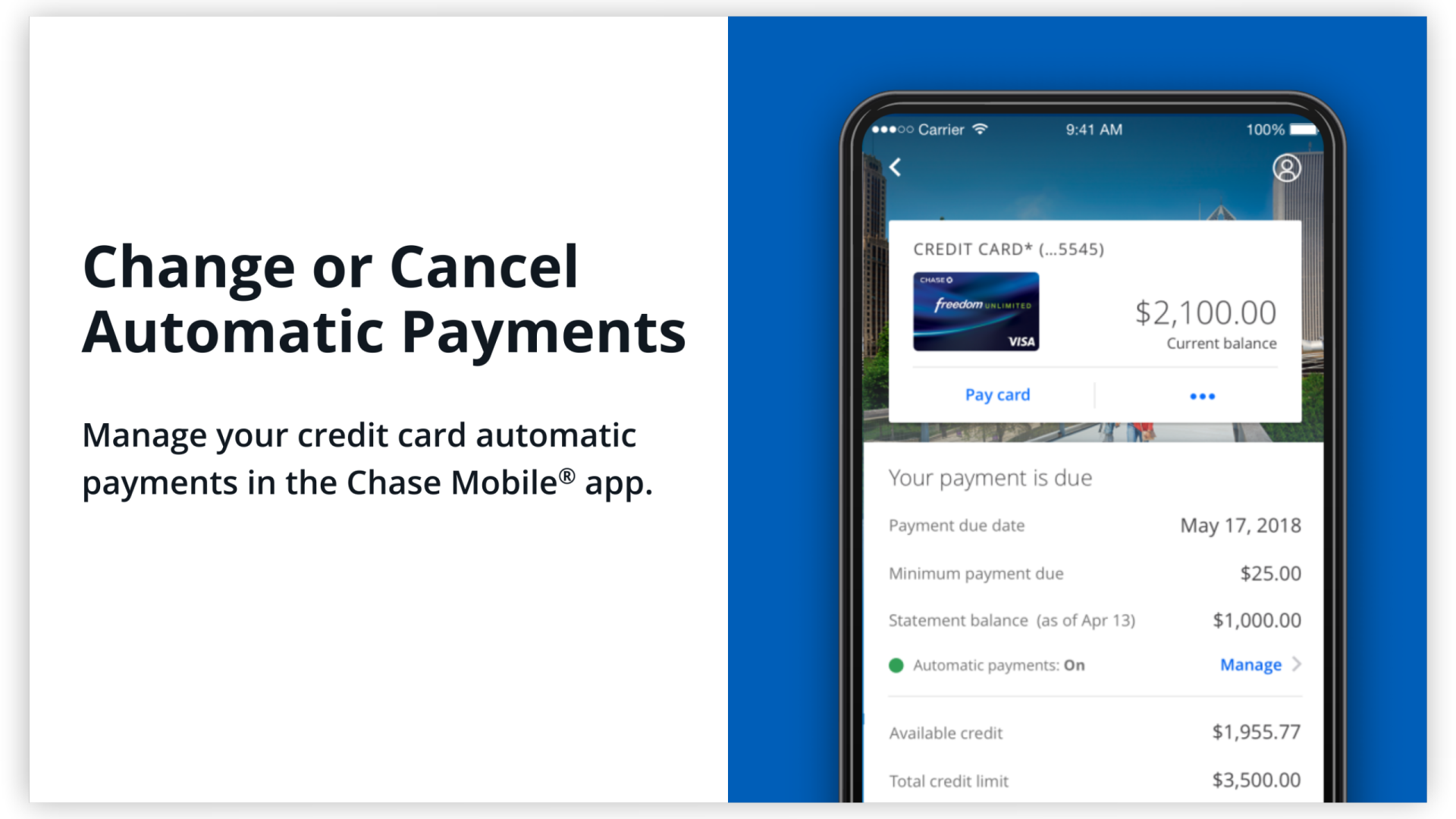
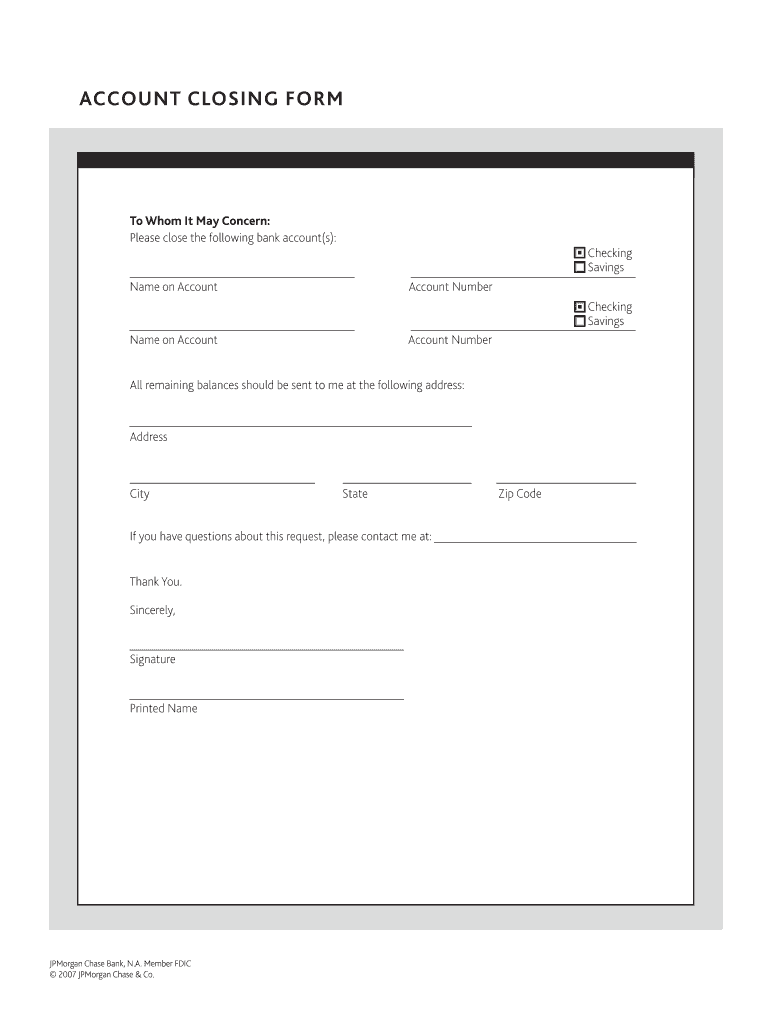
While less common for individual accounts, closing by mail might be an option in certain situations, such as when dealing with an estate or if you are abroad.
- Write a Formal Letter: Include your full name, account number, contact information, and a clear statement requesting the closure of your account.
- Include Supporting Documentation: Attach a copy of your valid ID and any other requested documents.
- Specify Fund Transfer: Clearly state how you want any remaining funds to be disbursed (e.g., transfer to another account, cashier’s check mailed to your address).
- Send by Certified Mail: Always send such sensitive documents via certified mail with a return receipt requested. This provides proof of delivery. This method is generally slower and carries more risk, so it should be a last resort.
Required Information and Documentation
Regardless of the method chosen, always have the following handy:
- Chase Account Number(s)
- Valid Government-Issued Photo ID (for in-person and potentially for phone verification)
- Social Security Number (for verification)
- Current Contact Information
Critical Considerations During and After Closure
Successfully closing your Chase account isn’t just about making the request; it’s also about managing the aftermath to ensure a clean break and protect your financial standing.
Verifying Account Balance and Outstanding Transactions
Before officially closing, re-verify that your account balance is truly zero. Even a small positive or negative balance can complicate the closure. A negative balance would need to be paid off before the account can be closed, potentially incurring overdraft fees.
Avoiding Fees and Penalties
Be aware of any potential fees:
- Early Account Closure Fees: Some banks may charge a fee if you close an account within a certain timeframe (e.g., 90 or 180 days of opening). Review your account agreement or ask a representative.
- Overdraft Fees: If you miss an automatic payment and your account has insufficient funds during the closure process, you could incur overdraft fees. This reinforces the need to update all recurring payments well in advance.
Obtaining Closure Confirmation
This is perhaps the most crucial step after making the request. Always obtain written confirmation that your account has been officially closed and holds a zero balance.
- Confirmation Letter/Email: Request Chase to send you a formal letter or email confirming the account closure. Keep this document in your financial records.
- Screenshot Online Banking: After a few days, try logging into your Chase online account. If the account no longer appears or is marked as closed, take a screenshot as additional proof.
Managing Your Credit Score Implications
Closing a checking or savings account does not directly impact your credit score, as these are not credit accounts. However, failing to update automatic payments from the closed account, which then leads to missed payments on credit cards, loans, or utilities, will negatively affect your credit score. This underscores the importance of the pre-closure checklist.
Alternatives to Full Account Cancellation
Sometimes, closing an account isn’t the only solution, or even the best one. Chase, like other large banks, offers various options that might address your concerns without full cancellation.
Downgrading or Changing Account Types
If your primary concern is high fees or minimum balance requirements, consider if a different Chase account product would better suit your needs.
- Basic Checking/Savings: Chase offers accounts with fewer features but also lower or no monthly service fees, especially if you meet certain criteria (e.g., direct deposit minimums).
- Student Accounts: If applicable, these often come with fee waivers and other benefits.
- Converting Accounts: You might be able to convert a premium checking account to a more basic version without fully closing it, which keeps your account number and history intact.
Addressing Specific Account Issues with Chase
If your dissatisfaction stems from a particular issue, reach out to Chase’s customer service or a branch manager. They might be able to resolve the problem, offer concessions, or provide solutions that negate the need for closure. This could include fee waivers, technical support, or clarification on account features.
Best Practices for a Seamless Transition
Closing a bank account is more than just a transaction; it’s a step in managing your overall financial ecosystem. Adhering to best practices ensures a smooth and secure transition.
Establishing Your New Financial Hub
Ensure your new bank account is fully operational before you even consider closing your old one. Test its online banking features, set up bill pay, and ensure your debit card and checks are ready for use. This minimizes disruption to your daily financial activities.
Monitoring for Any Residual Activity
Even after receiving confirmation, keep an eye on your new bank statements for a few months. Occasionally, an old direct debit or forgotten subscription might attempt to pull funds from your closed Chase account. If this happens, you’ll need to contact the vendor directly to update their records and potentially address any bounced payment issues.
Long-Term Financial Planning
Use the occasion of closing an account as an opportunity to review your broader financial strategy. Are your banking needs being met? Are you getting the best rates and services? Regularly assessing your financial tools ensures they align with your evolving goals and helps you stay on top of your money management.
Closing a Chase bank account, while seemingly straightforward, requires diligence and attention to detail. By following these professional guidelines, you can ensure a secure, efficient, and hassle-free transition, allowing you to focus on your future financial endeavors with confidence.
aViewFromTheCave is a participant in the Amazon Services LLC Associates Program, an affiliate advertising program designed to provide a means for sites to earn advertising fees by advertising and linking to Amazon.com. Amazon, the Amazon logo, AmazonSupply, and the AmazonSupply logo are trademarks of Amazon.com, Inc. or its affiliates. As an Amazon Associate we earn affiliate commissions from qualifying purchases.