
In the realm of personal finance, insurance represents one of the most significant recurring expenses for the average household. GEICO, a subsidiary of Berkshire Hathaway, has long dominated the market with its promise of “15 minutes could save you 15% or more on car insurance.” However, as the financial landscape shifts and consumer needs evolve, there comes a time when a specific policy no longer serves your broader wealth management goals. Whether you have found a more competitive rate elsewhere, are consolidating assets, or are selling a vehicle, knowing how to efficiently cancel GEICO insurance is an essential skill in financial literacy.
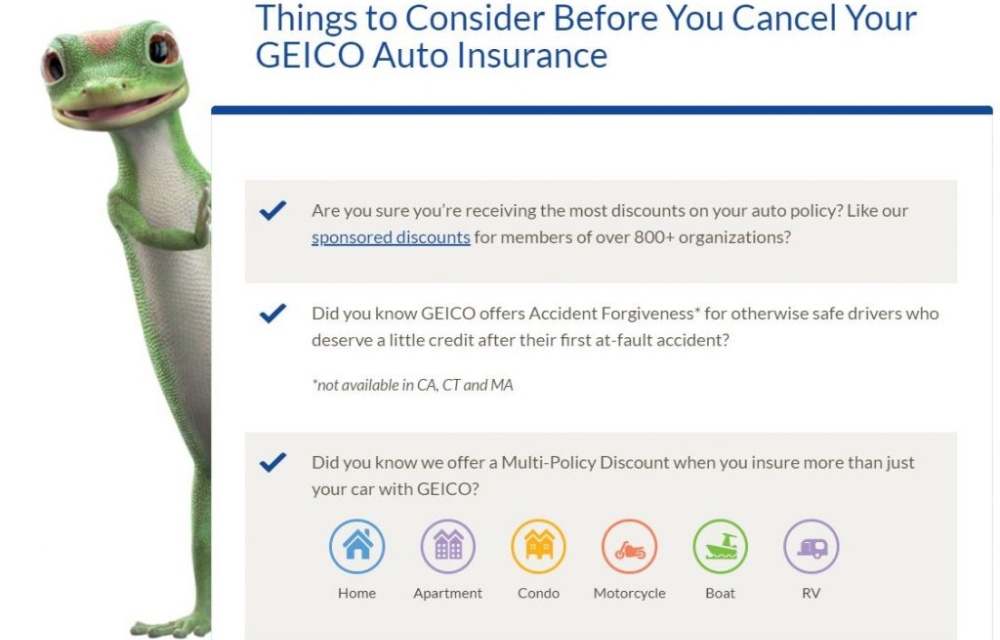
Canceling an insurance policy is not merely a bureaucratic task; it is a strategic move that requires careful timing to avoid financial penalties, coverage gaps, and unnecessary expenditure. This guide examines the process through a financial lens, ensuring you protect your assets while transitioning to a new risk management strategy.
1. The Financial Rationale Behind Switching Insurance Providers
Before initiating a cancellation, a savvy consumer must conduct a thorough cost-benefit analysis. Insurance is a commodity, and like any financial product, its value proposition can fluctuate based on market conditions, your credit score, and changes in your personal risk profile.
Analyzing the “Loyalty Penalty”
In the insurance industry, “price optimization” is a common practice where long-term customers are sometimes charged higher premiums because they are perceived as less likely to shop around. By canceling a long-standing GEICO policy in favor of a competitor, you are often combatting this “loyalty penalty.” If your premiums have increased despite a clean driving record, it is a signal that your capital could be more efficiently deployed elsewhere.
Evaluating Coverage-to-Cost Ratios
When reviewing your GEICO policy, look at the “Declarations Page.” Are you paying for features—such as rental car reimbursement or mechanical breakdown insurance—that you no longer need? Sometimes, the decision to cancel isn’t about leaving GEICO entirely but rather terminating an old policy to restructure your financial protections. However, if a competitor offers the same liability limits and comprehensive coverage for a lower annual percentage rate (APR) relative to your income, the move is financially sound.
The Impact of Life Milestones on Premiums
Major life events—such as getting married, buying a home, or improving your credit score—drastically change your “insurability” profile. If GEICO’s algorithms haven’t adjusted your rates downward to reflect these lower-risk milestones, canceling and moving to a provider that specializes in your new demographic can result in significant annual savings, often totaling hundreds or thousands of dollars over a five-year horizon.
2. Strategic Considerations Before You Terminate Your Coverage
In personal finance, “risk gaps” are the primary enemy of wealth preservation. You must never cancel your GEICO insurance in a vacuum. A lapse in coverage can lead to severe financial repercussions that far outweigh the savings of a cheaper premium.
The Danger of Coverage Lapses
From a financial standpoint, a “lapse” in insurance is a red flag to future underwriters. If you cancel your GEICO policy on a Tuesday but don’t start your new policy until Thursday, you are “uninsured” for 48 hours. Not only does this expose you to total asset loss in the event of an accident, but it also signals financial instability to the insurance market. Most providers will significantly hike your future premiums if they see a gap in your insurance history.
Securing “Proof of Insurance” from a New Carrier
Before you pick up the phone to call GEICO, your new policy should be “bound.” This means you have made the initial payment and received a policy number and effective date. Ensure that the start date of the new policy overlaps by at least one day with the end date of your GEICO policy. This overlapping strategy is a small price to pay for the “continuous coverage” discount that most financial institutions reward.
Notifying Lienholders and Lessors
If your vehicle is financed or leased, your lender has a vested financial interest in the asset. Most auto loans require specific insurance minimums. Before canceling GEICO, ensure your new policy meets the lender’s requirements and that they are notified of the change. Failure to do so can result in “force-placed insurance,” where the bank buys a high-cost policy on your behalf and adds the premium to your loan balance—a disastrous outcome for your monthly cash flow.
3. Navigating the GEICO Cancellation Process

GEICO, like many large corporations, emphasizes digital-first interactions for sales but often requires a more personal touch for “churn” management (cancellations). Understanding the mechanics of the exit ensures you aren’t hit with “short-rate” fees or unexpected bills.
The Telephone Method: Managing the Retention Agent
To cancel, you will likely need to call GEICO’s service department. From a business perspective, the representative you speak with is trained in “retention.” Their job is to prevent “capital outflow” from the company.
- The Script: Be firm and professional. State that you have already secured a new policy and your decision is final.
- The Counter-Offer: They may offer to lower your rate. While this might seem attractive, remember your initial analysis. If the new company’s service or bundle options are superior, stick to your plan.
Written Notice and Documentation
While a phone call is the fastest route, sending a written notice via certified mail provides a “paper trail”—an essential tool for any disciplined financial manager. Your letter should include your policy number, the specific date and time you want coverage to end, and a request for a written confirmation of the cancellation.
Avoiding “Non-Payment” as a Cancellation Strategy
A common mistake in personal finance is thinking that simply stopping payments or “canceling” your credit card will end the insurance contract. This is a dangerous misconception. Insurance companies will report non-payment to credit bureaus, which can tank your credit score and result in your account being sent to collections. Always follow the formal cancellation procedure to protect your creditworthiness.
4. Maximizing Your Return: Managing Refunds and Final Audits
Once the cancellation is processed, your focus shifts to “liquidity recovery.” Most GEICO policies are paid in advance, meaning you likely have “unearned premiums” sitting in GEICO’s accounts.
Calculating Your Prorated Refund
GEICO generally uses a “pro-rata” calculation for refunds. If you paid for a six-month policy and cancel exactly at the three-month mark, you are technically owed 50% of your premium back. However, be aware of potential “cancellation fees” or “flat fees” that may be outlined in your policy’s fine print. Ensure you receive every dollar of the unearned premium to which you are entitled.
The Final Billing Statement Audit
In the weeks following your cancellation, GEICO will issue a final statement. Audit this document carefully. Check for:
- Double Billing: Ensure you weren’t charged for the period after your requested cancellation date.
- Refund Accuracy: Compare the refund check to your own calculations of the remaining policy term.
- Automatic Withdrawals: Verify with your bank that any “Auto-Pay” or “Electronic Funds Transfer” (EFT) authorizations have been successfully revoked.
Handling Multi-Policy Impacts
If you hold multiple lines of insurance with GEICO (e.g., auto, homeowners, and umbrella), canceling one can trigger the loss of “bundling discounts” on the others. This is a hidden cost. Before finalizing the auto insurance cancellation, calculate the impact on your homeowners’ premium. If the loss of the discount at GEICO makes your homeowners’ insurance more expensive than the savings on the new auto policy, the net financial result is negative.
5. Post-Cancellation Wealth Strategy: Reallocating Your Savings
The ultimate goal of canceling a high-cost service like GEICO is to improve your net cash flow. Once the transition is complete, the “found money” should be handled with intentionality.
Reinvesting the Premium Surplus
If switching from GEICO saved you $600 per year, that is $50 a month in “new” capital. In the world of personal finance, $50 a month invested in a low-cost index fund with an average 7% return could grow to over $8,000 in ten years. Don’t let your insurance savings vanish into lifestyle inflation; automate a transfer of that exact savings amount into a brokerage account or a high-yield savings account (HYSA).
Building an Insurance Deductible Fund
One way to lower your insurance costs even further with your new provider is to opt for a higher deductible (e.g., moving from a $500 to a $1,000 deductible). Use the refund from your GEICO policy to “seed” a dedicated emergency fund that covers this higher deductible. This strategy reduces your monthly fixed costs while ensuring you remain financially resilient in the event of a claim.

Annual Financial Audits
Canceling GEICO shouldn’t be a one-time event but rather part of an annual or biennial “financial audit.” The insurance market is dynamic. Set a calendar reminder for 12 months from now to re-evaluate your new provider against GEICO and other competitors. In the modern economy, the most successful individuals are those who treat their personal expenses with the same rigor as a CFO treats a corporate budget—constantly optimizing, negotiating, and ensuring every dollar is working toward long-term wealth.
aViewFromTheCave is a participant in the Amazon Services LLC Associates Program, an affiliate advertising program designed to provide a means for sites to earn advertising fees by advertising and linking to Amazon.com. Amazon, the Amazon logo, AmazonSupply, and the AmazonSupply logo are trademarks of Amazon.com, Inc. or its affiliates. As an Amazon Associate we earn affiliate commissions from qualifying purchases.