
Navigating the landscape of personal finance often involves making strategic decisions about where your money resides. While opening a new savings account is a step towards financial growth, closing one, even with a venerable institution like Chase, can be an equally important part of managing your financial ecosystem. Whether you’re consolidating accounts, seeking better interest rates, or simplifying your banking relationships, understanding the precise steps and financial implications of canceling your Chase savings account is paramount.
This guide delves into the process, offering insights beyond a simple checklist to ensure a smooth, secure, and financially savvy transition. We’ll explore the ‘whys’ behind such a decision, the critical preparations needed, the exact methods for closure, and what you should expect in the aftermath, all within the exclusive lens of personal finance and financial tools.
Why Consider Closing Your Chase Savings Account? Strategic Financial Decision-Making
Before initiating the closure process, it’s insightful to reflect on the motivations driving this decision. While Chase offers a robust suite of banking products, various financial scenarios might prompt a reevaluation of your savings account arrangements. Understanding these common drivers can help contextualize your own decision and ensure it aligns with your broader financial goals.
Seeking Better Returns and Financial Alignment
In a dynamic economic environment, interest rates for savings accounts can fluctuate significantly between different financial institutions. If your current Chase savings account isn’t offering a competitive Annual Percentage Yield (APY), you might be leaving money on the table. Many online-only banks or challenger banks often provide higher interest rates due to lower overheads. Closing an account to migrate funds to a higher-yield alternative is a smart financial move that maximizes your passive income. This is a common strategy for individuals focused on optimizing every dollar within their savings portfolio.
Consolidating Finances for Simplicity and Efficiency
Managing multiple bank accounts across different institutions can become cumbersome, leading to fragmented financial oversight. If you’ve opened several accounts over time and now find yourself with more than necessary, consolidating them can simplify your financial life. Fewer accounts mean fewer statements to review, fewer logins to remember, and a clearer overall picture of your liquid assets. This streamlines budgeting, tracking, and overall financial management, reducing the mental load associated with dispersed funds.
Dissatisfaction with Services or Fees
Client satisfaction is a cornerstone of financial relationships. If you’ve experienced persistent issues with Chase’s customer service, encountered unexpected or undesirable fees (e.g., monthly service fees for not meeting minimum balance requirements), or find their digital tools lacking compared to competitors, these can be valid reasons to seek banking services elsewhere. Your banking experience should be seamless and supportive, and if it’s not, exploring other options is a responsible financial choice.
Relocation, Life Changes, or Changing Financial Needs
Life events often necessitate changes in financial arrangements. A cross-country move might prompt you to seek a bank with a stronger local presence in your new area. Major life changes, such as marriage, divorce, or a new job, could alter your financial priorities, requiring different account features or banking partnerships. For instance, if you’re now managing joint finances, you might prefer a new joint account with specific features that your existing individual Chase savings account doesn’t adequately support. Adapting your banking relationships to suit evolving personal circumstances is crucial for maintaining financial flexibility.
Essential Preparations Before You Close: A Prudent Financial Checklist
Closing a savings account is more than just telling the bank you’re done; it requires careful preparation to prevent financial disruptions, unnecessary fees, or complications. Taking these preparatory steps ensures a smooth transition and protects your financial integrity.
Reviewing Account Activity and Balances
Your first step should be a thorough review of your Chase savings account activity. Check for any pending transactions, direct deposits scheduled to arrive, or automatic withdrawals. It’s crucial that the account balance is either $0 or positive before you initiate closure. A negative balance will need to be settled first, often requiring a deposit, or Chase may charge additional fees or send the account to collections. Conversely, a substantial positive balance will need to be transferred out. Gather your most recent statements and ensure all transactions are accounted for.
Managing Direct Deposits and Automatic Payments
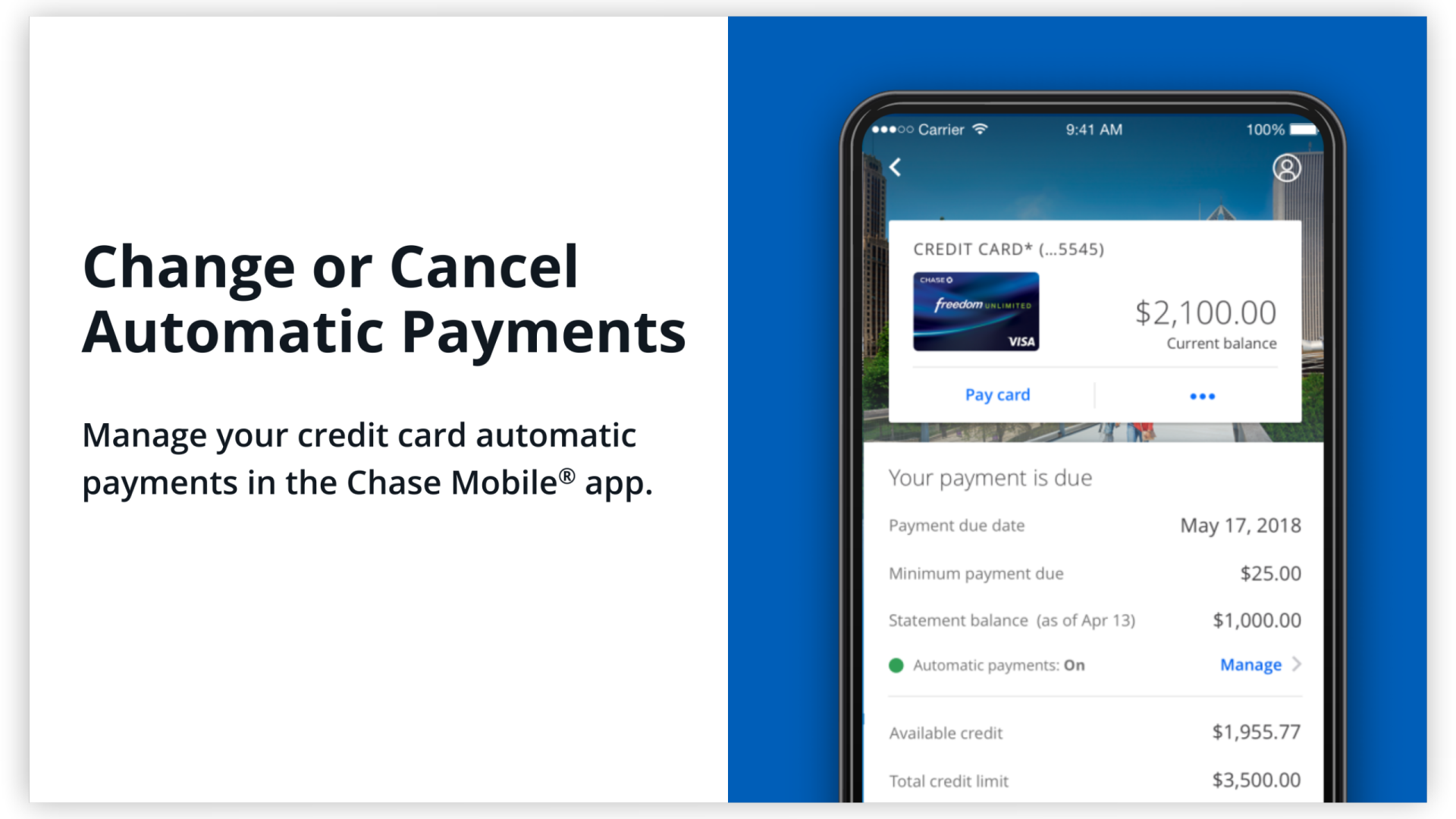
One of the most critical steps is rerouting any incoming direct deposits (like your paycheck, government benefits, or tax refunds) and outgoing automatic payments (such as loan payments, utility bills, or subscriptions). Failure to do so will result in missed payments or returned deposits once the account is closed, potentially leading to late fees, service interruptions, or even damage to your credit score if critical payments like loan installments are affected. Contact your employer, benefit providers, and billers well in advance to update your banking information with your new or existing active account.
Transferring Funds and Avoiding Fees
Once you’ve rerouted all automated transactions, transfer any remaining funds out of your Chase savings account. You can typically do this via an electronic transfer (ACH), wire transfer, or by requesting a cashier’s check. Be aware of any minimum balance requirements or potential fees associated with transfers, especially wire transfers, which can be costly. If you plan to close the account in person, you might be able to withdraw the remaining balance in cash or request a check on the spot. Ensure you leave a small amount (e.g., $1-$5) if transferring electronically, as some banks require a positive balance for the final transaction, and then zero it out with a final transfer or in-person withdrawal.
Addressing Joint Accounts and Overdraft Protection
If your Chase savings account is a joint account, all account holders typically need to agree to and be present for the closure, or provide written consent. Verify Chase’s specific requirements for joint account closures. Additionally, if your savings account is linked to a Chase checking account for overdraft protection, closing the savings account will remove this safety net. Ensure you have alternative overdraft protection set up for your checking account, or adjust your spending habits to avoid overdrafts once the link is severed. Ignoring these details can lead to unexpected financial vulnerabilities.
Step-by-Step Guide to Closing Your Account: Executing the Financial Transition
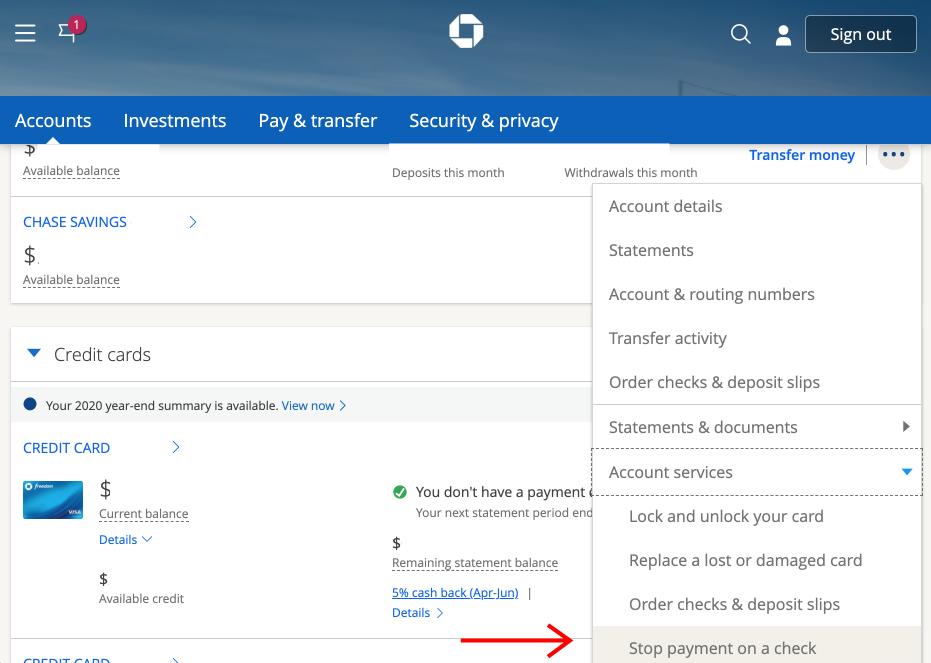
With your preparations complete, you’re ready to formally close your Chase savings account. Chase offers several methods, though some are more straightforward and recommended than others.
Method 1: In-Person at a Chase Branch (Most Recommended)
Visiting a Chase branch is often the most efficient and secure way to close your account, especially if you have complex issues or a significant balance to transfer.
- Locate Your Nearest Branch: Use the Chase website or app to find a convenient branch.
- Gather Necessary Documents: Bring a valid government-issued photo ID (driver’s license, passport) and your Chase account number or debit card. If it’s a joint account, all account holders should ideally be present with their IDs.
- Consult with a Banker: Inform the banker of your intention to close the savings account. They will guide you through the process, confirm your identity, and ensure all remaining funds are handled correctly (e.g., cash withdrawal, cashier’s check, or transfer to another Chase account or external bank).
- Obtain Confirmation: Request a written confirmation of the account closure, either immediately or via mail/email. This serves as vital proof.
Method 2: Contacting Chase by Phone
Closing your account over the phone offers convenience, particularly if a branch visit isn’t feasible.
- Call Chase Customer Service: Dial Chase’s customer service number (usually found on their website, the back of your debit card, or your statements). Be prepared for potential wait times.
- Identity Verification: The representative will ask for personal information to verify your identity (e.g., account number, full name, date of birth, Social Security Number, answers to security questions).
- Request Closure: Clearly state your request to close your savings account. They will review your account status for any outstanding issues or remaining balances.
- Fund Disbursement: The representative will guide you on how to disburse any remaining funds. This typically involves an electronic transfer to another account you specify or mailing a check.
- Confirmation: Ask for a reference number for the call and confirmation of the closure process. Inquire about when you can expect a written confirmation.
Method 3: Online (Limitations and Possibilities)
While Chase’s online banking platform allows for extensive account management, direct closure of a savings account entirely online is generally not supported for security and verification reasons. You can, however, perform crucial preparatory steps online:
- Transfer Funds: You can initiate electronic transfers of funds from your Chase savings account to another linked Chase account or an external bank account.
- Review Statements: Access past statements and transaction history.
- Message a Representative: While you might be able to initiate a conversation via secure message, they will likely direct you to call or visit a branch for the final closure.
Therefore, rely on online tools for preparatory steps, but anticipate needing to use the phone or in-person method for the actual closure.
Preparing Necessary Information
Regardless of the method chosen, have the following information readily accessible:
- Your Chase savings account number.
- Your full legal name and address.
- Your Social Security Number.
- A valid government-issued photo ID (for in-person).
- Details of the external account where you wish to transfer funds (account number, routing number), if applicable.
What to Expect After Account Closure: Securing Your Financial Future
The process doesn’t end the moment you’ve given the instruction to close your account. There are several post-closure steps and considerations to ensure everything is finalized correctly and your financial information remains secure.
Confirmation and Final Statements
After initiating closure, Chase typically sends a formal confirmation letter or email. This document is critical as proof that your account has been officially closed. Keep this record for your files. You should also expect a final statement, usually at the end of the next billing cycle, showing a zero balance and indicating the account is closed. Review this statement carefully to ensure accuracy and confirm no residual activity.
Handling Remaining Balances or Negative Funds
If you had a remaining positive balance that was disbursed via check, ensure you deposit or cash it promptly. If, inadvertently, the account goes into a negative balance during the closing process (e.g., a pending transaction clears late), Chase will typically contact you to settle it. It’s imperative to address negative balances immediately to avoid potential collection efforts or impact on your banking relationship history.
Impact on Your Financial History and Credit Score
For savings accounts, closing them typically has no direct impact on your credit score. Savings accounts are not credit products. However, if your savings account was linked to other Chase products (like a checking account for overdraft protection, or a credit card for payment), ensure those links are appropriately updated or severed without causing issues. Missing automatic payments on loans or credit cards due to account closure would indirectly affect your credit, hence the importance of updating direct deposits and automatic withdrawals beforehand. The main ‘impact’ might be on your relationship with Chase as a customer, which could affect future applications for other Chase products if the closure process was problematic, but this is generally negligible for a standard savings account closure.
Safeguarding Your Personal Information
Once the account is closed and you’ve received confirmation, consider shredding any old checks, debit cards associated with that savings account, and physical statements. Delete any digital copies of statements from your devices once you’ve secured the final confirmation. Regularly monitor your credit report and other active financial accounts for any unusual activity, a good practice regardless of account closure, but particularly relevant during financial transitions. Ensure all digital banking access to the closed account is removed from your online profile.
Alternatives to Closing Your Account: Exploring Other Financial Options
Sometimes, outright closure isn’t the only or best option. Depending on your financial goals, you might consider alternatives that offer flexibility without completely severing ties with Chase.
Downgrading or Converting Account Types
If your primary concern is fees or specific account features, inquire if you can downgrade your existing savings account to a no-fee option, if available, or convert it to a different type of savings or checking account that better suits your needs. For instance, if you don’t meet the minimum balance for a premium savings account, you might be able to switch to a basic savings account with different requirements. This maintains your account history with Chase and avoids the hassle of opening an entirely new account elsewhere.

Keeping a Dormant Account (With Caution)
In some cases, you might consider keeping the account open with a minimal balance, letting it become dormant. However, this comes with caveats. Many banks charge dormancy fees after a certain period of inactivity, which could slowly deplete your funds. Furthermore, dormant accounts can eventually be turned over to the state as unclaimed property if they remain untouched for an extended duration. This option is generally not recommended unless you have a specific, short-term reason for maintaining a nominal presence with Chase, and you are diligent about monitoring potential fees.
By approaching the cancellation of your Chase savings account with careful planning and an understanding of the financial implications, you ensure a smooth and responsible transition. This process, while seemingly minor, is a key component of proactive personal finance management, allowing you to optimize your assets and align your banking relationships with your evolving financial objectives.
aViewFromTheCave is a participant in the Amazon Services LLC Associates Program, an affiliate advertising program designed to provide a means for sites to earn advertising fees by advertising and linking to Amazon.com. Amazon, the Amazon logo, AmazonSupply, and the AmazonSupply logo are trademarks of Amazon.com, Inc. or its affiliates. As an Amazon Associate we earn affiliate commissions from qualifying purchases.