
Navigating the landscape of personal finance often involves making strategic decisions about the tools and products we use, and sometimes, that means parting ways with a financial instrument that no longer serves our needs. Cancelling a credit card, especially one from a prominent institution like Barclays, might seem like a straightforward task, but it’s a decision with various financial implications that warrant careful consideration. This guide will walk you through the process, highlight key financial considerations, and equip you with the knowledge to make this transition smoothly and responsibly within your broader financial strategy.
Credit cards, while powerful tools for building credit, managing cash flow, and earning rewards, can also become liabilities if not managed properly. Whether you’re consolidating debt, simplifying your financial life, or simply no longer need a particular card, understanding the ‘how’ and, more importantly, the ‘why’ and ‘what next’ is crucial for maintaining a healthy financial standing.
Why Consider Cancelling Your Credit Card? Strategic Financial Motives
The decision to cancel a credit card should stem from a clear financial objective, rather than an impulsive reaction. There are several legitimate financial reasons why you might choose to close your Barclays credit card account, each with its own set of implications.
Streamlining Your Finances
For many, a cluttered financial portfolio can lead to oversight and inefficiency. If you have multiple credit cards, some of which are rarely used, cancelling a superfluous card can help simplify your budgeting, reduce the number of statements to review, and make your financial picture clearer. This simplification can lead to better overall financial management and reduced stress. It’s about optimizing your resources and ensuring every financial product you hold serves a current purpose.
Avoiding Unnecessary Fees
Annual fees are a common feature of many premium credit cards, offering benefits like travel perks or enhanced rewards in exchange. However, if the benefits you receive no longer outweigh the annual fee, or if you find yourself paying for a card you rarely use, cancelling it can be a prudent financial move. Similarly, being aware of foreign transaction fees, late payment fees, or cash advance fees is important; if you frequently incur these and aren’t managing to mitigate them, it might be time to reassess the card’s fit for your financial habits.
Reducing Debt Temptation
One of the most compelling reasons to cancel a credit card for some individuals is to remove the temptation of accumulating more debt. For those struggling with overspending or looking to actively reduce their credit utilization, closing an account can be a proactive step towards financial discipline. While it doesn’t eliminate existing debt, it removes a potential avenue for future borrowing, fostering a more conservative approach to spending and saving.
Protecting Against Fraud and Identity Theft
Every active credit card account represents a potential point of vulnerability for fraud or identity theft. While banks employ robust security measures, having fewer active accounts can reduce your overall exposure to risk. If you have an old card you never use, or if you suspect its details might have been compromised, closing it can provide an extra layer of security. However, it’s important to note that merely closing an account doesn’t erase past data breaches; continuous vigilance remains key.
Product Obsolescence / Better Alternatives
The credit card market is dynamic, with new products constantly emerging that offer better rewards, lower interest rates, or more suitable features for your current lifestyle. If your Barclays card no longer aligns with your spending habits or if you’ve found a superior alternative elsewhere, cancelling the old card to make way for a more beneficial one is a sound financial decision. This is especially true if you’re chasing specific reward categories or aiming for a lower APR on a balance transfer.
Pre-Cancellation Checklist: Essential Financial Preparations
Before picking up the phone to cancel your Barclays credit card, a few preparatory steps are essential to avoid complications and protect your financial standing. These actions ensure a smooth transition and mitigate any negative repercussions.
Settle Your Outstanding Balance
This is arguably the most crucial step. You cannot cancel a credit card account with an outstanding balance. Pay off every penny, including any accrued interest, to bring your balance to zero. This prevents ongoing interest charges and ensures a clean break. Confirm with Barclays that the balance is indeed zero before proceeding with the cancellation request. If you have a significant balance, consider a balance transfer to a lower-interest card before closing, but be mindful of associated fees and new APRs.
Redeem Rewards and Cashback
Don’t leave money on the table! Most credit card rewards programs stipulate that any unredeemed points, miles, or cashback are forfeited upon account closure. Ensure you cash out all your rewards before initiating the cancellation process. Check your Barclays online account or recent statements for your current rewards balance and redemption options. This ensures you extract full value from the card before it’s gone.
Update Recurring Payments and Subscriptions
Many people use their credit cards for automatic payments for utilities, streaming services, gym memberships, and other subscriptions. Before cancelling, meticulously review your bank statements to identify all recurring charges linked to your Barclays card. Update these payment details with a different card or bank account to avoid service interruptions or late payment fees. Missing this step can lead to significant inconvenience and potential penalties.
Download Statements for Your Records
Although Barclays typically retains records for a certain period, it’s wise to download and save digital copies of your past statements, especially for the last 12-24 months. These documents can be crucial for tax purposes, dispute resolution, or simply maintaining a comprehensive personal financial history. A clean digital archive ensures you have access to information even after the account is closed.
Understand the Impact on Your Credit Score
Cancelling a credit card can affect your credit score, primarily due to two factors: your credit utilization ratio and the length of your credit history.
- Credit Utilization Ratio: This is the amount of credit you’re using compared to your total available credit. Closing a card reduces your total available credit, which can increase your utilization ratio if you carry balances on other cards, potentially lowering your score.
- Length of Credit History: Older accounts contribute positively to the average age of your credit accounts. Closing an old card might shorten your average credit age, which can negatively impact your score over time.
Weigh these factors carefully. If the card is one of your oldest or has a high credit limit, its closure could have a more pronounced effect.
The Step-by-Step Process for Cancelling Your Barclays Credit Card
Once you’ve completed your preparations, you’re ready to initiate the cancellation. Barclays offers several channels for this, and knowing what to expect can make the process smoother.
Choosing Your Communication Method
Barclays typically allows credit card cancellations through:
- Phone: This is often the most direct method. You can speak to a customer service representative who can guide you through the process, answer questions, and immediately action the request. Be prepared for a retention offer during this call.
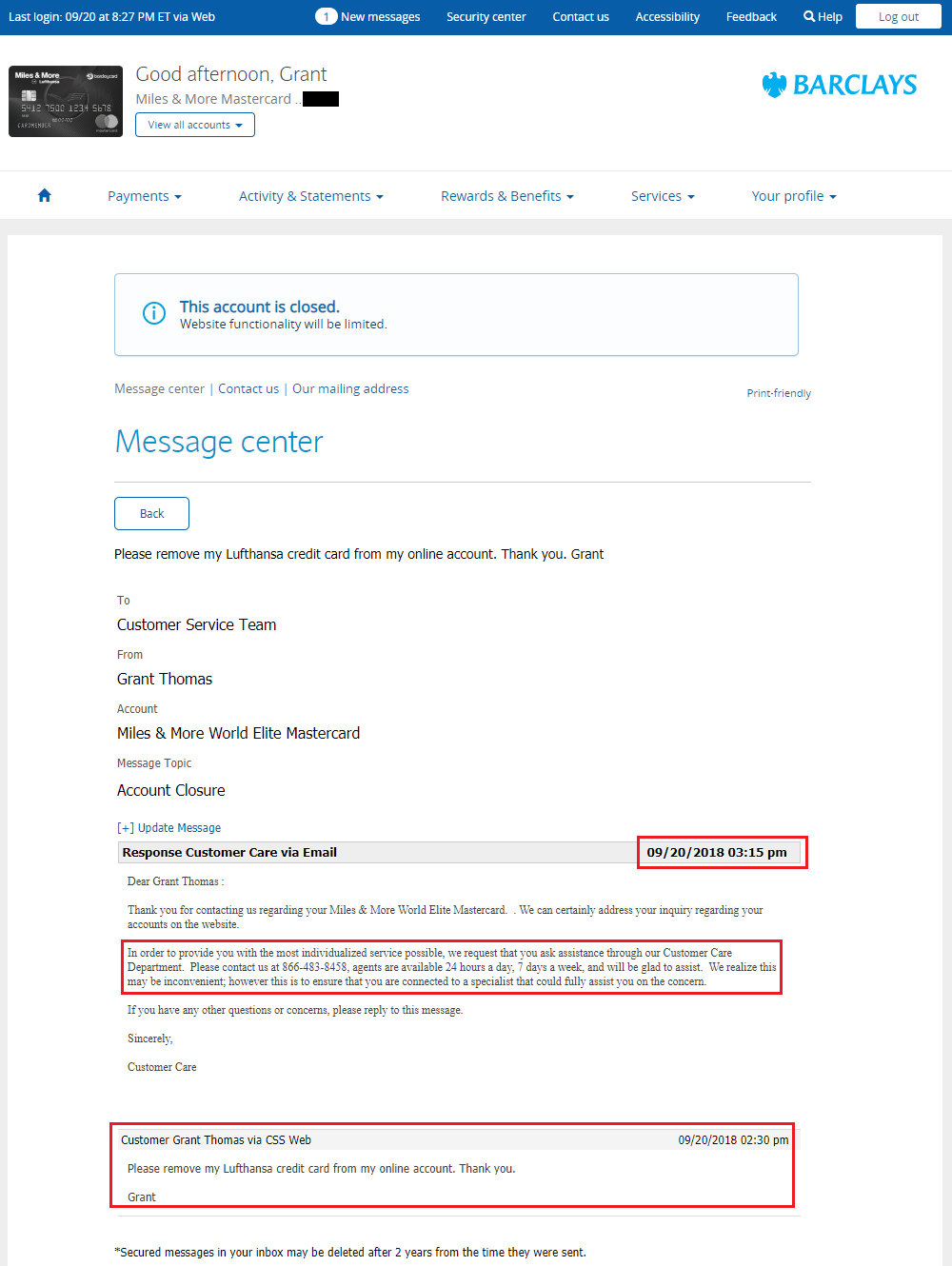
- Secure Message (Online Banking): Many banks allow you to send secure messages through your online banking portal. This offers a written record of your request, but the process might be slower than a phone call.
- Branch Visit: While less common for credit card cancellations, visiting a Barclays branch in person might be an option if you prefer face-to-face interaction, though they may still direct you to a phone number or specific department.
For immediate action and potential negotiation (like waiving an annual fee or receiving a balance transfer offer), the phone is usually the most effective route.
What Information You’ll Need
When you contact Barclays, have the following information readily available:
- Your full name and address
- Your Barclays credit card number
- Your account security information (e.g., date of birth, mother’s maiden name, security questions)
- The reason for cancellation (while not strictly required, having a clear and concise reason can help).
Navigating the Conversation with Customer Service
When you call, state clearly that you wish to cancel your credit card. Be prepared for the representative to ask why you’re cancelling and to potentially offer incentives to keep your account open (known as a retention offer). These offers might include a waived annual fee, a lower APR, or bonus rewards. If the offer aligns with your financial goals, consider it, but don’t feel pressured to accept if your decision to cancel is firm. Politely decline if the offer doesn’t meet your needs or if your rationale for cancelling is not related to fees or rates.
Confirming the Cancellation (Written Confirmation)
After the representative processes your request, ask for written confirmation of the account closure. This could be an email, a letter mailed to your address, or a confirmation number. This documentation is vital proof that the account has been closed, protecting you against any future disputes or erroneous charges. Note the date and time of your call and the name of the representative you spoke with.
What to Do with the Physical Card
Once confirmed, it’s crucial to properly dispose of your physical credit card. Cut the card into several pieces, ensuring the chip, magnetic stripe, and account number are thoroughly destroyed. This prevents any unauthorized use of the card details.
Financial Implications and Post-Cancellation Best Practices
The process doesn’t end with the confirmation of closure. Monitoring your financial health and making informed decisions post-cancellation are critical for a sustained positive impact.
Monitoring Your Credit Report
For several months after cancellation, regularly check your credit report from all three major bureaus (Equifax, Experian, TransUnion). Ensure the Barclays account is reported as “closed by customer” with a zero balance. Discrepancies should be promptly disputed with the credit bureau and Barclays. Annual free credit reports are available through AnnualCreditReport.com.
The Myth of a Single Credit Score Drop
While closing a credit card can impact your credit score, it’s important to understand it’s not always a drastic, immediate plunge. The effect is usually more nuanced and depends on your overall credit profile. If you have many other long-standing accounts and low utilization on your remaining cards, the impact might be minimal. If the cancelled card was your only or oldest card, or if it significantly reduced your available credit, the impact could be more noticeable. Focus on maintaining good credit habits overall.
Maintaining a Healthy Credit Utilization Ratio
Post-cancellation, be mindful of your credit utilization ratio. If closing the Barclays card significantly reduced your total available credit, try to keep balances on your remaining cards as low as possible – ideally below 30% of their limits, and even better, below 10%. This is a key factor in credit scoring and demonstrates responsible credit management.
Reassessing Your Financial Portfolio
Use the opportunity of cancelling a card to review your entire financial portfolio. Do you have other cards that are no longer serving you? Are there investment opportunities you should explore? This moment of financial housekeeping can be a catalyst for broader financial optimization, leading to better budgeting, saving, and investment strategies.
Exploring Alternative Financial Products
If you cancelled your Barclays credit card because it didn’t meet your needs, take time to research and potentially apply for alternative financial products. This could be a credit card with different rewards, a lower APR, or perhaps a debit card if you’re aiming to avoid credit altogether. Ensure any new product truly aligns with your current financial goals and responsible usage.
Common Pitfalls and Expert Tips for a Smooth Transition
To ensure your credit card cancellation process is as seamless as possible, be aware of these common missteps and leverage expert advice.
Don’t Rush the Process
Give yourself ample time to complete the pre-cancellation checklist. Rushing can lead to forgotten recurring payments, unredeemed rewards, or an incomplete understanding of the financial implications. A thoughtful, methodical approach is always best in financial matters.
Be Prepared for Retention Offers
As mentioned, Barclays will likely try to retain you as a customer. Be firm but polite if you’re set on cancelling. However, also be open-minded if a genuinely compelling offer is made that could benefit your financial situation. Sometimes, a revised product or a fee waiver might make keeping the card worthwhile.
The Importance of a Zero Balance
Reiterating this point cannot be overstated. Any lingering balance, even a few cents due to interest accrual post-payment, can prevent the account from being fully closed and could lead to ongoing charges or even negative marks on your credit report. Overpay slightly if unsure, and confirm the zero balance before cancelling.
Document Everything
Keep a detailed record of all communications with Barclays: dates, times, names of representatives, confirmation numbers, and summaries of conversations. This documentation is your strongest ally if any issues arise regarding the account closure.

Seek Financial Advice if Unsure
If you’re unsure about the implications of cancelling your Barclays credit card, especially concerning its impact on your credit score or overall financial health, consider consulting a financial advisor. They can provide personalized guidance tailored to your specific circumstances and help you make the most informed decision.
Cancelling a Barclays credit card is more than just cutting up plastic; it’s a financial decision with lasting effects. By understanding the reasons, preparing diligently, following the correct procedures, and managing the post-cancellation landscape, you can ensure this step contributes positively to your long-term financial well-being.
aViewFromTheCave is a participant in the Amazon Services LLC Associates Program, an affiliate advertising program designed to provide a means for sites to earn advertising fees by advertising and linking to Amazon.com. Amazon, the Amazon logo, AmazonSupply, and the AmazonSupply logo are trademarks of Amazon.com, Inc. or its affiliates. As an Amazon Associate we earn affiliate commissions from qualifying purchases.