
Deciding to cancel a credit card is a significant financial decision that warrants careful consideration. While the prospect of reducing financial clutter or eliminating an unused annual fee might seem appealing, the implications for your credit score and overall financial health can be profound. This comprehensive guide will walk you through the process of canceling your Bank of America credit card, exploring the reasons behind such a decision, the crucial factors to weigh beforehand, and a step-by-step approach to ensure a smooth and secure cancellation. Understanding the nuances of this process is essential for maintaining a robust financial standing and making informed choices about your credit portfolio.
Reasons to Consider Canceling Your Credit Card
There are various legitimate motivations for choosing to close a credit card account. While not every reason will apply to everyone, identifying your primary drivers can help validate your decision and ensure it aligns with your broader financial objectives.
Eliminating Unnecessary Debt Potential and Temptation
For many, a credit card represents a constant temptation to spend, even when funds aren’t readily available. Canceling a card, especially one with a high credit limit that you frequently feel compelled to use, can be a proactive step towards curbing spending habits and preventing the accumulation of high-interest debt. By removing the physical card and the psychological prompt it represents, you can foster more disciplined financial behavior, aligning your expenditures with your actual income and savings goals. This move simplifies your financial landscape by reducing the number of credit lines available for impulsive purchases, thereby strengthening your resolve to live within your means.
Simplifying Your Financial Portfolio
Managing multiple credit cards can become cumbersome, leading to missed payments, overlooked annual fees, or confusion about which card to use for specific purchases. If you have several credit cards, particularly those you rarely use or which offer redundant benefits, canceling one or more can streamline your financial life. A simplified portfolio means fewer statements to review, fewer payment due dates to track, and a clearer overview of your overall credit utilization. This simplification can reduce stress and free up mental bandwidth that can be redirected towards more strategic financial planning, rather than administrative tasks.
Avoiding Unnecessary Annual Fees
Many premium credit cards come with annual fees, often justified by a suite of attractive benefits such as travel rewards, purchase protection, or exclusive access. However, if you are no longer utilizing these benefits to their full potential, or if the value derived from them does not outweigh the cost of the annual fee, canceling the card becomes a financially prudent choice. Continuing to pay an annual fee for a card that sits unused or whose perks no longer align with your lifestyle is essentially throwing money away. A careful cost-benefit analysis of each card’s annual fee versus its actual utility can reveal opportunities for significant savings.
Dissatisfaction with Card Benefits, Customer Service, or Issuer
Sometimes, the decision to cancel stems from a negative experience or a shift in preference. Perhaps Bank of America’s customer service has fallen short, or the card’s reward structure is no longer competitive compared to alternatives in the market. As your financial needs evolve, a card that once served you well might no longer be the best fit. For instance, if you’ve shifted from frequent travel to more everyday spending, a travel rewards card might become less valuable than a cash-back card. Canceling allows you to move your business to an issuer or product that better meets your current expectations and financial goals, signaling to the market what you value in a financial partner.
Important Considerations Before Canceling
Before you pick up the phone to initiate the cancellation, it’s crucial to understand the potential repercussions and explore alternative strategies. A hasty cancellation can have unintended negative consequences, particularly for your credit score.
Impact on Your Credit Score
Canceling a credit card can affect your credit score in several ways, primarily by altering your credit utilization ratio and the average age of your accounts.
- Credit Utilization Ratio: This ratio measures the amount of credit you’re using compared to your total available credit. Closing a card reduces your total available credit, which can cause your utilization ratio to increase if you carry balances on other cards. A higher utilization ratio is generally viewed negatively by credit bureaus and can lower your score.
- Average Age of Accounts: Credit scores favor a longer credit history. Canceling an older card can decrease the average age of your open accounts, potentially lowering your score. While the closed account will remain on your credit report for up to 7-10 years, its positive impact on the average age of open accounts diminishes over time.
- Credit Mix: While less impactful than utilization or age, a diverse credit mix (e.g., credit cards, installment loans) is generally seen as positive. Removing a card might slightly alter this mix, but typically not significantly unless it’s your only credit line.
Outstanding Balances and Rewards Points
It is imperative to pay off any outstanding balance on the card before attempting to cancel it. Carrying a balance during cancellation can lead to continued interest charges, collection efforts, and a negative mark on your credit report. Furthermore, ensure you redeem any accumulated rewards points, cash back, or miles. Most card issuers will not allow you to transfer or redeem rewards once the account is closed, effectively forfeiting any value you’ve earned. Plan to use them or transfer them to another program if possible before making the call.
Alternative Solutions to Cancellation
Instead of outright canceling, consider these alternatives:
- Product Change/Downgrade: Bank of America might allow you to switch to a different card with no annual fee or lower benefits without closing the account. This preserves your credit history with the issuer and avoids a hard inquiry for a new card.
- Temporary Freezing: If you’re concerned about overspending but not ready to cancel, freezing your card through the Bank of America app can prevent unauthorized use or impulsive purchases while keeping the account open and active on your credit report.
- Negotiate the Annual Fee: If an annual fee is your primary concern, contact customer service. They might offer a retention bonus or waive the fee for another year to keep your business.
Automatic Payments and Subscriptions Tied to the Card
Before canceling, meticulously review your bank statements and online accounts for any recurring charges, subscriptions, or automatic bill payments tied to the Bank of America credit card. Forgetting to update these can lead to service interruptions, missed payments, or late fees on your other bills. Make a list of all such recurring charges and update them with a different payment method before you initiate the cancellation process. This proactive step ensures continuity of service and prevents any unexpected financial hiccups.
A Step-by-Step Guide to Canceling Your Bank of America Credit Card
Once you’ve carefully considered the implications and prepared your finances, you can proceed with the cancellation process. Following these steps will help ensure a smooth and documented closure.
Step 1: Prepare Your Account for Closure
This initial phase is critical. First, ensure the card balance is paid down to zero. Use your current statements or online banking portal to verify that no outstanding charges or pending transactions remain. If you have an annual fee coming up, try to time your cancellation before it posts to your account. Second, redeem all your accumulated rewards points, cash back, or miles. Log into your Bank of America online account or call customer service to convert points to cash, gift cards, or travel before the account is irrevocably closed.
Step 2: Gather Necessary Information
Before you contact Bank of America, have your credit card account number, your full name, address, and Social Security Number readily available. The customer service representative will use this information to verify your identity and locate your account quickly. Having these details at hand will streamline the conversation and prevent unnecessary delays.
Step 3: Contact Bank of America Directly
The most effective way to cancel a Bank of America credit card is by phone. While some banks allow online cancellation, calling ensures you can speak directly with a representative, confirm the closure in real-time, and address any immediate questions.
- Bank of America Customer Service Number: You can typically find this on the back of your credit card or on the official Bank of America website under the “Contact Us” section.
- Be Clear and Concise: State clearly that you wish to close your credit card account.
- Document Everything: Note the date and time of your call, the name of the representative you spoke with, and a confirmation number if provided. This documentation is invaluable should any discrepancies arise later.
Step 4: Be Prepared for Retention Offers
When you express your intention to cancel, the Bank of America representative, often from a “retention” department, may try to persuade you to keep the card. They might offer incentives such as:
- A waiver of the annual fee for a year.
- Bonus rewards points or cash back for continued use.
- An upgrade to a different card product with better benefits.
- A lower interest rate.
If you are firm in your decision to cancel, politely decline these offers. If an offer is genuinely appealing and addresses your reasons for cancellation, you might reconsider, but only if it aligns with your long-term financial strategy.
Step 5: Confirm Cancellation and Get Written Proof
Once you’ve conveyed your decision, the representative should confirm that the account has been closed. Crucially, request written confirmation of the account closure. This could be an email, a letter mailed to your address, or a confirmation number that you can reference. This written proof is your official documentation that the account is closed and can be vital in resolving any future disputes or ensuring accurate reporting to credit bureaus.
Step 6: Destroy the Physical Card
After receiving confirmation of cancellation, physically destroy the credit card. Cut through the magnetic stripe, chip, and account number to render it unusable. This prevents any potential fraud if the card were to fall into the wrong hands, even if the account is technically closed.
After Cancellation: What to Expect and Monitor
The process doesn’t end once you’ve hung up the phone. Vigilance in the weeks and months following cancellation is key to ensuring everything is processed correctly and your financial health remains undisturbed.
Monitoring Your Credit Report
Within 30-60 days of cancellation, pull a free copy of your credit report from each of the three major credit bureaus (Experian, Equifax, TransUnion) via AnnualCreditReport.com. Verify that the Bank of America account is accurately reported as “closed at consumer’s request” or similar. Ensure there are no lingering balances or unexpected activity. Promptly dispute any inaccuracies you find, as these can negatively impact your credit score. This proactive monitoring ensures your credit profile reflects the accurate status of your financial accounts.
Financial Adjustments and Budgeting
With one less credit card, you might need to adjust your budgeting strategy. If you relied on that card for certain expenses, identify alternative payment methods or reallocate funds from other accounts. This is an excellent opportunity to review your overall spending habits and potentially create a more robust budget that prioritizes savings and debt reduction, rather than relying on available credit. This adjustment phase can reinforce positive financial behaviors and contribute to greater financial independence.
Future Credit Applications
While a canceled card remains on your credit report for years, its impact on future credit applications will vary. Lenders will see the closed account and its history. If it was an old, well-managed account, its closure might slightly impact your credit score by reducing your available credit and average account age. However, if you have other long-standing accounts in good standing, the impact is often minimal. Be prepared to explain your reasons for closure if a future lender asks, emphasizing your commitment to responsible financial management.
Common Pitfalls and How to Avoid Them
Even with careful planning, certain missteps can complicate the credit card cancellation process. Being aware of these common pitfalls can help you navigate the process more smoothly.
Canceling with a Balance
The most common mistake is attempting to close an account that still carries a balance. Not only will the bank refuse to close it, but you’ll continue to accrue interest at potentially high rates. Furthermore, if you cease making payments, it will severely damage your credit score. Always ensure the balance is zero and there are no pending transactions before initiating the closure. Pay the final balance and wait for the statement to reflect a zero balance before proceeding.
Not Redeeming Rewards
Forgetting to redeem rewards points or cash back before closing the account is a frequent oversight that leads to forfeiture of accumulated value. These rewards are part of your financial assets and should be treated as such. Always make it a priority to redeem or transfer every last point before the account is officially closed. Set a reminder or make it the first step in your cancellation checklist.
Forgetting Subscriptions and Automatic Payments
The digital age means many services are linked to credit cards for automatic payments. Overlooking these subscriptions – from streaming services and gym memberships to utility bills and software licenses – can lead to service interruptions, late payment fees, and the hassle of re-establishing payment methods. Create a comprehensive list by reviewing past statements for recurring charges and update them before you call Bank of America.
Lack of Documentation
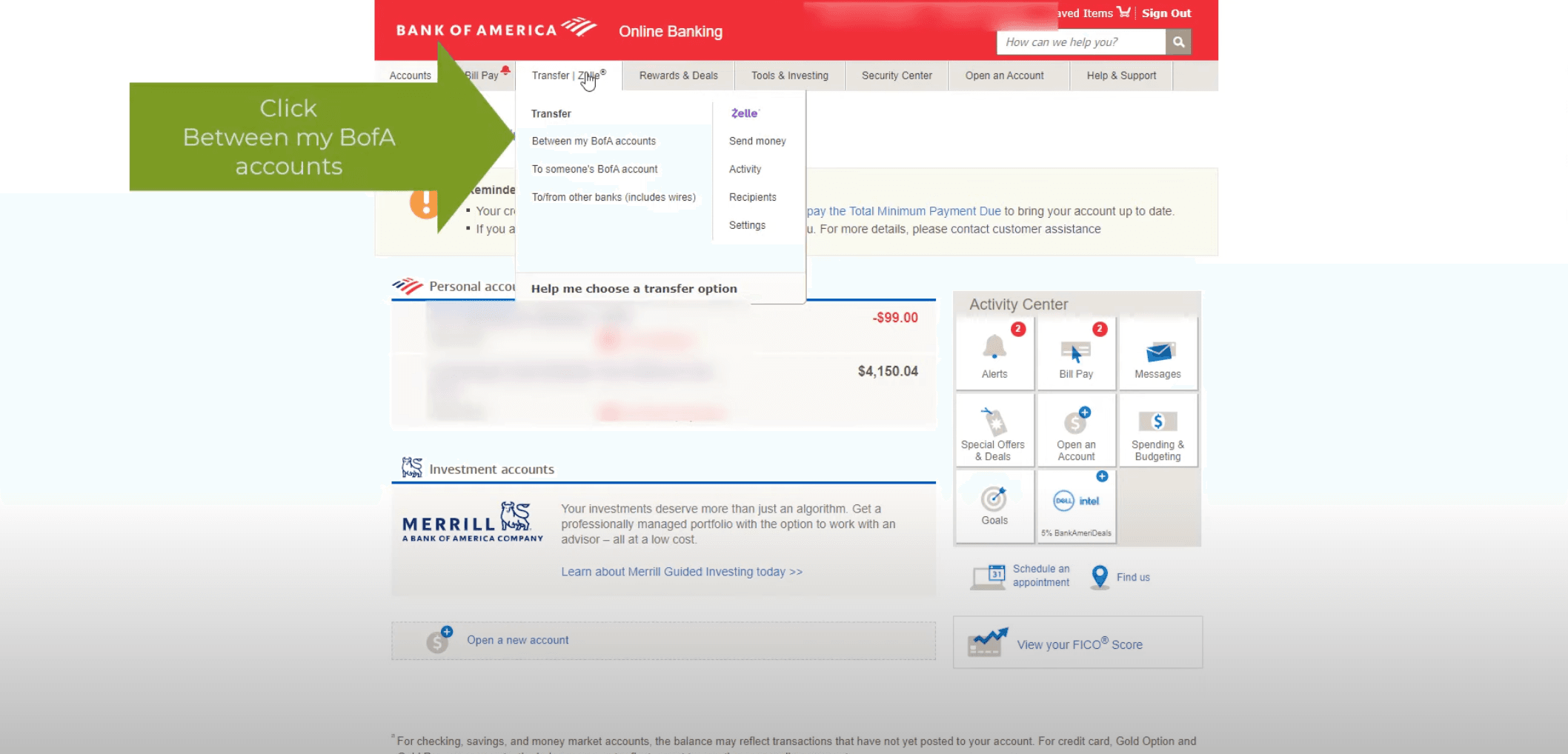
Relying solely on a phone conversation without any written proof can be problematic if disputes arise later. Without a confirmation number, an email, or a letter from Bank of America confirming the closure, proving that you initiated the cancellation can be challenging. Always request and retain written evidence of the account closure. This simple step provides a crucial safety net for your financial records.
Canceling a Bank of America credit card is a straightforward process when approached systematically and with an understanding of its financial implications. By diligently preparing your account, communicating effectively with the bank, and monitoring your credit report afterward, you can ensure a smooth transition that supports your long-term financial goals. Remember, thoughtful financial decisions today pave the way for a more secure and streamlined financial future.
aViewFromTheCave is a participant in the Amazon Services LLC Associates Program, an affiliate advertising program designed to provide a means for sites to earn advertising fees by advertising and linking to Amazon.com. Amazon, the Amazon logo, AmazonSupply, and the AmazonSupply logo are trademarks of Amazon.com, Inc. or its affiliates. As an Amazon Associate we earn affiliate commissions from qualifying purchases.