
Travel plans, by their very nature, are susceptible to change. From unforeseen emergencies to shifts in personal priorities, the need to cancel a flight is a common predicament for many travelers. When that flight is with American Airlines, a carrier renowned for its extensive network and varied fare classes, the financial implications of cancellation can range from a full refund to a complete forfeiture of your ticket’s value. This guide delves into the financial intricacies of canceling an American Airlines flight, offering a professional and insightful approach to minimizing potential losses and safeguarding your travel investment. Understanding the policies, leveraging financial tools, and adopting strategic alternatives are paramount to navigating this often-stressful situation without significant financial setbacks.

Understanding American Airlines’ Cancellation Policies and Fees
The first step in any flight cancellation scenario is to thoroughly understand the policies governing your specific ticket. American Airlines, like most major carriers, operates with a layered system of rules that vary significantly based on fare class, ticket type, and timing. Ignorance of these policies can lead to avoidable financial penalties.
Fare Class Differences: The Cost Spectrum
American Airlines offers a spectrum of fare classes, each with distinct cancellation and change rules. The most restrictive, and often cheapest, is Basic Economy. Tickets purchased under this fare are typically non-refundable and non-changeable, meaning if you cancel, you likely lose the entire fare value, save for specific exceptions like the 24-hour rule (discussed later). This stark reality underscores why Basic Economy, while attractive for its low price point, carries inherent financial risk for plans that might falter.
Moving up the ladder, Main Cabin fares offer slightly more flexibility. While often non-refundable in cash, they frequently allow changes for a fee, with the remaining value issued as a flight credit. Premium Economy, Business Class, and First Class tickets usually come with greater flexibility. Some higher-tier fares may even be fully refundable to the original form of payment, or allow changes without a fee, simply requiring payment of any fare difference. The critical takeaway here is that the initial financial commitment (the cost of the ticket) directly correlates with your flexibility and the potential financial loss upon cancellation. Always scrutinize the fare rules before booking, especially if there’s any uncertainty in your travel plans.
Non-Refundable vs. Refundable Tickets: The Key Distinction
The distinction between refundable and non-refundable tickets is perhaps the most crucial financial determinant in a cancellation scenario. A refundable ticket, while more expensive upfront, offers the ultimate financial protection: the ability to cancel and receive your money back to your original payment method, often without a cancellation fee. These are rare in economy classes but common in higher-tier business and first-class fares.
The vast majority of tickets, especially in economy and basic economy, are non-refundable. This doesn’t necessarily mean the money is lost entirely. For many non-refundable fares (excluding Basic Economy, which often yields nothing), American Airlines will issue a flight credit for the value of the ticket, minus any applicable cancellation fees. This credit can then be used towards a future flight with American Airlines, typically within one year from the original ticket issuance date. The challenge here is remembering to use the credit and ensuring your future travel plans align with its validity period, effectively locking your money into the airline’s ecosystem.
Changes vs. Cancellations: Navigating Fees
Often, the decision isn’t just about cancelling outright but considering whether a change might be a more financially prudent option. American Airlines has largely eliminated change fees for most domestic and some international Main Cabin and premium tickets, a significant policy shift prompted by the pandemic. This means if your plans shift, you might only pay the difference in fare between your original flight and the new one. This can be a substantial saving compared to cancelling a non-refundable ticket and then buying a new one from scratch, especially if the original ticket value would have been forfeited.
However, be wary of the nuances. Basic Economy tickets remain largely exempt from this fee-free change policy. And while the change fee itself might be waived, the fare difference can still be considerable. Strategically, if your travel dates or destination are flexible, exploring a change before a full cancellation could significantly reduce your financial impact.
Leveraging Travel Insurance and Credit Card Benefits
Even with the best planning, unforeseen circumstances can necessitate a flight cancellation. This is where external financial protections, such as travel insurance and credit card benefits, become invaluable tools for mitigating losses. Many travelers overlook these lifelines until it’s too late.
When Travel Insurance Kicks In
Travel insurance is a dedicated financial product designed to protect your investment against a range of travel disruptions, including flight cancellations. Policies vary widely, but typically cover cancellations due to medical emergencies, severe weather events, job loss, jury duty, and other specified covered reasons. The financial benefit is direct: reimbursement for your non-refundable expenses, including the cost of your American Airlines ticket.
It’s crucial to understand the “covered reasons” outlined in your policy document. A “Cancel For Any Reason” (CFAR) policy offers the broadest protection, allowing you to cancel for any personal reason (e.g., you simply changed your mind) and typically reimbursing 50-75% of your non-refundable costs. While more expensive, CFAR provides unparalleled financial flexibility. Standard travel insurance, however, requires a qualifying event. Always initiate a claim as soon as the need for cancellation arises, gather all necessary documentation (e.g., doctor’s notes, airline cancellation confirmations), and be prepared for the insurer’s review process. The peace of mind and financial safeguard offered by a well-chosen travel insurance policy can far outweigh its cost.
Maximizing Credit Card Travel Protections
Many premium credit cards offer inherent travel protection benefits that can rival or even surpass standalone travel insurance for certain scenarios. These benefits often include trip cancellation and interruption insurance. If you paid for your American Airlines flight entirely with an eligible credit card, you might be covered for non-refundable ticket costs if your trip is canceled due to a covered reason. Common covered reasons often align with travel insurance policies, such as sickness, injury, or severe weather.
Before purchasing separate insurance, always check your credit card’s guide to benefits. The coverage limits, deductibles, and specific conditions vary greatly by card issuer and product tier. For instance, some cards might cover up to $10,000 per trip for cancellation, while others may have lower limits. The key is to be proactive: know your card’s benefits, understand the claims process, and keep detailed records of your purchase and the reason for cancellation. Leveraging these often-overlooked benefits can be a significant financial boon, turning a potential loss into a reimbursed expense.
The Importance of Documenting Your Cancellation
Regardless of whether you’re dealing with American Airlines directly, travel insurance, or your credit card company, meticulous documentation is your best financial ally. Keep records of:
-
The original ticket purchase confirmation (email, receipt).
-
Any communication with American Airlines regarding the cancellation (chat logs, email exchanges, names of agents, date/time of calls).
-
Proof of cancellation from American Airlines.
-
Any receipts for cancellation fees paid.
-
Documentation supporting your reason for cancellation (e.g., doctor’s note, death certificate, official weather alerts).
-
Your travel insurance policy details or credit card guide to benefits.
This paper trail is critical for successfully processing refunds, credits, or insurance claims, ensuring you receive every dollar you are financially entitled to.
Strategic Alternatives to Full Cancellation
Sometimes, a full cancellation isn’t the only or most financially sound option. Exploring alternatives can help salvage some, or even all, of your original investment, particularly with non-refundable tickets. These strategies require flexibility and an understanding of the airline’s operational allowances.
Rescheduling Your Flight: Cost vs. Convenience
As mentioned, American Airlines has become more flexible with change fees for many fare types. If your travel plans have shifted but aren’t entirely abandoned, rescheduling might be more financially advantageous than cancelling. When you reschedule, you typically only pay the fare difference between your original ticket and the new one. This can be negligible or substantial, depending on the new dates and time of booking.
The financial calculation here is crucial: Is the potential fare difference less than the potential loss from cancelling a non-refundable ticket and then purchasing an entirely new one? For Main Cabin and above, if American Airlines waives change fees, rescheduling is almost always the superior financial choice, provided future travel is still desired. However, be mindful of the expiration date of your original ticket value; the new flight must generally be completed within one year of the original ticket’s issuance.
Utilizing Flight Credits and Vouchers
When an American Airlines flight is cancelled and a cash refund isn’t an option, you’ll often be issued a flight credit, sometimes referred to as a travel voucher or eCredit. These credits represent the monetary value of your original ticket (minus any fees) and are typically valid for one year from the date of original ticket issuance.
The financial strategy here is twofold:
-
Don’t Forget About Them: Many travelers lose out on these credits simply by forgetting they exist or letting them expire. Keep a meticulous record of your credit details, including the reference number, amount, and expiration date.
-
Plan Future Travel: Actively seek opportunities to use these credits for future flights. This requires a proactive approach to booking. If you have no immediate travel plans, consider whether a short, inexpensive trip could be booked to utilize the credit before it expires, effectively converting a potential loss into a leisure or business expense. Be aware that most credits are non-transferable, meaning only the original passenger can use them.
Name Changes and Transfers (If Applicable)
Generally, American Airlines tickets are non-transferable. This means you cannot simply change the name on a ticket and give it to another person. This policy is in place to prevent secondary markets and speculative reselling. However, there are extremely rare and specific exceptions, often involving significant fees, or in cases of minor typographical errors that can be corrected.
From a financial perspective, attempting to transfer a non-refundable ticket to another individual is usually not a viable strategy for recouping funds. It’s often more financially sound to explore the options of rescheduling or utilizing flight credits for your own future travel. If you have a specific, unique circumstance (e.g., a death in the family causing a name change), it’s worth contacting American Airlines directly, but anticipate a low probability of success for a free transfer.
The Step-by-Step Financial Process of Cancellation
Once you’ve assessed your financial situation, understood the policies, and considered alternatives, it’s time to execute the cancellation. The method you choose can impact the speed and clarity of your refund or credit process.
Online Cancellation: What to Look For
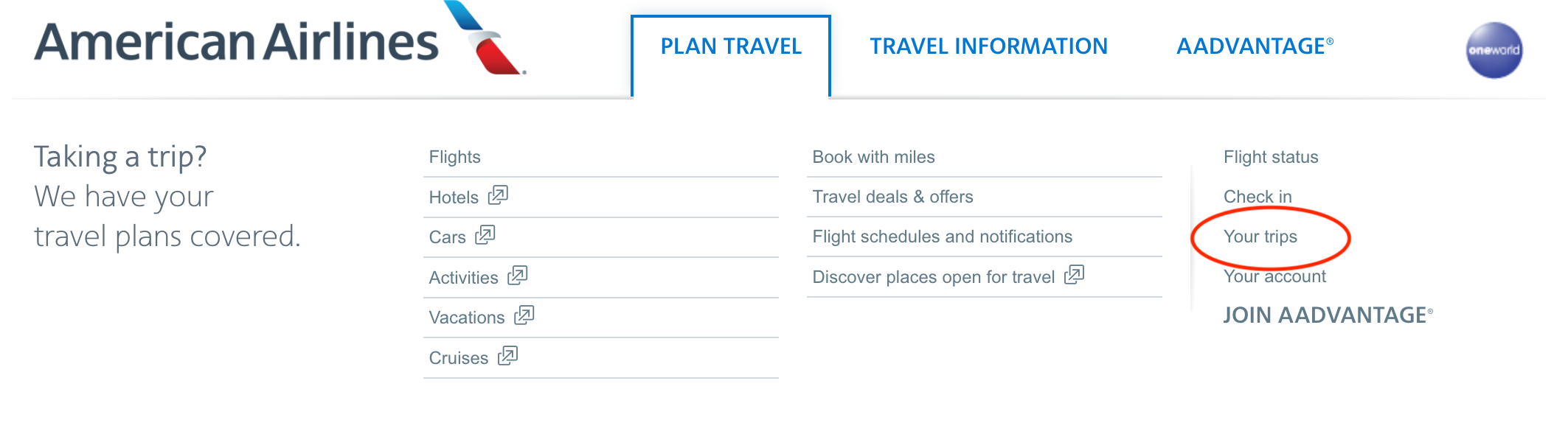
The most common and often most straightforward way to cancel an American Airlines flight is online through their website or mobile app. Navigate to “My Trips” or “Manage Trip,” enter your record locator and last name, and locate the option to cancel.
During the online cancellation process, pay close attention to the final confirmation screens. These screens should explicitly state:
-
Whether you are eligible for a refund to your original payment method.
-
The amount of any cancellation fees deducted.
-
The value of any flight credit or eCredit issued.
-
The validity period and unique identifier for any credit.
Screenshot or save these confirmation pages. They are your financial proof of the transaction and crucial for any future inquiries or disputes. If the online portal doesn’t offer a clear path to your desired outcome (e.g., a refund you believe you’re entitled to), it’s time to consider phone cancellation.
Phone Cancellation: Key Questions to Ask
Calling American Airlines directly (Customer Service or Reservations) provides an opportunity to speak with an agent who can clarify policies and potentially offer solutions not readily available online. This is particularly useful for complex itineraries, tickets purchased through third parties, or when disputing a fee.
When on the phone, be prepared with your record locator and have your questions ready. Specifically, financially oriented questions include:
-
“Am I eligible for a cash refund based on my fare class and reason for cancellation?”
-
“What is the exact amount of the cancellation fee, and what is it for?”
-
“If I receive a flight credit, what is its exact value and expiration date?”
-
“Can you confirm the credit will be issued in my name, and how can I track its status?”
-
“Is there any way to waive the cancellation fee given my circumstances (if applicable, and always polite)?”
Always get the agent’s name or ID, the date and time of the call, and a reference number for the cancellation. These details are vital for follow-up.
Following Up on Refunds and Credits
The cancellation process doesn’t end with a confirmation message; it concludes when your money is back in your account or your credit is accessible.
-
For Refunds: Typically, refunds to the original payment method can take 7-14 business days, sometimes longer depending on your bank. Keep an eye on your credit card or bank statements. If the refund doesn’t appear within the expected timeframe, use your documentation to follow up with American Airlines and, if necessary, your financial institution.
-
For Credits: Ensure you receive the email confirmation for your eCredit and add it to a personal finance tracking system or calendar reminder. Note its expiration date prominently. If you don’t receive the credit within a few days, contact American Airlines with your cancellation reference.
Persistent, polite follow-up is a key financial discipline to ensure you receive what you are owed.
Proactive Measures to Protect Your Travel Investment
The best way to mitigate financial losses from flight cancellations is to be proactive in your booking decisions and financial planning. A little foresight can save a lot of money and stress down the line.
Booking Flexibility: A Premium Worth Paying?
When booking, consider the inherent value of booking flexibility. While Basic Economy tickets offer the lowest initial price, their rigidity can lead to 100% financial loss if plans change. Main Cabin fares, with their often-waived change fees, present a more balanced risk-reward profile. If there’s even a slight chance of needing to adjust your travel, paying a little extra for a more flexible fare upfront can be a wise financial investment, reducing the potential for significant penalties later. Evaluate your personal circumstances and risk tolerance against the fare rules for each option.
Understanding the “24-Hour Rule”
A critical, consumer-friendly policy to remember is the U.S. Department of Transportation’s “24-hour rule.” This rule mandates that for flights to or from the United States, if you book a non-refundable ticket at least seven days before departure, you have 24 hours from the time of purchase to cancel it without penalty and receive a full refund. This provides a crucial window for buyers’ remorse, double-checking dates, or finding a better deal. It’s a free financial “safety net” that every traveler should leverage. Always confirm the application of this rule with American Airlines, as interpretations can vary slightly.

Maintaining a Travel Contingency Fund
Beyond specific insurance and credit card benefits, a broader personal finance strategy is to maintain a travel contingency fund. This is a dedicated savings account for unexpected travel expenses, changes, or even the loss of non-refundable flight costs. Knowing you have a financial buffer can alleviate the stress of cancellation, allowing you to absorb minor losses or cover the costs of last-minute rebookings without derailing your overall financial health. It’s an extension of prudent financial planning to account for the unpredictable nature of travel.
In conclusion, canceling an American Airlines flight can be a complex financial exercise, but it doesn’t have to result in complete loss. By understanding American Airlines’ nuanced policies, strategically leveraging travel insurance and credit card benefits, exploring all alternatives to outright cancellation, meticulously following the cancellation process, and adopting proactive financial habits, you can significantly minimize your exposure to financial risk. Approach each cancellation as a financial decision-making process, armed with knowledge and foresight, and you’ll protect your hard-earned money even when travel plans go awry.
aViewFromTheCave is a participant in the Amazon Services LLC Associates Program, an affiliate advertising program designed to provide a means for sites to earn advertising fees by advertising and linking to Amazon.com. Amazon, the Amazon logo, AmazonSupply, and the AmazonSupply logo are trademarks of Amazon.com, Inc. or its affiliates. As an Amazon Associate we earn affiliate commissions from qualifying purchases.