
In the realm of personal finance, managing recurring expenses like insurance premiums is paramount. While setting up insurance policies often feels like a significant financial decision, the process of canceling one, particularly with a major provider like Allstate, requires an equally strategic approach to ensure financial stability, avoid unnecessary costs, and maintain seamless coverage. This guide delves into the financial nuances of terminating your Allstate insurance policy, providing actionable insights to help you navigate the process effectively and safeguard your financial interests.
Understanding the Financial Implications of Cancelling Your Insurance
Canceling an insurance policy isn’t merely a clerical task; it’s a financial decision with a range of potential impacts on your personal finances. Before initiating the cancellation process, it’s crucial to grasp these implications to make informed choices.

The Immediate Financial Repercussions: Refunds and Premiums
When you cancel an insurance policy, one of the most immediate financial questions is about refunds. Allstate, like most insurers, typically offers prorated refunds for any unused premium you’ve paid in advance. For example, if you’ve paid for a full year of coverage upfront and cancel halfway through, you should receive a refund for the remaining six months. However, the exact calculation can vary depending on your policy terms and the timing of your cancellation. Some policies might have a small cancellation fee, though this is less common with standard auto or home insurance. It’s essential to review your specific policy documents or speak with an Allstate representative to understand the precise refund policy applicable to your situation. Delaying cancellation can mean paying for coverage you no longer need, eating into your budget unnecessarily. Conversely, understanding the refund timeline can help you budget for the transition period between policies.
Avoiding Gaps in Coverage: A Financial Risk Assessment
A critical financial risk associated with canceling insurance is the potential for a lapse in coverage. If you cancel your existing Allstate policy before your new policy is active, you could face a period of being uninsured. This gap can lead to significant financial vulnerabilities. For instance, if you’re involved in an accident while uninsured, you would be personally liable for all damages, medical bills, and potential legal fees, which can quickly amount to tens or hundreds of thousands of dollars – a catastrophic blow to anyone’s financial well-being. Furthermore, most states require continuous auto insurance coverage, and a lapse can result in fines, license suspension, or even vehicle registration suspension, incurring additional financial penalties. Mortgage lenders also mandate continuous home insurance coverage; a lapse could trigger force-placed insurance, which is typically much more expensive and offers less comprehensive protection than a policy you’d purchase yourself. Strategically, ensuring a seamless transition from one policy to another is paramount to mitigate these substantial financial risks.
Impact on Future Premiums and Financial Standing
While not always immediately apparent, your insurance history, including cancellations and coverage gaps, can influence your future insurance premiums. A history of continuous coverage often signals reliability to insurers, potentially leading to better rates. Conversely, a lapse in coverage, even a brief one, can sometimes flag you as a higher risk, potentially resulting in increased premiums when you seek new coverage. From a financial perspective, consistent, uninterrupted insurance coverage is a component of a strong financial profile. It demonstrates responsible financial management and can indirectly contribute to better rates on future financial products, not just insurance. Therefore, approaching cancellation as part of a broader financial strategy, ensuring a new policy is secured before the old one is terminated, is a financially prudent decision.
Navigating the Cancellation Process: A Financial Due Diligence
Executing the cancellation of your Allstate insurance requires a methodical approach, treating each step as a component of sound financial management. Effective communication and documentation are key to a smooth transition and protecting your financial interests.
Gathering Essential Financial Information and Policy Details
Before contacting Allstate, compile all necessary financial and policy information. This includes your policy number(s) for all policies you intend to cancel (auto, home, life, etc.), your account number, the effective date of your current policy, and the desired cancellation date. Having this information readily available will streamline the conversation with Allstate representatives and prevent delays. Consider also having details about your new insurance provider and policy start date, as this demonstrates a planned transition and can often expedite the process. Treating this preparation as a financial audit of your insurance portfolio ensures you have all the facts at your fingertips, reducing the chance of errors or misunderstandings that could have financial repercussions.
Choosing Your Communication Channel: Efficiency and Documentation
Allstate typically offers several methods for policy cancellation:
- Phone Call: Often the quickest way to initiate a cancellation and discuss financial details like refunds. Be prepared for retention efforts, which may involve offers to stay, potentially with a discount. From a financial perspective, evaluate these offers critically against the savings and benefits of your new policy.
- Contacting Your Agent: If you purchased your policy through a local Allstate agent, they can often facilitate the cancellation directly. This can be beneficial as they understand your specific policy and may offer personalized advice regarding financial implications.
- Written Request (Mail/Email): For documentation purposes, a written request is highly recommended, especially if you want a clear record of your cancellation request and the effective date. Send it via certified mail with a return receipt if you want undeniable proof of delivery. This creates a paper trail, which is invaluable if any financial disputes arise regarding your refund or cancellation date.
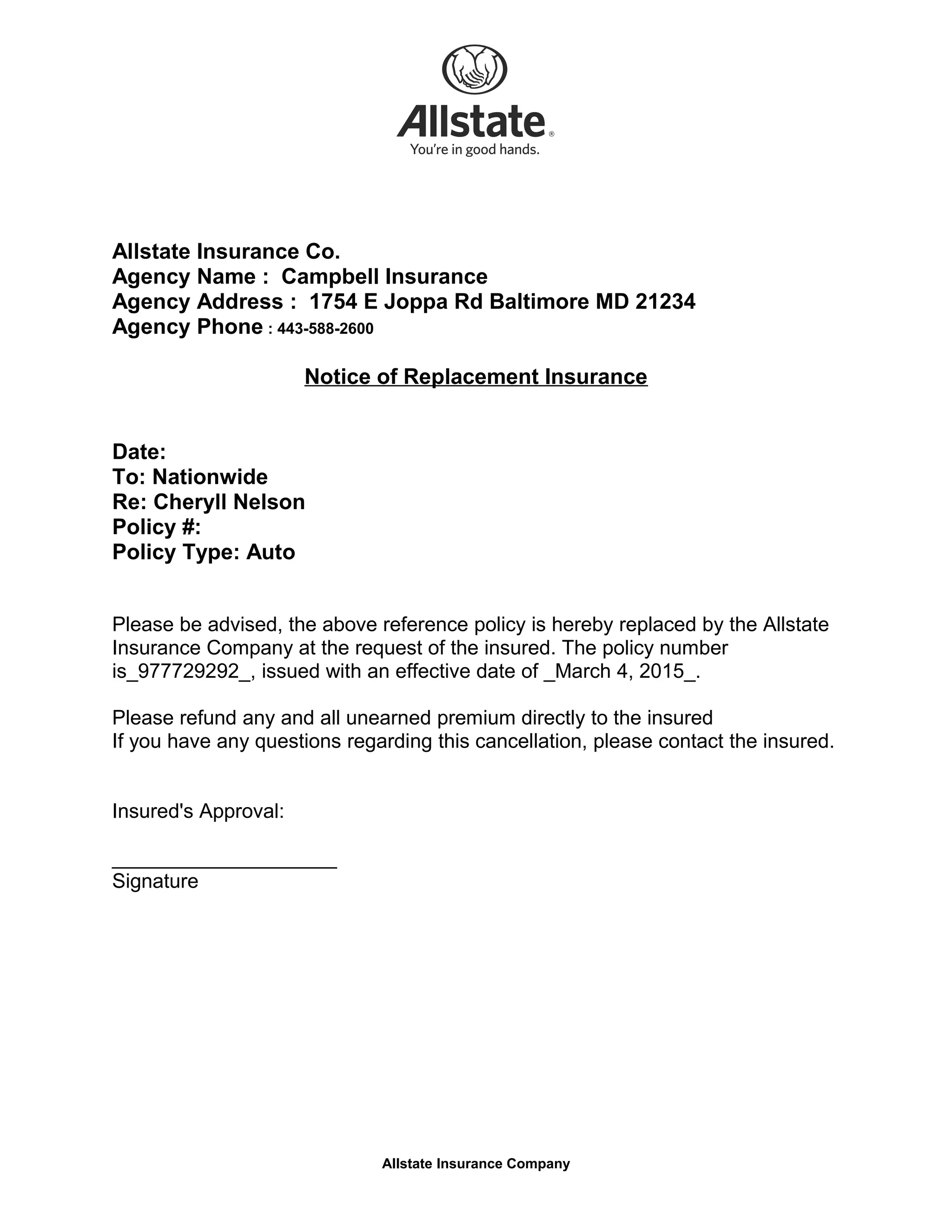
Regardless of the initial method, always request a written confirmation of your policy cancellation and the effective date. This document is a crucial financial record, proving that your policy has been terminated and that you are no longer liable for premiums from that date forward. Store this confirmation with your other important financial documents.
The Importance of the Effective Cancellation Date
Choosing the right effective cancellation date is a critical financial decision. Ideally, this date should coincide precisely with the effective start date of your new insurance policy. This prevents any gaps in coverage and ensures you are not paying for two policies simultaneously. Discuss this synchronization explicitly with both your Allstate representative and your new insurer. A precise overlap by even a day or two can be financially beneficial, guaranteeing continuous protection and optimizing your premium payments.

Maximizing Your Savings and Minimizing Penalties
Optimizing the cancellation process involves more than just getting a refund; it’s about minimizing any financial downside and ensuring you transition to a more cost-effective solution without unnecessary expenses.
Timing Your Cancellation for Optimal Financial Outcome
The timing of your cancellation can significantly impact your financial return.
- Avoid Short-Rate Penalties: While less common with major insurers for standard policies, some policies might have “short-rate” cancellations, where the insurer keeps a small percentage of the unearned premium as a penalty for early termination. This is why understanding your specific policy’s terms is crucial.
- Prorated Refunds: Most cancellations will result in a prorated refund. To maximize this, ensure your cancellation request is processed promptly once you’ve secured new coverage. The longer you wait, the more premium you essentially “lose” by paying for coverage you no longer need.
- Mid-Term vs. Renewal: Cancelling mid-term is usually straightforward. If your policy is nearing its renewal date, you might simply choose not to renew, often by informing Allstate before the renewal period. This avoids the cancellation process altogether and often ensures no fees or refund complexities. Financially, choosing not to renew can be the cleanest exit strategy if it aligns with your timeline.
Strategic Comparison Shopping Before You Cancel
A core tenet of sound financial management is comparison shopping. Before you even consider canceling your Allstate policy, you should have thoroughly researched and obtained quotes from multiple other insurance providers.
- Holistic Cost-Benefit Analysis: Don’t just look at the premium price. Compare deductibles, coverage limits, specific exclusions, and available discounts. A slightly higher premium might be justified by superior coverage that protects your assets more effectively in the long run, potentially saving you more financially during a claim.
- Leverage Competition: Use competitive quotes to your advantage. Sometimes, presenting a lower quote from another insurer to Allstate might prompt them to offer a better rate to retain your business. This “retention discount” could potentially save you money and keep you with a familiar provider if that’s your preference.
- Understand Total Value: Consider factors beyond the immediate premium, such as the new insurer’s financial stability (rated by agencies like A.M. Best), customer service reputation (crucial during claims), and ease of managing policies online or via an app. These aspects contribute to the overall financial value and peace of mind.
Ensuring Continuous Coverage: A Financial Safety Net
The period of transition between insurance policies is a critical time for financial risk. Proactive steps must be taken to ensure your assets remain protected and you avoid potential legal and financial liabilities.
Securing Your New Policy Before Cancellation
This cannot be stressed enough: do not cancel your Allstate policy until your new policy is firmly in place and active. Obtain confirmation of your new policy’s start date and ensure all necessary payments have been made to activate it. Request proof of insurance from your new provider immediately. This could be an insurance card (for auto), a declaration page (for home), or a certificate of insurance. This ensures that from a financial standpoint, your assets are continuously covered, eliminating any gap in protection. Any lapse, even for a day, can leave you financially exposed.
Documenting Your New Policy Details
Once your new policy is active, update your financial records. Store the new policy’s declaration page, insurance cards, and contact information for your new insurer in a safe and accessible place. If your home insurance is linked to a mortgage, notify your lender immediately of the change to prevent them from force-placing coverage on your behalf, which would be financially detrimental. Similarly, for auto insurance, update your state’s DMV records if required. Maintaining organized records is a fundamental aspect of personal finance, especially for critical assets like insurance.
Post-Cancellation Financial Review and Future Planning
Once your Allstate policy is successfully canceled and your new coverage is in place, the financial management isn’t over. A crucial final step is to review and plan for the future.
Updating Financial Records and Budget Adjustments
Upon receiving your prorated refund from Allstate (if applicable), reconcile this amount with your expectations. Update your personal budget to reflect the new premium payments. If you’ve secured a lower rate, redirect those savings towards other financial goals, such as building an emergency fund, paying down debt, or investing. If your new premiums are higher, adjust your budget accordingly to ensure you can comfortably meet these new financial obligations. This financial hygiene is vital for maintaining control over your cash flow.
Regular Review of Insurance Needs and Policies
Insurance is not a set-it-and-forget-it financial product. Your life circumstances change, and so do your insurance needs.
- Life Events: Major life events such as marriage, buying a new home, having children, or purchasing a new car all warrant a review of your insurance policies. These events can significantly alter your financial risk profile and require adjustments to your coverage limits or types of policies.
- Market Changes: The insurance market is dynamic. Premiums, available discounts, and coverage options evolve. It’s financially prudent to comparison shop for insurance at least annually, or every two to three years, even if you are satisfied with your current provider. This ensures you’re always getting the best value for your money and that your coverage remains appropriate for your financial situation.
- Financial Growth: As your assets grow, so too should your liability coverage. An umbrella policy, for instance, offers additional financial protection above your standard home and auto policies, safeguarding your accumulated wealth from potential lawsuits.
Canceling your Allstate insurance, when approached with a clear understanding of its financial implications and a strategic plan, can be a beneficial step in optimizing your personal finance portfolio. By prioritizing seamless coverage, diligent documentation, and proactive financial management, you can ensure a smooth transition that protects your assets and enhances your overall financial well-being.
aViewFromTheCave is a participant in the Amazon Services LLC Associates Program, an affiliate advertising program designed to provide a means for sites to earn advertising fees by advertising and linking to Amazon.com. Amazon, the Amazon logo, AmazonSupply, and the AmazonSupply logo are trademarks of Amazon.com, Inc. or its affiliates. As an Amazon Associate we earn affiliate commissions from qualifying purchases.