
Life is unpredictable, and sometimes, even the most meticulously planned travel itineraries fall victim to unforeseen circumstances. When you find yourself needing to cancel a United Airlines flight, the immediate concern often shifts from the logistics of cancellation to the financial implications. Navigating airline cancellation policies can feel like deciphering a complex financial instrument, with varying fare rules, potential fees, and the ever-present question of whether you’ll receive a refund, a flight credit, or nothing at all. This guide aims to demystify the process of cancelling a United flight through a financial lens, empowering you to make informed decisions that minimize monetary loss and maximize your potential for recouping value.
Understanding the nuances of United’s cancellation policies is not just about following steps; it’s about safeguarding your personal finances. From the crucial 24-hour rule to the intricate details of fare types and the often-overlooked benefits of travel insurance or credit card protections, every aspect has a direct impact on your wallet. By approaching the cancellation process strategically, you can transform a potentially costly setback into a managed financial transaction, preserving your hard-earned money and future travel flexibility.
Understanding United’s Cancellation Policies: A Financial Lens
The cornerstone of any flight cancellation is the airline’s policy, and for United, these policies are designed with various fare types and scenarios in mind. Grasping these foundational rules is the first step towards a financially prudent cancellation.
The 24-Hour Rule: Your Best Financial Safety Net
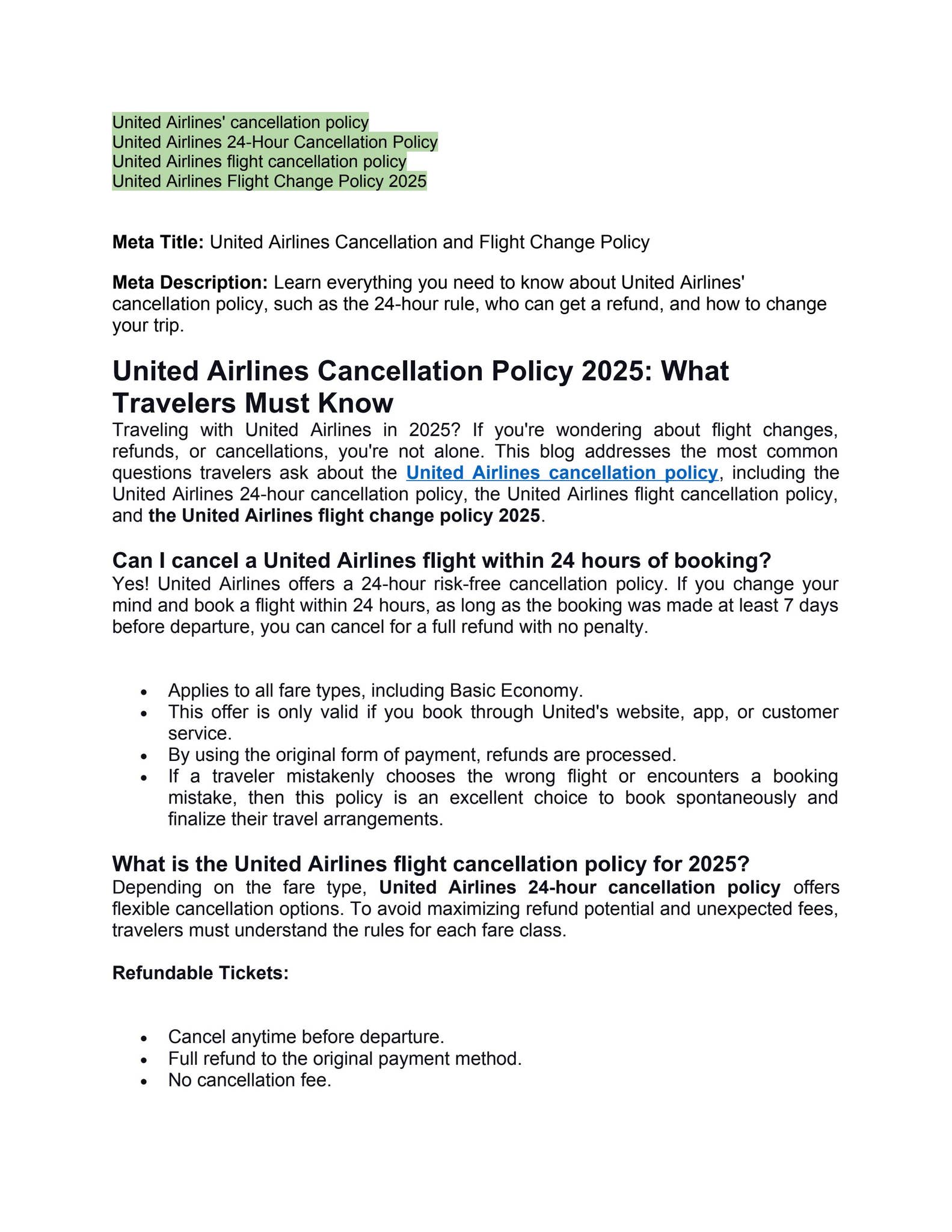
The Department of Transportation (DOT) mandates a consumer-friendly provision known as the 24-hour rule, which is arguably your most powerful financial ally when plans unexpectedly change. This rule dictates that for flights to or from the United States, airlines must allow passengers to hold a reservation at the quoted fare without payment, or cancel a reservation without penalty, for 24 hours after the reservation is made, provided the reservation is made at least seven days prior to the flight’s departure.
For United, this means if you book a flight and within 24 hours realize you’ve made a mistake, found a better deal, or simply need to cancel, you are entitled to a full refund to your original form of payment, without any cancellation fees. This period is a critical window for financial review and adjustment. It’s essential to act swiftly within this timeframe to ensure 100% recoupment of your funds, bypassing the complexities and potential costs associated with later cancellations. Missing this window, even by a few minutes, can trigger standard cancellation policies and associated financial penalties.
Fare Types and Their Financial Impact
United Airlines, like most major carriers, offers a spectrum of fare types, each carrying distinct financial implications for cancellations. Understanding these differences before booking can save you significant money down the line.
- Basic Economy: This is United’s most restrictive and typically cheapest fare. From a financial perspective, Basic Economy tickets are generally non-changeable and non-refundable, except within the 24-hour rule. If you cancel a Basic Economy ticket outside the 24-hour window, you will usually forfeit the entire ticket price. The financial rigidity of Basic Economy means these fares are best suited for travelers absolutely certain of their plans.
- Standard Economy and Premium Economy: For most domestic and international flights, United has largely eliminated change fees for standard Economy and Premium Economy tickets originating in the U.S. This is a significant financial relief. While a direct cash refund might still be subject to specific conditions (e.g., refundable fares), canceling these tickets typically results in a flight credit for the value of the ticket, minus any fare difference if you opt for a change rather than a full cancellation. This credit usually doesn’t expire and can be used for future United flights, preserving the monetary value for later use.
- Business/First Class (Non-Refundable vs. Refundable): Even premium cabin tickets can be non-refundable. However, more flexible Business and First Class fares often come with the option for a full refund to the original form of payment, sometimes for a higher initial price. It’s crucial to distinguish between “non-refundable” and “refundable” premium fares at the time of purchase. The financial benefit of a refundable fare is clear: full recoupment of your investment if plans change.
- Award Travel (Miles): When canceling a flight booked with United MileagePlus miles, the financial impact is generally tied to the redeposit of your miles and any associated taxes or fees. United has also largely eliminated redeposit fees for most award tickets for MileagePlus members. Your miles are usually redeposited, and any collected taxes/fees are refunded to your original payment method.
The key financial takeaway here is that cheaper fares often come with higher financial risk if you need to cancel. Investing slightly more in a flexible fare can act as a form of self-insurance, providing a safety net against unforeseen changes.
Change vs. Cancellation: Weighing the Costs
Sometimes, a change of plans doesn’t necessitate a full cancellation; it might just mean shifting dates or destinations. Financially, comparing the cost of changing a flight versus cancelling and rebooking can be critical.
- Change Fees: United has done away with change fees for most Economy and premium cabin tickets originating in the U.S. This is a massive financial boon. However, if you’re changing to a flight that is more expensive, you will still be responsible for the fare difference. If the new flight is cheaper, you typically receive a flight credit for the difference.
- Basic Economy Changes: As noted, Basic Economy generally does not allow changes. Any alteration would effectively mean cancelling (and forfeiting the ticket value) and purchasing a new ticket, which is almost always a greater financial loss than a standard fare change.
- International Flights: While domestic and short-haul international flights (e.g., to Mexico/Caribbean) from the U.S. often have no change fees, more complex international itineraries might still incur them, depending on the origin, destination, and fare rules. Always verify the specific rules for your international booking.
The financial decision between changing and cancelling often boils down to assessing whether the new flight fulfills your needs at an acceptable additional cost (fare difference) versus losing your original ticket value (in the case of non-refundable cancellations) or receiving a flight credit that you may or may not use in time.
Navigating the Cancellation Process for Optimal Financial Outcomes
Once you understand the policies, the next step is to execute the cancellation in a way that maximizes your financial return, whether that’s a cash refund, a travel credit, or the redeposit of miles.
Step-by-Step Online Cancellation: Maximizing Your Refund Potential
For most tickets, cancelling online via United’s website or mobile app is the most efficient and financially transparent method.
- Log In: Access your United account or retrieve your reservation using your confirmation number and last name.
- Locate Reservation: Find the specific flight you wish to cancel under “My Trips.”
- Initiate Cancellation: Look for options like “Change or Cancel Flight.”
- Review Financial Options: This is the most crucial step. Before confirming, United will display the financial implications. This might include:
- Refund to Original Form of Payment: If eligible (e.g., within 24 hours, refundable fare, or airline-initiated change), this is the ideal financial outcome.
- Flight Credit: For non-refundable fares, this will typically show the value you’ll receive as a future travel credit. Pay attention to any expiration dates, though United has made most credits non-expiring.
- Forfeit Value: For Basic Economy or highly restrictive fares outside the 24-hour window, it might explicitly state that no refund or credit will be issued.
- Confirm Cancellation: Only proceed once you fully understand the financial outcome.
- Confirmation Email: Save the confirmation email for your records, as it serves as proof of cancellation and outlines the refund/credit details.
This online process ensures you have a clear, documented understanding of the financial transaction before it’s finalized.
Direct Contact with United: When to Call for Financial Clarity
While online cancellation is convenient, certain situations warrant a direct call to United customer service to ensure the best financial resolution.
- Complex Bookings: Multi-city itineraries, bookings with partner airlines, or unique situations might not process correctly online. A phone agent can manually verify eligibility for refunds or credits.
- Waivers and Special Circumstances: In cases of documented illness, death in the family, or other extraordinary circumstances, United may offer waivers for cancellation fees or provide a cash refund even on non-refundable tickets. These require direct communication and often supporting documentation.
- Airline-Initiated Changes: If United significantly changes your flight (e.g., major schedule alteration, route cancellation), you are typically entitled to a full cash refund, even on non-refundable tickets. While sometimes offered online, a call can expedite the process and ensure you get a cash refund rather than just a flight credit.
- Discrepancies: If the online system shows an outcome you believe is incorrect based on policy, a phone agent can review and potentially rectify it.
When calling, be prepared with your confirmation number, specific details of your situation, and a clear understanding of the financial outcome you are seeking. Document the date, time, and name of the agent for future reference.
Understanding Flight Credits and Vouchers: Future Financial Value
For many non-refundable tickets, cancelling results in a flight credit or e-certificate. These aren’t cash refunds but represent future financial value with United.
- Expiration Dates: While United has eliminated expiration dates for most flight credits issued from tickets purchased after May 1, 2021, and for all existing flight credits, always double-check the terms. Older credits might still have deadlines. Losing track of an expiring credit is equivalent to losing the money.
- Usage: Flight credits are typically tied to the original passenger but can sometimes be used by others if transferred correctly (check specific terms). They are applied as a form of payment for future United flights.
- Tracking: Keep track of your credit numbers and amounts. They are usually stored within your MileagePlus account. Proactively monitor your account to ensure credits are correctly applied and to prevent them from being forgotten.
Treat flight credits as a form of deferred payment for future travel. Their financial value is only realized when they are successfully redeemed.
Minimizing Financial Loss: Proactive Strategies and Contingency Planning
The best defense against financial loss from a cancelled flight is proactive planning and leveraging available financial tools.
The Role of Travel Insurance in Financial Protection
Travel insurance is a direct financial investment designed to protect against unexpected travel disruptions, including cancellations.
- Trip Cancellation Insurance: This covers non-refundable costs if you must cancel your trip for covered reasons (e.g., illness, injury, severe weather, job loss). It reimburses you for the money you would otherwise lose on your United flight.
- “Cancel For Any Reason” (CFAR) Insurance: A more expensive but highly flexible option, CFAR insurance typically allows you to cancel your trip for any reason whatsoever and receive a percentage (usually 50-75%) of your non-refundable costs back. This is the ultimate financial safety net for those who need maximum flexibility, especially with expensive, non-refundable United tickets.
When considering travel insurance, carefully read the policy’s terms and conditions, especially the “covered reasons” for cancellation and the reimbursement limits, to ensure it aligns with your potential financial risks.
Credit Card Benefits and Protections
Many premium travel credit cards offer built-in travel insurance benefits that can protect your United flight purchase.
- Trip Cancellation/Interruption Coverage: Similar to standalone insurance, many cards offer coverage for non-refundable expenses (like your United ticket) if your trip is cancelled or interrupted due to covered reasons. This benefit can often cover what United’s policy won’t refund directly.
- Automatic Enrollment: If you pay for your flight entirely with an eligible credit card, these benefits are often automatically activated, providing a financial safety net without an additional premium.
- Reimbursement for Specific Costs: Some cards might also cover costs associated with unexpected delays or rebookings.
Check your specific credit card’s guide to benefits to understand the coverage limits, eligible reasons, and claim procedures. This can be a valuable, often overlooked, financial protection.
Monitoring for Schedule Changes: An Unexpected Refund Opportunity
United, like all airlines, occasionally makes changes to its flight schedule. These changes can sometimes be a financial blessing in disguise.
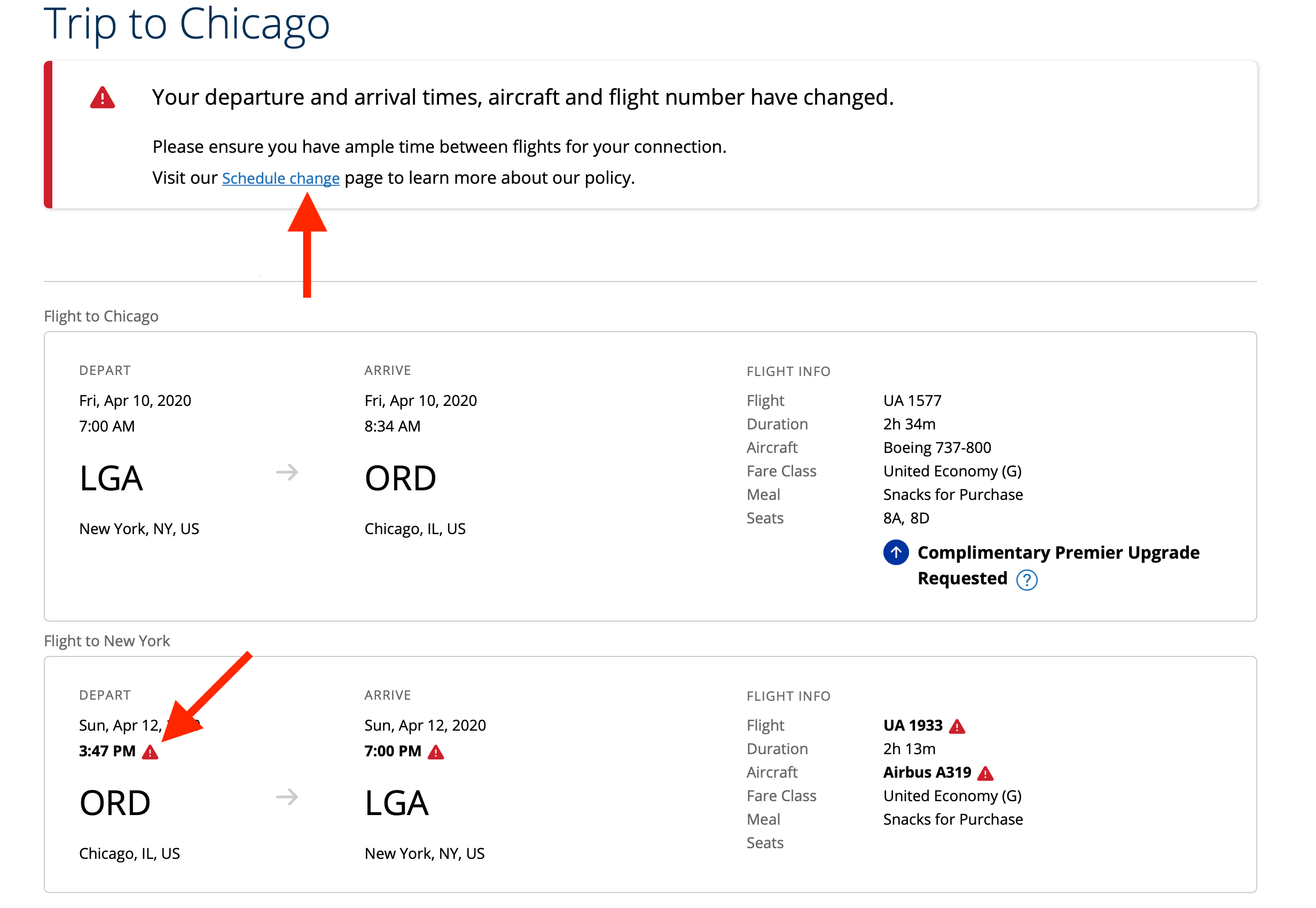
- Significant Change Equals Refund: If United makes a “significant” schedule change (e.g., changes departure/arrival time by several hours, adds a connection, changes the origin/destination city), you are typically entitled to a full cash refund, regardless of the fare type. This applies even to Basic Economy tickets.
- Proactive Monitoring: It pays to periodically check your flight status, especially as the departure date approaches. United will usually notify you of changes, but sometimes these notifications are missed or delayed.
- Acting on the Opportunity: If you identify a significant change, contact United (online or by phone) to request your full refund. Clearly state that you are requesting a refund due to the airline-initiated schedule change. This is a crucial strategy to convert a non-refundable ticket into a full cash return.
Post-Cancellation Financial Management
The process doesn’t end with confirmation of cancellation. Proper financial management afterward ensures you fully realize any refund or credit due.
Tracking Refunds and Credits
Once you’ve cancelled, it’s essential to monitor your accounts.
- Cash Refunds: Allow 7-10 business days for a refund to process back to your original payment method (credit card or bank account). If it hasn’t appeared within this timeframe, follow up with United. Keep all confirmation numbers.
- Flight Credits: Verify that the flight credit has been correctly added to your MileagePlus account. Check the balance and any associated details. Ensure it reflects the expected amount and is available for use.
Diligent tracking prevents financial oversight and ensures you receive what you are owed.
Appealing Unfavorable Outcomes
If you believe United has incorrectly processed your cancellation or denied a refund you are entitled to, you have avenues for appeal.
- Gather Documentation: Collect all relevant information: booking confirmation, cancellation confirmation, screenshots, email exchanges, and any supporting documents for special circumstances (e.g., doctor’s note).
- Contact Customer Relations: If phone agents cannot resolve the issue, escalate to United’s Customer Relations department, typically via their website’s feedback form or a dedicated email address. Clearly and concisely state your case, referencing policies and providing documentation.
- DOT Complaint: As a last resort, if United fails to provide a satisfactory resolution for a DOT-regulated flight, you can file a complaint with the Department of Transportation. This can sometimes prompt further review and resolution from the airline.
Persistence, coupled with clear documentation and a firm understanding of your financial rights, can often lead to a favorable outcome when an initial decision seems unjust.

Conclusion
Cancelling a flight with United doesn’t have to be a financially devastating experience. By adopting a proactive and informed approach, travelers can significantly mitigate potential losses and even recover substantial value. From leveraging the critical 24-hour rule to strategically choosing fare types, understanding the intricacies of flight credits, and utilizing external financial safeguards like travel insurance or credit card benefits, every step offers an opportunity to protect your personal finances.
Unexpected changes are an inevitable part of life and travel. However, armed with a deep understanding of United’s policies and a focus on the financial implications of each decision, you can navigate the cancellation process with confidence, ensuring that your travel budget remains as healthy as possible, even when your travel plans go awry.
aViewFromTheCave is a participant in the Amazon Services LLC Associates Program, an affiliate advertising program designed to provide a means for sites to earn advertising fees by advertising and linking to Amazon.com. Amazon, the Amazon logo, AmazonSupply, and the AmazonSupply logo are trademarks of Amazon.com, Inc. or its affiliates. As an Amazon Associate we earn affiliate commissions from qualifying purchases.