
Canceling a credit card, especially one from a prestigious issuer like American Express, is a significant financial decision that warrants careful consideration and a strategic approach. While the process itself might seem straightforward, understanding the underlying financial implications and navigating the necessary steps can save you from potential pitfalls and ensure your financial health remains intact. Whether you’re consolidating debt, simplifying your financial life, avoiding annual fees, or simply no longer using the card, approaching the cancellation with insight and preparation is paramount. This comprehensive guide will walk you through everything you need to know, from pre-cancellation financial assessments to post-cancellation best practices, all within the purview of sound personal finance management.
Preparing for Cancellation: Essential Financial Considerations
Before you even think about dialing American Express, it’s crucial to conduct a thorough financial review. Rushing into a cancellation can have unintended consequences for your credit score, access to funds, and even potential financial liabilities. This preparatory phase is a cornerstone of responsible financial management.
Reviewing Your Account Balance and Pending Transactions
The first and most critical step is to ensure your account balance is zero. This means not only paying off your current statement balance but also accounting for any pending transactions that have yet to post. American Express, like other issuers, will not allow you to close an account with an outstanding balance.
- Pay Off Your Balance: Clear the full outstanding amount well in advance of your desired cancellation date. Allow sufficient time for payments to process and reflect on your account.
- Check for Pending Charges: Review your recent activity for any purchases that haven’t yet posted. These will need to clear, and you’ll need to pay them off before cancellation can proceed smoothly.
- Avoid New Purchases: Stop using the card entirely once you’ve made the decision to cancel. This prevents new charges from appearing and complicating the final closure.
Assessing Rewards Points and Benefits
American Express is renowned for its valuable rewards programs, from Membership Rewards points to airline miles and hotel loyalty points. Canceling your card can often mean forfeiting these accumulated benefits, which is a significant financial loss if not managed properly.
- Redeem Your Rewards: Before you initiate cancellation, redeem all your accumulated points, miles, or cash back. American Express typically has a policy where points linked to a specific card account are forfeited upon closure if you don’t have another eligible Amex card to transfer them to.
- Utilize Any Remaining Benefits: Check for any unused travel credits, lounge access passes, statement credits, or other perks tied to the card’s annual fee. These benefits are usually tied to the card account and will be lost upon cancellation.
- Understand Annual Fee Refunds: If you’re canceling shortly after your annual fee posts, you might be eligible for a pro-rated refund. American Express often provides a full refund if you cancel within a certain timeframe (e.g., 30-60 days) after the fee posts. Confirm this policy with them during your call.
Understanding the Impact on Your Credit Score
Canceling a credit card can have both immediate and long-term effects on your credit score, a critical component of your financial health. These impacts primarily revolve around credit utilization and the average age of your credit accounts.
- Credit Utilization Ratio: This is the amount of credit you’re using compared to your total available credit. Closing a card reduces your total available credit, which can increase your utilization ratio if you carry balances on other cards. A higher utilization ratio (generally above 30%) can negatively impact your score.
- Mitigation: Pay down balances on other cards before closing the Amex card to keep your overall utilization low.
- Average Age of Accounts: A longer credit history generally bodes well for your score. If the American Express card is one of your oldest accounts, closing it can reduce the average age of your active credit accounts, potentially lowering your score over time.
- Consideration: If you have many other long-standing accounts, the impact might be minimal. If it’s your oldest, consider alternatives like downgrading instead of canceling.
- Number of Accounts: While closing an account reduces the number of open accounts, it’s generally a minor factor compared to utilization and age of accounts.
Finding a Replacement Card (If Necessary)
If you rely on your American Express card for everyday spending, specific benefits, or as a primary payment method, consider acquiring a replacement card before cancellation. This ensures uninterrupted access to credit and avoids potential inconvenience.
- Diversify Your Wallet: If you’re canceling an Amex card, perhaps look into a Visa or Mastercard to ensure broader acceptance globally.
- Match Benefits: Seek a replacement card that offers similar rewards, purchase protections, or travel benefits that you valued on your Amex card.
- Apply Strategically: New credit applications can temporarily ding your credit score. If you need a new card, apply for it, get approved, and establish it before you cancel your Amex to minimize the cumulative impact on your credit history.
The Step-by-Step Cancellation Process with American Express
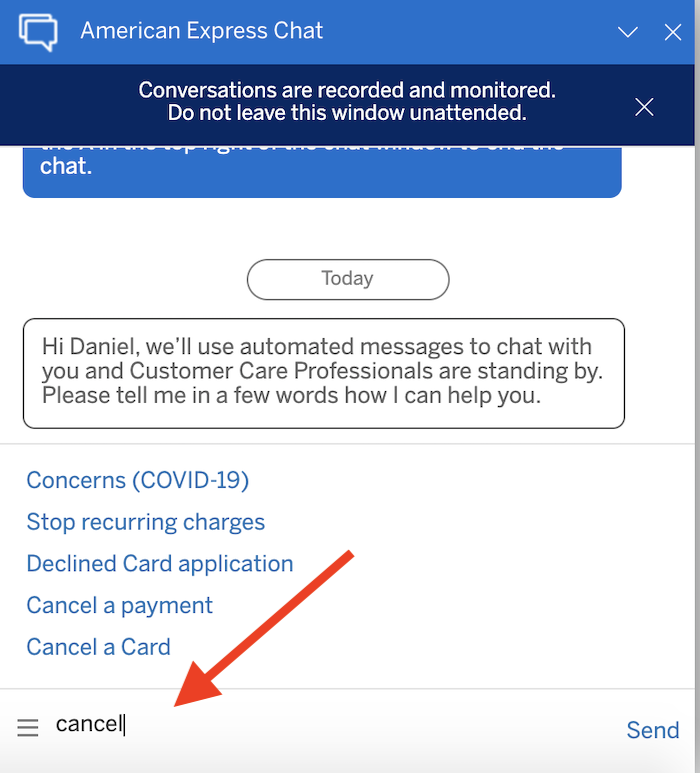
Once your financial preparations are complete, you’re ready to contact American Express directly. Unlike some other financial products, credit card cancellation often requires a phone call to ensure all aspects are handled correctly and securely.
Gathering Necessary Information
Before you make the call, have all relevant information at hand to ensure a smooth and efficient process.
- Your American Express Card: Have the physical card readily available for reference, as you might need the card number, security code, or other details.
- Account Number: If different from the card number, ensure you have your full account number.
- Personal Identification: Be prepared to verify your identity with information such as your date of birth, Social Security Number, or security questions.
Contacting American Express Directly
The most reliable and recommended method for canceling an American Express credit card is via phone.
- Call the Number on Your Card: The customer service number is usually found on the back of your credit card. Alternatively, you can find it on your monthly statement or on the official American Express website.
- Navigate the Automated System: You’ll likely encounter an automated menu. Listen carefully for options related to “account services,” “cancellations,” or “speaking with a representative.”
- State Your Intent Clearly: Once connected to a representative, clearly state that you wish to cancel your credit card account. Be polite but firm in your decision.
- Be Prepared for Questions: The representative will likely ask for your reasons for canceling. You can be brief and honest (e.g., “I no longer need the card,” “I’m consolidating my finances,” “The annual fee is too high”). You are not obligated to provide an exhaustive explanation.
Navigating Retention Offers
American Express, like many credit card issuers, values its customers. When you express an intent to cancel, the representative may be authorized to offer you incentives to retain your business. These are known as retention offers.
- Common Offers: These can include a waiver of the annual fee for a year, a statement credit, bonus points if you meet a certain spending threshold, or an upgrade/downgrade option to a different card product.
- Evaluate the Offer: Carefully consider if the retention offer truly aligns with your financial goals. Is it significant enough to outweigh your original reasons for canceling? For instance, if you’re canceling due to a high annual fee, a fee waiver might be attractive. If you simply don’t use the card, an offer for bonus points might not be enough.
- Don’t Feel Pressured: It’s your financial decision. If the offer doesn’t meet your needs, politely decline and reiterate your desire to cancel.
Confirming Cancellation and Requesting Written Proof
Once you’ve made the decision to cancel and completed the conversation, it’s vital to ensure the cancellation is processed correctly and you have a record of it.
- Confirm Account Closure: Explicitly ask the representative to confirm that the account has been closed.
- Request Written Confirmation: Ask for an email or letter confirming the cancellation. This document will serve as crucial proof in case any discrepancies arise later. Note the date and time of the call, and the name of the representative you spoke with.
- Understand Final Statement: Inquire about when you can expect your final statement and confirm that there will be no further charges.
Post-Cancellation Actions and Financial Prudence

The process doesn’t end with the phone call. There are a few important steps to take afterward to ensure a clean break and maintain your financial well-being.
Monitoring Your Credit Report
This is a critical step to verify that the cancellation has been accurately reported to the credit bureaus.
- Check Your Credit Report: Within 30-60 days of cancellation, pull a free copy of your credit report from each of the three major credit bureaus (Equifax, Experian, Transunion) via AnnualCreditReport.com.
- Verify Account Status: Ensure the American Express account is listed as “closed by grantor” or “closed at consumer’s request” and that there’s no outstanding balance. Report any inaccuracies immediately.
Handling Final Statements and Payments
Even after cancellation, you might receive one final statement if there were any remaining charges or credits that hadn’t posted at the time of your call.
- Pay Any Remaining Balance: Promptly pay any final outstanding balance to avoid late fees or negative marks on your credit report.
- Keep Records: Retain the final statement and the written cancellation confirmation for your records.
Destroying the Card Securely
The physical card itself becomes obsolete and a security risk once the account is closed.
- Shred the Card: Use a cross-cut shredder to destroy the card, paying particular attention to the chip and magnetic stripe. If you don’t have a shredder, cut it into many small pieces with scissors.
- Dispose Safely: Ensure the pieces are scattered across different trash disposals to prevent anyone from piecing them together.
When to Consider Alternatives to Full Cancellation
Sometimes, a full cancellation isn’t the best financial move. American Express offers several alternatives that can help you manage your credit portfolio without the potential downsides of closing an account entirely.
Downgrading Your Card
If your primary concern is an annual fee, but you want to preserve your credit history with American Express, consider downgrading to a no-annual-fee card.
- Maintain Credit History: This keeps the account open, preserving its age and your credit limit, which can be beneficial for your credit score.
- Avoid Annual Fees: You switch to a card product that doesn’t charge an annual fee, eliminating that recurring cost.
- Potential Loss of Premium Benefits: Be aware that downgrading means you’ll lose the premium benefits associated with your previous card.
Product Change Options
American Express might allow you to change your card product to another one that better suits your current needs, even if it still carries an annual fee but offers different benefits.
- Switching Rewards Categories: If your spending habits have changed, you might benefit from a card with different rewards structures (e.g., from a travel card to a cash-back card).
- Staying within the Amex Ecosystem: You can continue to leverage the American Express platform and potentially retain Membership Rewards points if you switch to another eligible points-earning card.
Temporary Account Freezing
While not a direct alternative to cancellation for fee avoidance, freezing an account can be useful if you simply want to stop using the card for a period without fully closing it. This is typically done for security concerns or to curb spending.
- Control Spending: It prevents any new charges from being made, offering a psychological barrier.
- Quick Reactivation: You can easily unfreeze the card when you’re ready to use it again, without the hassle of reapplication or the credit score impact of closing and reopening.
The Broader Financial Implications of Card Management
Canceling a credit card, or managing your credit lines in general, is an integral part of broader personal finance. It reflects your ongoing relationship with credit and your strategy for leveraging financial tools responsibly.
Maintaining a Healthy Credit Portfolio
Your credit cards are part of a larger financial picture. Understanding how each card contributes to your overall credit profile is key.
- Diversification: A mix of credit types (revolving and installment) and a responsible number of accounts can positively influence your credit score.
- Strategic Credit Limit Management: Having sufficient credit available without over-relying on it is a delicate balance that contributes to a robust credit profile.
Regular Financial Reviews
Credit card cancellation often happens during periods of financial reevaluation. Make it a habit to regularly review your financial products.
- Annual Check-ins: At least once a year, assess all your credit cards: Are the annual fees justified by the benefits? Are you maximizing rewards? Do your cards still align with your spending habits and financial goals?
- Budget Alignment: Ensure your credit card usage and costs align with your personal budget and long-term financial objectives.
Seeking Professional Financial Advice
If you have complex financial situations, significant debt, or are unsure about the best course of action regarding your credit cards, don’t hesitate to consult a financial advisor.
- Personalized Guidance: An advisor can provide tailored advice based on your unique financial circumstances, helping you make informed decisions about debt management, credit utilization, and overall financial planning.
In conclusion, canceling an American Express credit card is more than just a simple phone call; it’s a strategic personal finance maneuver. By meticulously preparing, understanding the potential impacts on your credit, and diligently following the post-cancellation steps, you can ensure a smooth transition and maintain control over your financial health. Approach this decision with thoughtfulness and precision, and it will contribute positively to your long-term financial well-being.
aViewFromTheCave is a participant in the Amazon Services LLC Associates Program, an affiliate advertising program designed to provide a means for sites to earn advertising fees by advertising and linking to Amazon.com. Amazon, the Amazon logo, AmazonSupply, and the AmazonSupply logo are trademarks of Amazon.com, Inc. or its affiliates. As an Amazon Associate we earn affiliate commissions from qualifying purchases.