
For many taxpayers, the prospect of calling the Internal Revenue Service (IRS) is met with a mixture of anxiety and frustration. In the landscape of personal finance, the IRS represents the ultimate regulatory authority, and resolving issues—ranging from simple refund inquiries to complex tax audits—often requires direct communication. However, as the agency manages the accounts of hundreds of millions of individuals and businesses, the “hold time” has become a legendary hurdle in the world of financial management.
Understanding how to call the IRS efficiently is more than just a convenience; it is a critical skill for maintaining your financial health. This guide provides a strategic roadmap for navigating the IRS phone systems, preparing your documentation, and utilizing alternative tools to ensure your tax issues are resolved with professional precision.
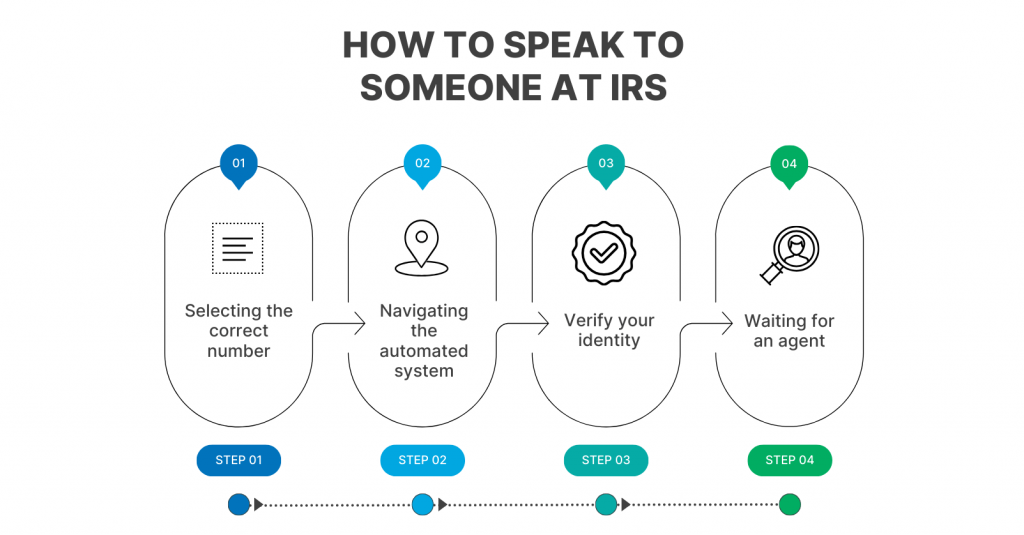
Understanding the IRS Support System: Which Number Do You Need?
The IRS is a massive bureaucracy with specialized departments for different financial circumstances. Calling the wrong department is the fastest way to get stuck in a loop of transfers or, worse, disconnected. To manage your finances effectively, you must identify the specific line that corresponds to your tax situation.
Individual Taxpayer Assistance
The most commonly used number is the primary line for individual taxpayers: 1-800-829-1040. This line is designed for those filing Form 1040 and handles questions regarding income tax, credits, deductions, and general account status. It is typically available Monday through Friday, from 7 a.m. to 7 p.m. local time (Alaska and Hawaii follow Pacific time).
Business and Specialty Tax Lines
If you are an entrepreneur or a business owner, your inquiries are handled by a different set of experts. The Business and Specialty Tax Line can be reached at 1-800-829-4933. This department assists with matters related to Employer Identification Numbers (EINs), payroll taxes, 941 filings, and corporate tax returns. Separating personal and business inquiries is essential for accurate record-keeping and ensuring that you are speaking with a representative trained in commercial tax law.
International and Identity Theft Hotlines
Financial issues don’t always stop at the border. For taxpayers living abroad, the IRS maintains an international line at 1-267-941-1000 (not toll-free). Additionally, if you suspect your Social Security number has been compromised for fraudulent tax filings, the Identity Protection Specialized Unit can be reached at 1-800-908-4490. Addressing identity theft promptly is a cornerstone of modern digital security and financial protection.
Strategic Preparation: What to Have Ready Before You Dial
In the world of business and finance, time is money. Spending two hours on hold only to realize you are missing a vital document is a significant drain on your productivity. The IRS representative will require specific information to verify your identity before they can discuss any account details.
Personal and Financial Documentation
Before you dial, gather a “tax dossier” for the years in question. At a minimum, you should have the following items in front of you:
- Social Security Numbers (SSN) or Individual Taxpayer Identification Numbers (ITIN): This includes yours, your spouse’s, and any dependents.
- Date of Birth: For all parties listed on the return.
- Filing Status: Single, Head of Household, Married Filing Jointly, etc.
- Prior Year’s Tax Return: The IRS often uses specific line items from previous returns (such as Adjusted Gross Income) to verify your identity.
- Current Correspondence: If you are calling in response to a notice, have that notice in hand.
The Importance of the “IRS Letter Number”
Most taxpayers call the IRS because they received a notice in the mail. Every piece of official IRS correspondence has a number in the top or bottom right corner, usually beginning with “CP” or “LTR” (e.g., CP2000 or LTR 12C). These codes tell the representative exactly what the issue is without you having to explain the entire history of your tax return. Referencing these codes immediately upon reaching a live person can shave minutes off your call and lead to a more accurate resolution.
Timing and Tactics: How to Reach a Live Representative Faster
The IRS receives millions of calls every week, particularly during the peak tax season (January through April). To successfully navigate the system, you must approach the call with a strategic mindset regarding timing and the automated menus.

Peak Times vs. Optimal Windows
Statistical data suggests that Monday is the busiest day of the week for the IRS. Many people spend their weekends worrying about financial notices and call first thing Monday morning. If possible, wait until Wednesday, Thursday, or Friday to place your call.
The best time of day to call is typically as soon as the lines open at 7:00 a.m. local time. Alternatively, calling late in the afternoon (just before 7:00 p.m.) can occasionally result in shorter wait times, though you risk being disconnected if the queue is too long when the office closes. Avoid the “lunch hour” window (11:00 a.m. to 2:00 p.m.), as staffing may be thinner during this period.
Navigating the Automated Voice Response System
The IRS uses a complex “phone tree” designed to filter out simple questions that could be answered online. To reach a live human being, you often have to navigate several layers of menus. While the prompts change periodically, a general rule of thumb is to avoid selecting the first option (which is usually “refund status”). Instead, look for options related to “Account History” or “Other Questions.”
Once you are in the system, listen carefully to the prompts. If the system asks for your SSN to start, sometimes not entering it immediately will redirect you to a person who can then take your information manually. However, be prepared for the system to tell you that “due to high call volume, we cannot take your call at this time.” If this happens, do not keep calling back-to-back; wait an hour and try again.
Beyond the Phone: Digital Alternatives and In-Person Resources
While calling is the traditional route, the modernization of IRS services means that many financial queries can be resolved faster through digital or face-to-face channels. In a tech-forward financial landscape, these alternatives are often more efficient.
Utilizing the IRS Online Account
One of the most powerful tools in personal finance management today is the IRS Online Account. By creating an account (which requires identity verification through services like ID.me), you can view your payoff amount, balance owed, payment history, and key data from your most recent tax return. You can also apply for payment plans and view digital copies of select notices. For many, this eliminates the need to call entirely, as the information is available 24/7.
Local Taxpayer Assistance Centers (TAC)
If your financial situation is too complex for a phone call or if you need to provide physical documentation, you can visit an IRS Taxpayer Assistance Center. It is important to note that most of these centers now operate on an appointment-only basis. You can find the nearest office and schedule an appointment by calling 1-844-545-5640. This is a highly effective way to deal with issues like identity verification or complex transcript requests that are difficult to handle over the phone.
Protecting Your Interests: Security and Professional Representation
When dealing with the IRS, you must remain vigilant about financial security and recognize when a situation requires expertise beyond your own.
Verifying IRS Identity to Avoid Scams
A critical aspect of managing your financial security is knowing how the IRS communicates. The IRS will never initiate contact with taxpayers by email, text messages, or social media channels to request personal or financial information. Furthermore, they will not call you out of the blue demanding immediate payment via a specific method like a wire transfer or gift card.
If you receive a suspicious call from someone claiming to be from the IRS, hang up and call the official IRS numbers listed in this guide to verify the claim. Protecting your financial data is a prerequisite for long-term wealth stability.

When to Hire a Tax Professional
For high-net-worth individuals or complex business entities, calling the IRS yourself may not be the best use of your resources. Certified Public Accountants (CPAs), Enrolled Agents (EAs), and tax attorneys have specialized knowledge and, in some cases, dedicated lines of communication with the IRS (such as the Practitioner Priority Service).
By filing Form 2848 (Power of Attorney and Declaration of Representative), you can authorize a professional to speak to the IRS on your behalf. This ensures that your financial interests are represented by someone who understands the nuances of the tax code, potentially saving you thousands of dollars in penalties and interest. In many cases, the cost of the professional is far outweighed by the financial benefit of a correctly handled dispute.
In conclusion, calling the IRS requires a blend of patience, preparation, and strategy. By treating the process with the same level of professional rigor that you apply to your investments or business operations, you can navigate the complexities of the federal tax system and maintain control over your financial destiny.
aViewFromTheCave is a participant in the Amazon Services LLC Associates Program, an affiliate advertising program designed to provide a means for sites to earn advertising fees by advertising and linking to Amazon.com. Amazon, the Amazon logo, AmazonSupply, and the AmazonSupply logo are trademarks of Amazon.com, Inc. or its affiliates. As an Amazon Associate we earn affiliate commissions from qualifying purchases.