
Understanding your salary is far more complex than simply looking at the number that lands in your bank account every pay period. For many, it’s a source of confusion, leading to missed opportunities for better financial planning and potentially even undervaluation of their overall compensation. Your salary isn’t just a figure; it’s the cornerstone of your personal finance, dictating your budget, savings potential, and long-term financial goals. Demystifying the calculation of your salary—from the initial offer to the final take-home amount—is crucial for making informed financial decisions, negotiating effectively, and maximizing your wealth.
This comprehensive guide will break down the intricate components of salary calculation, moving beyond the superficial to provide a deep understanding of gross pay, net pay, and the myriad of deductions and benefits that shape your true earnings. By the end, you’ll be equipped with the knowledge to accurately calculate your salary, appreciate your total compensation package, and manage your financial future with greater confidence and insight.
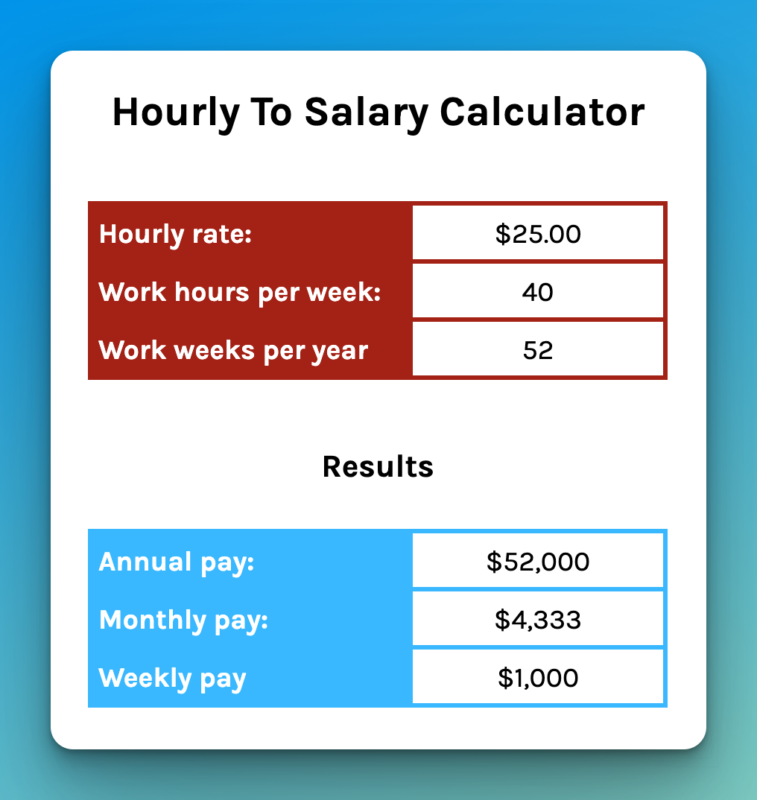
Understanding Gross vs. Net Salary: The Fundamental Distinction
The journey to calculating your salary begins with a clear understanding of the two primary figures: gross salary and net salary. While often conflated or misunderstood, these two terms represent distinct stages in the salary calculation process, each with its own significance for your financial life.
What is Gross Salary?
Gross salary, often referred to as “gross pay,” is the total amount of money your employer pays you before any deductions are taken out. It’s the headline figure presented in job offers and typically forms the basis for salary negotiations. This amount encompasses your basic pay, along with any additional components like allowances, bonuses, and overtime pay. Essentially, it’s your full earnings from your employment before any government taxes, insurance premiums, or other personal contributions reduce it. From an employer’s perspective, gross salary is the cost of your labor before employer-side contributions are added. For you, it’s the starting point for understanding your earning potential.
What is Net Salary?
Net salary, also known as “take-home pay,” is the amount of money you actually receive in your bank account after all deductions have been subtracted from your gross salary. This is the figure that dictates your day-to-day spending power and forms the basis for your personal budget. The gap between your gross and net salary can often be surprisingly significant, a reality that catches many off guard when they first transition into the workforce or move to a new job. Understanding what constitutes this difference is paramount to managing your finances effectively and avoiding the common pitfall of overestimating your disposable income.
Why the Distinction Matters
The difference between gross and net salary is more than just an accounting formality; it holds profound implications for your financial planning. Relying solely on your gross salary can lead to an inflated sense of income, resulting in overspending, budgeting errors, and difficulty meeting financial goals. For example, if you budget based on a $70,000 gross annual salary, but your net income is closer to $50,000, you’ll quickly find yourself in a deficit.
Conversely, understanding your gross salary is crucial for long-term financial planning, such as applying for loans or mortgages, as lenders often use gross income to assess your repayment capacity. It also serves as the benchmark for comparing job offers and negotiating compensation, ensuring you’re comparing apples to apples rather than being misled by headline figures. For financial analysts and economists, gross salary figures are crucial for calculating national income, tax revenues, and economic productivity. For the individual, recognizing this distinction empowers you to negotiate better terms, plan more accurately, and ultimately achieve greater financial stability.
Key Components of Gross Salary: Building Your Earning Foundation
Before any deductions chip away at your earnings, it’s essential to understand what constitutes your gross salary. This figure is not always a simple lump sum but rather a combination of various elements, each contributing to your total pre-deduction earnings. Decoding these components allows for a more granular understanding of your compensation structure and can provide leverage in salary negotiations.
Basic Pay
Basic pay is the foundational element of your gross salary and typically the largest component. It represents the fixed remuneration for your work, agreed upon in your employment contract, before any additional allowances, bonuses, or overtime are considered. This amount is generally consistent from one pay period to the next, barring any contractual changes or annual increments. Basic pay often forms the base upon which other benefits and deductions are calculated, such as provident fund contributions or certain types of leave pay. It’s the core value of your labor.
Allowances
Allowances are additional sums provided by an employer to cover specific expenses or compensate for particular conditions of employment. These can vary significantly depending on the industry, company policy, and the employee’s role and location. Common types of allowances include:
- Housing Rent Allowance (HRA): Provided to employees to help cover accommodation costs. The taxable portion often depends on actual rent paid and location.
- Dearness Allowance (DA): A cost-of-living adjustment paid to government employees and pensioners, designed to offset inflation.
- Travel Allowance (TA) / Conveyance Allowance: Reimbursement for commuting expenses or official travel.
- Medical Allowance: A fixed amount paid to cover medical expenses, often taxable.
- Special Allowances: Many companies offer unique allowances tailored to specific roles or employee needs, such as education allowances, uniform allowances, or utility allowances.
Each allowance might have different tax implications, with some being fully taxable, partially taxable, or entirely exempt, depending on the tax laws of the jurisdiction.
Bonuses and Incentives
Bonuses and incentives are variable components of your gross salary, often linked to individual performance, team achievements, or company profitability. Unlike basic pay, they are not guaranteed and typically fluctuate based on predefined metrics.
- Performance Bonuses: Awarded for meeting or exceeding specific performance targets.
- Sales Commissions: Common in sales roles, where earnings are directly tied to sales volume or revenue generated.
- Project Completion Bonuses: Paid upon the successful completion of a significant project.
- Annual/Year-End Bonuses: A discretionary payment made at the end of the fiscal year, often tied to overall company performance.
- Sign-on Bonuses: A one-time payment offered to new employees as an incentive to join the company.
While these can significantly boost your overall earnings, it’s important to remember their variable nature when budgeting, as they shouldn’t be relied upon as a consistent income stream. They are generally taxable income, though specific rules may apply to certain types or amounts.
Overtime Pay
Overtime pay is compensation for hours worked beyond the standard workweek or workday as defined by your employment contract or labor laws. It is often calculated at a higher rate than regular hourly pay, commonly 1.5 times (“time and a half”) or even twice the regular rate (“double time”), especially for work on holidays or weekends. Overtime rules and rates are typically governed by national or state labor laws, which dictate when it must be paid and at what rate. While overtime can substantially increase your gross earnings in certain pay periods, it’s generally not a stable, predictable component of your long-term salary calculation.
Understanding these components allows you to scrutinize your offer letters, salary slips, and compensation packages with a discerning eye, ensuring you grasp the full scope of your earnings before any deductions come into play.
Decoding Deductions: From Gross to Net
The transformation from gross salary to net salary is where many individuals encounter the most confusion. A myriad of deductions, both mandatory and voluntary, reduce your gross earnings to the take-home pay you actually receive. These deductions are critical for funding public services, securing your future, and covering personal expenses like health insurance.
Income Tax (Federal, State, Local)
Income tax is typically the largest deduction from your salary. It is a mandatory contribution to government revenue, used to fund public services such as infrastructure, education, healthcare, and defense. The amount of income tax deducted depends on several factors:
- Tax Brackets: Your income level determines which tax bracket you fall into, with higher incomes generally subject to higher marginal tax rates.
- Filing Status: Whether you file as single, married filing jointly, head of household, etc., impacts your tax liability.
- Dependents and Deductions/Credits: The number of dependents you claim and any eligible deductions or tax credits can reduce your taxable income or tax owed.
- Jurisdiction: Income tax can be levied at multiple levels:
- Federal Income Tax: Applies nationwide.
- State Income Tax: Varies widely by state; some states have no income tax, while others have progressive rates.
- Local/City Income Tax: Some cities or localities impose an additional income tax.
Employers typically withhold these taxes from each paycheck based on the W-4 form (in the U.S.) or equivalent tax declaration forms in other countries, acting as an advance payment on your annual tax liability.
Social Security & Medicare (or equivalent national contributions)
In many countries, mandatory contributions are deducted from your salary to fund social welfare programs. In the United States, these are known as FICA (Federal Insurance Contributions Act) taxes, comprising:
- Social Security: Funds benefits for retirees, survivors, and disabled workers. A fixed percentage (e.g., 6.2% up to an annual earnings limit) is typically deducted.
- Medicare: Funds health insurance for people aged 65 or older, and for certain younger people with disabilities. A fixed percentage (e.g., 1.45% with no earnings limit) is typically deducted.
Similar mandatory contributions exist globally, such as National Insurance (NI) in the UK, Canada Pension Plan (CPP) and Employment Insurance (EI) in Canada, or compulsory provident funds (CPF) in Singapore, which provide retirement, unemployment, and healthcare benefits. These are usually split between employer and employee contributions.
Retirement Contributions (401k, Pension, IRA)
Many employers offer or facilitate contributions to retirement savings plans, which are often pre-tax deductions, meaning they reduce your taxable income.
- 401(k) / 403(b) (U.S.): Employer-sponsored defined contribution plans where employees contribute a portion of their salary. Many employers offer matching contributions, which are a valuable, untaxed benefit until withdrawal.
- Pension Schemes: Traditional defined benefit plans, more common in public sectors or older companies, where benefits are determined by a formula based on salary and years of service. Employee contributions may be mandatory.
- Individual Retirement Accounts (IRAs): While not typically payroll deductions, employees might choose to have a portion of their salary directly deposited into an IRA.
These deductions are crucial for long-term financial security and often come with significant tax advantages, such as tax-deferred growth or tax-free withdrawals in retirement (e.g., Roth 401k/IRA).
Health Insurance Premiums

If you receive health insurance through your employer, a portion of the premium cost is typically deducted from your salary. These deductions cover your share of the cost for medical, dental, and vision insurance plans. Often, these are pre-tax deductions, further reducing your taxable income. The amount deducted depends on the specific plan chosen, whether it covers just the employee or also family members, and the employer’s contribution towards the premium.
Other Deductions
Beyond the major categories, other deductions can appear on your pay stub:
- Union Dues: If you are part of a labor union, membership fees are typically deducted directly.
- Loan Repayments: Garnishments for court-ordered child support, alimony, or student loan repayments may be deducted.
- Charitable Contributions: Some employers offer payroll deduction programs for charitable giving.
- Flexible Spending Accounts (FSAs) or Health Savings Accounts (HSAs): Contributions to these accounts, used for healthcare expenses, are typically pre-tax deductions.
- Life/Disability Insurance: Premiums for supplemental life or long-term disability insurance policies offered through your employer.
Each of these deductions plays a vital role in shaping your net salary. Understanding them helps you verify the accuracy of your pay, plan your budget, and appreciate the value of your benefits package.
Beyond the Paycheck: Total Compensation
While gross and net salaries focus on direct monetary earnings, a holistic view of your financial remuneration requires considering your total compensation package. This broader perspective encompasses not only your salary but also the monetary value of all the benefits, perks, and opportunities provided by your employer. Ignoring these non-cash elements leads to an incomplete and often undervalued assessment of your true earnings.
Benefits Package (Health, Dental, Vision)
Employer-sponsored health, dental, and vision insurance are often the most significant non-cash benefits. While you may contribute a portion of the premiums (as discussed in deductions), the employer typically covers a substantial part, which represents a significant value. For individuals and families, obtaining comparable coverage independently can be exceedingly expensive, making these employer-provided benefits a crucial part of your overall compensation. The quality and comprehensiveness of these plans can vary widely and should be carefully evaluated when comparing job offers.
Paid Time Off (Vacation, Sick Leave, Holidays)
Paid time off (PTO) is a valuable, though often overlooked, component of compensation. This includes:
- Vacation Days: Allows employees to take time off for leisure without losing pay. The number of days can increase with tenure.
- Sick Leave: Provides paid time off for illness or medical appointments.
- Paid Holidays: Standard public holidays observed by the company, where employees are paid without working.
The monetary value of PTO can be substantial. For example, two weeks of paid vacation for someone earning $60,000 annually is worth approximately $2,300 ($60,000 / 52 weeks * 2 weeks). These benefits contribute significantly to work-life balance and overall well-being, making them an integral part of your compensation.
Stock Options and Equity
For employees in startups or publicly traded companies, stock options, Restricted Stock Units (RSUs), or other forms of equity compensation can represent a significant portion of their long-term wealth potential.
- Stock Options: Give you the right to buy company stock at a predetermined price (the “strike price”) in the future. If the company’s stock price rises above the strike price, you can exercise your options, buy the stock, and sell it for a profit.
- Restricted Stock Units (RSUs): Are a promise from your employer to give you shares of company stock (or its cash equivalent) on a future date, usually after a “vesting” period. Once vested, the shares are yours.
These forms of compensation tie your financial success to the company’s performance, offering significant upside potential. However, they also come with risks and complex tax implications that require careful understanding.
Professional Development and Education Assistance
Many forward-thinking employers invest in their employees’ growth through various professional development programs and education assistance benefits:
- Tuition Reimbursement: Companies may cover part or all of the cost for employees pursuing further education relevant to their role.
- Certifications and Training: Employers often pay for industry-specific certifications, workshops, and training courses.
- Conferences: Sponsoring attendance at industry conferences provides networking opportunities and exposure to new trends.
These benefits not only enhance your skills and career prospects but also save you significant out-of-pocket expenses for continued learning, making them a valuable, indirect form of compensation.
Other Perks
Beyond the major benefits, many companies offer a variety of smaller perks that enhance the work environment and provide additional value:
- Gym Memberships/Wellness Programs: Subsidized fitness options promote employee health.
- Commuter Benefits: Subsidies for public transportation or parking.
- Employee Discounts: Access to company products or services at a reduced price.
- Free Meals/Snacks: On-site food options can save employees money and time.
- Flexible Work Arrangements: While not directly monetary, remote work or flexible hours can offer significant value in terms of convenience and work-life balance.
Considering all these elements provides a more accurate picture of your total compensation, which is crucial for evaluating job offers, understanding your market value, and making comprehensive financial plans. A higher salary might seem appealing, but a lower salary with a robust benefits package could sometimes offer greater overall value.
Practical Tools and Tips for Salary Calculation
Accurately calculating your salary, especially your net take-home pay and total compensation, requires more than just a quick mental estimate. Fortunately, several tools and practices can help you understand your earnings precisely and regularly.
Pay Stubs and Salary Slips
Your pay stub or salary slip is the most direct and accurate document for calculating your salary. It provides a detailed breakdown of your earnings and deductions for a specific pay period.
- Gross Earnings: Clearly lists your basic pay, allowances, bonuses, and any overtime.
- Pre-Tax Deductions: Shows contributions to retirement plans (401k/pension), health insurance premiums, FSA/HSA contributions, etc., that reduce your taxable income.
- Tax Withholdings: Itemizes federal, state, and local income taxes, as well as Social Security and Medicare (or equivalent national contributions).
- Post-Tax Deductions: Includes any deductions taken after taxes, such as union dues, loan repayments, or charitable contributions.
- Net Pay: The final amount deposited into your account.
Reviewing each pay stub meticulously helps you verify its accuracy, track your year-to-date earnings and deductions, and understand any changes in your compensation over time. Keep these records for your personal files and tax preparation.
Online Salary Calculators
Numerous online salary calculators can provide quick estimates of your net pay based on your gross salary, location, and filing status. These tools are particularly useful when:
- Comparing Job Offers: You can input the gross salary from different offers to get an estimated net pay and compare them realistically.
- Relocating: Understanding how taxes and deductions vary by state or city can significantly impact your take-home pay.
- Budgeting: Getting a rough estimate of your net income helps in initial budget planning.
When using online calculators, be mindful that they are estimates. Ensure you select one that is up-to-date with current tax laws and allows you to input specific details like your health insurance premiums or retirement contributions for greater accuracy. Some popular tools include ADP’s payroll calculator, PaycheckCity, and various state-specific government tax calculators.
Consulting HR or Financial Advisors
For complex salary structures, intricate benefit packages, or significant life changes, consulting professionals can provide invaluable guidance.
- Human Resources (HR) Department: Your company’s HR department is the primary resource for understanding your specific compensation package. They can explain each line item on your pay stub, clarify benefit entitlements, and provide details on company-specific policies regarding bonuses, equity, and leave. They are also essential for understanding eligibility for various benefits and how they impact your overall compensation.
- Financial Advisors/Tax Professionals: For personalized advice on optimizing your deductions, understanding the tax implications of stock options, or integrating your salary into a broader financial plan, a qualified financial advisor or tax professional is indispensable. They can help you make strategic decisions about retirement contributions, understand long-term tax liabilities, and manage your total compensation for wealth creation.

The Importance of Regular Review
Your salary calculation isn’t a one-time event; it’s an ongoing process. Regularly reviewing your pay stubs, understanding your benefits, and reassessing your total compensation package is vital for several reasons:
- Catching Errors: Mistakes can happen. Regular review helps you identify and correct any discrepancies in your pay or deductions.
- Adapting to Changes: Tax laws, benefit plans, and your personal circumstances (e.g., marriage, new dependents, changing retirement contributions) can all impact your net pay. Regular review ensures your financial planning remains current.
- Negotiation Power: A clear understanding of your current total compensation strengthens your position in future salary negotiations or when evaluating new career opportunities.
- Financial Planning: Accurate salary knowledge is the bedrock of effective budgeting, saving, investing, and debt management.
By leveraging these tools and adopting a proactive approach to understanding your earnings, you empower yourself to make better financial decisions, ensure you are paid accurately, and fully appreciate the value of your employment.
Understanding how to calculate your salary is more than just a numerical exercise; it’s a fundamental skill for financial literacy and personal empowerment. From dissecting your gross income to meticulously tracking deductions and appreciating the full spectrum of your total compensation, each step illuminates a crucial aspect of your financial well-being. By embracing the insights gained from this process, you transition from passively receiving a paycheck to actively managing and optimizing your financial future. This knowledge equips you not only to budget more effectively and save strategically but also to negotiate with confidence and make informed decisions that align with your long-term financial aspirations. Your salary is your primary wealth-building tool—understand it, master it, and leverage it for lasting financial success.
aViewFromTheCave is a participant in the Amazon Services LLC Associates Program, an affiliate advertising program designed to provide a means for sites to earn advertising fees by advertising and linking to Amazon.com. Amazon, the Amazon logo, AmazonSupply, and the AmazonSupply logo are trademarks of Amazon.com, Inc. or its affiliates. As an Amazon Associate we earn affiliate commissions from qualifying purchases.