
Understanding the Digital Foundation of Protein RDA
Calculating the Recommended Dietary Allowance (RDA) for protein has evolved significantly with technological advancements. No longer confined to manual charts and complex equations, today’s digital tools offer a streamlined, often automated, approach to determine individual protein needs. Understanding the underlying principles—which are essentially the algorithms and data inputs for these tools—is crucial for effective utilization of digital health platforms. The RDA for protein is a dynamic target, influenced by a myriad of personal attributes that modern software is designed to interpret.
Key Factors Influencing Protein Needs as Data Points
Before diving into specific applications, it’s essential to recognize the core data points that any sophisticated protein RDA calculator, whether an app or an online platform, will require. These aren’t just abstract biological facts; they are the configurable variables within your digital health profile:

-
Body Weight: A primary determinant, typically measured in kilograms or pounds. Most algorithms use a base calculation per unit of body weight.
-
Age: Protein requirements can shift across different life stages. Children, adolescents, and older adults often have distinct needs. Digital tools categorize users into age brackets to apply appropriate guidelines.
-
Sex: Minor differences exist between adult males and females, which are accounted for in comprehensive algorithms.
-
Activity Level: This is a critical multiplier. Sedentary individuals require less protein than moderately active people or elite athletes. Apps often provide a range of activity levels (e.g., sedentary, lightly active, moderately active, very active, extremely active) to select from, each corresponding to a different protein multiplier.
-
Health Status and Specific Conditions: Pregnancy, lactation, recovery from injury, certain medical conditions, and bodybuilding all significantly alter protein requirements. Advanced apps or those with specialized modules allow users to input these conditions for tailored recommendations.
These factors become the customizable fields in user profiles within nutrition tracking apps or the input forms on online RDA calculators, driving the personalized output.
The General Recommendation Algorithm
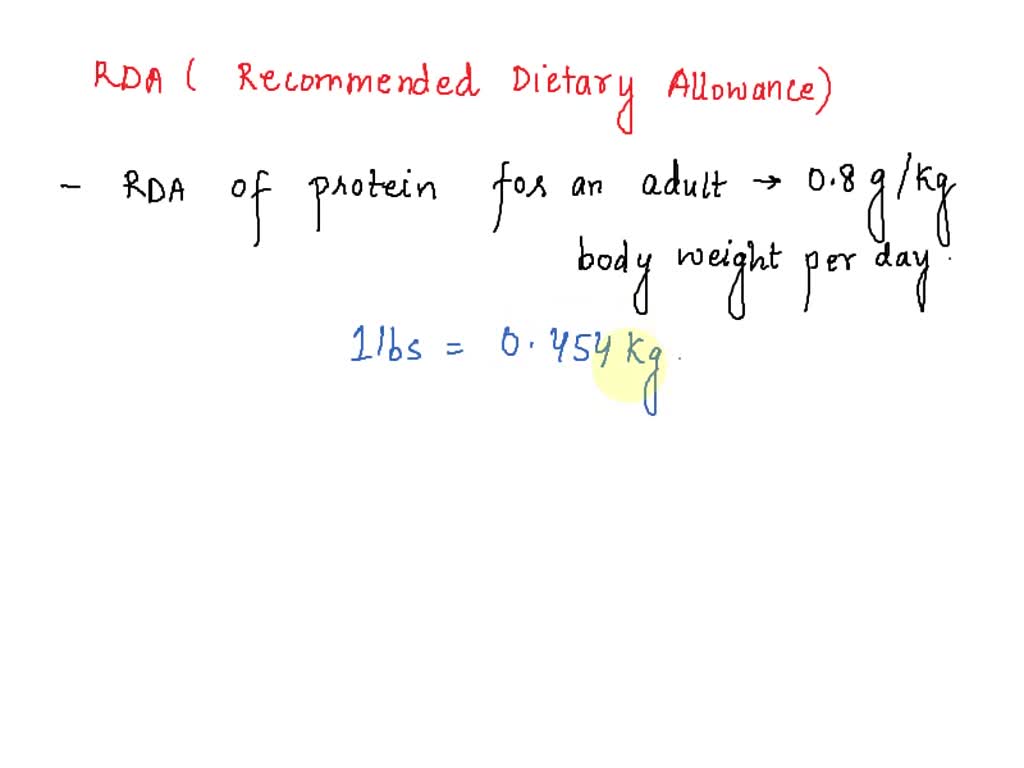
While digital tools do the heavy lifting, the fundamental algorithm typically starts with a baseline recommendation, often around 0.8 grams of protein per kilogram of body weight (g/kg) for sedentary adults. This baseline is then adjusted based on the user-inputted data points. For instance, an athlete might see this multiplier increase to 1.2-2.0 g/kg, or even higher, depending on the intensity and type of training. Apps and online calculators automate these complex, multi-variable equations, delivering an immediate and actionable daily target.
Leveraging Digital Tools for Precision Calculation
The most accessible and accurate way to calculate and track your protein RDA today is through digital technology. From comprehensive nutrition apps to specialized online platforms and even integrated smart wearables, these tools streamline the process, offer personalized insights, and facilitate consistent tracking.
Nutrition Tracking Applications
Leading nutrition tracking apps have become indispensable for managing dietary intake, including protein. These applications typically feature extensive food databases, barcode scanners, and manual entry options to log every meal and snack.
-
MyFitnessPal: A popular choice for its vast food database and user-friendly interface. Users input their personal data (age, weight, activity level, goals), and the app calculates macro targets, including protein. It then tracks daily intake against these goals, providing real-time feedback.
-
Cronometer: Known for its detailed nutritional breakdowns, including micronutrients, in addition to macronutrients. It offers precise control over personal settings, allowing for highly customized protein targets based on specific health or fitness objectives. Its robust database often includes more comprehensive food item details.
-
Lose It!: Similar to MyFitnessPal, Lose It! uses a goal-oriented approach. Users set weight loss, maintenance, or gain goals, and the app generates caloric and macronutrient targets, including protein, which are then tracked daily.
These apps serve as a personal digital nutritionist, constantly monitoring intake and comparing it against the calculated RDA, often providing visual cues (e.g., progress bars, color-coded alerts) to indicate whether protein targets are being met.
Smart Wearables and AI Integration
The ecosystem of smart wearables—like Fitbit, Apple Watch, Garmin, and Oura Ring—is increasingly integrating with or directly influencing protein RDA calculations. While wearables don’t directly calculate protein intake, they provide crucial data points that refine the RDA.
-
Activity Data: Wearables accurately track activity levels, exercise duration, intensity, and calorie expenditure. This real-time, objective data can be synced with nutrition apps or AI-powered dietary platforms. Instead of relying on a user’s subjective assessment of their activity level, the system receives precise data, leading to a more accurate protein multiplier.
-
AI-Powered Nutrition Platforms: Emerging platforms leverage AI to go beyond simple tracking. By analyzing data from wearables (activity, sleep, heart rate variability) alongside logged food intake, these AI systems can identify patterns, predict energy needs, and dynamically adjust protein recommendations. For example, if a wearable detects a high-intensity workout day, the AI might recommend a temporary increase in protein intake for optimal recovery, communicating this via notifications or in-app adjustments.
Online RDA Calculators

For those who prefer a less integrated, quick-check approach, numerous online RDA calculators exist. These web-based tools are typically free and require manual input of the same personal data points mentioned earlier. They immediately output a recommended protein intake range. While they lack the tracking capabilities of apps, they are excellent for an initial assessment or for cross-referencing recommendations. Websites from health organizations, fitness brands, or independent nutrition experts often host such tools, using standard formulas to generate results.
Step-by-Step Guide: Using Tech to Determine Your Protein RDA
Implementing technology for protein RDA calculation involves a simple, systematic process. This guide focuses on typical interactions with nutrition tracking apps, as they offer the most comprehensive solution.
Inputting Personal Data
The first and most critical step is accurately populating your profile within your chosen nutrition app or online calculator.
-
Create Your Profile: Sign up and enter basic demographic information: age, sex, current body weight, and height.
-
Define Activity Level: Select the option that best describes your daily physical activity. Be honest; overestimating your activity will lead to an inflated protein target. Most apps use a scale (e.g., sedentary, lightly active, moderately active, very active). If synced with a wearable, this data might be partially automated.
-
Set Your Goal: Indicate your primary objective (e.g., maintain weight, lose weight, gain muscle, improve athletic performance). This is crucial as protein requirements for muscle gain are significantly higher than for weight loss or maintenance.
-
Specify Dietary Preferences/Restrictions (Optional but Recommended): Some apps allow you to indicate if you follow a vegetarian, vegan, or other specific diet. While not directly affecting the calculation of RDA, it helps the app suggest appropriate protein sources or adjust its overall dietary recommendations.
Once this data is entered, the app’s algorithms immediately process it to generate your initial daily protein target.
Interpreting App-Generated Recommendations
After setup, the app will display your protein RDA, usually as a daily gram target or a percentage of total calories.
-
Daily Gram Target: This is the most common and actionable format (e.g., “Aim for 120g of protein today”).
-
Macronutrient Split: Some apps show this as a percentage of your total daily calories (e.g., “Protein: 25%”). While useful, the gram target is often easier to track directly with food logging.
-
Ranges vs. Specific Numbers: Many tools provide a range (e.g., “110-130g”) rather than a single number, acknowledging that protein needs can vary slightly day-to-day based on activity and other factors.
Understand that these are recommendations. They are calculated based on established scientific guidelines but can be fine-tuned.
Adjusting for Specific Goals and Real-Time Feedback
Modern apps allow for dynamic adjustments, reflecting the personalized nature of nutrition.
-
Manual Override: If you have specific dietary advice from a professional or a particular training regimen, most apps allow you to manually adjust your protein target. For instance, a bodybuilder in an intense training phase might increase their target beyond the default calculation.
-
Tracking and Feedback: As you log your food intake, the app provides real-time feedback on how close you are to your protein goal. Visual indicators (e.g., a progress bar filling up, a remaining gram count) are standard features.
-
Historical Data Analysis: Over time, apps compile historical data, allowing you to review your protein intake trends. This helps identify patterns, assess adherence, and make informed decisions about future adjustments. Some apps even offer weekly or monthly reports.
The Future of Personalized Protein Recommendations
The trajectory of technology in nutrition points towards increasingly personalized and dynamic protein RDA calculations, driven by advanced analytics and integration.
AI and Machine Learning in Dietary Planning
The next generation of nutrition platforms will leverage AI and machine learning to move beyond static calculations. These systems will analyze vast amounts of data—from individual physiological responses (via wearables), logged food intake, exercise performance, sleep patterns, and even mood—to make highly individualized, real-time protein recommendations. Imagine an AI that learns your body’s specific response to different protein intakes, recommending slight adjustments on heavy training days versus rest days, or even optimizing for specific amino acid profiles based on recovery needs. This predictive analysis will offer a level of precision currently unavailable.
Integration with Genetic Data
A groundbreaking frontier involves the integration of genetic data into protein RDA calculations. Nutrigenomics, the study of how genes affect a person’s response to nutrients, holds the key to ultra-personalized nutrition. Platforms could one day analyze an individual’s genetic predispositions—such as variants affecting nutrient metabolism or muscle protein synthesis efficiency—to fine-tune protein recommendations to an unprecedented degree. This would allow for a protein RDA truly optimized for an individual’s unique biological blueprint, moving far beyond generalized recommendations to a level of personalized dietary advice that is truly bespoke.
aViewFromTheCave is a participant in the Amazon Services LLC Associates Program, an affiliate advertising program designed to provide a means for sites to earn advertising fees by advertising and linking to Amazon.com. Amazon, the Amazon logo, AmazonSupply, and the AmazonSupply logo are trademarks of Amazon.com, Inc. or its affiliates. As an Amazon Associate we earn affiliate commissions from qualifying purchases.