
In the pursuit of weight loss, understanding and managing macronutrient intake is paramount. While calories are often the primary focus, protein plays a uniquely critical role in satiety, muscle preservation, and metabolic health, all of which are vital for effective and sustainable weight reduction. Historically, calculating precise protein requirements involved manual methods, complex formulas, and often, guesswork. However, the digital age has revolutionized this process, providing an array of sophisticated tools, apps, and AI-driven platforms that make accurate protein intake calculation more accessible and actionable than ever before. This article delves into how technology empowers individuals to precisely determine and track their protein needs for successful weight loss, transforming a challenging task into an insightful and streamlined journey.

The Digital Revolution in Nutrition Tracking: A Game Changer
The landscape of nutrition management has undergone a profound transformation, moving from rudimentary pen-and-paper logs to highly advanced digital ecosystems. This shift is particularly impactful for those aiming to optimize specific macronutrients like protein for weight loss. Technology has not merely simplified the process; it has elevated it to a level of precision and personalization previously unattainable.
From Manual Logs to Smart Apps: A Paradigm Shift
For decades, tracking dietary intake meant meticulously recording every morsel consumed, cross-referencing food labels, and performing manual calculations. This laborious process was prone to errors, inconsistency, and often led to user fatigue, making long-term adherence challenging. The advent of smartphones and pervasive connectivity ushered in a new era. Nutrition tracking apps emerged as digital diet diaries, offering vast food databases, barcode scanners, and automated nutritional breakdowns. This fundamental shift converted a burdensome chore into an integrated part of daily life.
These smart applications provide instant feedback on calorie and macronutrient intake, including protein, carbohydrates, and fats. They eliminate the need for manual calculations, significantly reducing the barrier to entry for precise nutritional management. By simply logging meals, users gain immediate insights into their protein consumption relative to their daily targets, allowing for timely adjustments and better adherence to a weight loss plan. This paradigm shift from analog to digital tracking has democratized access to sophisticated nutritional information, empowering millions to take control of their health journeys.
Why Technology is Essential for Precision Nutrition
Precision nutrition, especially in the context of weight loss, demands accuracy and consistency. Generic dietary advice often falls short because individual metabolic rates, activity levels, body compositions, and weight loss goals vary significantly. This is where technology becomes indispensable. Digital tools offer the capacity for personalization, allowing users to input specific biometric data—such as age, sex, height, weight, activity level, and target weight—to generate highly tailored nutritional recommendations.
Furthermore, technology provides a dynamic platform for continuous monitoring and adaptation. As weight loss progresses, an individual’s caloric and macronutrient needs change. Advanced apps and software can recalibrate targets in real-time, ensuring that protein intake remains optimized for the current physiological state. This adaptability is crucial for avoiding plateaus and sustaining momentum. Beyond simple tracking, many platforms integrate with wearable devices, syncing activity data to provide a holistic view of energy balance, further refining protein and caloric recommendations. This synergistic approach ensures that nutritional guidance is not static but evolves with the user, making technology a cornerstone of effective, personalized weight loss strategies.
Essential Apps and Software for Protein Calculation
The market is saturated with digital tools designed to aid in nutrition tracking, but certain applications stand out for their comprehensive features and user-friendly interfaces specifically geared towards macro management, including protein intake.
Calorie and Macro Trackers: MyFitnessPal, Cronometer, Lose It!
These foundational apps have become household names in the fitness and nutrition space for good reason. They offer extensive food databases, often crowdsourced and regularly updated, making it easy to log a wide variety of foods, from restaurant meals to homemade dishes.
- MyFitnessPal: Perhaps the most popular, MyFitnessPal boasts an enormous food database, a barcode scanner, and an active community forum. Users can set custom macro goals, and the app automatically calculates their protein intake based on logged foods, providing a running tally against their daily target. It also integrates with many fitness trackers.
- Cronometer: Often lauded for its accuracy and detail, Cronometer provides a comprehensive breakdown of not just macronutrients but also micronutrients. It sources its food data from verified databases, making it a favorite for those who prioritize precision. It allows for highly customized protein targets and offers in-depth nutritional reports.
- Lose It!: This app focuses on simplicity and ease of use, with a highly intuitive interface. It uses a smart logging system and provides motivational insights. Like the others, it tracks protein intake against user-defined goals and offers visual progress reports.
These apps serve as excellent starting points for anyone looking to track their protein intake for weight loss, offering robust features that go beyond simple calorie counting to provide detailed macronutrient analysis.
AI-Powered Nutrition Coaches: Personalized Recommendations
Beyond basic tracking, a new wave of AI-powered nutrition platforms is emerging, offering a more personalized and adaptive coaching experience. These tools go beyond simply logging food; they analyze eating patterns, lifestyle habits, and even genetic predispositions to offer highly customized recommendations.
AI coaches can learn from user input and behavioral data to suggest optimal protein timing, food choices, and meal plans that align with individual preferences and weight loss goals. For example, an AI might observe that a user struggles with late-night cravings and suggest protein-rich snacks to improve satiety, or recommend increasing protein at breakfast to curb appetite throughout the day. Some platforms even integrate with blood glucose monitors or other biometric sensors to provide real-time dietary adjustments, bringing a new level of precision to protein management. This intelligent adaptation helps users not only calculate their protein needs but also implement strategies to consistently meet them effectively.
Specialty Protein Trackers: Focusing on the Macro
While general macro trackers are excellent, some niche apps or features within broader platforms specifically emphasize protein tracking. These tools might offer:
- Protein-centric meal plans: Curated meal ideas that prioritize high-protein ingredients.
- Protein goal visualization: Dashboards that graphically represent protein intake over time, highlighting trends and areas for improvement.
- Integration with protein supplement databases: Making it easier to log protein powders, bars, and other supplements.
- Specific guidance for high-protein diets: Tailored advice for ketogenic, low-carb, or other diets that heavily rely on protein for weight loss and satiety.
These specialized features help users hyper-focus on their protein goals, ensuring they meet the higher requirements often associated with effective weight loss and muscle preservation.
Leveraging Technology for Accurate Protein Intake Calculation
The effectiveness of any digital tool lies in how well it’s utilized. For protein intake calculation, accuracy and consistency are key. Technology provides the framework, but user engagement drives the results.
Inputting Your Data: The Foundation of Accuracy
The initial setup of any nutrition tracking app is crucial. Users must accurately input their personal data: age, sex, height, current weight, target weight, and activity level. This information forms the basis for the app’s calculation of Basal Metabolic Rate (BMR) and Total Daily Energy Expenditure (TDEE), which in turn inform recommended caloric and macronutrient targets, including protein.
Beyond biometrics, diligent food logging is paramount. Utilizing barcode scanners, searching verified food databases, and accurately portioning meals (perhaps with the aid of a digital food scale integrated with the app) ensures that the logged data reflects actual consumption. Any inaccuracies at this stage will lead to flawed protein intake calculations and suboptimal results. Many apps also allow for custom food entries, which is vital for home-cooked meals where exact nutritional information might not be available in the database.
Understanding Algorithms: How Apps Determine Your Needs
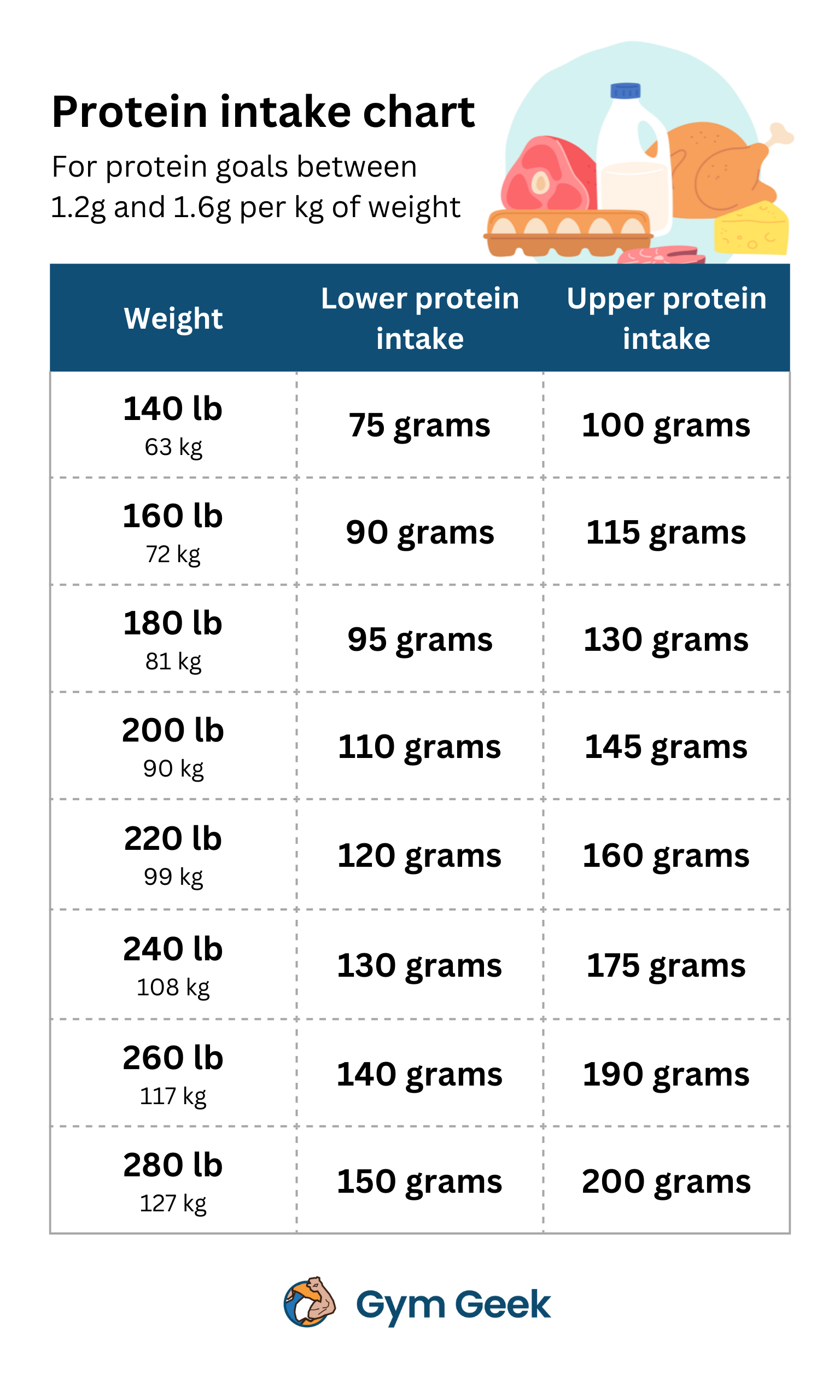
Beneath the user-friendly interface of these apps lie complex algorithms that process personal data and dietary intake. While specific algorithms vary, most calculate protein needs based on scientific consensus, often expressed as a percentage of total calories or grams per kilogram of body weight. For weight loss, a common recommendation is often 1.6 to 2.2 grams of protein per kilogram of body weight, or 0.7 to 1 gram per pound of target body weight.
Apps take into account factors like muscle mass (often estimated from weight and height), activity level, and the caloric deficit required for weight loss. They then distribute the remaining calories among carbohydrates and fats. Understanding that these are scientifically derived recommendations, rather than arbitrary numbers, helps users trust the technology and adhere to its guidance. Some advanced apps even explain the rationale behind their recommendations, fostering a deeper understanding of nutrition science.
Customizing Goals: Adjusting for Weight Loss Stages
Weight loss is not a linear journey, and nutritional needs evolve over time. Technology excels in its ability to adapt and allow for customization. As weight decreases, the body’s metabolic rate may also shift, requiring adjustments to caloric and macronutrient targets.
Users can manually adjust their protein goals within most apps, or some intelligent platforms will automatically suggest changes. For instance, during a period of intense strength training aimed at preserving muscle mass while cutting calories, an individual might increase their protein intake slightly. Conversely, during a maintenance phase after reaching a target weight, protein targets might be refined to support long-term health rather than aggressive weight loss. The flexibility to customize and refine goals based on real-time progress, body composition changes, and specific phases of a weight loss journey is a significant advantage offered by modern digital tools.
Beyond Calculation: Integrating Technology for Holistic Weight Loss
While calculating protein intake is crucial, sustainable weight loss requires a holistic approach. Technology extends its utility far beyond mere numbers, offering integrated solutions that support various facets of health and wellness.
Wearables and Activity Tracking: Synergizing Data
The integration of nutrition apps with wearable fitness trackers (like smartwatches, fitness bands, and smart scales) creates a powerful synergy. Wearables provide real-time data on activity levels, steps taken, calories burned, and even sleep patterns. When this data is synced with a nutrition app, it offers a more accurate picture of energy expenditure. This allows the app to dynamically adjust protein and caloric recommendations to match the actual activity level, optimizing the caloric deficit for weight loss. For example, on a day with higher-than-average activity, the app might subtly increase protein recommendations to aid muscle recovery and satiety. This comprehensive data integration ensures that the nutritional plan is always aligned with an individual’s actual physiological demands.
Recipe Generators and Meal Planning Tools
Sticking to a high-protein diet for weight loss can be challenging, especially when it comes to variety and meal preparation. Many advanced nutrition apps and dedicated platforms now feature AI-powered recipe generators and meal planning tools. These tools can:
- Generate recipes: Based on specified protein goals, dietary preferences, available ingredients, and even time constraints.
- Build meal plans: Automatically create daily or weekly meal plans that hit target protein, calorie, and other macro goals.
- Create grocery lists: Automatically compile shopping lists based on the selected meal plan, streamlining the preparation process.
This functionality removes much of the guesswork and effort associated with meal planning, making it easier for users to consistently consume adequate protein without sacrificing taste or variety, thus enhancing adherence to their weight loss program.
Community Support and Expert Guidance through Platforms
The psychological aspect of weight loss is as important as the physiological. Many digital platforms foster a sense of community, allowing users to share experiences, challenges, and successes. This peer support can be a powerful motivator.
Furthermore, some apps and platforms offer direct access to certified nutritionists, dietitians, or fitness coaches through telehealth features. Users can receive personalized coaching, answer specific questions about protein intake, and get professional guidance on their weight loss journey. This blend of automated tools and human expertise provides a comprehensive support system, addressing both the practical calculations and the behavioral aspects of successful weight loss.
The Future of Protein Tracking: AI, IoT, and Personalized Health
The trajectory of technology in nutrition suggests an even more integrated and personalized future for protein tracking and weight loss management.
Predictive Analytics for Nutritional Needs
Future AI models will likely move beyond reactive tracking to predictive analytics. By analyzing vast amounts of user data, including genetic information, microbiome composition, activity patterns, and even environmental factors, AI could predict optimal protein intake requirements for specific individuals at different times. This could involve recommending a higher protein meal before a particularly strenuous workout, or suggesting certain protein sources based on their impact on an individual’s specific metabolic markers. This proactive approach would further optimize nutrient timing and food choices for enhanced weight loss and health outcomes.
Smart Kitchen Appliances and Automated Tracking
The Internet of Things (IoT) will increasingly integrate with our kitchens. Smart scales that automatically log food weight and type directly into a nutrition app, smart ovens that suggest protein-rich recipes based on available ingredients, and even smart refrigerators that track inventory and suggest meal plans are already emerging. This level of automation will drastically reduce the manual effort currently required for food logging, making protein tracking seamless and virtually invisible, significantly improving compliance and accuracy.

Virtual Nutritionists and Telehealth Integration
The role of virtual nutritionists will expand, leveraging AI to enhance their capabilities. AI could process a client’s data, generate preliminary reports, and even draft personalized meal plans, allowing the human nutritionist to focus on coaching, motivation, and addressing complex individual needs. Telehealth platforms will become even more sophisticated, integrating advanced diagnostics and remote monitoring to provide highly personalized and responsive care, making expert guidance on protein intake and weight loss accessible to a broader population, regardless of geographical barriers.
In conclusion, technology has transformed the once-complex task of calculating protein intake for weight loss into an accessible, precise, and highly personalized endeavor. From fundamental tracking apps to advanced AI coaches and integrated wearable ecosystems, digital tools empower individuals to understand their nutritional needs, make informed food choices, and sustain their weight loss efforts more effectively. As technology continues to evolve, the future promises even more seamless, predictive, and personalized solutions, further cementing its indispensable role in the journey towards optimal health and weight management.
aViewFromTheCave is a participant in the Amazon Services LLC Associates Program, an affiliate advertising program designed to provide a means for sites to earn advertising fees by advertising and linking to Amazon.com. Amazon, the Amazon logo, AmazonSupply, and the AmazonSupply logo are trademarks of Amazon.com, Inc. or its affiliates. As an Amazon Associate we earn affiliate commissions from qualifying purchases.