
Understanding and managing your daily calorie intake is a cornerstone of achieving various health and fitness goals, whether it’s weight loss, muscle gain, or simply maintaining a healthy lifestyle. In an era defined by rapid technological advancement, the once tedious and often inaccurate process of calorie calculation has been revolutionized. Modern technology, from intuitive mobile applications to sophisticated wearable devices and AI-driven platforms, now offers unprecedented precision, convenience, and personalization in tracking our nutritional consumption.
This article delves into how contemporary tech tools empower individuals to accurately calculate and monitor their calorie intake. We’ll explore the underlying principles, the indispensable role of dedicated apps and integrated wearables, and glance at the cutting-edge innovations that are continually refining our approach to personalized nutrition. By harnessing these digital aids, you can move beyond guesswork, making informed decisions that align precisely with your health objectives.
The Core Principle: Understanding Your Energy Needs (Tech-Enabled Basics)
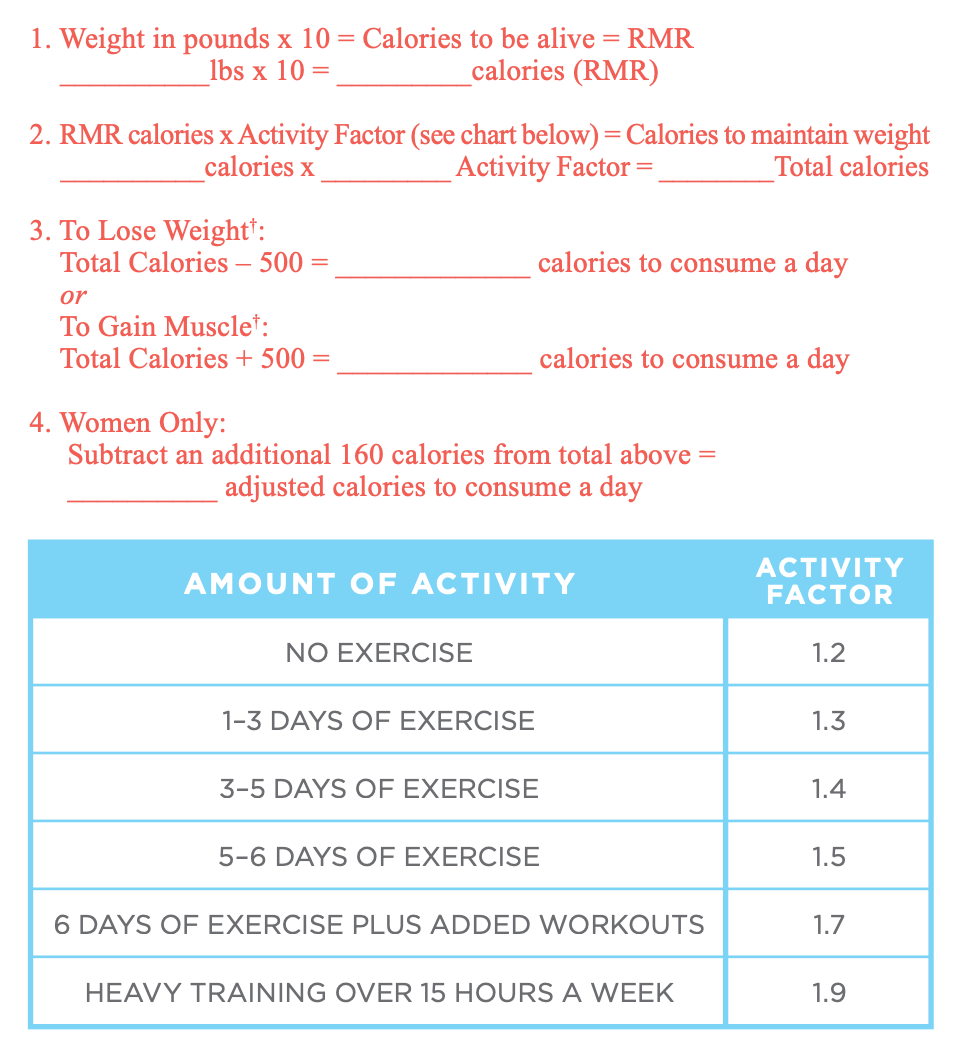
At the heart of calorie calculation lies the fundamental concept of energy balance: the relationship between the calories you consume and the calories your body expends. Technology doesn’t alter these physiological truths, but it dramatically simplifies their assessment and application. Instead of manual calculations involving complex formulas, today’s digital tools automate the process, providing rapid and actionable insights into your body’s unique energy requirements.
Basal Metabolic Rate (BMR) and Total Daily Energy Expenditure (TDEE) Explained
Your Basal Metabolic Rate (BMR) represents the minimum number of calories your body needs to perform basic, life-sustaining functions while at rest—things like breathing, circulation, nutrient processing, and cell production. It’s the energy cost of simply existing. Calculating this manually can involve complex equations such as the Mifflin-St Jeor equation or the Harris-Benedict equation, which factor in age, sex, weight, and height. However, almost every reputable calorie tracking app and online calculator now integrates these formulas, allowing you to input your basic demographic data and receive an instant, accurate BMR estimate. This automation eliminates human error and provides a consistent starting point for understanding your energy expenditure.
Building on BMR, your Total Daily Energy Expenditure (TDEE) accounts for all the calories you burn in a day, including your BMR, the thermic effect of food (energy used for digestion), and, critically, your physical activity level. This is where technology truly shines. While traditional methods rely on subjective self-assessment of activity levels (e.g., “lightly active,” “moderately active”), modern digital tools integrate real-time data to refine these estimates.
Activity Levels and Their Digital Interpretation
The most significant variable affecting your TDEE beyond your BMR is your physical activity. This isn’t just structured exercise but encompasses all movement throughout your day—from fidgeting to walking, standing, and more. Modern fitness trackers, smartwatches, and even smartphone accelerometers are engineered to precisely monitor this activity. They track steps taken, distance covered, intensity of movement, and even heart rate during exertion.
When synced with calorie tracking apps, this wealth of activity data is automatically factored into your TDEE calculation. Instead of manually selecting an “activity level” that might be too high or too low, the app dynamically adjusts your estimated caloric needs based on your actual movement. For example, on a particularly active day with a long run or intense workout, your wearable device will relay this increased energy expenditure to your tracking app, which will then recommend a higher calorie intake to maintain energy balance or adjust for specific goals. This seamless integration ensures a more personalized and responsive estimate of your daily caloric needs, far surpassing the accuracy of static, manual calculations.
Leveraging Apps for Seamless Calorie Tracking
The advent of dedicated calorie tracking applications has perhaps been the most transformative technological leap for personal nutrition management. These apps consolidate a vast array of features into a user-friendly interface, making consistent and accurate logging of food intake more accessible than ever before. They serve as your personal digital nutritionist, providing tools that extend far beyond simple calorie counting.
Popular Calorie Tracking Applications and Their Features
Today’s digital marketplace is rich with sophisticated calorie tracking applications, each offering unique strengths tailored to diverse user needs. Apps like MyFitnessPal, Lose It!, Cronometer, and MacroFactor stand out for their comprehensive features and extensive databases.
- Vast Food Databases: At the core of these apps are massive databases containing nutritional information for millions of food items, including restaurant meals, packaged goods, and generic ingredients. This eliminates the need to manually look up nutritional facts, as users can simply search for what they’ve eaten.
- Barcode Scanners: A major convenience feature is the integrated barcode scanner. Users can simply scan the barcode of a packaged food item, and the app instantly populates its nutritional data, including calories, macronutrients (protein, carbs, fats), and often micronutrients.
- Custom Food Entries and Recipe Builders: For home-cooked meals or unique food items, apps allow users to create and save custom entries, inputting ingredients and their quantities. Many also feature recipe builders, where you can add all ingredients for a dish, and the app calculates the nutritional breakdown per serving.
- Macronutrient and Micronutrient Tracking: Beyond just calories, these apps provide detailed breakdowns of macronutrients, allowing users to track their protein, carbohydrate, and fat intake against personalized targets. More advanced apps, like Cronometer, also offer comprehensive micronutrient tracking, showing your intake of vitamins and minerals.
- Goal Setting and Progress Tracking: Users can set specific calorie and macronutrient goals based on their objectives (weight loss, maintenance, gain). The apps then provide daily summaries, weekly reports, and visual graphs to track progress over time, offering valuable insights into dietary patterns and goal attainment.
- Community and Social Features: Many apps include community forums, allowing users to connect with others, share tips, and find motivation, adding a social dimension to health tracking.
The Power of AI and Machine Learning in Nutrition Tracking
The evolution of calorie tracking is increasingly being driven by artificial intelligence (AI) and machine learning (ML). These advanced technologies are moving beyond simple data logging to provide more intelligent, predictive, and personalized nutritional guidance.
- Enhanced Food Recognition: AI is revolutionizing how we log food. Instead of manual search or barcode scanning, some emerging apps utilize image recognition technology. Users can simply snap a photo of their meal, and AI algorithms attempt to identify the food items and estimate portion sizes, significantly speeding up the logging process. While still developing, this technology promises a future where tracking is nearly effortless.
- Predictive Analytics for Meal Planning: ML algorithms analyze a user’s historical dietary patterns, preferences, and progress towards goals to offer predictive insights. For instance, an app might suggest meals or ingredients that align with your targets and past choices, making meal planning more efficient and personalized.
- Personalized Recommendations and Adaptive Goal Setting: AI can go beyond static goal setting. By continuously analyzing your logged food, activity levels (from synced wearables), weight changes, and overall progress, AI-driven platforms can dynamically adjust your calorie and macro recommendations. If you hit a plateau, the AI might suggest a slight caloric adjustment or a change in macronutrient distribution, offering a truly adaptive coaching experience tailored to your body’s unique response.
- Behavioral Nudging and Habit Formation: Some AI tools integrate behavioral science to provide gentle nudges and reminders, helping users build consistent tracking habits and make healthier food choices throughout the day, reinforcing positive dietary behaviors.
Integrating Wearable Technology for Enhanced Accuracy
While apps provide the interface for logging food, wearable technology plays a crucial role in providing the “other half” of the energy balance equation: accurate energy expenditure. The synergy between dedicated tracking apps and smart wearables creates a powerful ecosystem for precise calorie management.
Smartwatches and Fitness Trackers: Beyond Step Counting
Modern smartwatches and fitness trackers have evolved far beyond simple pedometers. Devices from brands like Apple, Garmin, Fitbit, and Samsung are packed with sophisticated sensors that continuously monitor various physiological metrics throughout the day and during exercise.
- Heart Rate Monitoring: Perhaps the most critical advancement for calorie expenditure calculation is continuous heart rate monitoring. During physical activity, a higher heart rate generally correlates with higher calorie burn. Wearables use advanced optical sensors to track your heart rate zones, providing a much more accurate estimate of calories burned during workouts than generic activity factors. They also monitor resting heart rate, which can be an indicator of overall fitness and recovery.
- Activity Level and Movement Tracking: Beyond steps, these devices use accelerometers and gyroscopes to detect different types of movement, distinguishing between walking, running, cycling, swimming, and even specific strength training exercises. This detailed activity data is then transmitted to your primary calorie tracking app.
- Sleep Tracking: Many wearables also monitor sleep patterns, including sleep stages (light, deep, REM). While sleep itself doesn’t directly burn a large number of calories, adequate sleep is vital for metabolic health and energy regulation, indirectly impacting your body’s ability to process and utilize calories effectively. Apps can integrate sleep data to provide a holistic view of your daily well-being and recovery.
- Automatic Syncing: The true power lies in the seamless, often automatic, syncing of this data with your chosen nutrition app. As you move throughout your day, your wearable collects data, which is then fed into your app, dynamically updating your TDEE and adjusting your remaining calorie budget in real-time. This reduces manual input and ensures that your calorie goals are always reflective of your actual activity.
Smart Scales and Body Composition Analyzers
Beyond activity, smart scales have become an invaluable technological asset in the quest for precise calorie calculation and overall body management. These devices offer more than just a simple weight reading; they provide deeper insights into body composition.
- Weight Tracking with Trends: Basic smart scales track your weight and automatically sync this data to your app, allowing you to see trends over time. This is crucial for evaluating the effectiveness of your calorie intake adjustments. Instead of just a daily number, you see how your weight changes in response to your diet and exercise.
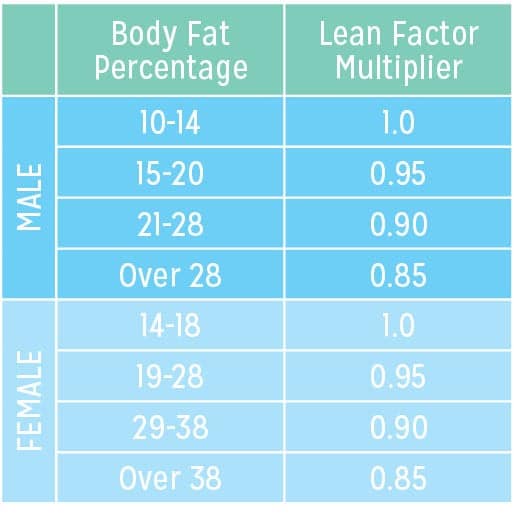
- Body Composition Analysis: More advanced smart scales utilize Bioelectrical Impedance Analysis (BIA) to estimate body fat percentage, muscle mass, bone mass, and water percentage. While BIA isn’t as accurate as clinical methods, it provides consistent directional data, helping you understand if changes in your weight are due to fat loss, muscle gain, or water fluctuations.
- Metabolic Age and Visceral Fat Estimates: Some sophisticated scales even offer estimates for metabolic age (how your BMR compares to others in your age group) and visceral fat levels (fat around organs), providing additional health markers to monitor.
- Seamless Data Integration: Like fitness trackers, smart scales connect wirelessly (via Bluetooth or Wi-Fi) with your smartphone and calorie tracking apps. This means your weight and body composition data are automatically logged and integrated into your health profile, allowing the apps to make more informed recommendations for your calorie and macronutrient targets based on your evolving body metrics. For instance, if you’re gaining muscle, your calorie needs might increase even if your weight stays constant.
Advanced Tools and Future Trends in Calorie Management
The technological landscape of nutrition is continually evolving, with innovations pushing the boundaries of personalization and precision. Beyond the current suite of apps and wearables, emerging technologies promise even more granular insights into how our bodies process and utilize calories.
Connected Kitchen Gadgets and Smart Appliances
The concept of the “smart home” is extending into the kitchen, creating an ecosystem where food preparation itself contributes to calorie tracking.
- Smart Food Scales: These devices connect to apps and can accurately weigh ingredients, automatically logging their nutritional data into your diet tracker. This eliminates manual input for raw ingredients, making home cooking a trackable activity.
- Smart Ovens and Cooking Devices: While still nascent, the future could see smart ovens that recognize food items and log their calorie content based on recipes or pre-programmed meal types. Imagine a recipe being loaded, and the oven not only cooks it perfectly but also tells your app the precise caloric value of the portion you serve yourself.
- IoT (Internet of Things) Integration: As more kitchen appliances become connected, there’s potential for an integrated system where food consumed and prepared is automatically or semi-automatically logged, reducing the burden of manual data entry significantly.
Personalized Nutrition Platforms and Biometric Integration
The ultimate frontier in calorie and nutrition management lies in hyper-personalization, moving beyond generic recommendations to advice tailored to an individual’s unique biology.
- Continuous Glucose Monitors (CGMs): Originally for diabetics, CGMs are now gaining traction in the general wellness space. These small devices continuously monitor blood glucose levels, offering real-time insights into how different foods and activities impact an individual’s blood sugar response. This data can inform highly personalized dietary choices, helping users identify foods that cause sharp spikes and crashes, thereby optimizing energy levels and potentially impacting hunger and satiety, which indirectly affects calorie intake. Platforms like Levels and NutriSense are leveraging CGM data for personalized nutrition coaching.
- Gut Microbiome Analysis: While not directly calculating calories, analysis of an individual’s gut microbiome through stool samples provides insights into how efficiently their body metabolizes certain nutrients. Future personalized nutrition platforms may integrate this data to recommend specific dietary fiber and probiotic-rich foods that optimize gut health, which in turn can influence nutrient absorption and metabolic efficiency.
- Genetic Testing for Dietary Response: Genetic predisposition can influence how an individual responds to certain macronutrients or micronutrients. Personalized nutrition services offer genetic testing to provide insights into an individual’s unique metabolic profile, informing recommendations for optimal calorie and macronutrient ratios that align with their genetic makeup. This can help refine calorie intake strategies for maximum effectiveness.
- Multi-Biometric AI Platforms: The future envisions AI platforms that synthesize data from all these sources—wearables, smart scales, CGMs, gut microbiome tests, and genetic profiles—to create an ultra-personalized, dynamic nutrition plan. This AI would not only calculate calorie needs with unprecedented accuracy but also recommend specific foods, meal timings, and even supplement strategies tailored to an individual’s real-time physiological state and long-term genetic predispositions.

Conclusion
Calculating your calorie intake has been utterly transformed by technology, moving from a cumbersome, often inaccurate process to a streamlined, highly precise, and increasingly personalized endeavor. Modern apps provide robust databases and intuitive logging mechanisms, while wearable devices offer real-time insights into energy expenditure, creating a powerful feedback loop for effective calorie management. Smart scales add another layer of data, tracking weight and body composition to inform adjustments.
As technology continues to advance, the integration of AI, sophisticated biometric monitoring, and connected kitchen devices promises even greater personalization and automation. While these tools offer unparalleled convenience and accuracy, it’s crucial to remember that they are aids—user consistency, mindful engagement, and a fundamental understanding of your goals remain paramount. By embracing these technological innovations, you can gain profound control over your nutrition, making informed choices that pave the way for a healthier, more vibrant life.
aViewFromTheCave is a participant in the Amazon Services LLC Associates Program, an affiliate advertising program designed to provide a means for sites to earn advertising fees by advertising and linking to Amazon.com. Amazon, the Amazon logo, AmazonSupply, and the AmazonSupply logo are trademarks of Amazon.com, Inc. or its affiliates. As an Amazon Associate we earn affiliate commissions from qualifying purchases.