
In an era defined by data and digital solutions, understanding and managing personal health has never been more accessible. At the heart of many fitness and wellness goals lies a fundamental principle: energy balance, meticulously measured in kilocalories (kcal). Knowing “how to calculate kcal needs” is the bedrock for effective weight management, muscle gain, or simply maintaining a healthy lifestyle. While historically this involved complex manual calculations and guesswork, today, technology has emerged as an indispensable ally, transforming an arduous task into an intuitive, data-driven process. This article delves into the technological landscape that empowers individuals to accurately determine their caloric requirements, leveraging everything from smart algorithms to integrated fitness ecosystems.
The Foundation: Understanding Energy Needs (with a Tech Lens)
Before we explore the digital tools, it’s crucial to grasp the core concepts behind kcal calculation. Even sophisticated software relies on these physiological principles, simply automating the complex arithmetic. Technology streamlines the application of these concepts, making them accessible to everyone.
Basal Metabolic Rate (BMR) Automated
Your Basal Metabolic Rate (BMR) is the number of calories your body needs to perform basic, life-sustaining functions while at rest—think breathing, circulation, cell production, and nutrient processing. It’s the absolute minimum energy required to keep you alive. Manually calculating BMR involves formulas like the Mifflin-St Jeor Equation or the Harris-Benedict Equation, which consider variables such as age, gender, weight, and height.
- Mifflin-St Jeor Equation (commonly used by apps):
- For Men: (10 × weight in kg) + (6.25 × height in cm) – (5 × age in years) + 5
- For Women: (10 × weight in kg) + (6.25 × height in cm) – (5 × age in years) – 161
In the technological realm, dedicated nutrition apps and online calculators have integrated these formulas seamlessly. Users simply input their basic demographic data, and the software instantly computes their BMR. This eliminates the potential for human error in calculation and provides an immediate foundational number, allowing users to focus on the next steps rather than getting bogged down in arithmetic. Many advanced apps also offer options to select different BMR formulas, giving users flexibility based on their preference or specific needs.
Total Daily Energy Expenditure (TDEE) Estimated by Activity Trackers
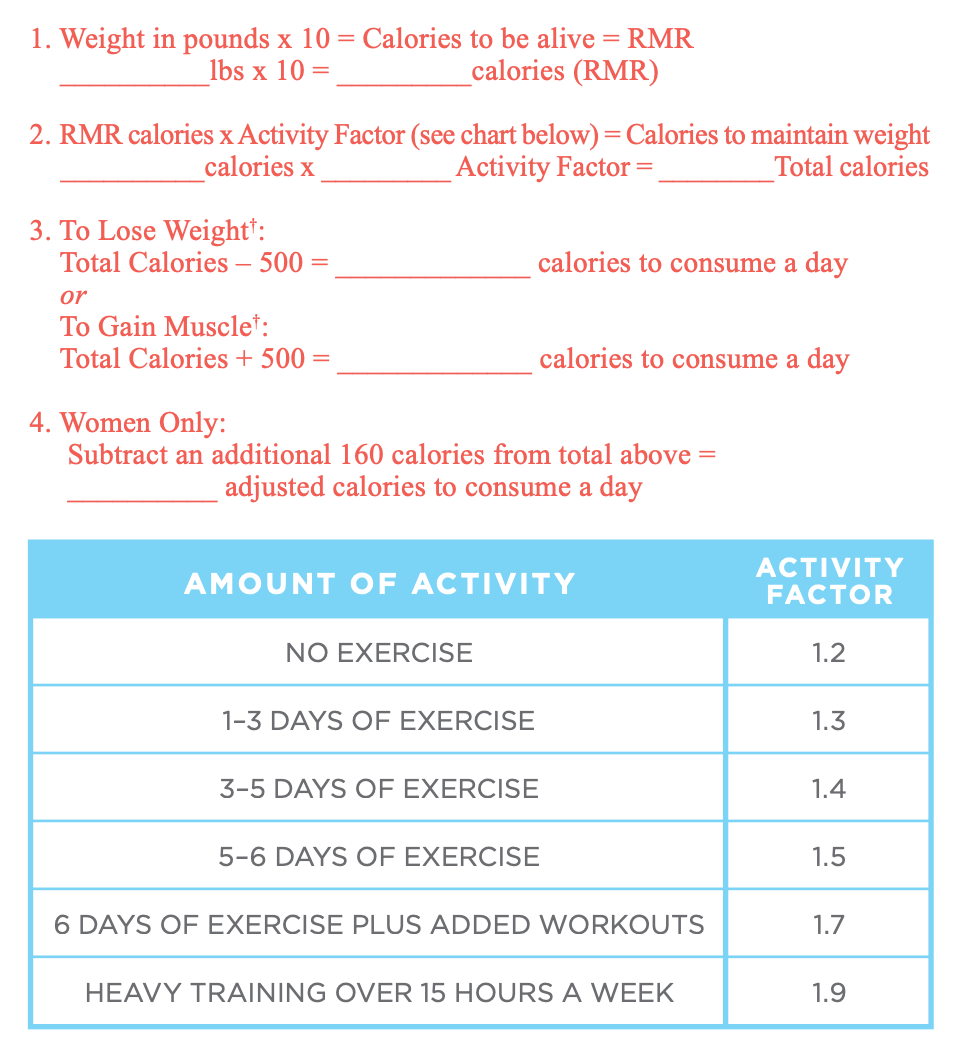
While BMR accounts for resting energy, your Total Daily Energy Expenditure (TDEE) is a more comprehensive measure, representing the total calories your body burns in a 24-hour period, including physical activity. TDEE is calculated by multiplying your BMR by an activity factor that reflects your daily exercise level:
- Sedentary: Little or no exercise (BMR x 1.2)
- Lightly Active: Light exercise/sports 1-3 days/week (BMR x 1.375)
- Moderately Active: Moderate exercise/sports 3-5 days/week (BMR x 1.55)
- Very Active: Hard exercise/sports 6-7 days/week (BMR x 1.725)
- Extremely Active: Very hard exercise/physical job (BMR x 1.9)
Here’s where technology truly shines. Modern fitness trackers, smartwatches, and even smartphone apps leverage accelerometers, gyroscopes, and heart rate monitors to estimate your activity level with remarkable precision. Instead of relying on subjective self-assessment (e.g., “Am I lightly active or moderately active?”), these gadgets provide objective data on steps taken, distance covered, intensity of workouts, and even non-exercise activity thermogenesis (NEAT). This real-time data is then integrated into accompanying software platforms, which automatically apply the appropriate activity multiplier to your BMR, yielding a far more accurate TDEE estimate than manual methods could ever provide. Some advanced algorithms even learn your activity patterns over time, dynamically adjusting your TDEE estimate to reflect changes in your routine.
Leveraging Digital Tools for Precise Kcal Management
The true power of technology in kcal calculation lies in its ability to not only automate the foundational math but also to provide ongoing tracking, analysis, and personalized recommendations.
Online Calculators and Web-Based Platforms
The simplest entry point into digital kcal calculation is through free online calculators. Websites dedicated to health and fitness host user-friendly interfaces where you plug in your BMR factors (age, gender, height, weight) and select an activity level. These platforms instantly churn out your BMR, TDEE, and often provide basic recommendations for weight loss, maintenance, or gain.
While basic, these web-based tools are excellent for quick estimates and serve as a valuable starting point. Many also feature macro calculators (protein, carbs, fat) and simple food databases, offering a holistic, albeit generalized, overview of nutritional needs. Their accessibility and ease of use make them a popular choice for initial inquiries, requiring no software installation or subscription.
Dedicated Nutrition & Fitness Apps
Stepping up from simple online calculators, dedicated mobile applications offer a comprehensive ecosystem for managing kcal needs. These apps often integrate a vast database of foods, allowing users to log their meals with barcode scanners or manual entry. This feature is revolutionary, as it automatically tracks consumed calories and macronutrients against your calculated daily targets.
Key features include:
- Food Logging: Scan barcodes, search extensive food databases, or create custom entries for precise tracking.
- Macro Tracking: Beyond just calories, these apps break down your intake into protein, carbohydrates, and fats, essential for specific fitness goals.
- Personalized Recommendations: Based on your goals (weight loss, muscle gain, maintenance), these apps suggest daily calorie targets and even offer meal plan ideas.
- Integration with Wearables: Seamlessly sync with fitness trackers and smartwatches to pull in activity data, automatically adjusting your TDEE and net calorie balance throughout the day.
- Progress Tracking: Visualize your caloric intake, weight changes, and other metrics over time through graphs and reports, providing insights into trends and areas for adjustment.
Popular examples like MyFitnessPal, Cronometer, and Lose It! have millions of users, proving the efficacy and demand for such powerful, all-in-one digital nutrition assistants. They transform the abstract concept of “kcal needs” into an actionable, daily regimen.
The Rise of AI in Personalized Nutrition
The next frontier in kcal calculation is Artificial Intelligence (AI). Moving beyond static formulas and simple data logging, AI-powered nutrition platforms offer a dynamic and highly personalized experience. These tools can analyze vast amounts of data, including your dietary preferences, activity levels, health conditions, genetic predispositions (if provided), and even real-time physiological responses.
AI algorithms can:
- Predict Needs: Anticipate your caloric requirements based on your historical data and upcoming activities.
- Adapt to Real-time Data: Adjust your daily targets based on how your body responds to exercise or food intake.
- Offer Dynamic Meal Plans: Generate adaptive meal plans that evolve with your progress, taste changes, and even ingredient availability.
- Identify Patterns: Pinpoint eating habits or activity routines that hinder or help your progress, offering data-driven insights that might be missed by manual tracking.
- Chatbot Coaching: Some AI platforms include conversational interfaces that act as virtual nutrition coaches, answering questions, providing motivation, and offering guidance based on your profile.
This intelligent approach significantly enhances the accuracy and effectiveness of kcal management, moving from a one-size-fits-all model to truly individualized health solutions.
Gadgets and Wearables: Real-Time Data for Better Estimates
The physical aspect of “how to calculate kcal needs” is increasingly being handled by intelligent hardware that works in conjunction with software. These gadgets bridge the gap between your body’s activities and your digital nutrition platform.
Fitness Trackers and Smartwatches
These ubiquitous wearables are perhaps the most influential tech gadgets for TDEE estimation. By continuously monitoring heart rate, steps, distance, and even sleep patterns, they provide a rich dataset that far surpasses the accuracy of self-reported activity levels.
- Activity Tracking: Accelerometers and gyroscopes accurately count steps and estimate distance, providing the raw data for activity multipliers.
- Heart Rate Monitoring: Optical heart rate sensors track your heart rate zones during workouts, allowing for a more precise calculation of calories burned during exercise (Exercise Activity Thermogenesis – EAT).
- Sleep Analysis: While not directly calculating calories burned, sleep quality and duration can impact metabolic function. Many trackers integrate sleep data into an overall wellness score, which indirectly influences overall energy expenditure.
When synced with nutrition apps, the data from these devices automatically updates your daily “calories out,” providing a real-time net caloric balance. This dynamic feedback loop is critical for fine-tuning dietary intake and activity levels.
Smart Scales and Body Composition Analyzers
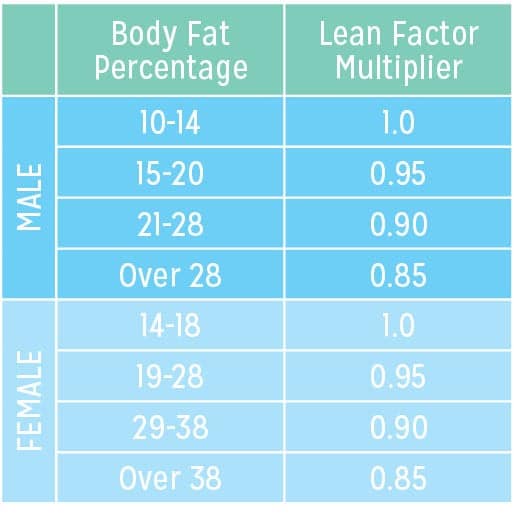
Beyond just weight, smart scales provide valuable metrics that refine kcal calculations. Many use bioelectrical impedance analysis (BIA) to estimate body fat percentage, muscle mass, bone mass, and water content.
- Body Composition: Knowing your body composition is crucial because muscle tissue burns more calories at rest than fat tissue. Algorithms in integrated apps can use this data to adjust BMR estimates for greater accuracy.
- Weight Trends: Smart scales often track weight trends over time, automatically syncing this data to your apps. This allows for long-term progress monitoring and helps in adjusting kcal targets as your body changes.
By providing a more nuanced understanding of your body, smart scales contribute to a more personalized and accurate assessment of your metabolic needs, going beyond simple weight and height.
Ensuring Accuracy and Data Security in Your Digital Kcal Journey
While technology offers unprecedented convenience and precision in calculating kcal needs, it’s essential to approach it with a critical mindset, especially regarding data interpretation and privacy.
Interpreting and Adjusting Digital Outputs
Technology is a powerful tool, but not a perfect oracle. The numbers generated by apps and gadgets are estimates. Individual metabolic rates can vary, and factors like stress, illness, and medication can influence energy expenditure in ways current tech cannot always fully account for.
- Consistency is Key: Use the same tools consistently to establish a baseline and track trends.
- Listen to Your Body: Pay attention to hunger cues, energy levels, and how your clothes fit. If the numbers suggest one thing but your body indicates another (e.g., persistent fatigue on a supposed maintenance intake), adjustments are likely needed.
- Iterative Process: View kcal calculation as an ongoing experiment. Start with the tech-derived estimate, then adjust your intake by small increments (+/- 100-200 kcal) based on observed results over 2-4 weeks.
- Professional Guidance: For complex health conditions or specific athletic goals, consult with a registered dietitian or certified nutritionist who can provide expert interpretation and personalized guidance, often leveraging the data you’ve collected with your digital tools.
Digital Security and Privacy Concerns
Using digital tools for health data means sharing sensitive personal information. It’s imperative to consider the privacy implications.
- Understand Privacy Policies: Before committing to an app or service, read its privacy policy to understand how your data is collected, stored, shared, and used.
- Secure Accounts: Use strong, unique passwords for all health-related apps and enable two-factor authentication whenever available.
- Data Portability: Inquire about your ability to export your data. This is useful for transferring data between apps or for sharing with healthcare providers.
- Reputable Providers: Stick to well-known and reputable apps and devices that have a proven track record of data security and user privacy. Avoid obscure apps with vague privacy statements.
- Control Data Sharing: Be mindful of settings that allow apps to share your data with third-party partners or for research purposes. Opt-out if you’re uncomfortable.
Protecting your digital health footprint is as crucial as protecting your physical health.
The Future of Kcal Calculation: Predictive AI and Hyper-Personalization
The trajectory of technology in kcal management points towards even greater sophistication and integration. The future promises a seamless, invisible layer of digital intelligence supporting our nutritional goals.
Advanced Algorithms and Machine Learning
Future iterations of AI will likely integrate an even broader spectrum of data points. Imagine algorithms that analyze your microbiome data, genetic markers, real-time blood glucose levels (via continuous glucose monitors), and even stress hormones to provide an incredibly precise, dynamic kcal recommendation. Machine learning models will constantly learn from your unique physiology and lifestyle, adapting and predicting your needs with unparalleled accuracy.

Seamless Integration with Healthcare and Smart Homes
The ultimate vision is a fully integrated ecosystem. Your smart home devices could track your sleep, wake-up times, and even ambient environmental factors. Your medical records, with your explicit consent, could inform your nutrition app of underlying health conditions or medication effects. Imagine smart refrigerators that suggest meal ideas based on your calculated needs and available ingredients, or smart ovens that automatically adjust cooking times for optimal nutrient retention. This hyper-personalized, preventative approach, powered by interconnected technology, will make “how to calculate kcal needs” not just a task, but an inherent, evolving part of your daily living.
In conclusion, technology has revolutionized the once-daunting task of calculating kcal needs. From basic online calculators to advanced AI-driven nutrition platforms and integrated wearables, digital tools provide unprecedented accuracy, convenience, and personalization. By embracing these innovations while remaining mindful of their limitations and data security, individuals can navigate their health journeys with precision, insight, and greater control than ever before. The digital age has truly empowered us to precisely understand and manage the energy that fuels our lives.
aViewFromTheCave is a participant in the Amazon Services LLC Associates Program, an affiliate advertising program designed to provide a means for sites to earn advertising fees by advertising and linking to Amazon.com. Amazon, the Amazon logo, AmazonSupply, and the AmazonSupply logo are trademarks of Amazon.com, Inc. or its affiliates. As an Amazon Associate we earn affiliate commissions from qualifying purchases.