
Understanding your annual income is more than just a numerical exercise; it’s a cornerstone of sound financial planning, budgeting, and long-term wealth building. Whether you’re a salaried employee, an hourly worker, a freelancer, or a business owner, having a clear picture of your total earnings over a year is essential for making informed financial decisions, setting realistic goals, and navigating tax obligations. This comprehensive guide will walk you through the process of accurately calculating your annual income, highlighting the different components and considerations involved.
Understanding Your Gross Annual Income
Before diving into calculations, it’s crucial to grasp the concept of “gross annual income.” This figure represents the total amount of money you earn before any deductions, taxes, or withholdings are applied. It’s the raw, pre-tax value of all your earnings over a 12-month period.

Defining Gross Income
Gross income is the sum total of all monetary compensation received from all sources within a calendar year or fiscal year. This includes, but is not limited to, wages, salaries, tips, bonuses, commissions, interest, dividends, rental income, and income from self-employment. For most individuals, especially those employed by a company, gross income is the amount stated on their pay stubs before deductions for federal and state taxes, Social Security, Medicare, health insurance premiums, and retirement contributions.
Identifying All Income Sources
A common mistake when calculating annual income is overlooking various streams of revenue. To get a truly accurate figure, you need to identify every single source from which you receive money.
- W-2 Income: If you are an employee, your primary income will likely come from wages reported on a W-2 form. This includes your regular salary or hourly pay, overtime, bonuses, and commissions.
- 1099 Income (Freelance/Contract Work): If you work as an independent contractor, freelancer, or gig worker, clients who pay you over a certain threshold ($600 in most cases) will issue you a Form 1099-NEC or 1099-MISC. This income needs to be fully accounted for.
- Side Gigs and Casual Work: Even smaller, less formal side hustles, like dog walking, babysitting, selling items online, or occasional consulting, contribute to your gross income, even if they don’t result in a 1099 form. These often fall under “other income” and must be tracked diligently.
- Investment Income: This includes interest earned from savings accounts, CDs, and bonds; dividends from stocks and mutual funds; and capital gains from selling investments at a profit. These are often reported on forms like 1099-INT, 1099-DIV, or 1099-B.
- Rental Income: If you own property and lease it out, the rent collected (before expenses) is part of your gross income.
- Other Income: This category can encompass a wide range of less common sources such as alimony, unemployment benefits, gambling winnings, or even awards and prizes.
The Importance of Accurate Records
Maintaining meticulous records throughout the year is perhaps the most critical step in calculating your annual income accurately. Without proper documentation – pay stubs, bank statements, invoices, 1099 forms, W-2s, and receipts for all income – you risk miscalculating your earnings, which can lead to budgeting errors, missed financial opportunities, or even tax compliance issues. Digital tools and physical files can both serve this purpose effectively, as long as they are consistently updated and organized.
Step-by-Step Calculation for Different Income Types
The method for calculating annual income varies slightly depending on how you earn your money. It’s essential to apply the correct approach for each income stream and then sum them up for your total gross annual figure.
For Salaried Employees (W-2 Income)
If you receive a fixed annual salary, this is the most straightforward calculation. Your annual salary is typically stated in your offer letter or employment contract. If you only know your monthly or bi-weekly gross pay, multiply that figure by the number of pay periods in a year.
- Monthly Paid: Gross Monthly Salary × 12
- Bi-Weekly Paid: Gross Bi-Weekly Salary × 26
- Semi-Monthly Paid: Gross Semi-Monthly Salary × 24
Remember to include any bonuses, commissions, or other supplemental wages you might have received throughout the year. Your year-end W-2 form will ultimately provide the definitive total gross earnings from that employer.
For Hourly Workers
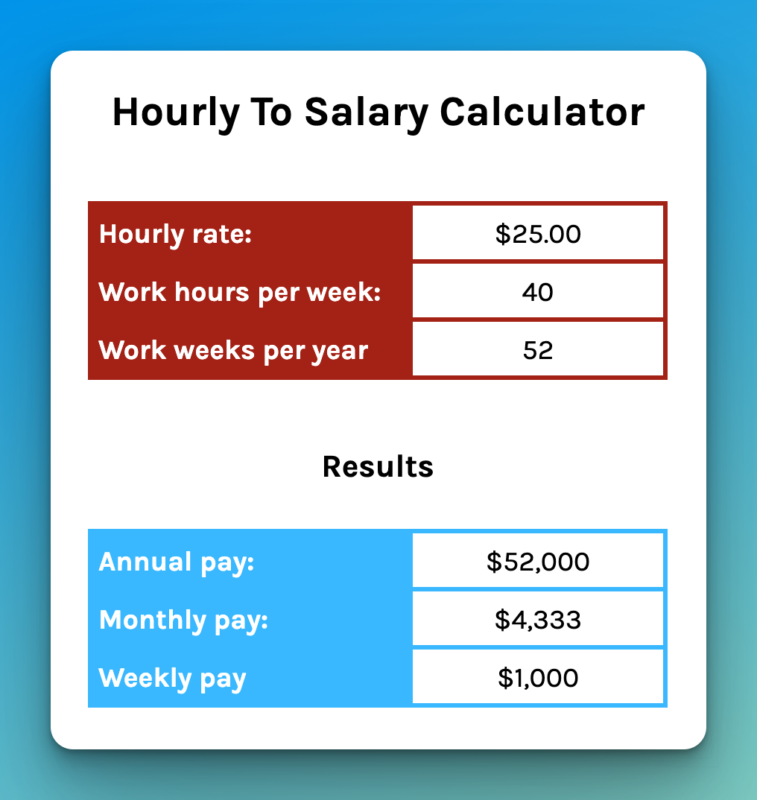
For those paid hourly, the calculation involves multiplying your hourly rate by the number of hours worked and then annualizing that sum.
- Calculate Weekly Gross Pay: Hourly Rate × Hours Worked Per Week
- Calculate Annual Gross Pay: Weekly Gross Pay × 52 weeks
If your hours fluctuate, it’s best to average your weekly hours over a few months or sum up your actual hours from all pay stubs. Don’t forget to account for any overtime pay, which is often paid at a higher rate. Overtime income should be calculated separately and added to your regular pay.
For Freelancers and Independent Contractors (1099 Income)
This category often requires the most diligent tracking, as income can be irregular.
- Track All Invoices/Payments: Keep a running tally of every payment received from each client throughout the year.
- Sum All Receipts: Add up all individual payments received from all clients.
- Include Cash Payments: Don’t forget cash payments or payments from platforms that don’t issue 1099s for smaller amounts.
Many freelancers use accounting software (like QuickBooks Self-Employed, FreshBooks, or Wave) or a simple spreadsheet to record all income and expenses in real-time. This makes the year-end summation much simpler.
Incorporating Other Income Streams (Investments, Rental Income, etc.)
Once you’ve calculated your primary income, integrate all other sources:
- Investment Income: Sum up all interest, dividends, and capital gains from your investment statements (1099-INT, 1099-DIV, 1099-B).
- Rental Income: Add up all gross rent collected over the year from all properties.
- Other Miscellaneous Income: Include any other income sources you’ve identified and tracked.
Finally, sum up all these individual totals (W-2, 1099, investment, rental, miscellaneous) to arrive at your comprehensive Gross Annual Income.
Differentiating Between Gross and Net Annual Income
While gross annual income tells you how much money you made, net annual income tells you how much money you actually have available after all mandatory deductions. Both figures are crucial for different aspects of financial planning.

What is Net Income?
Net income, often referred to as “take-home pay,” is the amount of money an individual receives after all taxes, deductions, and other withholdings have been removed from their gross income. For businesses, net income is revenue minus cost of goods sold, operating expenses, interest, and taxes. For individuals, it’s what you see deposited into your bank account from your paycheck.
Common Deductions and Withholdings
The difference between gross and net income is accounted for by various deductions, which can be mandatory or voluntary.
- Taxes: This is typically the largest deduction. It includes federal income tax, state income tax (if applicable), and local income tax (if applicable).
- Payroll Taxes: These comprise Social Security and Medicare taxes, often referred to as FICA (Federal Insurance Contributions Act). For employees, these are automatically withheld. For self-employed individuals, these are paid as part of self-employment tax.
- Health Insurance Premiums: Your share of the cost for health, dental, and vision insurance plans is often deducted directly from your paycheck.
- Retirement Contributions: Contributions to employer-sponsored retirement plans like 401(k)s or 403(b)s are usually pre-tax deductions, meaning they reduce your taxable income.
- Other Benefits: Deductions might also include contributions to Flexible Spending Accounts (FSAs), Health Savings Accounts (HSAs), life insurance, disability insurance, or union dues.
Why Both Figures Matter for Financial Planning
- Gross Income: This figure is essential for tax purposes, applying for loans (mortgages, car loans, personal loans), and understanding your overall earning power. Lenders typically look at gross income to assess your ability to repay debt.
- Net Income: This is the figure you use for creating and managing your monthly budget, determining how much you can realistically spend on living expenses, savings, and discretionary purchases. It’s your true disposable income.
Understanding both allows for a holistic view of your financial health. You need gross income to calculate tax liabilities and measure earning potential, and net income to manage your day-to-day cash flow and savings goals.
Tools and Strategies for Tracking Your Annual Earnings
Accurate tracking is the bedrock of precise annual income calculation. Fortunately, there’s a multitude of tools and strategies available to simplify this process.
Utilizing Spreadsheets
A simple spreadsheet (Google Sheets, Microsoft Excel, Apple Numbers) can be incredibly powerful. You can create columns for date, source, amount, and category (e.g., salary, freelance project A, investment dividend). By diligently entering every income event, a simple SUM function at the end of the year will give you your total. Templates for income tracking are readily available online and can be customized to your specific needs.
Accounting Software and Financial Apps
For more automated and comprehensive tracking, especially beneficial for freelancers, small business owners, or those with multiple income streams, dedicated software and apps are invaluable.
- Personal Finance Apps: Apps like Mint, YNAB (You Need A Budget), or Personal Capital can link directly to your bank accounts and credit cards, categorizing income and expenses automatically. While they excel at budgeting, some also provide income summaries.
- Small Business/Freelance Accounting Software: QuickBooks Self-Employed, FreshBooks, Wave Accounting, and Zoho Books are designed for tracking invoices, payments received, and expenses, making it easy to generate income reports for tax purposes. These tools often allow you to send invoices, track payments, and even estimate quarterly taxes.
Reviewing Pay Stubs and Bank Statements
Regularly reviewing your pay stubs and bank statements is a fundamental habit. Pay stubs clearly detail your gross pay, deductions, and net pay for each period, and often include year-to-date (YTD) figures. Bank statements provide a record of all deposits, allowing you to cross-reference and ensure all income has been accounted for and received. For cash-based income, keeping a logbook or using a simple notes app is crucial.
The Benefits of Regular Financial Review
Don’t wait until the end of the year to start compiling your income. Performing a monthly or quarterly review of your income and expenses helps in several ways:
- Catching Errors: You can quickly spot discrepancies or missed payments.
- Staying on Track: It allows you to monitor your progress toward financial goals.
- Tax Planning: It gives you an ongoing picture for estimated tax payments (especially for self-employed individuals) and year-end tax planning.
- Informed Decisions: Regular reviews empower you to make timely adjustments to spending or savings strategies.
Why Knowing Your Annual Income is Crucial
Beyond the immediate act of calculation, understanding your annual income empowers you in numerous financial aspects of your life.
Budgeting and Financial Planning
Your net annual income forms the foundation of your budget. Knowing how much you actually have allows you to allocate funds effectively for housing, food, transportation, debt repayment, savings, and discretionary spending. Your gross income is also vital for setting long-term financial goals, such as saving for a down payment, retirement, or a child’s education, as it dictates your overall capacity to save.
Tax Planning and Compliance
Both gross and net income are critical for tax purposes. Your gross income is the starting point for calculating your tax liability. Knowing it allows you to:
- Estimate Taxes: Especially for freelancers and business owners, estimating income throughout the year is crucial for making accurate quarterly estimated tax payments and avoiding penalties.
- Identify Deductions/Credits: Understanding your income helps you identify potential tax deductions or credits you might qualify for, reducing your overall tax burden.
- Avoid Surprises: A clear picture helps prevent unexpected tax bills at year-end.
Loan Applications and Creditworthiness
When applying for significant loans like a mortgage, car loan, or even some personal loans, lenders will primarily assess your gross annual income. This figure is a key indicator of your debt-to-income (DTI) ratio, a crucial metric lenders use to determine your ability to manage and repay new debt. A higher, stable gross income generally improves your creditworthiness and access to better loan terms.
Goal Setting and Wealth Building
Knowing your annual income is fundamental to setting realistic financial goals. Whether it’s saving for a major purchase, achieving financial independence, or starting a business, your income dictates the pace and scope of what you can achieve. It allows you to project future earnings, calculate potential savings rates, and build a roadmap toward wealth accumulation.
Negotiating Salary and Benefits
Having a precise understanding of your current earnings, including all components of your compensation, puts you in a stronger position when negotiating a new salary or asking for a raise. You can articulate your total value to an employer and make informed decisions about job offers, comparing not just base salary but also bonuses, benefits, and other forms of compensation.
In conclusion, calculating how much you make a year is far more than a simple arithmetic problem; it’s an essential exercise in financial literacy and empowerment. By diligently tracking all your income sources, understanding the distinction between gross and net earnings, and utilizing available tools, you gain invaluable insight into your financial landscape. This clarity is the first crucial step toward effective budgeting, strategic tax planning, responsible debt management, and ultimately, achieving your long-term financial aspirations. Take the time to master this fundamental calculation, and you’ll unlock a greater sense of control and confidence in your financial journey.
aViewFromTheCave is a participant in the Amazon Services LLC Associates Program, an affiliate advertising program designed to provide a means for sites to earn advertising fees by advertising and linking to Amazon.com. Amazon, the Amazon logo, AmazonSupply, and the AmazonSupply logo are trademarks of Amazon.com, Inc. or its affiliates. As an Amazon Associate we earn affiliate commissions from qualifying purchases.