
Understanding your household’s total income is a fundamental pillar of sound financial management. Whether you’re applying for a loan, planning a budget, seeking government assistance, or simply trying to get a clear picture of your financial standing, accurately calculating household income is a crucial first step. It’s more than just summing up paychecks; it involves a detailed look at all financial inflows to your household over a specific period. This comprehensive guide will break down the process, define key terms, and highlight why this calculation is indispensable for various financial endeavors.
Understanding What Constitutes Household Income
Before diving into the mechanics of calculation, it’s essential to define what sources of income are typically included in a household income figure. Generally, household income refers to the combined gross income of all individuals aged 15 or older living in the same housing unit, whether or not they are related. This encompasses a broad spectrum of earnings and receipts.
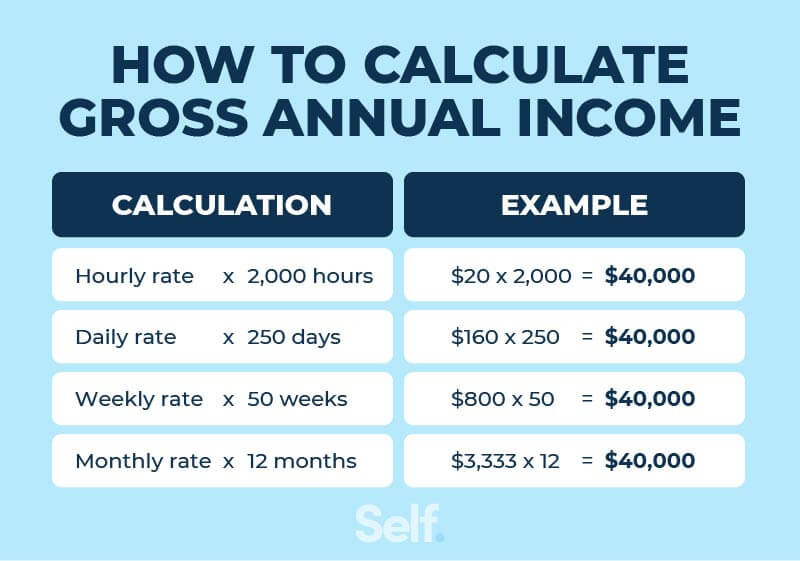
Individual Gross Income
The most common components of household income come from individual earnings before any deductions for taxes, retirement contributions, or insurance premiums. These include:
- Salaries and Wages: The fixed or hourly pay received from employment. This is typically the easiest to track via pay stubs or W-2 forms.
- Bonuses and Commissions: Additional payments often tied to performance or sales targets. These can be irregular but must be factored in.
- Tips: Income received directly from customers, common in service industries.
- Overtime Pay: Additional earnings for hours worked beyond the standard workweek.
Other Taxable Income Sources
Beyond direct employment income, many other forms of taxable income contribute to the household total. These often require more diligent tracking and documentation.
- Business Profits (Self-Employment Income): For freelancers, independent contractors, or small business owners, this is the net profit after deducting business expenses. This can be highly variable and often requires averaging or careful estimation.
- Rental Income: Money received from renting out properties, rooms, or other assets, after deducting eligible expenses like mortgage interest, property taxes, and maintenance.
- Investment Income:
- Dividends: Payments from stock investments.
- Interest: Earnings from savings accounts, bonds, or other interest-bearing investments.
- Capital Gains: Profits from selling assets like stocks, real estate, or other investments for more than their purchase price.
- Pensions and Retirement Distributions: Regular payments received from retirement plans (e.g., 401(k)s, IRAs, traditional pensions).
- Alimony and Spousal Support: Payments received from a former spouse, which are considered taxable income for the recipient under certain agreements.
- Taxable Social Security Benefits: A portion of Social Security benefits can be taxable depending on your “combined income” (adjusted gross income plus non-taxable interest plus half of your Social Security benefits).
Non-Taxable Income (and when to include it)
While household income primarily focuses on gross taxable income, certain non-taxable income sources are relevant, especially when determining eligibility for government assistance programs or specific financial aid. It’s crucial to understand the context in which you are calculating household income to know whether to include these.
- Child Support Payments: Funds received for the care of children are generally not considered taxable income for the recipient.
- Certain Government Benefits: This can include some forms of welfare benefits, housing subsidies, Supplemental Security Income (SSI), and specific educational grants or scholarships.
- Workers’ Compensation: Payments received for work-related injuries or illnesses are generally non-taxable.
- Life Insurance Proceeds: Typically not taxable to the beneficiary.
For most financial applications like mortgage approvals, the focus is on gross taxable income. However, when applying for need-based aid or specific government programs, the definition of “income” can broaden to include non-taxable sources to provide a more holistic view of a household’s financial resources. Always clarify the specific requirements of the institution or program for which you are performing the calculation.
Distinguishing Gross vs. Net Income
A critical distinction in calculating household income is between gross and net income.
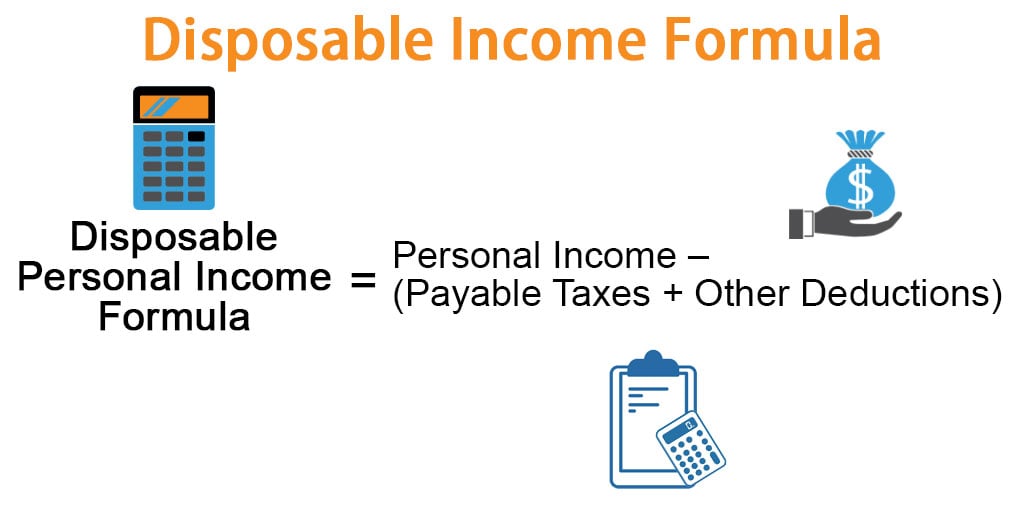
- Gross Income is the total amount of money earned or received before any taxes, deductions, or expenses are taken out. This is the figure most commonly used when calculating household income for financial applications.
- Net Income (or “take-home pay”) is the amount remaining after all deductions have been made. While important for budgeting, it’s generally not the figure used for official household income calculations.
Unless explicitly stated otherwise, assume “household income” refers to the gross income of all contributing members.
Step-by-Step Guide to Calculating Household Income
With a clear understanding of what constitutes household income, let’s walk through the practical steps to calculate it accurately. This process requires diligence and organization.
Identify All Contributing Members
The first step is to identify every individual within your household who contributes financially. This typically includes:
- All adults (18 years or older) residing in the household, whether they are working full-time, part-time, self-employed, or receiving retirement benefits.
- In some cases, older children who live at home and have significant income (e.g., college students with substantial part-time jobs) might also be included, depending on the specific definition of “household” for the purpose of the calculation (e.g., FAFSA for student aid). For most general financial planning and loan applications, it focuses on the primary adult earners.
Gather Income Documentation
Accuracy hinges on reliable documentation. Collect all relevant financial statements for each contributing member for the period you wish to calculate (typically a year, but sometimes monthly or quarterly).
- Employment Income:
- Pay stubs: Recent ones show current gross pay, year-to-date earnings.
- W-2 Forms: Annual statements from employers summarizing wages, tips, and other compensation.
- 1099 Forms (for contractors/freelancers): 1099-NEC (nonemployee compensation), 1099-MISC (miscellaneous income).
- Self-Employment Income:
- Business financial records: Profit and Loss statements, invoices, bank statements for business accounts.
- Schedule C (Form 1040): If you file taxes as a sole proprietor.
- Rental Income:
- Lease agreements: To confirm rental amounts.
- Bank statements: Showing rent deposits.
- Schedule E (Form 1040): For reporting supplemental income and loss.
- Investment Income:
- 1099-DIV (Dividends and Distributions): From brokerage firms.
- 1099-INT (Interest Income): From banks or other financial institutions.
- 1099-B (Proceeds From Broker and Barter Exchange Transactions): For capital gains.
- Retirement Income:
- 1099-R (Distributions From Pensions, Annuities, Retirement or Profit-Sharing Plans, IRAs, Insurance Contracts, etc.): From retirement account administrators.
- Social Security Benefits:
- SSA-1099: Statement from the Social Security Administration.
- Alimony/Child Support:
- Divorce decrees or legal agreements: Specifying payment amounts.
- Bank statements: Showing receipt of funds.
Consolidate Individual Incomes
Once you have all the documentation, sum up the gross income for each individual in the household for the chosen period (e.g., annually). It’s helpful to create a simple spreadsheet to list each person’s income sources and their respective amounts.
-
Example for Individual A (Annual Gross Income):
- Salary: $60,000
- Bonus: $5,000
- Investment Interest: $500
- Total for Individual A: $65,500
-
Example for Individual B (Annual Gross Income):
- Freelance Income: $40,000 (after business expenses)
- Rental Income (net): $12,000
- Total for Individual B: $52,000
Add Other Household-Level Income
Some income sources might not be tied to a specific individual but rather to the household as a whole (e.g., a shared rental property where both partners are on the deed, or a family business where profits are not individually allocated until after the fact). Ensure these are added to the total.
Account for Irregular or Variable Income
This is often the trickiest part. For income that fluctuates (e.g., commissions, self-employment, seasonal work, gig economy earnings), simply taking the last month’s income and multiplying by 12 might not be accurate.
- Averaging: It’s best to average income over a longer period, such as the last 6 or 12 months, or even the last 2 years for highly variable income.
- Conservative Estimates: When in doubt, it’s often prudent to use a slightly conservative estimate, especially if you’re using the calculation to determine affordability for loans. Lenders will often look at tax returns over several years for self-employed individuals to get a more consistent picture.
Calculation Example (Annual Household Income):
Individual A’s Total: $65,500
Individual B’s Total: $52,000
Total Household Gross Income: $65,500 + $52,000 = $117,500
Why Household Income Matters: Practical Applications
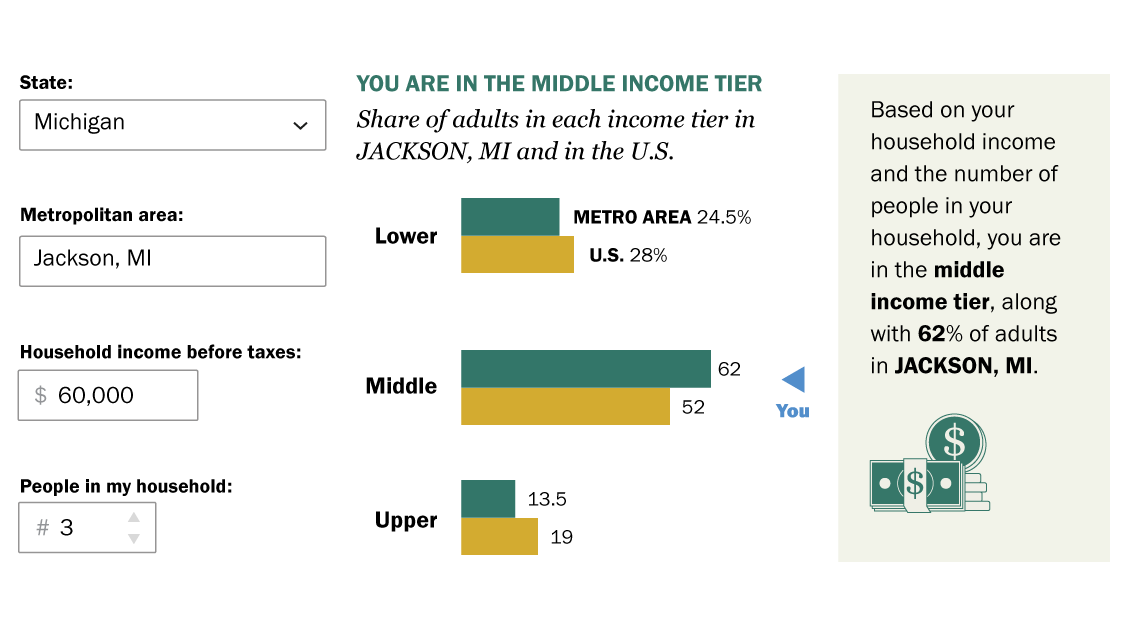
Calculating household income is not merely an academic exercise; it has profound practical implications across various aspects of personal and public finance.
Loan and Mortgage Applications
One of the most common reasons to calculate household income is when applying for significant lines of credit. Lenders use this figure to assess your debt-to-income (DTI) ratio, which is a key indicator of your ability to manage monthly payments and repay borrowed money. A higher, stable household income generally increases your borrowing capacity and can lead to better interest rates. For mortgages, it’s the bedrock of determining how much home you can afford.
Government Assistance Programs
Eligibility for a wide array of government assistance programs – including housing subsidies, Medicaid, food stamps (SNAP), childcare assistance, and various welfare programs – is often determined by household income relative to federal poverty guidelines or area median income (AMI). Accurate calculation ensures you neither miss out on crucial support nor apply fraudulently.
Financial Planning and Budgeting
For proactive financial management, understanding your household’s total income is indispensable. It allows you to:
- Create a Realistic Budget: By knowing your total inflow, you can allocate funds for expenses, savings, and debt repayment more effectively.
- Set Savings Goals: Whether for a down payment, retirement, or a child’s education, accurate income figures help determine how much you can realistically save.
- Develop Debt Repayment Strategies: A clear picture of income helps in creating accelerated debt repayment plans.
- Assess Financial Health: It provides a baseline to track financial progress and identify areas for improvement or growth.
Tax Planning
Your household’s combined income dictates your tax bracket and affects eligibility for various tax credits and deductions. Understanding your total income allows for more strategic tax planning, potentially leading to lower tax liabilities or higher refunds. For instance, certain credits like the Child Tax Credit or earned income tax credit have income limitations.
Economic Indicators
On a broader scale, household income data is a critical economic indicator used by governments and researchers to gauge economic well-being, measure poverty rates, understand income inequality, and formulate public policy. While this doesn’t directly impact an individual’s calculation, it underscores the importance of accurate data collection.
Common Pitfalls and Considerations
While the concept of calculating household income seems straightforward, several common pitfalls can lead to inaccuracies. Being aware of these can help ensure your figures are as precise as possible.
Overlooking Income Sources
It’s surprisingly easy to forget about smaller or irregular income streams. This might include income from a hobby that occasionally sells products, small dividends from an old stock certificate, cashback rewards from credit cards (though often non-taxable), or occasional freelance gigs. While individually small, collectively they can add up and skew the total. Ensure you have a comprehensive list and documentation for everything.
Confusing Gross vs. Net
As discussed, this is a fundamental error. Always double-check whether the application or purpose requires gross income (before deductions) or net income (take-home pay). For most official purposes, gross income is the standard. Using net income when gross is required will significantly underestimate your household’s financial capacity.
Inconsistent Reporting Periods
Ensure all income sources are calculated for the same time period. If you’re calculating annual income, don’t mix a monthly rental income figure with an annual salary. Convert all income streams to the desired period (e.g., annual) before summing them up. This consistency is crucial for an accurate total.
Dealing with Variable Income
Fluctuating income from self-employment, commissions, or seasonal work presents a significant challenge. If not handled carefully, it can lead to either overestimating or underestimating your true financial capacity. Averaging income over a substantial period (e.g., two years of tax returns for self-employment) is often the most reliable method. For situations where past income isn’t indicative of future earnings (e.g., starting a new venture), careful projection based on market research and conservative estimates is necessary.
Legal vs. Practical Definitions
It’s important to recognize that different institutions (e.g., the IRS, a mortgage lender, a state social services agency) may have slightly different definitions of what constitutes a “household” or what income sources are included. For example, some government programs might include non-taxable benefits in their income calculations, while a bank for a loan might strictly focus on verifiable, gross taxable income. Always review the specific guidelines provided by the entity you’re dealing with.
Tools and Resources for Calculation
While you can certainly calculate household income with a pen and paper, several tools and resources can simplify the process and enhance accuracy.
Spreadsheets
Basic spreadsheet software like Microsoft Excel or Google Sheets is an invaluable tool. You can create columns for each household member, rows for different income sources, and easily sum everything up. This allows for clear organization, easy adjustments, and error checking. Many templates are available online that can be adapted for household income tracking.
Online Calculators
Many financial institutions, government websites (like HUD for housing assistance), and personal finance blogs offer free online household income calculators. These tools often prompt you for specific income types and periods, guiding you through the process and performing the calculations for you. While convenient, always verify the inputs and understand the methodology used by the calculator.
Financial Advisors
For households with complex income structures (e.g., multiple businesses, extensive investment portfolios, or significant irregular income), consulting a financial advisor or a tax professional can be highly beneficial. They can help navigate nuances, ensure all income is accounted for, and provide strategies for optimizing your financial picture based on your total income.
Tax Software
Many popular tax preparation software programs (e.g., TurboTax, H&R Block) consolidate all your income data as part of the tax filing process. The summary reports generated by these programs after you’ve entered all your W-2s, 1099s, and other income forms can serve as an excellent, already-compiled snapshot of your household’s annual gross income.
Conclusion
Calculating household income is a foundational exercise in personal finance. It provides a clear, comprehensive view of your financial resources, which is indispensable for everything from securing a mortgage to planning for retirement or accessing vital government assistance. By understanding the various components of income, diligently gathering documentation, and carefully consolidating figures, you can arrive at an accurate and reliable total. Avoid common pitfalls by distinguishing gross from net income, ensuring consistent reporting periods, and accounting for all income streams, no matter how small or irregular. With the right tools and a systematic approach, you can master this essential financial skill, paving the way for more informed decisions and greater financial well-being. Regular review of your household income is also advisable, especially as life circumstances or employment situations change, to ensure your financial plans remain aligned with your current reality.
aViewFromTheCave is a participant in the Amazon Services LLC Associates Program, an affiliate advertising program designed to provide a means for sites to earn advertising fees by advertising and linking to Amazon.com. Amazon, the Amazon logo, AmazonSupply, and the AmazonSupply logo are trademarks of Amazon.com, Inc. or its affiliates. As an Amazon Associate we earn affiliate commissions from qualifying purchases.