
Understanding and accurately calculating your family’s total income is a foundational step in effective personal finance management. It’s not just about knowing how much money comes in; it’s about gaining clarity, setting realistic budgets, planning for the future, and making informed financial decisions. Whether you’re applying for a mortgage, planning for retirement, seeking financial aid, or simply trying to get a handle on your household finances, a precise grasp of your collective earning power is indispensable. This guide will walk you through the comprehensive process of calculating family income, covering all the essential components and providing insights into why this financial metric is so crucial for your household’s economic health.
Understanding What Constitutes Family Income
Family income isn’t simply the sum of paychecks; it’s a broad term that encompasses all the financial resources flowing into a household. To calculate it accurately, you need to cast a wide net and identify every potential source of income.
Wages, Salaries, and Self-Employment Income
This is typically the largest component of most families’ income. It includes all earnings from employment or business activities.
-
Wages and Salaries: This refers to the gross pay from full-time, part-time, or temporary jobs before any deductions like taxes, health insurance premiums, or retirement contributions. It’s crucial to use gross income when calculating overall family income for most planning purposes, as it represents the total value of your labor before obligations.
-
Commissions and Bonuses: These often variable income streams should be included, even if they are not fixed. If they are regular, calculate an average; if sporadic, consider how best to incorporate them into your planning.
-
Self-Employment Income: For freelancers, contractors, or small business owners, this is the gross revenue generated from their services or sales, often before business expenses are deducted. For family income purposes, it’s generally more accurate to consider the net profit (revenue minus business expenses) as the actual income available to the family, though for some applications (like loan qualification), gross receipts might be requested.
Investment Income
Money earned from financial assets can be a significant part of family income, especially for those with diversified portfolios.
-
Dividends: Payments from stock investments.
-
Interest: Earnings from savings accounts, certificates of deposit (CDs), bonds, or other interest-bearing accounts.
-
Capital Gains: Profits realized from selling investments (stocks, real estate, etc.) for more than their purchase price. It’s important to distinguish between realized gains (money actually received) and unrealized gains (paper profits).
Rental Property Income
If your family owns property that generates rent, this is a clear income source.
- This includes gross rental receipts before deducting expenses like mortgage payments, property taxes, maintenance, and insurance. For the purpose of understanding available cash flow for the family, it’s often useful to consider the net rental income (gross rent minus operating expenses), but for a holistic “gross family income,” the full rent received is counted.
Government Benefits and Pensions
Many families receive income from various government programs or retirement plans.
-
Social Security Benefits: Retirement, disability, or survivor benefits.
-
Pensions and Annuities: Payments from employer-sponsored retirement plans or private annuities.
-
Unemployment Compensation: Temporary income provided during periods of joblessness.
-
Workers’ Compensation: Benefits for work-related injuries or illnesses.
-
Veterans’ Benefits: Payments to veterans and their families.
-
Child Tax Credit (refundable portion), Earned Income Tax Credit (EITC): While tax credits, the refundable portions effectively increase take-home income.
-
TANF (Temporary Assistance for Needy Families), SNAP (Supplemental Nutrition Assistance Program) benefits: While often in-kind, some cash components might exist.
Other Income Sources
Don’t overlook less common or irregular income streams that contribute to your family’s financial picture.
-
Alimony and Child Support: Payments received from a former spouse.
-
Royalties: Income from intellectual property (books, music, patents).
-
Gambling and Lottery Winnings: While often sporadic, significant winnings should be factored in for the period they are received.
-
Gifts (regular or substantial): Though not taxable income, significant regular financial gifts can impact a family’s available resources.
The Step-by-Step Process of Calculation
Calculating family income doesn’t have to be daunting. By following a structured approach, you can ensure accuracy and completeness.
Gather All Relevant Documents
The first step is crucial for accuracy. Collect all paperwork that reflects income for every member of the household.
-
Pay Stubs: For all employed family members, collect recent pay stubs (at least three months to capture variations).
-
Tax Returns (W-2s, 1099s, Schedule C): Your most recent tax return (Form 1040) is an excellent summary, and supporting documents like W-2s (wages), 1099s (contractor income, investment income, government benefits), and Schedule C (self-employment profit/loss) provide detail.
-
Bank Statements: Review deposit histories, especially for self-employment income, rental income, or other non-payroll deposits.
-
Investment Statements: Brokerage statements, mutual fund statements, and bank interest statements.
-
Government Benefit Letters: Documentation for Social Security, unemployment, disability, etc.
-
Rental Property Leases and Records: For rental income and associated expenses.
Identify All Income Earners
List every adult (and sometimes minor children, if they have significant earned income) in the household who contributes financially. This ensures no income source is missed.
Itemize and Categorize Income
Create a clear, itemized list for each income source for each earner. A spreadsheet can be incredibly helpful here.
-
Example Structure:
-
Earner 1:
-
Salary (Gross): $X
-
Bonus (Average monthly): $Y
-
Investment Dividends: $Z
-
-
Earner 2:
-
Self-Employment Net Profit: $A
-
Rental Income (Gross): $B
-
Social Security: $C
-
-
Household:
- Child Support: $D
-
Choose Your Calculation Period
Decide whether you need to calculate income for a specific period:
-
Monthly: Ideal for budgeting and understanding current cash flow.
-
Quarterly: Useful for reviewing financial health periodically.
-
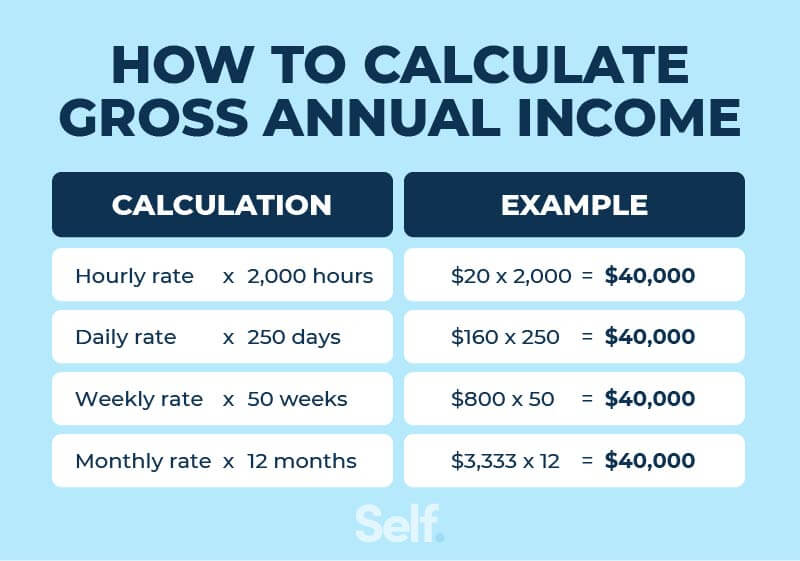
Annually: Often required for tax purposes, loan applications, and long-term financial planning. Using annual figures provides the most comprehensive snapshot.
Sum Up All Gross Income
Once you have itemized all sources for your chosen period, add them together. For most applications, especially initial financial planning, using gross income (before taxes and deductions) provides the most comprehensive picture of your household’s total earning capacity. This gives you a clear understanding of the full financial resources flowing into your family.
Consider Adjustments (If Applicable)
While typically we focus on gross income for a holistic view, some specific situations require adjusted income figures:
-
Adjusted Gross Income (AGI): For tax purposes or eligibility for certain government programs, your AGI (gross income minus specific deductions like IRA contributions, student loan interest, etc.) is often used. This is a narrower definition than total family gross income.
-
Net Income: For daily budgeting and understanding actual disposable income, you’ll want to calculate net income (gross income minus taxes, deductions, and other withholdings). However, for calculating “family income” in its broadest sense, gross is generally preferred.
Why Accurate Family Income Calculation Matters
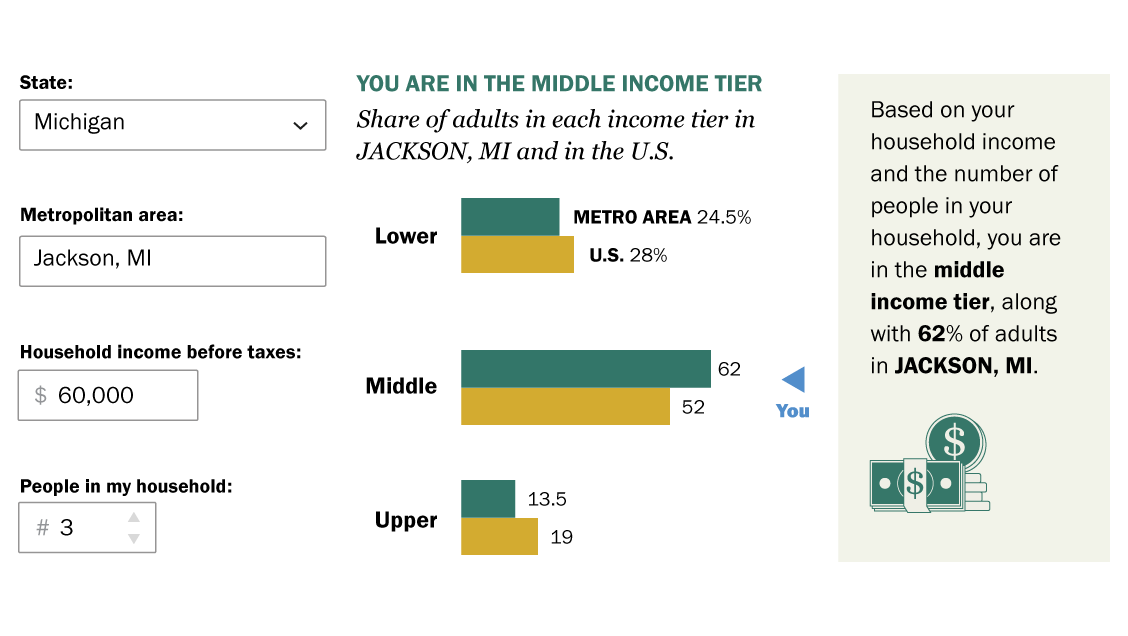
Knowing your family’s exact income is more than just a number; it’s the bedrock upon which sound financial decisions are built.
Budgeting and Financial Planning
The most immediate benefit is creating an accurate budget. Without knowing exactly how much money comes in, it’s impossible to create an effective spending plan, allocate funds for different categories (housing, food, transportation, entertainment), and ensure you’re not spending more than you earn. It forms the basis for setting realistic savings goals, planning for large purchases, and effectively managing debt.
Eligibility for Loans and Financial Aid
Lenders, from mortgage companies to student loan providers, rely heavily on family income to assess your repayment capacity. A clear and verifiable family income statement is crucial for qualifying for loans, credit cards, and determining favorable interest rates. Similarly, eligibility for government assistance programs, grants, and scholarships often hinges on your family’s total income. Inaccurate figures can lead to missed opportunities or disqualification.
Investment and Savings Goals
Understanding your disposable income after essential expenses helps you determine how much you can realistically contribute to savings and investments. Whether it’s building an emergency fund, saving for a down payment, or investing for retirement, an accurate income picture guides your ability to meet these long-term financial objectives. It helps you assess your capacity to take on investment risks and set appropriate contribution levels.
Tax Planning
Family income directly impacts your tax liability. Knowing your total income helps you anticipate your tax burden, identify potential deductions or credits, and plan for tax-efficient strategies. It can also inform decisions about retirement contributions (e.g., traditional vs. Roth IRAs) and other tax-advantaged accounts.
Detecting Financial Trends and Discrepancies
Regularly calculating and reviewing your family income allows you to spot trends. Are earnings increasing or decreasing? Are there seasonal fluctuations? This insight enables you to proactively adjust your budget, identify areas for income growth, or address potential shortfalls before they become critical issues. It also helps to catch errors or discrepancies in income reporting.
Tools and Resources for Income Calculation
While a pen and paper can work, several tools can streamline and enhance the accuracy of your income calculations.
Spreadsheets (Excel/Google Sheets)
These are versatile tools that allow for complete customization. You can create a detailed ledger for all income sources, set up formulas for automatic summation, and even track income month-to-month or year-to-year. Many free templates for budgeting and income tracking are available online. Their flexibility makes them suitable for complex income structures involving multiple earners and diverse sources.
Budgeting Apps and Software
Modern budgeting apps like YNAB (You Need A Budget), Mint, Personal Capital, or Simplifi can automatically pull data from your bank accounts, credit cards, and investment accounts. They often categorize transactions automatically and provide a real-time overview of your income and expenses. While primarily focused on budgeting, their income tracking features are robust, allowing you to see your net income after expenses and savings.
Online Calculators
Many websites offer free income calculators. These can be general-purpose tools or specialized for specific needs, such as mortgage qualification, student loan eligibility, or tax estimation. While useful for quick estimates, they may not capture all the nuances of a complex family income structure.
Professional Financial Advisors
For families with intricate financial situations, multiple businesses, significant investments, or complex tax considerations, consulting a certified financial planner or tax professional can be invaluable. They can help accurately assess all income streams, optimize financial planning, and ensure compliance with tax regulations. They offer personalized advice that no generic tool can provide.
Common Pitfalls and Best Practices
Calculating family income can have its challenges. Being aware of common mistakes and adopting best practices will ensure the most accurate and useful results.
Overlooking Irregular or Sporadic Income
It’s easy to focus solely on regular paychecks. However, bonuses, commissions, freelance gigs, side hustle earnings, or even significant gifts, while not always consistent, contribute to your overall financial picture. For irregular income, it’s best to either average it over a longer period or treat it as supplementary income for specific savings goals rather than relying on it for fixed expenses.
Confusing Gross vs. Net Income
A frequent error is using net income (after deductions) when gross income is required, or vice-versa. For overall financial planning and applications for loans or aid, gross income is almost always the standard. Net income is what you have available for spending and saving after obligations, which is crucial for daily budgeting but distinct from total family earnings. Always clarify which figure is needed for any specific purpose.
Failing to Update Regularly
Family income is rarely static. Job changes, promotions, new side hustles, changes in investment performance, or alterations in government benefits can all impact your total. An income calculation done once a year might quickly become outdated. Make it a practice to review and update your income figures at least quarterly, or immediately following any significant financial event.
Ignoring Non-Cash Benefits
While not directly part of “income,” non-cash benefits like employer-paid health insurance, retirement plan contributions (e.g., 401k match), or perks like company car allowances significantly impact your financial well-being. While not added to the income sum, understanding their value helps you assess the true compensation package and the resources available to your family.
Best Practice: Regular Review and Reconciliation
Just as you reconcile your bank statements, regularly review your income calculations against actual deposits and statements. This helps catch errors, identifies any discrepancies, and ensures your financial planning remains based on current and accurate data. Aim for a monthly or quarterly check-in.

Best Practice: Maintain Meticulous Records
Keep all income-related documents organized and accessible. This includes pay stubs, W-2s, 1099s, bank statements, and any other relevant paperwork. Good record-keeping not only simplifies the calculation process but is also invaluable for tax preparation, loan applications, and resolving any financial queries. Digital copies, securely backed up, are often the most convenient.
Calculating family income is an ongoing process, not a one-time task. It serves as your financial compass, guiding every decision from daily spending to long-term wealth building. By diligently identifying all income sources, utilizing appropriate tools, and adhering to best practices, your family can gain unparalleled clarity over its financial standing, empowering you to achieve your economic goals with confidence and control.
aViewFromTheCave is a participant in the Amazon Services LLC Associates Program, an affiliate advertising program designed to provide a means for sites to earn advertising fees by advertising and linking to Amazon.com. Amazon, the Amazon logo, AmazonSupply, and the AmazonSupply logo are trademarks of Amazon.com, Inc. or its affiliates. As an Amazon Associate we earn affiliate commissions from qualifying purchases.