
In the early days of dietetics, calculating calories was a cumbersome process involving physical logbooks, printed nutritional tables, and manual arithmetic. For the average individual, the margin of error was vast, often leading to frustration and stalled progress. However, the intersection of health science and information technology has fundamentally transformed this landscape. Today, calculating calories is no longer a math problem; it is a data science problem.
From sophisticated mobile applications to wearable sensors and artificial intelligence (AI), technology has streamlined the way we track energy intake and expenditure. By leveraging big data and machine learning, we can now achieve a level of precision that was previously reserved for clinical laboratory settings. This article explores the technological ecosystem behind modern calorie calculation, focusing on the software, hardware, and algorithms that make precision nutrition possible.

The Algorithmic Foundation: Beyond Simple Basal Metabolic Rate
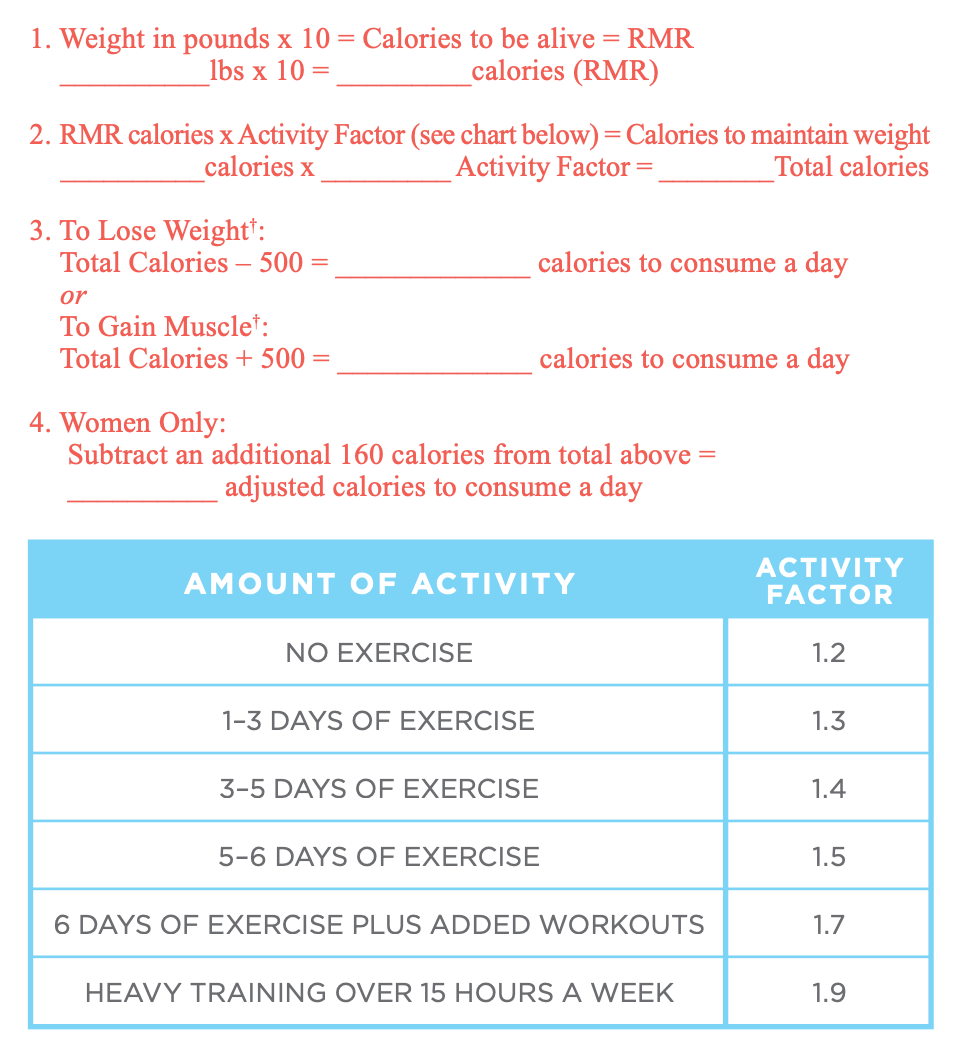
At the core of every calorie-tracking app is a series of complex algorithms designed to estimate the body’s energy needs. While the foundational principles—such as the Harris-Benedict equation or the Mifflin-St Jeor formula—have existed for decades, modern tech platforms have refined these through digital integration.
Digital BMR and TDEE Modeling
Technological tools begin by establishing a baseline: the Basal Metabolic Rate (BMR). In the past, this was a static number. Today, software platforms use dynamic inputs to calculate Total Daily Energy Expenditure (TDEE). By integrating user-provided data—age, weight, height, and body fat percentage—with real-time activity levels, these apps create a living model of a user’s metabolism. The software doesn’t just calculate a number; it predicts a metabolic trend based on historical data points stored in the cloud.
Machine Learning and Adaptive Thermogenesis
One of the most significant advancements in nutrition tech is the implementation of machine learning (ML) to account for adaptive thermogenesis. As a user loses weight, their metabolism shifts. Legacy methods failed to account for this change automatically. Modern AI-driven apps, however, analyze weight trends against reported caloric intake over time. If a user consumes 2,000 calories but fails to lose weight as predicted, the algorithm “learns” that the user’s actual maintenance calories are lower and adjusts the recommendations accordingly without manual intervention.
The Software Revolution: Food Databases and Computer Vision
The most difficult aspect of calculating calories has always been accurately identifying the nutritional content of food. Software developers have tackled this challenge by building massive, interconnected databases and utilizing cutting-edge image recognition technology.
Global Nutritional Databases and API Integration
The backbone of any calorie-tracking app is its database. Leading apps like MyFitnessPal or Cronometer utilize expansive libraries containing millions of food items, including branded products and restaurant meals. These platforms use Application Programming Interfaces (APIs) to sync with global food databases managed by government health departments and private food manufacturers. When a user scans a barcode, the software instantly retrieves the macro and micronutrient profile from a remote server, ensuring that the calorie calculation is based on verified manufacturer data rather than guesswork.
AI-Powered Computer Vision for Food Recognition
Perhaps the most “tech-forward” development in this niche is the use of computer vision. Instead of manually searching for an apple or a slice of pizza, users can now simply point their smartphone camera at their plate. AI models, trained on millions of images, can identify the food type and estimate the volume or weight of the portion. By calculating the pixel density and using depth-sensing technology (such as LiDAR on newer iPhones), these tools can provide a surprisingly accurate calorie estimate based on the visual dimensions of the meal. This reduces user friction and increases the consistency of logging, which is vital for long-term data accuracy.
High-Tech Hardware: Tracking Energy Expenditure with Wearables
Calculating calories is a two-sided equation: intake versus expenditure. While software handles the intake, wearable technology has become the industry standard for measuring the “calories out” portion of the calculation.
Photoplethysmography (PPG) and Heart Rate Monitoring
Modern wearables—ranging from the Apple Watch to the Oura Ring—utilize PPG sensors to measure heart rate continuously. These sensors emit light into the skin and measure the reflections to determine blood flow volume. Advanced algorithms then translate these heart rate fluctuations into caloric burn estimates. By understanding the relationship between heart rate intensity and oxygen consumption (VO2), the hardware can distinguish between a light walk and a high-intensity interval training (HIIT) session, providing a granular view of active calories burned throughout the day.
Accelerometers and Multi-Axis Motion Tracking
Beyond heart rate, gadgets utilize tri-axial accelerometers and gyroscopes to track movement in three-dimensional space. This tech allows the device to identify specific types of movement. For instance, the hardware can differentiate between the rhythmic motion of swimming and the erratic movement of cleaning a house. By combining motion data with heart rate data, the device filters out “noise” (like high heart rate due to stress rather than exercise), leading to a much more accurate calculation of non-exercise activity thermogenesis (NEAT).
Digital Security and Data Privacy in Health Tech
As we rely more heavily on technology to calculate calories, we generate a massive amount of Personal Health Information (PHI). This has placed a spotlight on the digital security infrastructure of health-tech companies.
Encryption and Cloud Storage
When a user logs their meals and activity, that data is typically stored in the cloud to allow for cross-device synchronization. To protect this sensitive information, tech providers employ end-to-end encryption and comply with standards such as HIPAA (Health Insurance Portability and Accountability Act) in the U.S. or GDPR in Europe. Secure data transmission ensures that a user’s metabolic profile and dietary habits remain private, preventing unauthorized access to their biological data.
The Ethics of Data Monetization
The “Money” and “Tech” niches often overlap here, as the data generated from calorie calculation is incredibly valuable to insurance companies and food manufacturers. Leading tech firms in the space are increasingly transparent about their data-sharing policies. The trend is moving toward “anonymized aggregate data,” where the software helps researchers understand broad nutritional trends without compromising the identity of individual users. For the consumer, understanding the “Digital Terms of Service” is now as important as understanding the calorie count itself.
The Future: Real-Time Monitoring and Bio-Convergence
The next frontier in calculating calories involves moving from estimation to direct measurement through bio-integrated technology.
Continuous Glucose Monitors (CGM) Integration
Originally designed for diabetics, CGMs are now being adopted by the tech-savvy fitness community. These devices use a small filament inserted under the skin to monitor glucose levels in real-time. By syncing CGM data with calorie-tracking software, users can see exactly how their body responds to specific foods. If a “500-calorie meal” causes a massive glucose spike and subsequent crash, the tech suggests that the metabolic impact is different from a “500-calorie meal” that maintains stability. This is “Precision Nutrition,” where the calorie calculation is filtered through the lens of individual glycemic response.
AI Coaches and Predictive Health Analytics
We are moving toward an era of proactive rather than reactive tracking. Future AI tools will not just tell you how many calories you have eaten; they will predict what you should eat based on your recovery data from your wearable, your blood sugar levels, and your scheduled activity for the day. These “Digital Twins”—virtual models of your own metabolism—will run simulations to show how different caloric targets will affect your body composition over months or years.
Conclusion: The Precision of the Digital Plate
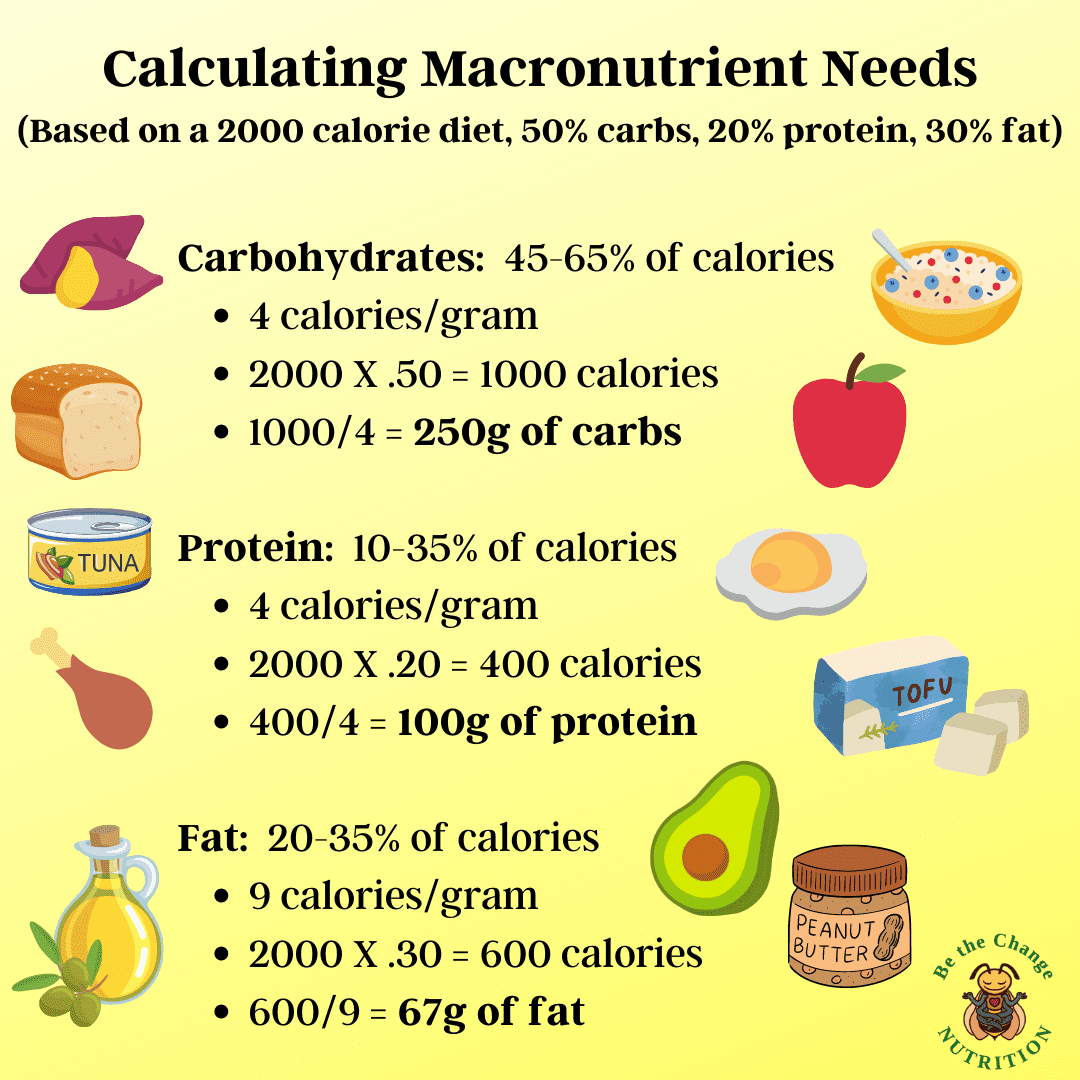
The transition from paper logs to AI-driven ecosystems has turned calorie calculation into a sophisticated tech discipline. By synthesizing data from global nutritional databases, high-resolution sensors, and machine learning models, we have minimized the human error that once plagued the fitness industry.
As technology continues to evolve, the tools we use will become even less intrusive and more predictive. We are no longer just counting numbers; we are managing a complex stream of biological data. For anyone looking to master their health, embracing these technological tools is the most efficient path to achieving a balanced and data-driven lifestyle. The future of nutrition is not found in a textbook, but in the palm of your hand and the sensors on your wrist.
aViewFromTheCave is a participant in the Amazon Services LLC Associates Program, an affiliate advertising program designed to provide a means for sites to earn advertising fees by advertising and linking to Amazon.com. Amazon, the Amazon logo, AmazonSupply, and the AmazonSupply logo are trademarks of Amazon.com, Inc. or its affiliates. As an Amazon Associate we earn affiliate commissions from qualifying purchases.