
In the current digital era, the manual tracking of energy intake has transitioned from tedious paper journaling to high-speed, automated data processing. For the modern consumer, “calculating a calorie” is no longer just a mathematical exercise involving the Atwater system; it is a sophisticated technological process involving cloud-based databases, machine learning algorithms, and wearable sensor fusion. Understanding how technology calculates calories requires a deep dive into the software architecture, the biological formulas converted into code, and the emerging role of artificial intelligence in nutritional science.
The Core Algorithms: Decoding the Math Behind the Interface
At the heart of every fitness app and wearable device lies a set of foundational mathematical formulas. These formulas, developed through decades of metabolic research, serve as the source code for caloric estimation. Developers take these analog equations and build dynamic scripts that adjust in real-time based on user input.
The Mifflin-St Jeor Equation: The Developer’s Gold Standard
Most modern software applications, including industry leaders like MyFitnessPal and Lose It!, utilize the Mifflin-St Jeor equation. Developed in 1990, it is widely considered the most accurate for modern populations. In a tech context, this equation serves as the “Base Logic” for calculating Basal Metabolic Rate (BMR). The software executes a script that processes four primary variables: weight, height, age, and biological sex. By automating this calculation, apps can provide an immediate baseline for energy expenditure that would otherwise require manual computation.
Harris-Benedict and Legacy Formulas in Modern Code
While Mifflin-St Jeor is the favorite, some legacy systems and specialized clinical software still utilize the Harris-Benedict equation (revised in 1984). High-end tech platforms often allow users to toggle between different “calculation engines.” From a software engineering perspective, this is handled through a simple modular architecture where the user’s core data remains constant while the processing function changes. The choice of algorithm can result in a 5–10% variance in the final calorie goal, highlighting the importance of algorithmic selection in user experience.
Accounting for TEF and NEAT through Data Inputs
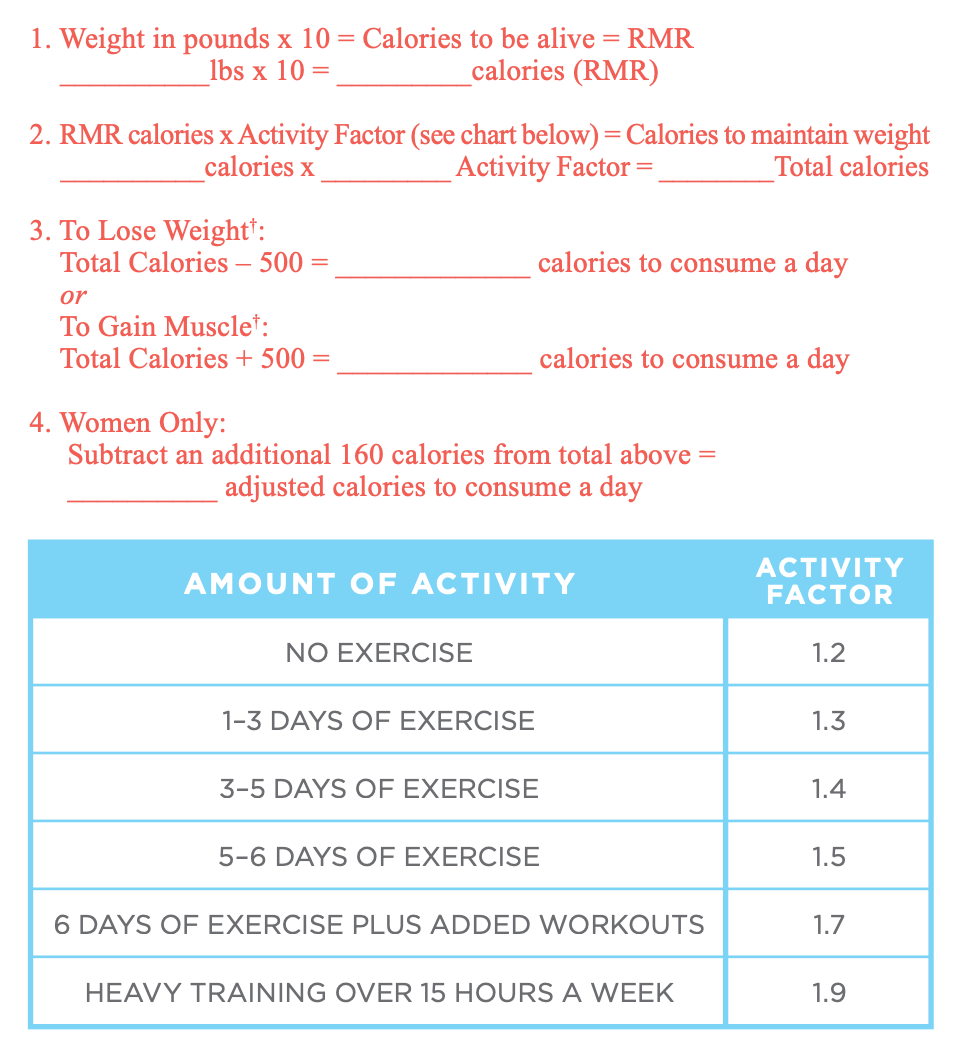
Calculating calories burned is not just about resting states. Sophisticated platforms integrate the Thermic Effect of Food (TEF) and Non-Exercise Activity Thermogenesis (NEAT). Tech tools calculate these by applying a multiplier—known as the Physical Activity Level (PAL)—to the BMR. Modern UI/UX design simplifies this for the user through “Activity Level” sliders, which back-end systems interpret as numerical coefficients (e.g., 1.2 for sedentary, 1.55 for moderately active).
Wearable Integration and Real-Time Metabolic Tracking
The most significant leap in caloric calculation technology is the move from static estimation to dynamic tracking via wearables. Devices like the Apple Watch, Garmin, and Whoop have turned the human body into a continuous data stream.
Photoplethysmography (PPG) and Heart Rate Variability
The primary hardware component for calorie calculation in wearables is the PPG sensor. This tech uses green LED lights paired with light-sensitive photodiodes to measure blood flow volume at the wrist. Software algorithms then translate these pulses into heart rate data. To calculate “calories burned,” the device’s firmware references heart rate against the user’s pre-set metabolic profile. High-intensity intervals trigger a higher “burn rate” calculation in the software, adjusting the daily caloric allowance in real-time via a process known as sensor fusion.
Accelerometers and Multi-Axis Motion Detection
While heart rate provides an internal metric, 3-axis accelerometers provide the external metric. These sensors track movement in three-dimensional space, allowing the software to distinguish between a brisk walk and a heavy lifting session. Advanced algorithms can now identify specific movement patterns—such as the difference between a step and a repetitive arm motion—to ensure that “phantom calories” aren’t added to the daily total.
The Sync Challenge: API Connectivity in Health Ecosystems
The true power of tech-based calorie calculation lies in the “Health Stack.” Through APIs (Application Programming Interfaces), a smart scale can send weight data to a fitness tracker, which then sends “active calories burned” to a nutrition app. This ecosystem ensures that the “Calories Remaining” calculation is always updated. Developers use protocols like OAuth2 to securely share this biometric data between platforms, creating a seamless feedback loop for the user.
Computer Vision and AI in Caloric Recognition
The “frontier” of calorie calculation tech is the elimination of manual data entry. Computer vision and generative AI are currently being deployed to identify food and estimate caloric density through a smartphone camera lens.
Image Recognition: From Pixels to Portions
Using Convolutional Neural Networks (CNNs), modern apps can analyze a photo of a meal and identify the food items present. The software breaks the image down into pixels, identifies shapes and textures, and matches them against a massive library of visual data. For instance, if the AI identifies “avocado toast,” it doesn’t just look for the label; it estimates the surface area of the bread and the volume of the avocado to generate a caloric estimate.
Generative AI and Natural Language Processing in Logging
The rise of Large Language Models (LLMs) has revolutionized how we calculate calories through text. Instead of searching a database for “Chicken Breast, 6oz, grilled,” users can now type (or speak), “I had a medium-sized chicken salad with light vinaigrette and some croutons.” Natural Language Processing (NLP) identifies the entities (chicken, salad, vinaigrette, croutons), estimates their standard portions, and queries the database to return a total calorie count. This reduces the friction of data entry, which is the leading cause of “user churn” in health tech.
The Accuracy Gap: Current Limitations of Visual Estimation
Despite the advancements, tech still faces a “hidden ingredient” problem. An algorithm cannot easily “see” the two tablespoons of olive oil used to sauté a vegetable or the sugar content in a clear sauce. Therefore, the most advanced software now uses “probabilistic estimation,” where it provides a calorie range rather than a fixed number, informing the user of the potential margin of error based on the complexity of the meal.
Database Architecture and Nutrient Mapping
Every calculation is only as good as the data it pulls from. Behind the sleek interfaces of calorie-tracking apps lie massive, complex databases that serve as the “Truth Source.”
Centralized Food Databases (USDA vs. User-Generated)
Software companies typically rely on two types of data structures. The first is authoritative data from government sources like the USDA National Nutrient Database. This data is highly accurate and used as the “anchor” for calculations. The second is user-generated content (UGC). While UGC allows for a database of millions of items (including niche local brands), it requires sophisticated “cleaning” algorithms to filter out erroneous entries. Tech companies use “crowdsourced verification” logic—similar to Wikipedia—where entries are flagged or verified by multiple users to improve accuracy.
Barcode Scanning and Global Product Identification
The integration of the smartphone camera as a barcode scanner is perhaps the most utilized tech feature in nutrition. By scanning a UPC (Universal Product Code), the app executes a “GET” request to a global database. The calculation engine then pulls the exact nutritional profile for that specific SKU (Stock Keeping Unit). This eliminates the need for any manual calculation on the part of the user, as the software simply multiplies the “per serving” data by the “servings consumed” input.
The Future of Digital Metabolism: Machine Learning and Personalization
We are moving away from “one-size-fits-all” math and toward individualized metabolic modeling, driven by machine learning (ML).
Predictive Analytics for Weight Management
Advanced platforms are now using predictive modeling to tell users where they will be in 30 days based on their current caloric trends. By analyzing weeks of data, the ML model identifies patterns—such as “weekend caloric spikes”—and adjusts the daily targets dynamically. This is a shift from reactive calculation (what I ate) to proactive guidance (what I should eat).

Privacy and Data Security in Biometric Tracking
As calorie calculation becomes more tech-dependent, the security of that data becomes paramount. Biometric data is among the most sensitive information a user can share. Tech leaders are implementing end-to-end encryption and “differential privacy” techniques to ensure that while the algorithms can calculate the calories, the individual’s identity and health markers remain anonymized. This intersection of cybersecurity and health tech is essential for the long-term adoption of digital nutrition tools.
The calculation of calories has evolved from a simple metabolic estimate into a multi-layered technological stack. By leveraging cloud databases, wearable sensors, and artificial intelligence, technology has not only made calorie counting more accessible but has also paved the way for a more nuanced, data-driven understanding of human metabolism. As these tools continue to refine their algorithms and integration capabilities, the gap between “digital estimation” and “biological reality” will continue to close.
aViewFromTheCave is a participant in the Amazon Services LLC Associates Program, an affiliate advertising program designed to provide a means for sites to earn advertising fees by advertising and linking to Amazon.com. Amazon, the Amazon logo, AmazonSupply, and the AmazonSupply logo are trademarks of Amazon.com, Inc. or its affiliates. As an Amazon Associate we earn affiliate commissions from qualifying purchases.