
Understanding one’s daily caloric requirements is a foundational step in managing weight, optimizing athletic performance, or simply maintaining overall health. While the concept might seem straightforward, accurately determining these needs involves more than just a quick glance at a food label. In the digital age, technology has revolutionized our ability to measure, track, and predict energy expenditure, moving beyond rudimentary formulas to offer highly personalized insights through sophisticated software, smart devices, and AI-driven platforms. This guide delves into the tech-driven methodologies for calculating calorie needs, empowering users to leverage digital tools for precision and control over their nutritional goals.
Understanding the Fundamentals of Energy Balance through Digital Lenses
Before diving into specific tools, it’s crucial to grasp the underlying physiological principles that these technologies emulate and analyze. Every calorie calculation hinges on the concept of energy balance: the relationship between calories consumed and calories expended. Technology helps us refine our understanding of both sides of this equation, particularly the expenditure side.
Basal Metabolic Rate (BMR) and Resting Energy Expenditure (REE)
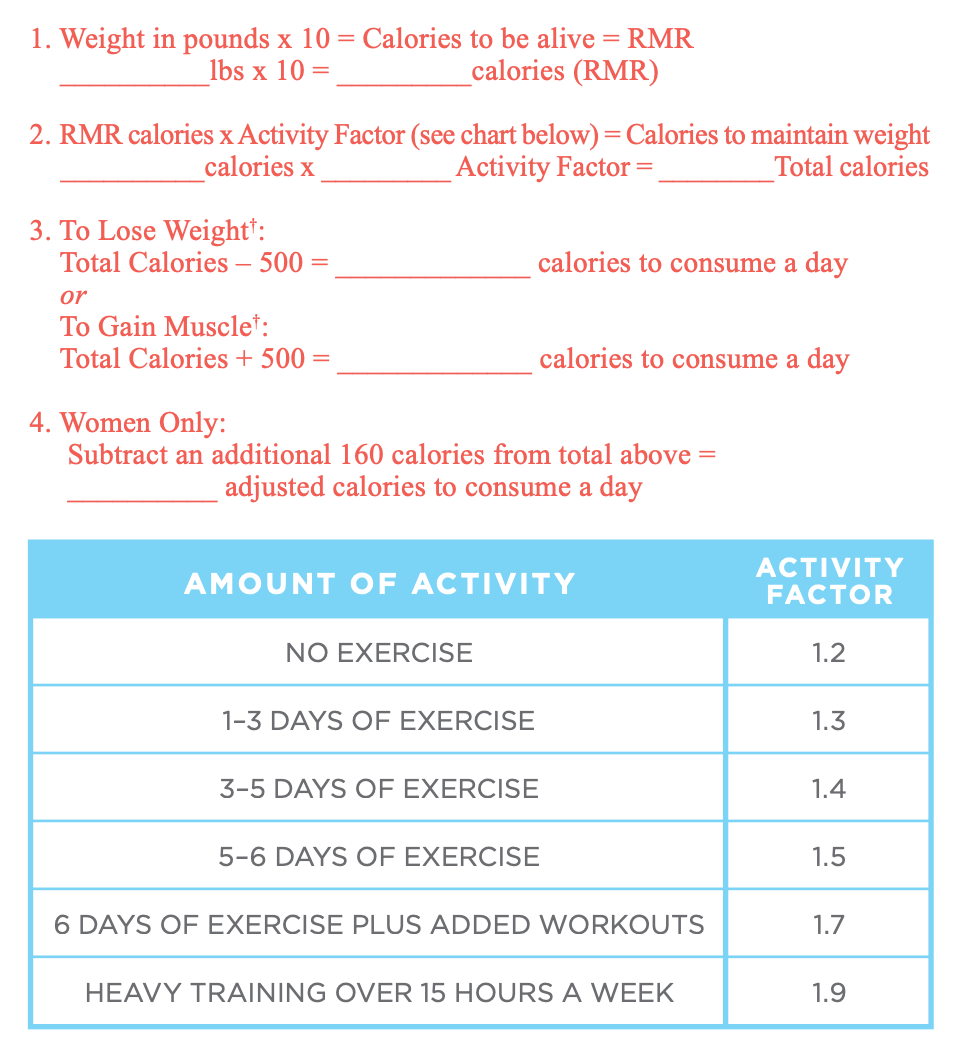
The Basal Metabolic Rate (BMR) represents the minimum number of calories your body needs to perform basic, life-sustaining functions while at rest, such as breathing, circulation, cell production, and nutrient processing. It’s the largest component of most people’s total daily energy expenditure. While historically measured in highly controlled laboratory settings, modern digital tools approximate BMR using established formulas like Mifflin-St Jeor or Harris-Benedict, which factor in age, sex, weight, and height.
Many fitness apps and online calculators integrate these formulas, allowing users to input their demographic data to get an immediate BMR estimate. Some advanced smart scales can even provide a rudimentary BMR estimate based on bioelectrical impedance analysis (BIA), though these are generally less accurate than formula-based calculations or clinical assessments. The critical takeaway is that digital platforms provide accessible BMR estimations, forming the absolute baseline for all further calorie calculations.
Total Daily Energy Expenditure (TDEE)
Your Total Daily Energy Expenditure (TDEE) is your BMR plus the calories you burn through physical activity and the thermic effect of food (TEF). This is the figure most relevant for diet planning. Technologies play a significant role in estimating TDEE with greater accuracy than ever before.
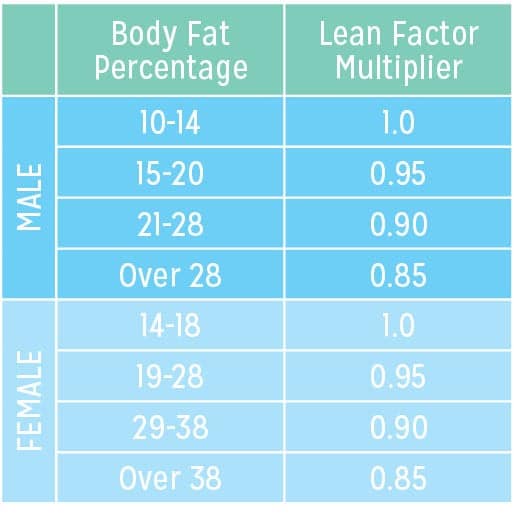
Many online calculators begin with your BMR and then apply an activity multiplier. These multipliers are numerical values assigned to different activity levels (e.g., sedentary, lightly active, moderately active, very active, extra active). While a human user self-reporting their activity can be subjective, modern fitness trackers and smartwatches offer objective data collection that refines this.
Activity Levels and the Thermic Effect of Food (TEF)
The most variable component of TDEE is physical activity. This is where wearables shine. Fitness trackers and smartwatches equipped with accelerometers, gyroscopes, and heart rate monitors continuously track your movement throughout the day. They estimate calories burned during exercise, non-exercise activity thermogenesis (NEAT), and even sleeping. Algorithms within these devices process raw movement data to provide a much more precise “activity multiplier” than a user’s subjective assessment.
The Thermic Effect of Food (TEF) refers to the energy expended by your body to digest, absorb, and metabolize the nutrients from your food. It typically accounts for about 5-10% of your total daily caloric intake. While not directly measured by most consumer tech, advanced nutrition tracking apps can implicitly account for TEF by calculating the macronutrient breakdown of your meals, as proteins, carbohydrates, and fats have different TEF values. Some sophisticated AI diet planners may even factor this in with greater granularity.
Leveraging Digital Tools for Precision
The digital ecosystem offers a range of tools, from simple web calculators to complex AI-driven platforms, each contributing to a more precise understanding of calorie needs.
Online Calorie Calculators: The Quick Approach
For a rapid, initial estimate, online calorie calculators remain invaluable. Websites dedicated to health and fitness host numerous free tools. Users input their age, gender, height, weight, and activity level. These calculators then apply formulas (like Mifflin-St Jeor or Harris-Benedict) to determine BMR and multiply it by an activity factor to yield an estimated TDEE.
While these tools provide a good starting point, their accuracy is limited by the generalized activity factors and the user’s subjective assessment of their activity level. They serve best for broad estimations or when starting a weight management journey, giving a ballpark figure to aim for before more precise tracking begins.

Fitness Trackers and Smartwatches: Real-time Data
Wearable technology has revolutionized activity tracking. Devices from companies like Apple, Garmin, Fitbit, and Oura continuously monitor steps, distance, heart rate, sleep patterns, and various exercise types. Advanced algorithms within these devices estimate calorie expenditure based on this real-time data, often adjusting throughout the day.
Many wearables integrate with companion apps that provide detailed dashboards, showing daily calorie burn, active minutes, and even insights into recovery. This objective, continuous data collection significantly improves the accuracy of TDEE calculation by removing much of the guesswork associated with activity levels. Some devices even allow manual input of meals, attempting to close the energy balance loop within a single ecosystem.
Nutrition Tracking Apps: Comprehensive Diet Analysis
To complete the energy balance equation, accurate tracking of calorie intake is paramount. Nutrition tracking apps like MyFitnessPal, Cronometer, and Lose It! provide extensive databases of food items, allowing users to log meals, snacks, and drinks with remarkable precision. These apps break down intake by macronutrients (protein, fat, carbohydrates) and often micronutrients, providing a comprehensive dietary overview.
When combined with the calorie expenditure data from fitness trackers (many apps offer seamless integration), these platforms create a powerful feedback loop. Users can compare their estimated calorie burn against their logged calorie intake, instantly seeing if they are in a caloric surplus (for weight gain), deficit (for weight loss), or maintenance. The ability to visualize this balance in real-time empowers users to make informed dietary adjustments.
Advanced Strategies with AI and Personalized Platforms
The frontier of calorie calculation moves beyond mere tracking to predictive modeling and hyper-personalization, largely driven by artificial intelligence.
AI-Powered Diet Planners
A new generation of AI-powered diet planning tools goes beyond simple logging. Platforms like Lumen, PlateJoy, and specialized AI nutrition coaches analyze user data—including activity levels, dietary preferences, health goals, and even metabolic responses (in the case of Lumen, which measures respiratory quotient)—to generate highly personalized meal plans. These AI systems can dynamically adjust calorie targets and macronutrient ratios based on real-time feedback, exercise intensity, and even sleep quality.
Instead of just telling you how many calories you need, they tell you how to get them through specific food recommendations tailored to your unique profile. This reduces the cognitive load on the user and helps in adhering to dietary goals more consistently.
Integrating Data for Holistic Insights
The true power of modern tech lies in its ability to integrate data from various sources. Health apps on smartphones (e.g., Apple Health, Google Fit) act as central hubs, pulling data from smartwatches, smart scales, continuous glucose monitors (CGMs), and nutrition apps. This creates a holistic view of an individual’s health metrics.
By cross-referencing activity data with food intake, sleep patterns, and even stress levels, these integrated platforms can offer deeper insights into how different lifestyle factors impact calorie needs and overall energy balance. For example, consistently poor sleep might lead an integrated system to suggest a slightly lower calorie target for a given day, accounting for potential hormonal shifts that affect metabolism and appetite.
The Future of Personalized Nutrition Technology
The evolution of calorie calculation technology is rapidly moving towards even greater personalization and predictive capabilities. Advances in biosensor technology, such as more sophisticated CGMs and wearable sweat sensors, promise to offer real-time metabolic feedback. This data, when fed into advanced AI algorithms, could allow for dynamic, hour-by-hour adjustments to calorie and macronutrient recommendations, optimizing energy intake based on immediate physiological needs and responses.
Furthermore, integration with genetic data could lead to diets tailored to an individual’s specific genetic predispositions for nutrient metabolism, further refining calorie needs beyond current methods. The goal is to move from generalized guidelines to an “n-of-1” approach, where every individual’s calorie calculation and dietary plan are uniquely their own, continuously optimized by intelligent systems.
In essence, technology is transforming calorie calculation from a static, formula-driven exercise into a dynamic, personalized, and data-rich endeavor. By embracing these digital tools, individuals can gain unprecedented control and insight into their energy needs, making informed decisions that drive their health and fitness goals.
aViewFromTheCave is a participant in the Amazon Services LLC Associates Program, an affiliate advertising program designed to provide a means for sites to earn advertising fees by advertising and linking to Amazon.com. Amazon, the Amazon logo, AmazonSupply, and the AmazonSupply logo are trademarks of Amazon.com, Inc. or its affiliates. As an Amazon Associate we earn affiliate commissions from qualifying purchases.