
Achieving weight loss fundamentally hinges on creating a consistent calorie deficit—consuming fewer calories than your body expends. While the underlying principle is straightforward, accurately determining and tracking these numbers has historically been a meticulous, often challenging, endeavor. Today, a robust ecosystem of technology has emerged, transforming this process from a guesswork-laden chore into a data-driven, manageable journey. Leveraging digital tools allows individuals to precisely calculate their caloric needs, monitor intake, and track progress with unprecedented accuracy and convenience.
The Foundational Principle: Energy Balance and Digital Insight
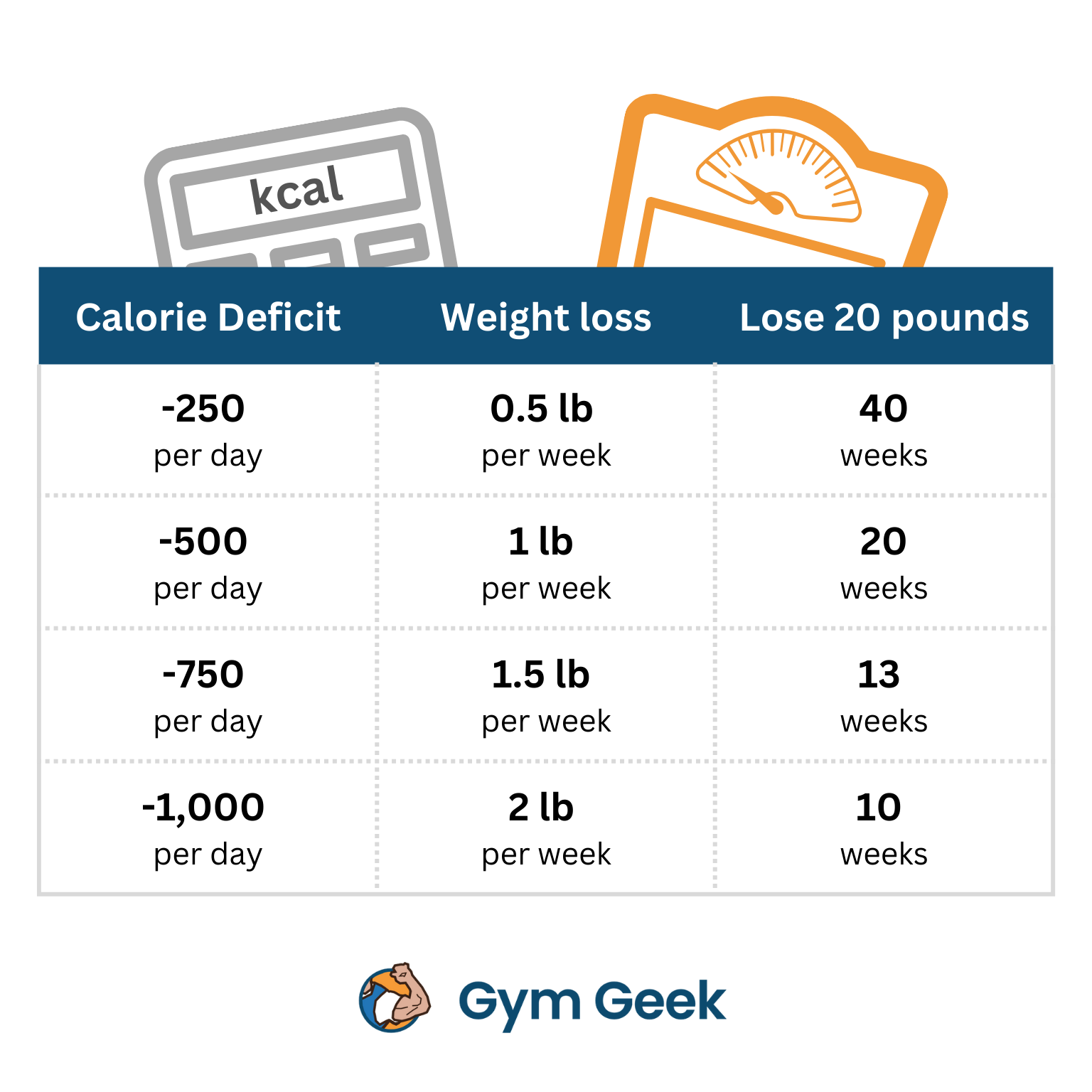
At its core, weight loss is governed by the law of energy balance: if calories consumed are less than calories expended, weight loss occurs. The initial step is to determine your Basal Metabolic Rate (BMR), the number of calories your body burns at rest to maintain basic physiological functions. Building on this, your Total Daily Energy Expenditure (TDEE) accounts for your BMR plus the calories burned through physical activity and the thermic effect of food. For weight loss, the goal is to consistently eat below your TDEE, typically by 300-700 calories, depending on individual factors and desired rate of loss.
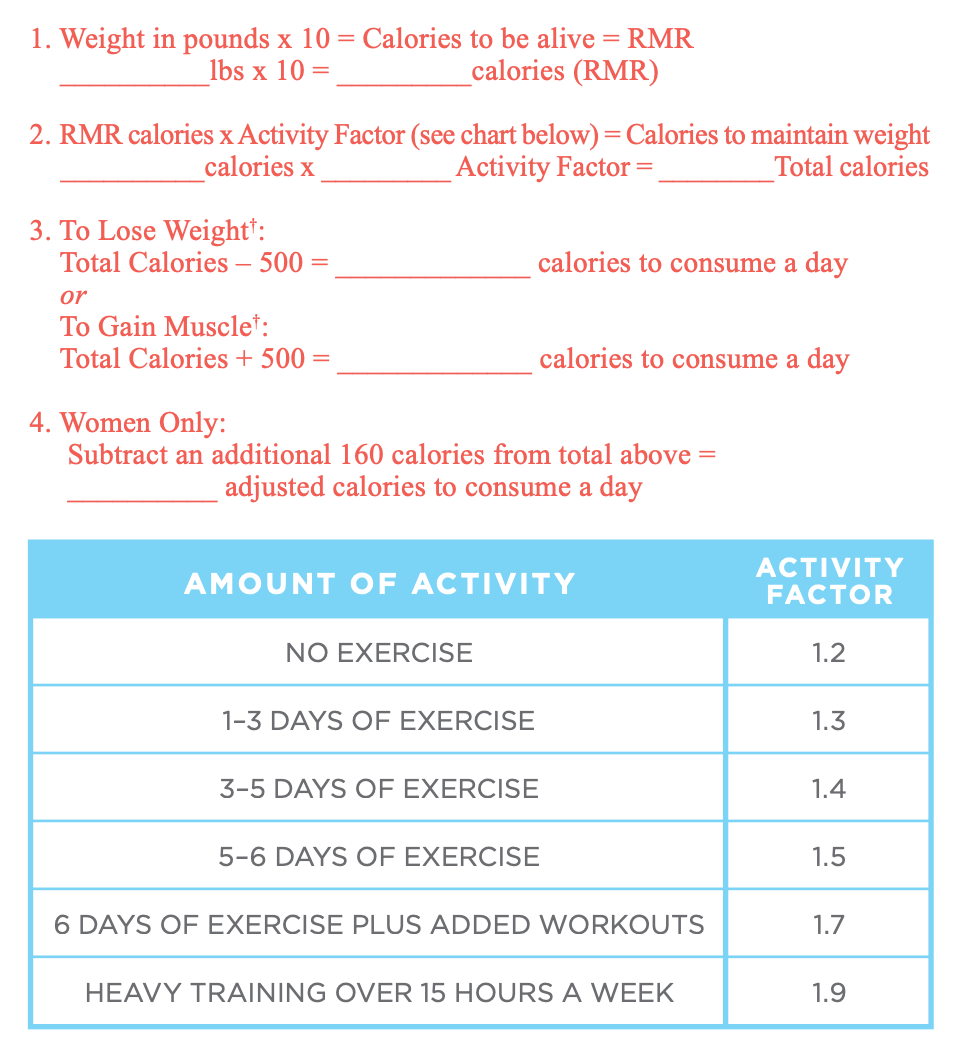
While these calculations involve complex equations (like the Mifflin-St Jeor or Harris-Benedict formulas), modern technology has demystified them. Instead of manual computations, digital tools now automate these calculations, providing personalized estimates that serve as your starting point. These platforms turn abstract metabolic rates into actionable data points, guiding your dietary choices and activity levels. They simplify the complex interplay of metabolism, diet, and exercise, making the science of weight loss accessible through intuitive interfaces and algorithms.
Navigating the Digital Ecosystem of Calorie Calculation Tools
The digital landscape offers a diverse array of tools designed to assist with calorie intake calculation and management. Each tool offers unique features, catering to different user preferences and levels of engagement.
Comprehensive Nutrition Tracking Apps
These applications are the cornerstone of digital calorie management. Platforms like MyFitnessPal, Lose It!, and Cronometer boast extensive databases of food items, allowing users to log meals with remarkable precision.
-
Key Features:
-
Vast Food Databases: Millions of pre-loaded food items, often including restaurant menus and branded products. Users can scan barcodes for quick entry, or manually search and log items.
-
Macro Tracking: Beyond just calories, these apps typically track macronutrients (proteins, fats, carbohydrates), providing a holistic view of nutritional intake. Some also track micronutrients.
-
Meal Logging: Users log everything they eat and drink throughout the day. The app automatically calculates the total calories and macros consumed.
-
Progress Tracking: Charts and graphs visualize calorie intake trends, weight changes, and macro breakdowns over time, offering immediate feedback and motivation.
-
Recipe Builders: Many apps allow users to input custom recipes, calculating nutritional information for the entire dish and individual serving sizes.
-
Integration Capabilities: Seamlessly connect with smart scales, fitness trackers, and other health apps to consolidate data.
-
-
How They Work: Users input their personal data (age, height, weight, activity level, weight loss goals) to receive an initial calorie target. Throughout the day, they log every food item consumed. The app’s algorithms deduct these calories from the daily target, showing remaining calories. This immediate feedback helps users stay within their caloric budget.
-
Tips for Effective Use:
-
Accurate Portion Sizing: Use kitchen scales to weigh food, especially in the initial stages, to train your eye for accurate portion estimates. Most apps offer various units of measurement.
-
Consistent Logging: Log meals immediately after consumption to avoid forgetting items and ensure a comprehensive record.
-
Review and Adjust: Regularly review weekly summaries to identify patterns, nutritional gaps, and areas for improvement. Adjust calorie targets as your weight changes or plateaus.
-
Smart Wearables and Activity Trackers

Devices such as Fitbit, Apple Watch, and Garmin play a crucial role in estimating the “calories out” side of the energy balance equation. While their primary function is activity tracking, their data significantly complements calorie intake calculations.
-
Role in Calorie Calculation: These wearables monitor heart rate, movement, and other physiological parameters throughout the day, providing an estimate of your total daily energy expenditure. This estimate, when integrated with nutrition tracking apps, offers a more complete picture of your net calorie balance.
-
How They Work: Using sophisticated sensors and algorithms, wearables track steps, distance, active minutes, and heart rate, translating these metrics into estimated calorie burn. More advanced models can differentiate between various activities (e.g., walking, running, swimming) for more precise burn estimates.
-
Integration: The true power of wearables in calorie management comes from their ability to synchronize data with comprehensive nutrition tracking apps. This integration means your logged food intake is automatically balanced against your estimated calorie expenditure, providing a dynamic and real-time view of your calorie deficit or surplus.
Online Calculators and Advanced Spreadsheets
For those who prefer a less app-centric approach or wish to dive deeper into the underlying formulas, online calculators and customizable spreadsheets offer powerful alternatives.
-
BMR/TDEE Calculators: Numerous websites provide free BMR and TDEE calculators. Users input their age, gender, height, weight, and activity level, and the calculator provides an estimated daily calorie need. These are excellent starting points for understanding your baseline requirements before committing to an app.
-
Spreadsheets for Granular Control: Advanced users can create custom spreadsheets (e.g., in Excel or Google Sheets) to track their calories, macros, and weight progress. This method offers unparalleled customization, allowing users to:
-
Implement specific BMR/TDEE formulas.
-
Create highly personalized food databases.
-
Design custom charts and graphs for analysis.
-
Track additional metrics not typically found in standard apps.
-
-
Pros and Cons: Online calculators offer quick estimates but lack ongoing tracking. Spreadsheets provide ultimate control and data analysis capabilities but require more manual effort and a higher degree of technical proficiency. They are ideal for individuals who enjoy data manipulation and don’t mind the absence of features like barcode scanning.
Optimizing Accuracy and Consistency with Digital Data
The effectiveness of any calorie calculation strategy hinges on the accuracy of data input and the consistency of tracking. Technology plays a pivotal role in optimizing both.
-
Enhancing Data Integrity:
-
Digital Food Scales: Many modern kitchen scales integrate with nutrition tracking apps via Bluetooth, automatically logging the weight of food items directly into your diary, eliminating manual entry errors.
-
Barcode Scanners: The built-in barcode scanning feature in most tracking apps drastically reduces data entry time and improves accuracy for packaged foods.
-
Database Quality: Apps frequently update their food databases, and many allow users to submit new items or corrections, leading to increasingly accurate nutritional information.
-
-
Fostering Consistency through Automation:
-
Reminders and Notifications: Apps can send push notifications to remind users to log meals, drink water, or even record their weight, fostering consistent habits.
-
Meal Planning Features: Many apps allow users to pre-log meals, creating a structured plan for the day that ensures adherence to calorie targets without last-minute calculations.
-
Cross-Platform Synchronization: The ability for wearables to sync activity data directly with nutrition apps minimizes manual data transfer, reducing friction and improving the overall accuracy of the energy balance equation. This integrated approach ensures that every step, workout, and meal contributes to a unified, real-time health profile.
-
-
Leveraging Data Visualization: Digital tools excel at presenting complex data in easily digestible formats. Charts, graphs, and trend lines within apps help users visualize their calorie intake, macro distribution, and weight fluctuations over time. This visual feedback is crucial for:
-
Identifying Patterns: Recognizing eating habits, triggers for overeating, or periods of lower activity.
-
Informed Adjustments: Making data-driven decisions to tweak calorie targets, modify food choices, or increase physical activity based on observed trends.
-
Motivation: Seeing progress visually can be a powerful motivator to stay consistent with your weight loss strategy.
-
Evolving with Technology: AI and Personalized Nutrition
The frontier of calorie calculation and weight loss technology is continuously expanding, with artificial intelligence (AI) poised to revolutionize personalized nutrition. Future and current advanced platforms are moving beyond simple tracking to predictive analytics and hyper-personalization.
-
AI-Driven Meal Planning: AI can analyze your dietary preferences, historical tracking data, activity levels, and weight loss goals to generate highly personalized meal plans. These plans dynamically adjust based on your daily performance and progress.
-
Predictive Analytics: By learning from your logging patterns and physiological responses, AI can predict how certain food choices or activity levels might impact your calorie balance and progress, offering proactive guidance rather than just reactive tracking.
-
Smart Food Recognition: Advanced AI algorithms are developing the ability to recognize food from photos, automatically logging calories and macros with minimal user input, further streamlining the tracking process.
-
Behavioral Coaching: Some AI-powered platforms can act as virtual coaches, offering encouragement, insights into behavioral patterns, and strategies to overcome challenges based on your data.
As technology continues to advance, the ability to calculate and manage calorie intake for weight loss will become even more precise, effortless, and deeply integrated into our daily lives, transforming how individuals approach and achieve their health goals.
aViewFromTheCave is a participant in the Amazon Services LLC Associates Program, an affiliate advertising program designed to provide a means for sites to earn advertising fees by advertising and linking to Amazon.com. Amazon, the Amazon logo, AmazonSupply, and the AmazonSupply logo are trademarks of Amazon.com, Inc. or its affiliates. As an Amazon Associate we earn affiliate commissions from qualifying purchases.