
Understanding and accurately calculating calorie consumption is a cornerstone of effective health management, whether your goal is weight loss, muscle gain, or maintaining overall well-being. Historically, this process involved laborious manual tracking and estimations, often fraught with inaccuracies. However, the advent of sophisticated technology has fundamentally transformed how we approach this critical aspect of nutrition. Today, a powerful ecosystem of apps, wearable devices, and AI-driven platforms empowers individuals with unprecedented precision and insight into their daily energy balance. This article delves into the technological innovations that have revolutionized calorie consumption calculation, offering a professional and insightful guide to navigating this digital landscape.
The Digital Revolution in Calorie Tracking: From Spreadsheets to Smart Apps
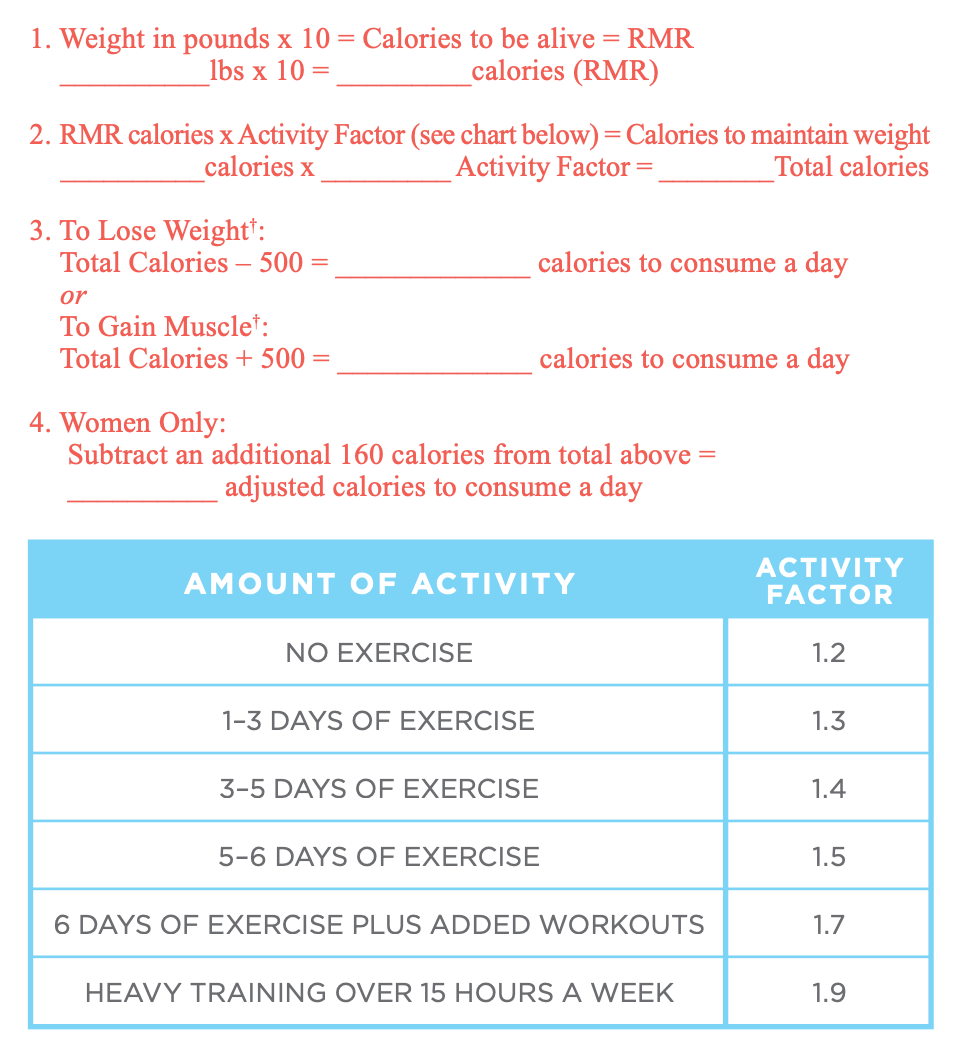
The journey of calorie tracking has undergone a dramatic evolution, moving from rudimentary pen-and-paper logs to highly integrated and intelligent digital solutions. This technological leap has democratized access to personal nutritional data, making it easier than ever for individuals to monitor their dietary intake and energy expenditure.
Evolution of Tracking Tools
Early attempts at calorie tracking were often confined to manual food diaries, basic spreadsheets, or simple online calculators that provided static estimates based on age, gender, weight, and activity level. While these methods offered a foundational understanding, they lacked the dynamism and granularity required for precise management. The digital revolution began to take hold with the development of dedicated mobile applications. These apps started as digital logs but quickly evolved, incorporating extensive food databases, barcode scanners, and personalized goal-setting features. This shift significantly reduced the friction associated with tracking, transforming a tedious chore into an accessible daily habit. Today, the most advanced apps leverage sophisticated algorithms and user interfaces to provide a seamless tracking experience, making nutrition management an integrated part of our digital lives.
Core Features of Modern Calorie Tracking Apps
Contemporary calorie tracking applications are far more than just digital notepads; they are comprehensive health management platforms. Key features that define their utility include:
- Extensive Food Databases: Apps boast vast libraries of food items, often including brand-specific products, restaurant meals, and generic ingredients. Barcode scanning capabilities allow for rapid and accurate entry, while the option to create custom food entries ensures all dietary items can be accounted for.
- Macronutrient Tracking: Beyond total calories, these apps meticulously track macronutrients (protein, carbohydrates, fats), enabling users to adhere to specific dietary ratios for performance or health reasons. Some also track micronutrients like vitamins and minerals.
- Goal Setting and Progress Monitoring: Users can set personalized calorie and macro goals, and the apps provide real-time feedback on progress. Dashboards, charts, and historical data logs offer visual insights into trends over time, facilitating adjustments and motivation.
- Integration Capabilities: A hallmark of modern apps is their ability to integrate with other health and fitness platforms, including wearable devices, smart scales, and other fitness apps. This creates a holistic data ecosystem that consolidates all relevant health metrics.
- AI-Driven Insights and Recommendations: Advanced applications utilize artificial intelligence to analyze user data, identify patterns, and offer personalized insights. This might include suggestions for meal planning, reminders for hydration, or adjustments to calorie targets based on activity levels and observed trends.
Selecting the Right App for Your Needs
Choosing the ideal calorie tracking app depends largely on individual preferences and specific health goals. When evaluating options, consider the following technical and user-centric factors:
- User Interface (UI) and User Experience (UX): An intuitive and easy-to-navigate interface is crucial for consistent use. The app should make food logging quick and straightforward.
- Food Database Accuracy and Breadth: Verify the quality and quantity of the food database. Does it include common foods you eat? Is the nutritional information verified?
- Integration Capabilities: If you use a fitness tracker or other smart devices, ensure the app seamlessly integrates with them to centralize your data.
- Cost and Subscription Model: Many apps offer a free version with basic features and a premium subscription for advanced functionalities. Assess whether the paid features justify the cost for your needs.
- Community Features: Some apps offer community forums or social features, which can provide additional motivation and support.
Popular examples like MyFitnessPal, LoseIt!, and Cronometer each offer unique strengths, from extensive databases to detailed micronutrient tracking, catering to a diverse range of users.
Wearable Technology: Passive Monitoring of Energy Expenditure
While calorie tracking apps focus on “calories in,” wearable technology has revolutionized the estimation of “calories out.” Smartwatches and fitness trackers have become ubiquitous, providing a convenient and largely passive method for monitoring physical activity and energy expenditure.
How Wearables Estimate Calorie Burn
Wearable devices estimate calorie burn through a combination of sophisticated sensors and algorithms. The primary components include:
- Accelerometers and Gyroscopes: These sensors detect movement, tracking steps, distance, and the intensity of physical activity. They help differentiate between walking, running, and other exercises.
- Heart Rate Monitors: Optical heart rate sensors (photoplethysmography or PPG) measure blood flow under the skin. Heart rate is a key indicator of physiological exertion, and higher heart rates generally correlate with higher calorie expenditure.
- Proprietary Algorithms: Manufacturers develop complex algorithms that combine data from these sensors with personal demographic information (age, weight, height, gender) to estimate metabolic equivalents (METs) and convert them into an approximate calorie burn. These algorithms are constantly being refined with machine learning to improve accuracy.
This continuous, real-time data collection provides users with a dynamic overview of their daily energy expenditure, moving beyond static estimates.
Integration with Diet Tracking Platforms
The true power of wearable technology in calorie management comes from its seamless integration with diet tracking applications. When a fitness tracker syncs its activity data with a calorie logging app, it creates a comprehensive “calories in vs. calories out” model. This integrated approach offers several benefits:
- Holistic Energy Balance: Users can see their estimated energy expenditure directly alongside their dietary intake, providing a clearer picture of their net calorie balance.
- Dynamic Goal Adjustment: Some integrated systems can dynamically adjust daily calorie targets based on activity levels. For instance, if a user has a particularly active day, the system might recommend a slightly higher calorie intake to maintain energy balance or avoid excessive deficits.
- Enhanced Accountability: Seeing a direct correlation between physical activity and calorie burn can serve as a powerful motivator, encouraging more movement and mindful eating.
Limitations and Accuracy Considerations
While incredibly useful, it’s crucial to acknowledge that wearable technology provides estimates of calorie burn rather than perfectly precise measurements. Factors affecting accuracy include:
- Individual Physiology: Metabolic rates vary significantly between individuals due to genetics, body composition, and other factors, which generic algorithms may not fully capture.
- Sensor Placement and Quality: The accuracy of heart rate monitors can be affected by factors like skin tone, tattoo placement, and tightness of the watch band.
- Type of Activity: Wearables generally perform well for activities like walking and running, but may be less accurate for non-rhythmic activities (e.g., weightlifting, yoga) or activities where the wrist isn’t a primary indicator of effort.
- Algorithm Sophistication: Different brands employ varying levels of algorithmic complexity, leading to differences in estimated calorie expenditure.
Users should view wearable data as a valuable guide and trend indicator, rather than an absolute scientific measurement. Consistent monitoring provides insights into personal patterns, even if the absolute numbers have a margin of error.

AI and Advanced Algorithms: Personalizing Calorie Recommendations
The latest frontier in calorie consumption calculation leverages artificial intelligence and machine learning to move beyond generalized formulas, offering hyper-personalized insights and recommendations. This represents a significant leap from simple data logging to intelligent data interpretation.
Predictive Analytics for Metabolic Health
AI-powered platforms analyze vast datasets, including dietary intake, activity levels, sleep patterns, body composition, and even biometric data (if available), to build a dynamic profile of an individual’s metabolic response. Instead of relying on static BMR (Basal Metabolic Rate) or TDEE (Total Daily Energy Expenditure) formulas, AI can predict how an individual’s body is likely to respond to different caloric intakes and activity levels. This allows for:
- Dynamic Calorie Targets: AI can adjust calorie goals not just based on initial parameters but on ongoing progress and real-time physiological feedback. If weight loss stalls despite a consistent deficit, the AI might suggest a minor adjustment or explore other contributing factors.
- Personalized Meal Suggestions: By learning individual food preferences, allergies, and nutritional needs, AI can generate customized meal plans and recipes that adhere to calorie and macronutrient targets.
- Identification of Patterns: AI can uncover subtle patterns in eating habits, activity, and weight fluctuations that might be imperceptible to the human eye, providing actionable insights for behavioral change.
The Role of Machine Learning in Nutritional Guidance
Machine learning algorithms are at the heart of this personalized guidance. They continuously learn and adapt as more data is fed into the system. For instance:
- Feedback Loops: When a user logs a meal and observes its impact on energy levels or satiety, the machine learning model integrates this feedback to refine future recommendations.
- Trend Analysis: ML models can identify long-term trends in calorie intake vs. weight changes, helping to determine an individual’s true maintenance calories, which can differ from standard estimations.
- Adaptive Strategies: If an individual consistently struggles with hitting protein targets, the ML might suggest specific high-protein snacks or meal components that fit their preferences and daily routine.
This iterative learning process allows the system to become increasingly accurate and effective over time, making nutritional guidance truly adaptive.
Future Trends: Hyper-Personalization and Real-time Adjustments
The future of AI in calorie management promises even greater levels of personalization and real-time responsiveness. We can anticipate:
- Integration with Advanced Biometrics: Direct integration with continuous glucose monitors (CGMs), smart scales that measure body composition with greater accuracy, and even blood analysis devices could provide real-time metabolic feedback, allowing AI to make instant adjustments to dietary recommendations based on how specific foods impact an individual’s blood sugar or energy levels.
- Digital Twins and Predictive Modeling: The creation of “digital twins” of individual users, where AI simulates physiological responses to various inputs, could allow for highly accurate predictive modeling of outcomes before dietary changes are even implemented.
- AI Nutrition Coaches: Advanced AI systems could evolve into sophisticated virtual nutrition coaches, offering not just data analysis but also empathetic behavioral support and strategic planning to overcome adherence challenges.
This future envisions a world where calorie consumption calculation is not just about numbers, but about a deeply personalized, intelligent partnership with technology to optimize health.
Digital Security and Data Privacy in Health Tracking
As our health data becomes increasingly intertwined with digital platforms, the issues of digital security and data privacy emerge as paramount concerns. The highly personal nature of nutritional intake and activity levels necessitates careful consideration of how this sensitive information is collected, stored, and used.
Protecting Your Personal Health Information (PHI)
When engaging with calorie tracking apps and wearable devices, users are entrusting companies with their Personal Health Information (PHI) – a term typically associated with medical records, but increasingly relevant to consumer health data. It is critical for users to:
- Understand Privacy Policies: Before signing up for an app or device, carefully read and comprehend its privacy policy. This document outlines what data is collected, how it’s used, who it might be shared with (e.g., for research, advertising), and your rights regarding your data.
- Be Aware of Data Aggregation: Many apps anonymize and aggregate user data for research, product improvement, or even sale to third parties. While often harmless when truly anonymized, users should be informed.
- Evaluate Data Monetization: Some “free” apps may monetize user data. Understanding these business models helps in making informed choices about where to store sensitive health information.
Secure Data Storage and Transmission
Responsible tech companies prioritize the security of user data. When choosing a platform, users should look for indicators of robust security practices:
- Encryption: Data, both at rest (stored on servers) and in transit (between your device and the server), should be encrypted using industry-standard protocols. This prevents unauthorized access even if a data breach occurs.
- Secure Servers: Companies should utilize secure, regularly audited server infrastructure with strong access controls.
- Compliance Standards: While consumer health apps may not fall under strict medical regulations like HIPAA in the US, reputable companies often adopt similar privacy-by-design principles to ensure data protection.
- Regular Security Audits: Platforms that regularly conduct security audits and penetration testing demonstrate a commitment to identifying and fixing vulnerabilities.
User Responsibility in Data Management
Beyond corporate efforts, users also play a crucial role in safeguarding their digital health information:
- Strong, Unique Passwords: Use complex, unique passwords for all health-related accounts and consider enabling two-factor authentication (2FA) for an added layer of security.
- Review App Permissions: Regularly check and understand the permissions you grant to health apps (e.g., access to location, contacts, photos). Grant only necessary permissions.
- Be Mindful of Public Sharing: Exercise caution when sharing detailed nutritional or activity data on public forums or social media, even within app communities.
- Backup and Export Data: If an app allows, regularly back up or export your data to your personal storage, providing a safety net in case of app discontinuation or data loss.
By being informed and proactive, users can leverage the power of technology for calorie consumption calculation while maintaining control over their personal health data.
Conclusion
The landscape of calorie consumption calculation has been profoundly reshaped by technological innovation. From the basic logging capabilities of early apps to the predictive power of AI and the seamless integration of wearables, technology now offers unparalleled tools for tracking, analyzing, and personalizing our nutritional journeys. These advancements empower individuals with data-driven insights, enabling more informed decisions about diet, exercise, and overall health. However, it’s crucial to approach these tools with a critical understanding of their capabilities and limitations, remembering that data from wearables are estimates and that data privacy is paramount. By intelligently embracing this digital ecosystem, in conjunction with professional guidance when needed, we can unlock a more precise and effective path toward achieving our health and wellness goals.
aViewFromTheCave is a participant in the Amazon Services LLC Associates Program, an affiliate advertising program designed to provide a means for sites to earn advertising fees by advertising and linking to Amazon.com. Amazon, the Amazon logo, AmazonSupply, and the AmazonSupply logo are trademarks of Amazon.com, Inc. or its affiliates. As an Amazon Associate we earn affiliate commissions from qualifying purchases.