
Understanding how your wage is calculated is one of the most fundamental aspects of personal finance. Whether you’re an employee trying to decipher your pay stub, a freelancer invoicing clients, or a small business owner managing payroll, a clear grasp of wage computation is indispensable. It’s not merely about knowing your hourly rate or annual salary; it’s about comprehending the journey from gross earnings to the net amount that lands in your bank account, and all the factors that influence it. This knowledge empowers you to budget effectively, plan for taxes, negotiate compensation, and ensure you’re being paid correctly.

This guide delves into the intricacies of wage calculation, moving beyond simple arithmetic to explore the various components that contribute to your final take-home pay. We’ll cover everything from the basic definitions of gross and net pay to the complex world of deductions, contributions, and variable income structures, all within the comprehensive framework of personal and business finance.
Understanding the Fundamentals of Wage Calculation
Before diving into the specifics, it’s crucial to establish a common language and understand the core concepts that underpin all wage calculations. This foundational knowledge forms the bedrock for interpreting your earnings.
Gross vs. Net Pay: The Essential Distinction
The first and most critical distinction in wage calculation is between gross pay and net pay.
-
Gross Pay refers to the total amount of money an employee earns before any deductions are taken out. This is the figure typically quoted when discussing salaries or hourly rates. For example, if you earn $20 an hour and work 40 hours, your gross weekly pay is $800. For a salaried employee, it’s their annual salary divided by the number of pay periods (e.g., $60,000 annually paid bi-weekly would be $60,000 / 26 = $2,307.69 gross per period).
-
Net Pay, often called take-home pay, is the amount of money an employee receives after all deductions and withholdings have been subtracted from their gross pay. This is the actual amount that appears in your bank account or on your paycheck. The difference between gross and net pay can often be surprising to those who haven’t fully grasped the impact of various deductions.
Understanding both figures is vital. Gross pay is important for understanding your earning potential and for calculations related to loans or benefits. Net pay is what you use for daily expenses, savings, and budgeting.
Hourly Wages: Simple But Layered
Hourly wages represent perhaps the most straightforward form of income calculation, but even they have nuances.
-
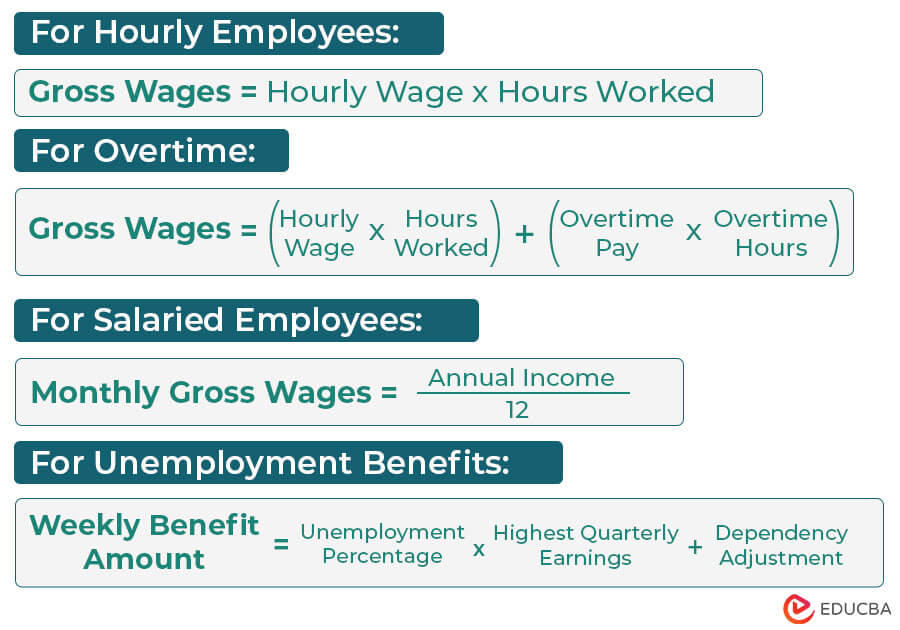
Basic Calculation: The most basic calculation is (Hourly Rate) x (Number of Hours Worked).
-
Overtime: Many jurisdictions mandate overtime pay, typically 1.5 times the regular hourly rate, for hours worked beyond a standard threshold (e.g., 40 hours in a week). This significantly impacts gross pay and must be accounted for accurately.
-
Shift Differentials: Some jobs offer higher hourly rates for working undesirable shifts (e.g., night shifts, weekends). These differentials add another layer to the gross pay calculation.
-
Breaks and Unpaid Time: It’s important to understand company policy and labor laws regarding paid vs. unpaid breaks, and how they affect total compensable hours.
Salaried Income: Beyond the Base Figure
Salaried employees receive a fixed amount of pay over a period, regardless of the exact hours worked (within reason and job scope).
-
Basic Calculation: Annual Salary / Number of Pay Periods in a year (e.g., 12 for monthly, 26 for bi-weekly, 52 for weekly).
-
Exempt vs. Non-Exempt: Salaried employees are often classified as “exempt” from overtime pay under specific criteria (e.g., executive, administrative, professional roles). However, “non-exempt” salaried employees are still eligible for overtime, making their calculation more complex if they work extended hours.
-
Performance-Based Adjustments: While the base salary is fixed, bonuses, commissions, or performance incentives can significantly increase a salaried employee’s total compensation, moving beyond the simple fixed amount.
Commission and Bonus Structures
For many roles, especially in sales or management, wages include variable components like commissions and bonuses.
-
Commissions: These are typically a percentage of sales or revenue generated. Calculations can vary (e.g., flat percentage, tiered percentages based on volume, gross profit commissions). Understanding the commission structure is key to predicting variable income.
-
Bonuses: Bonuses can be performance-based, sign-on, retention, or discretionary. They are often paid out periodically (e.g., quarterly, annually) and represent additional gross income.
-
Draw Against Commission: Some commission-based roles offer a “draw,” which is an advance on future commissions. If commissions don’t meet the draw, the employee might owe the company the difference, or it might be deducted from future earnings.
Decoding Deductions and Contributions
The journey from gross to net pay is paved with various deductions and, importantly, employer contributions that enhance your overall compensation. Understanding these elements is crucial for a complete picture of your financial standing.
Mandatory Deductions: Taxes and Social Security
These are deductions that employers are legally required to withhold from your paycheck.
-
Federal Income Tax: The amount withheld depends on your income, filing status, and the allowances claimed on your W-4 form (or equivalent for other countries). This is a significant deduction that often catches new employees by surprise.
-
State and Local Income Tax: Many states and some local municipalities also levy income taxes. The rates and rules vary widely by location.
-
Social Security Tax (FICA): This federal tax funds retirement, disability, and survivor benefits. Employees generally pay a fixed percentage (e.g., 6.2% of earnings up to an annual limit).
-
Medicare Tax (FICA): This federal tax funds hospital insurance for the elderly and disabled. Employees generally pay a fixed percentage (e.g., 1.45% of all earnings, with an additional Medicare tax for high earners).
-
Other State Mandates: Some states have additional mandatory deductions, such as state disability insurance or paid family leave contributions.
Voluntary Deductions: Benefits and Retirement Plans
These deductions are typically chosen by the employee and reduce taxable income or contribute to future financial security.
-
Health Insurance Premiums: Your share of the cost for medical, dental, or vision insurance plans offered by your employer. Pre-tax deductions for health insurance are common and reduce your taxable gross income.
-
Retirement Plan Contributions: Contributions to 401(k), 403(b), or similar employer-sponsored retirement accounts. These are often pre-tax, meaning they reduce your current taxable income, offering significant tax advantages.
-
Flexible Spending Accounts (FSAs) or Health Savings Accounts (HSAs): Contributions to these accounts, used for qualified medical expenses, are also typically pre-tax, providing tax savings.
-
Life Insurance and Disability Insurance: Premiums for supplemental insurance coverage chosen through your employer.
-
Union Dues: If applicable, membership dues for a labor union.
-
Loan Repayments: Sometimes, employers facilitate deductions for company loans or charitable contributions.
Employer Contributions: The Hidden Value
While not deducted from your paycheck, employer contributions are a significant part of your total compensation package and understanding them is vital. They represent costs incurred by the employer on your behalf and often greatly increase the overall value of your wage.
-
Employer Share of Taxes: Employers also pay their share of Social Security and Medicare taxes, unemployment insurance, and worker’s compensation insurance. These are significant costs that don’t come out of your check but are part of the overall cost of employing you.
-
Retirement Plan Matching: Many employers match a portion of employee contributions to 401(k)s or similar plans. This “free money” is a huge benefit and should always be factored into your total compensation.
-
Health Insurance Premiums: Employers typically cover a substantial portion of health insurance premiums, often far exceeding the amount deducted from your pay.
-
Other Benefits: This can include tuition reimbursement, wellness programs, commuter benefits, and more. While not directly cash, these benefits have a monetary value that enhances your total compensation.
Practical Steps for Calculating Your Wage
Now that we’ve covered the components, let’s walk through the practical application of calculating your wage, whether you’re paid hourly, salaried, or through variable income.
Step-by-Step for Hourly Employees
-
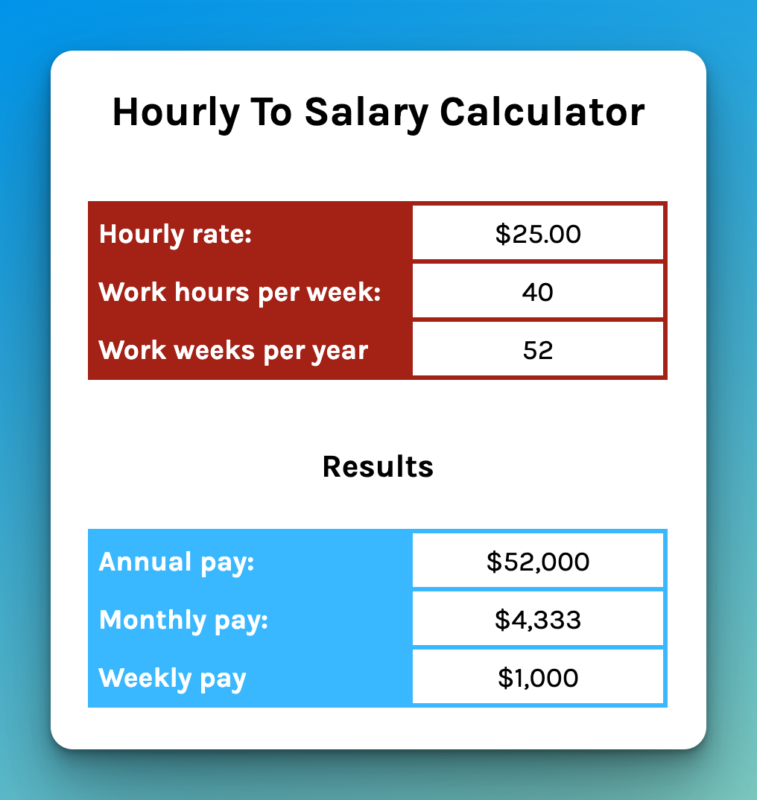
Calculate Gross Regular Pay: Multiply your hourly rate by the number of regular hours worked. (e.g., $25/hour x 40 hours = $1,000).
-
Calculate Overtime Pay (if applicable): Determine overtime hours. Multiply overtime hours by the overtime rate (regular rate x 1.5, or as defined). (e.g., 5 hours x ($25 x 1.5) = 5 hours x $37.50 = $187.50).
-
Calculate Total Gross Pay: Add regular pay, overtime pay, and any other special pay (e.g., shift differential, tips). (e.g., $1,000 + $187.50 = $1,187.50).
-
Subtract Mandatory Deductions:
-
Federal Income Tax: Use IRS withholding tables or an online calculator based on your W-4.
-
State/Local Income Tax: Based on state/local withholding tables.
-
FICA (Social Security & Medicare): Apply the current rates to your gross pay (e.g., 6.2% for Social Security up to the annual limit, 1.45% for Medicare on all earnings).
-
-
Subtract Voluntary Deductions: Deduct contributions for health insurance, 401(k), FSA/HSA, union dues, etc. (These may be pre-tax, reducing the amount subject to income tax).
-
Calculate Net Pay: Gross Pay – Total Mandatory Deductions – Total Voluntary Deductions.
Step-by-Step for Salaried Employees
-
Calculate Gross Pay per Period: Divide your annual salary by the number of pay periods in the year. (e.g., $60,000 / 26 bi-weekly periods = $2,307.69 per period).
-
Add Any Bonuses/Commissions: If paid out during the period, add these to your gross pay. (Note: These might be taxed at a supplemental rate).
-
Subtract Mandatory Deductions: Follow the same process as hourly employees for federal, state/local income tax, and FICA.
-
Subtract Voluntary Deductions: Deduct contributions for health insurance, 401(k), FSA/HSA, etc.
-
Calculate Net Pay: Gross Pay – Total Mandatory Deductions – Total Voluntary Deductions.
Accounting for Variable Income (Commissions/Bonuses)
Calculating wages with variable income requires careful tracking and understanding how these amounts are taxed.
-
Track Performance Metrics: Keep detailed records of sales, leads, or other metrics that determine your commission or bonus.
-
Understand Payout Schedules: Know when commissions are calculated and paid out (e.g., monthly, quarterly, after a specific period).
-
Impact on Withholding: Bonuses and commissions are often considered “supplemental wages” by the IRS and may be subject to different withholding rules or flat rates, which can impact your net pay significantly for that period. Be aware that this can sometimes lead to under- or over-withholding for the year, necessitating tax adjustments.
Utilizing Online Paycheck Calculators and Tools
For accuracy and convenience, especially with varying deductions and tax laws, online paycheck calculators are invaluable.
-
Reputable Sources: Use calculators from trusted sources like the IRS (for tax estimation), major payroll providers, or reputable financial planning websites.
-
Input Accuracy: Ensure you accurately input all required information: gross pay, pay frequency, withholding allowances, pre-tax deductions, post-tax deductions, and any special pay.
-
What They Do: These tools automate the complex calculations of taxes (federal, state, local), FICA, and other deductions, providing a detailed breakdown of your estimated net pay. They are excellent for planning purposes and for verifying your pay stub.
The Broader Implications of Wage Calculation
Understanding how your wage is calculated extends far beyond just receiving a paycheck. It has profound implications for your overall financial health and strategic decision-making.
Budgeting and Financial Planning
Your net pay is the foundation of your budget. Without an accurate understanding of your take-home amount, creating a realistic budget is impossible. Knowing your net income allows you to:
-
Allocate Funds: Determine how much you can allocate to housing, food, transportation, debt repayment, and discretionary spending.
-
Set Savings Goals: Plan for short-term and long-term savings, from an emergency fund to a down payment on a house.
-
Avoid Overspending: Prevent living beyond your means by aligning your spending with your actual available income.
Tax Planning and Optimization
A deep understanding of wage calculations, particularly deductions, empowers you to make smarter tax decisions.
-
W-4 Adjustments: Knowing how allowances impact your withholding can help you adjust your W-4 to avoid a large tax bill or a significant refund (which means you overpaid the government throughout the year).
-
Pre-Tax Benefits: Maximizing contributions to pre-tax accounts like 401(k)s, FSAs, and HSAs reduces your taxable income, lowering your overall tax burden.
-
Tax Credits and Deductions: While not directly part of wage calculation, understanding your gross income is the starting point for evaluating eligibility for various tax credits and itemized deductions that further reduce your tax liability.
Understanding Your Total Compensation Package
Your wage is just one piece of your total compensation. The value of employer contributions and benefits can be substantial.
-
Monetary Value: Quantify the monetary value of health insurance premiums paid by your employer, 401(k) matches, and other benefits. This helps you understand the true worth of your job.
-
Negotiation Power: When negotiating a salary or evaluating job offers, considering the full compensation package (including benefits, bonuses, and growth opportunities) gives you a more comprehensive view than just comparing gross salaries.
-
Employee Value Proposition: Recognizing the full scope of your compensation helps you appreciate your employer’s investment in you and can impact job satisfaction and retention.
Advocating for Fair Pay and Negotiations
Equipping yourself with the knowledge of wage calculation is invaluable when it comes to advocating for fair pay.
-
Justifying a Raise: When asking for a raise, you can articulate how your contributions translate into value for the company, and how that justifies an increased gross wage, which will then flow through the calculation to your net pay.
-
Understanding Pay Scales: Researching industry standards and understanding the components of pay (base, bonus, benefits) helps you assess if your current compensation is competitive.
-
Clarifying Discrepancies: If you spot an error on your pay stub, having a clear understanding of the calculation process enables you to pinpoint the mistake and discuss it confidently with your HR or payroll department.
Common Pitfalls and How to Avoid Them
Even with a solid understanding, certain aspects of wage calculation often trip people up. Being aware of these common pitfalls can save you frustration and financial headaches.
Misunderstanding Tax Withholding
One of the most common issues is misunderstanding how much federal, state, and local income tax is withheld.
-
The W-4 Form: Many employees either don’t update their W-4 (Employee’s Withholding Certificate) regularly or don’t fully understand how it works. Claiming too many allowances can lead to under-withholding and a tax bill at year-end, while claiming too few can lead to over-withholding and a large refund (meaning you’ve given the government an interest-free loan all year).
-
Supplemental Wages: Bonuses, commissions, and severance pay are often taxed differently (e.g., at a flat rate) than regular wages, which can skew withholding for that specific pay period.
-
Solution: Review and adjust your W-4 annually, especially after major life events (marriage, birth of a child, new job). Use the IRS Tax Withholding Estimator tool to ensure your withholding matches your expected tax liability.
Overlooking Non-Monetary Benefits
Focusing solely on the net cash in hand can lead to overlooking significant non-monetary benefits that contribute to your overall financial well-being.
-
Value of Benefits: The employer’s contribution to health insurance, retirement plans, life insurance, and even perks like free meals or gym memberships, all have a monetary value.
-
Missed Opportunities: Not understanding these benefits can lead to underutilizing them (e.g., not contributing enough to a 401(k) to get the full employer match).
-
Solution: Request a total compensation statement from your HR department. This document typically itemizes all components of your compensation, including the monetary value of benefits.
Not Reviewing Your Pay Stubs
Many employees glance at their net pay and file away their pay stubs without a thorough review. This can be a costly mistake.
-
Errors Happen: Payroll errors, though infrequent, do occur. These can be related to incorrect hours, wrong deductions, or misapplied tax codes.
-
Missing Information: A pay stub provides a detailed breakdown of your earnings and deductions. Not reviewing it means you miss crucial information about your tax withholding, retirement contributions, and benefits.
-
Solution: Regularly (at least once a quarter) review your pay stub line by line. Check hours worked, hourly rate, gross pay, federal/state/local taxes, FICA, and all voluntary deductions. Compare it to previous stubs and your expectations.
The Impact of Overtime and Special Pay
For hourly workers, misunderstanding how overtime and other special pay are calculated can lead to confusion and disputes.
-
Overtime Rules: Be clear on when overtime kicks in (e.g., after 40 hours in a week, after 8 hours in a day) and the applicable rate (e.g., 1.5x, 2x).
-
Holiday/Weekend Pay: Some companies offer enhanced rates for working holidays or weekends. Ensure these are applied correctly.
-
Solution: Familiarize yourself with your company’s policy on overtime and special pay, as well as relevant labor laws in your jurisdiction. Track your hours diligently, especially if they exceed standard workweeks or involve special shifts.
Conclusion
Calculating a wage is a foundational skill in personal and business finance, far more intricate than simply multiplying an hourly rate by hours worked. It involves a detailed understanding of gross and net pay, the various forms of income (hourly, salaried, commission), and the complex landscape of mandatory and voluntary deductions. Moreover, recognizing the hidden value of employer contributions provides a complete picture of your total compensation.
By mastering these calculations, you equip yourself with the financial literacy to manage your budget effectively, optimize your tax situation, negotiate confidently, and ensure you are fairly compensated. Regularly reviewing your pay stubs, utilizing reliable online tools, and staying informed about tax regulations are essential practices for safeguarding your financial well-being. Ultimately, a deep comprehension of how your wage is calculated is not just about numbers; it’s about empowerment and taking control of your financial future.
aViewFromTheCave is a participant in the Amazon Services LLC Associates Program, an affiliate advertising program designed to provide a means for sites to earn advertising fees by advertising and linking to Amazon.com. Amazon, the Amazon logo, AmazonSupply, and the AmazonSupply logo are trademarks of Amazon.com, Inc. or its affiliates. As an Amazon Associate we earn affiliate commissions from qualifying purchases.