
In the intricate dance of modern life, few skills are as universally empowering and fundamentally essential as the ability to calculate. Far beyond simple arithmetic, mastering financial calculation is the bedrock upon which personal wealth, business growth, and economic stability are built. Whether you’re an individual striving for financial independence, an entrepreneur scaling a new venture, or an investor seeking optimal returns, understanding the numbers is not just beneficial—it’s indispensable. This article delves into the critical calculations across various financial domains, providing insights and strategies to help you interpret, plan, and ultimately achieve your monetary goals. We’ll explore everything from basic personal budgeting to complex investment analysis, emphasizing practical application and strategic foresight.
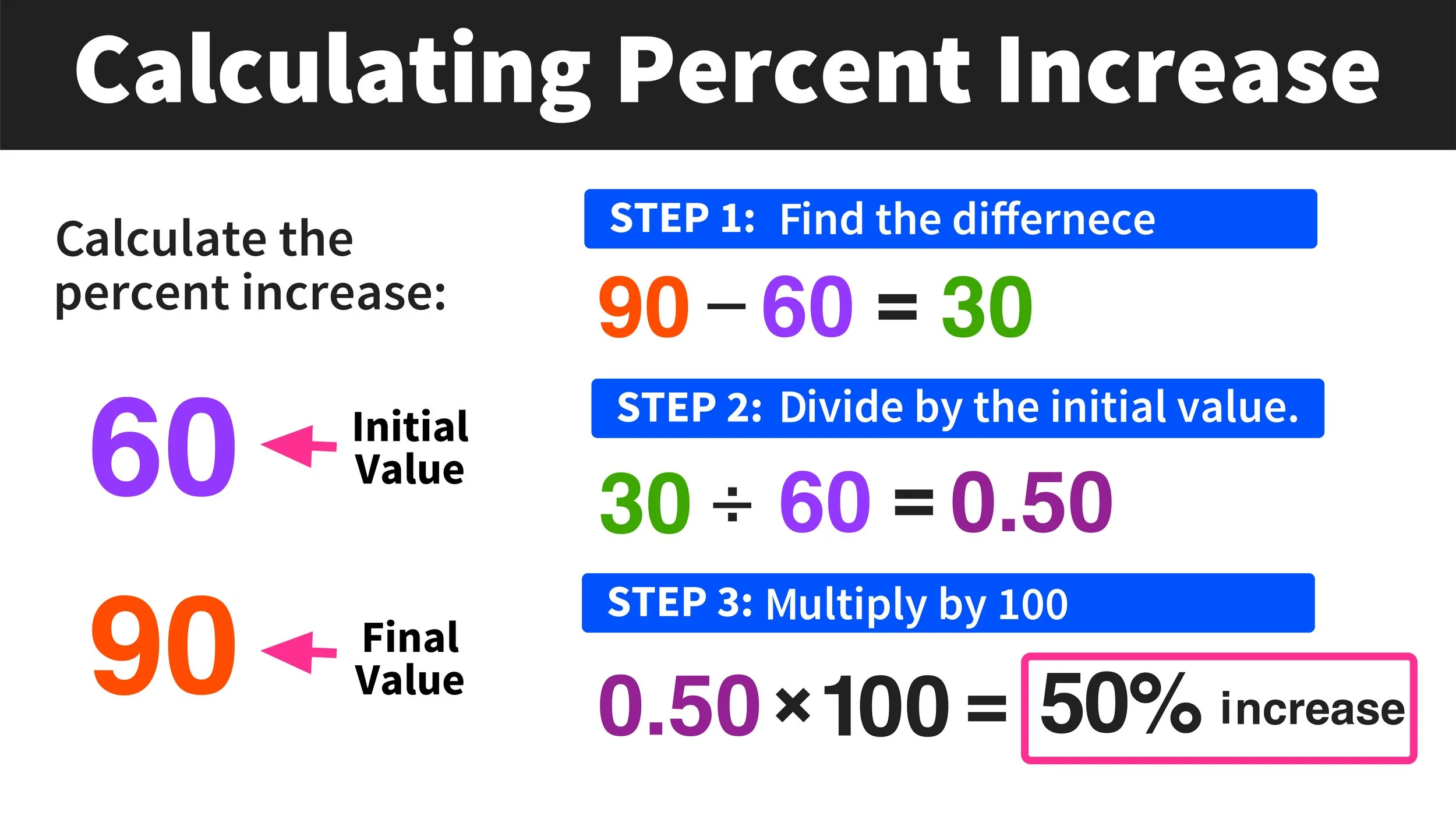
The Foundation: Essential Personal Finance Calculations
Before embarking on ambitious investment strategies or intricate business models, a firm grasp of your personal financial landscape is paramount. These foundational calculations provide clarity, expose vulnerabilities, and illuminate pathways to greater financial security. Without these basics, any grander financial plan rests on shaky ground.
Budgeting: Tracking Income and Expenses
The cornerstone of personal finance, budgeting is essentially a detailed ledger of where your money comes in and where it goes out. It’s not about restriction, but about awareness and control.
-
Income Calculation: Begin by tallying all your take-home pay from salaries, side hustles, benefits, and other sources over a specific period (e.g., monthly). This is your gross income minus taxes and deductions.
-
Expense Tracking: Categorize your spending into fixed expenses (rent/mortgage, loan payments, subscriptions) and variable expenses (groceries, entertainment, transport, dining out). Tracking these meticulously, perhaps for several months, reveals spending patterns.
-
The Budget Equation: Your goal is simple: Total Income – Total Expenses = Surplus or Deficit. A surplus means you’re living within your means and have funds available for savings or investments. A deficit signals that you’re spending more than you earn, necessitating adjustments. Methods like the 50/30/20 rule (50% needs, 30% wants, 20% savings/debt repayment) offer a good starting point for allocation. Regular review and adjustment are key to an effective budget.
Net Worth: Your Financial Snapshot
Your net worth is a single, powerful metric that tells you the total value of everything you own minus everything you owe. It’s a snapshot of your financial health at any given moment and a critical indicator of progress over time.
-
Asset Identification: List all your assets. These include cash in bank accounts, savings, investments (stocks, bonds, mutual funds), retirement accounts, real estate (home equity), vehicles, and any other valuable possessions. Assign a fair market value to each.
-
Liability Tally: List all your liabilities. This comprises credit card debt, student loans, car loans, mortgages, and any other outstanding debts.
-
Net Worth Calculation: Assets – Liabilities = Net Worth. A positive net worth indicates good financial health, while a negative net worth means your debts exceed your assets. Tracking your net worth annually provides a compelling indicator of your financial journey and the effectiveness of your strategies.
Emergency Fund: Your Safety Net
An emergency fund is a dedicated savings account specifically designed to cover unexpected expenses or job loss. It acts as a crucial buffer, preventing you from incurring high-interest debt during crises.
-
Calculating the Target Amount: Most financial experts recommend having 3 to 6 months’ worth of essential living expenses saved. This figure should cover your rent/mortgage, utilities, food, transport, insurance, and other non-negotiable costs.
-
Building the Fund: Treat your emergency fund like a mandatory expense in your budget. Automate transfers from your checking account to a separate, easily accessible savings account. The calculation here is simple: current savings needed to reach your target / number of months you plan to save.
Strategic Calculations for Debt & Savings
Once your foundational finances are in order, the next step involves making calculated moves to reduce debt efficiently and accelerate wealth accumulation through strategic savings. These calculations transform abstract goals into actionable plans.
Debt Repayment: The Snowball vs. Avalanche Method
Managing debt effectively requires a clear strategy. Two popular methods leverage specific calculations to guide your repayment journey.
-
Debt Snowball Method: This involves paying off the smallest debt first while making minimum payments on others. The “calculation” here is less about numbers and more about psychological momentum. Once the smallest debt is paid, you roll that payment amount into the next smallest debt, creating a “snowball” effect.
-
Debt Avalanche Method: This is mathematically superior. You list your debts by interest rate and tackle the one with the highest interest rate first, while making minimum payments on others. This method minimizes the total interest paid over time, saving you money.
-
Calculating Interest Savings: To compare, use an online debt calculator or a spreadsheet. Input your current debt amounts, interest rates, and minimum payments. Then model both methods to see which saves more interest and gets you debt-free faster.
Savings Growth: Compound Interest Unveiled
Compound interest is often called the eighth wonder of the world, and for good reason. It’s the interest you earn on your initial principal and on the accumulated interest from previous periods.
-
The Formula: A = P (1 + r/n)^(nt), where:
-
A = the future value of the investment/loan, including interest
-
P = the principal investment amount (the initial deposit or loan amount)
-
r = the annual interest rate (as a decimal)
-
n = the number of times that interest is compounded per year
-
t = the number of years the money is invested or borrowed for
-
-
Understanding the Impact: While the formula looks complex, the concept is simple: the longer your money is invested and the more frequently it compounds, the more it grows exponentially. Small, consistent contributions over a long period can yield staggering results. Use online compound interest calculators to visualize this growth for your specific contributions and rates.
Retirement Planning: The Power of Future Value
Planning for retirement involves estimating your future needs and working backward to determine how much you need to save today. This leans heavily on future value calculations.
-
Estimating Retirement Needs: Determine your desired annual income in retirement, then factor in inflation (e.g., if you need $60,000/year today, it might be $100,000/year in 30 years due to inflation).
-
Future Value of a Single Sum (FV): FV = PV * (1 + r)^n. This helps you understand what a lump sum invested today will be worth in the future.
-
Future Value of an Annuity (FVA): FVA = P * [((1 + r)^n – 1) / r]. This is critical for retirement planning, as it calculates the future value of a series of equal payments (your regular contributions) over time. Online retirement calculators integrate these formulas, allowing you to input your age, desired retirement age, current savings, and planned contributions to project your retirement nest egg.
Navigating Investments: Risk and Return Calculations
Investing is where your money truly starts working for you, but it also introduces complexity regarding risk and return. Strategic calculations are essential to make informed decisions and optimize your portfolio.
Return on Investment (ROI) and Annualized Returns
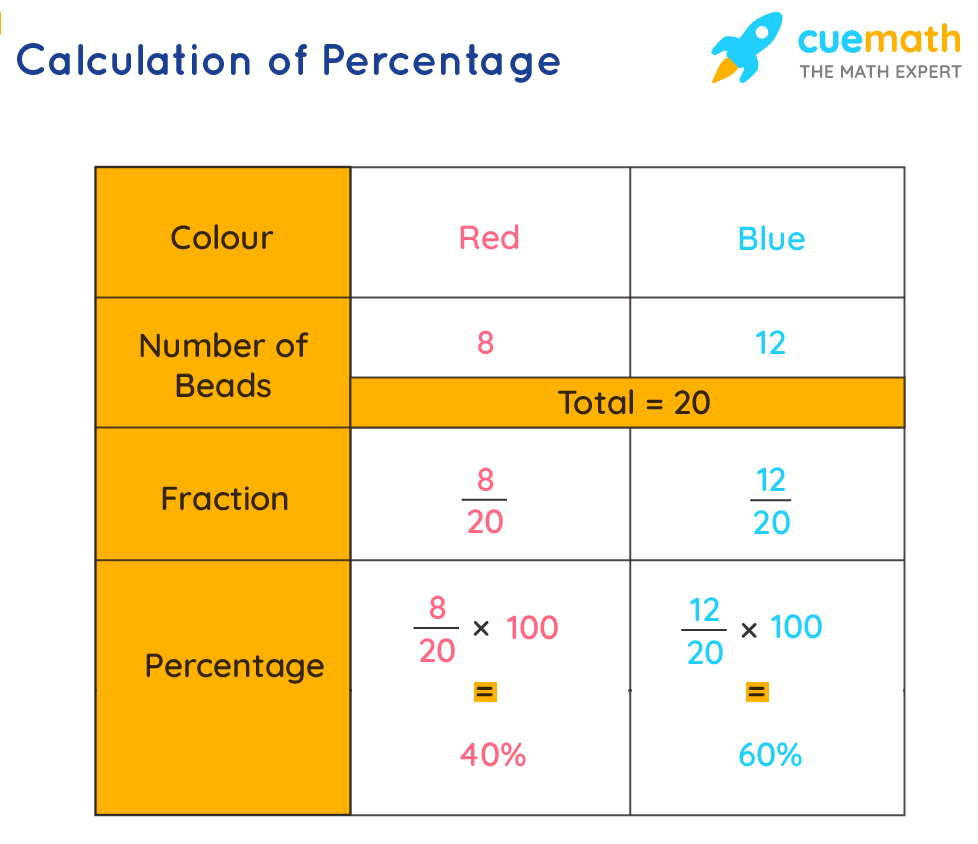
Understanding how much profit your investments generate is crucial for assessing their performance.
-
Return on Investment (ROI): ROI = (Current Value of Investment – Original Cost of Investment) / Original Cost of Investment * 100%. This provides a simple percentage return over the entire investment period.
-
Annualized Return: ROI is useful, but it doesn’t account for the time period. Annualized return (also known as Compound Annual Growth Rate or CAGR) provides the average annual rate of return over a specified period, smoothing out volatility.
- CAGR = [(Ending Value / Beginning Value)^(1 / Number of Years)] – 1. This calculation allows for a fair comparison of investments held for different durations.
Risk Assessment: Standard Deviation and Diversification
Investing inherently involves risk, and understanding how to quantify and mitigate it is paramount.
-
Standard Deviation: In finance, standard deviation measures the volatility or dispersion of an investment’s returns around its average return. A higher standard deviation indicates greater price fluctuation and thus higher risk. While complex to calculate manually for a portfolio, financial platforms and fund fact sheets typically provide this metric.
-
Diversification: While not a calculation in itself, diversification is a strategy based on the statistical principle of reducing risk by investing in a variety of assets. The idea is that different assets will not move in perfect correlation, so if one performs poorly, others might perform well, balancing out the portfolio’s overall return and reducing overall standard deviation. The “calculation” here involves strategically allocating your capital across different asset classes (stocks, bonds, real estate), industries, geographies, and company sizes.
Understanding Tax Implications of Investments
Taxes can significantly erode investment returns if not accounted for. Calculating their impact is vital for accurate financial planning.
-
Capital Gains Tax: This is levied on the profit from selling an investment. The rate depends on how long you held the asset (short-term vs. long-term) and your income bracket. Calculating potential capital gains tax before selling can inform your liquidation strategy.
-
Dividend and Interest Income Tax: Income from dividends and interest is typically taxable, though rates can vary (e.g., qualified dividends often taxed at capital gains rates).
-
Tax-Advantaged Accounts: Understanding how calculations within accounts like 401(k)s, IRAs, and HSAs defer or exempt certain taxes is crucial. Contributions to traditional accounts are often tax-deductible (reducing current taxable income), while growth is tax-deferred. Roth accounts involve after-tax contributions but offer tax-free withdrawals in retirement. The long-term tax savings from these accounts can be substantial.
Beyond Personal: Business and Side Hustle Math
For entrepreneurs and those pursuing side hustles, a different set of calculations comes into play, focusing on profitability, growth, and operational efficiency. These numbers guide critical business decisions.
Profit Margins and Break-Even Analysis
Understanding the profitability of your products or services and when your business will start making money are fundamental for any venture.
-
Gross Profit Margin: (Revenue – Cost of Goods Sold) / Revenue * 100%. This shows how much profit your business makes from each sale after deducting the direct costs of producing the goods or services.
-
Net Profit Margin: (Net Profit / Revenue) * 100%. This is the ultimate measure of profitability, showing how much profit is generated for every dollar of revenue after all expenses (including operating costs, interest, and taxes) have been deducted.
-
Break-Even Point: Fixed Costs / (Per-Unit Revenue – Per-Unit Variable Costs). This crucial calculation tells you how many units you need to sell, or how much revenue you need to generate, to cover all your costs and start making a profit. It’s a key metric for setting sales targets and evaluating the viability of a business idea.
Pricing Strategies and Costing
Setting the right price for your products or services is a delicate balance, requiring careful calculation of costs and perceived value.
-
Cost-Plus Pricing: Calculate all costs associated with producing your product or service (materials, labor, overhead), then add a desired profit margin percentage. This ensures your price covers costs and provides a profit.
-
Value-Based Pricing: This considers what customers are willing to pay based on the perceived value of your offering, often independent of your production costs. While not a direct calculation, it requires market research and understanding customer psychology to set an optimal price point.
-
Competitive Pricing: Analyze competitor pricing to position your offering effectively. This involves calculating where your price falls relative to others and justifying any differences based on features, quality, or branding.
Tracking Online Income and Expense for Tax
The rise of the gig economy and online businesses necessitates meticulous record-keeping and calculation for tax purposes.
-
Income Tracking: All income from freelancing, e-commerce sales, ad revenue, affiliate marketing, or other online ventures must be recorded. Many online platforms provide detailed income statements, but consolidating them is crucial.
-
Expense Deduction Calculation: Identify and track all legitimate business expenses that can reduce your taxable income. This includes software subscriptions, home office deductions, equipment, marketing costs, payment processing fees, and professional development. Keeping digital receipts and categorizing expenses simplifies this process.
-
Estimated Quarterly Taxes: If you expect to owe more than a certain amount in taxes as a self-employed individual, you’re required to pay estimated taxes quarterly. Calculating these payments involves estimating your annual income and deductible expenses, then determining your projected tax liability and dividing it by four. Failure to do so can result in penalties.
Tools and Best Practices for Financial Calculation
While understanding the underlying formulas is important, modern financial management is greatly enhanced by accessible tools and wise practices.
Spreadsheets and Financial Software
Digital tools simplify complex calculations and automate much of the tracking process.
-
Spreadsheets (Excel, Google Sheets): Incredibly versatile, spreadsheets allow you to create custom budgets, net worth trackers, investment portfolios, and business ledgers. You can input formulas for compound interest, ROI, break-even analysis, and more, making them dynamic and powerful. Templates are widely available to get started.
-
Personal Finance Software (Quicken, Mint, YNAB): These applications automatically pull transaction data from your bank accounts and credit cards, categorize expenses, and generate reports. They make budgeting, net worth tracking, and goal setting much easier by automating the data collection and basic calculation processes.
-
Accounting Software (QuickBooks, Xero): For businesses and serious side hustlers, these tools streamline invoicing, expense tracking, payroll, and financial reporting, providing comprehensive insights into profitability and cash flow.
Online Calculators and Apps
For quick, specific calculations, online tools are invaluable.
-
Mortgage Calculators: Estimate monthly payments, interest paid over the loan term, and the impact of extra payments.
-
Retirement Calculators: Project your future nest egg and determine required savings rates.
-
Loan Amortization Calculators: See how your payments are distributed between principal and interest over the life of a loan.
-
Investment Return Calculators: Model different investment scenarios and potential returns.
-
Budgeting Apps: Many mobile applications provide intuitive interfaces for tracking expenses, setting budgets, and visualizing financial progress on the go.
The Human Element: When to Seek Professional Advice
While self-reliance in financial calculation is commendable, recognizing the limits of your own expertise is also crucial.
-
Financial Planners: For complex financial situations, multi-faceted investment portfolios, estate planning, or significant life events, a certified financial planner can provide tailored advice and help optimize your calculations for long-term goals.
-
Tax Professionals: Tax laws are notoriously complex and change frequently. For intricate tax situations, business tax planning, or significant investment gains/losses, a qualified accountant or tax advisor can ensure compliance and maximize deductions.
-
Business Consultants: For detailed financial modeling, strategic pricing, or growth planning for your business, a consultant can offer expert insights and refine your calculations to drive success.
In conclusion, “how to calculat” isn’t merely about performing arithmetic; it’s about gaining clarity, making informed decisions, and strategically navigating the path to financial success. From personal budgets to investment returns, and from business profit margins to tax planning, every financial aspiration is underpinned by a series of critical calculations. By embracing these calculations and leveraging the tools available, you empower yourself to build a future of financial confidence and prosperity.
aViewFromTheCave is a participant in the Amazon Services LLC Associates Program, an affiliate advertising program designed to provide a means for sites to earn advertising fees by advertising and linking to Amazon.com. Amazon, the Amazon logo, AmazonSupply, and the AmazonSupply logo are trademarks of Amazon.com, Inc. or its affiliates. As an Amazon Associate we earn affiliate commissions from qualifying purchases.