
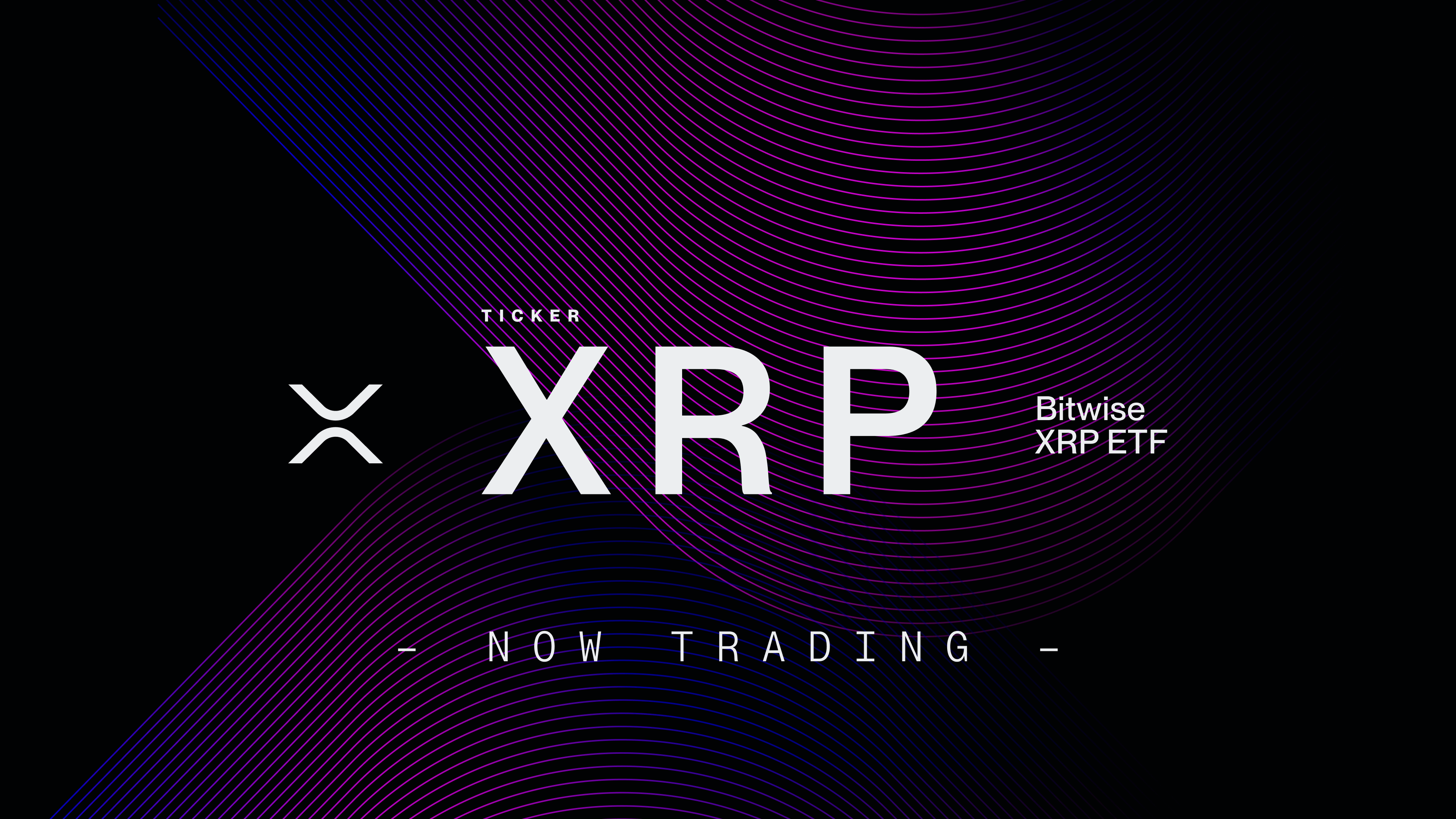
The financial landscape is ever-evolving, with digital assets increasingly finding pathways into traditional investment vehicles. While direct ownership of cryptocurrencies like XRP has been popular among early adopters, the emergence of Exchange Traded Funds (ETFs) for digital assets offers a streamlined, regulated, and often more accessible route for a broader range of investors. Understanding how to acquire an XRP ETF, should one become widely available, requires navigating both the intricacies of the cryptocurrency itself and the regulatory hurdles that shape these investment products.
Understanding XRP and the ETF Landscape
Investing in an XRP ETF first necessitates a foundational understanding of what XRP is and how it fits into the broader crypto ETF narrative. This context is crucial for appreciating the value proposition and the regulatory journey of such an investment product.

What is XRP?
XRP is the native digital asset on the XRP Ledger, an open-source, permissionless, and decentralized blockchain technology. Created by Ripple Labs Inc., XRP is designed to facilitate fast, low-cost international payments and remittances. Unlike many cryptocurrencies that primarily serve as a store of value or a medium for decentralized applications, XRP’s core utility is focused on efficiency in cross-border transactions, aiming to offer an alternative to traditional banking systems like SWIFT. Its unique consensus mechanism allows for transactions to be validated and settled in mere seconds, far outpacing conventional methods. However, XRP’s regulatory classification, particularly in the United States, has been a subject of extensive legal debate, impacting its integration into mainstream financial products.
The Evolution of Crypto ETFs
The concept of a crypto ETF is not new. The financial industry has witnessed a significant push for these products, with varying degrees of success across different jurisdictions. Early iterations often involved futures-based ETFs, such as those for Bitcoin, which track the price of Bitcoin futures contracts rather than the underlying spot asset. These were typically approved first due to regulatory comfort with futures markets. The real game-changer came with the approval of spot Bitcoin ETFs in major markets, allowing investors to gain exposure to Bitcoin’s price movements without directly holding the cryptocurrency. This shift marked a critical moment, opening the door for other digital assets to potentially follow suit. Ethereum spot ETFs have also seen similar regulatory pathways, setting a precedent that an XRP ETF could theoretically follow, provided it addresses specific regulatory concerns.
Why an XRP ETF?
An XRP ETF offers several compelling advantages over direct ownership for many investors. Firstly, it simplifies the investment process. Investors can buy and sell ETF shares through traditional brokerage accounts, eliminating the need to navigate cryptocurrency exchanges, set up digital wallets, or manage private keys. This reduces the technical complexity and security risks associated with direct crypto custody. Secondly, ETFs are regulated financial products, offering a layer of investor protection and oversight not always present in the direct crypto market. This regulation can bring greater transparency and liquidity. Thirdly, an ETF can be seamlessly integrated into existing investment portfolios, making it easier for financial advisors and institutional investors to gain exposure to XRP without altering their established frameworks for asset allocation and risk management. For those concerned about the volatility and nascent nature of the crypto market, an ETF provides a more familiar and often less intimidating entry point.
Navigating the Regulatory Environment for Crypto ETFs
The path to a widely available XRP ETF is inextricably linked to the regulatory landscape, particularly in major financial markets. Understanding these regulatory dynamics is paramount for any potential investor.
SEC’s Stance and Approval Process
In the United States, the Securities and Exchange Commission (SEC) plays a pivotal role in approving ETFs. The SEC’s primary mandate is investor protection, and its cautious approach to crypto ETFs has been well-documented. Historically, the SEC expressed concerns about market manipulation, custody of digital assets, and the overall maturity of crypto markets. The approval process involves rigorous scrutiny of an ETF proposal, including its underlying asset, the surveillance sharing agreements with spot markets to prevent manipulation, and the suitability of the chosen custodian. For spot crypto ETFs, a major hurdle has been demonstrating that the underlying spot market is large and liquid enough, and adequately regulated, to prevent fraud and manipulation, thereby protecting investors.
Key Regulatory Hurdles for XRP
XRP faces unique regulatory challenges compared to Bitcoin or Ethereum. Central to these challenges is the ongoing legal battle between Ripple Labs Inc. and the SEC regarding XRP’s classification as a security. The SEC alleges that XRP was sold as an unregistered security, an assertion Ripple disputes. While partial court rulings have provided some clarity, the ultimate legal status of XRP remains a significant determinant for any potential ETF approval. If XRP is deemed a security, it would fall under a different regulatory framework than commodities like Bitcoin, potentially requiring the ETF to comply with securities laws designed for traditional financial instruments. This uncertainty creates a substantial obstacle for ETF issuers and regulators alike, as they prefer clear regulatory classifications before launching new products.
Global Landscape for Crypto ETFs
While the US market often dominates headlines, other countries have been more proactive in approving crypto ETFs. Canada, for instance, approved several Bitcoin and Ethereum spot ETFs well before the US, offering valuable insights into their operation and market impact. European markets have also seen the emergence of various crypto ETPs (Exchange Traded Products), including those for XRP, though these are structured differently than traditional ETFs and often cater to professional investors or specific market segments. The global landscape demonstrates a growing acceptance and innovation in crypto investment products, providing a potential roadmap and pressure point for more cautious regulators. Should an XRP ETF gain traction in other developed markets, it could influence the speed and nature of approvals elsewhere.
The Process of Purchasing an XRP ETF (Once Available)
Assuming an XRP ETF gains regulatory approval and becomes available on major exchanges, the process of purchasing shares would largely mirror that of buying any other ETF or stock.
Choosing a Brokerage Account
The first step is to select a reputable brokerage firm. Investors can choose between traditional full-service brokerages, which offer personalized advice and a wide range of investment products, and online discount brokerages, which provide lower fees and a more self-directed approach. Key factors in choosing a brokerage include commission fees (though many now offer commission-free ETF trading), the range of investment products offered, ease of use of their trading platform, customer service, and research tools. Ensure the chosen brokerage supports trading of ETFs listed on major stock exchanges where the XRP ETF would be domiciled.
Funding Your Account
Once you have an active brokerage account, you will need to fund it. Common methods include:
- ACH (Automated Clearing House) transfers: These are electronic transfers directly from your bank account and are typically free, though they may take a few business days to clear.
- Wire transfers: Faster than ACH, wire transfers are suitable for larger amounts but often incur fees from both your bank and the brokerage.
- Check deposits: A more traditional method, checks can be mailed or sometimes deposited digitally, but clearance times are longer.
- Account transfers: If you’re moving funds from another brokerage, you can initiate an account transfer (ACATs), which moves both cash and securities.

Ensure your funds have settled and are available for trading before attempting to purchase the ETF.
Placing Your Order
With a funded account, you can proceed to place an order for the XRP ETF. You will search for the ETF using its ticker symbol (e.g., “XRPETF” or a similar identifier). You typically have two primary order types:
- Market Order: This instructs your broker to buy the ETF shares immediately at the best available price. While it guarantees execution, the price might fluctuate, especially in volatile markets.
- Limit Order: This allows you to specify the maximum price you are willing to pay per share. Your order will only execute if the ETF’s price falls to or below your specified limit. This offers more control over the purchase price but doesn’t guarantee execution if the price never reaches your limit.
For volatile assets like crypto ETFs, a limit order is often recommended to avoid unexpected price slippage.
Custody and Security
One of the significant advantages of an ETF is that the underlying assets (in this case, XRP) are managed by the ETF provider. The provider uses institutional-grade custodians, often regulated financial institutions, to securely hold the XRP. This arrangement removes the burden of self-custody from the individual investor, mitigating risks associated with private key management, hardware wallets, and potential cybersecurity threats that direct crypto ownership entails. Investors merely own shares of the ETF, which represent fractional ownership of the fund’s assets, not direct ownership of XRP.
Key Considerations Before Investing in an XRP ETF
Like any investment, an XRP ETF comes with its own set of considerations and risks that investors must carefully evaluate before committing capital.
Risk Factors Specific to Crypto ETFs
Despite the regulatory wrapper, an XRP ETF would still be subject to the inherent volatility of the underlying digital asset. The price of XRP can fluctuate wildly due to market sentiment, regulatory news, technological developments, and broader macroeconomic factors. Additionally, while the ETF structure aims to mitigate market manipulation, the underlying crypto markets can still be susceptible to large price swings driven by speculation. There’s also the risk of tracking error, where the ETF’s performance may not perfectly align with the price of XRP due to fees, operational costs, or market inefficiencies. Furthermore, the regulatory landscape for cryptocurrencies is still evolving, and future policy changes could significantly impact XRP’s value and the ETF’s viability.
Due Diligence on ETF Providers
Not all ETF providers are created equal. It’s crucial to perform due diligence on the issuer of an XRP ETF. Look into the provider’s track record, their experience with other crypto ETFs, and their reputation in the financial industry. Key metrics to evaluate include:
- Expense Ratio: This is the annual fee charged by the ETF provider as a percentage of your investment. Lower expense ratios are generally better for long-term returns.
- Liquidity: A liquid ETF can be bought and sold easily without significantly impacting its price. Higher trading volumes typically indicate greater liquidity.
- Tracking Error: This measures how closely the ETF’s performance mirrors its underlying asset. A lower tracking error is desirable.
- Custodial Arrangements: Understand how and where the underlying XRP is stored, ensuring robust security measures are in place.
Diversification and Portfolio Strategy
An XRP ETF, given the speculative nature of digital assets, should ideally constitute only a portion of a well-diversified investment portfolio. It’s generally not advisable to allocate a disproportionately large amount of capital to a single, highly volatile asset class. Consider how an XRP ETF fits into your overall investment goals, risk tolerance, and time horizon. Diversifying across different asset classes, industries, and geographies can help mitigate the impact of poor performance from any single investment. An XRP ETF might serve as a growth-oriented, higher-risk component within a broader, more stable portfolio.
Tax Implications
Investing in an XRP ETF will have tax implications, which can vary significantly depending on your jurisdiction and individual circumstances. In many regions, capital gains from selling ETF shares are subject to taxation, often categorized as short-term or long-term capital gains based on the holding period. Additionally, any distributions or dividends paid out by the ETF might be taxable as income. It is essential to consult with a qualified tax advisor to understand the specific tax obligations related to investing in crypto ETFs in your country or region and to ensure compliance with all relevant tax laws. Proper record-keeping of purchase dates, prices, and sale proceeds is critical for accurate tax reporting.
The Future Outlook for XRP ETFs
The potential introduction of an XRP ETF marks a significant step towards the integration of digital assets into mainstream finance, with implications for both individual investors and the broader market.
Potential Market Impact
Should an XRP ETF gain widespread approval and adoption, its market impact could be substantial. It would significantly increase accessibility for retail and institutional investors who prefer regulated, traditional investment vehicles. This influx of capital could enhance XRP’s liquidity and potentially reduce its volatility over time, as broader market participation tends to stabilize asset prices. Furthermore, an ETF could lend greater legitimacy to XRP as an asset class, potentially fostering more widespread acceptance and integration into financial products and services. It could also set a precedent for other altcoins to pursue similar ETF structures, broadening the digital asset investment universe within traditional finance.
Challenges and Opportunities
Despite the promise, challenges persist. The ongoing legal clarity surrounding XRP’s classification remains a critical hurdle. Any adverse ruling could severely impact its viability as an ETF underlying asset. Competition from other digital asset ETFs, including Bitcoin and Ethereum, will also be a factor, as investors weigh different risk-reward profiles. However, opportunities abound. If XRP’s utility in cross-border payments gains wider adoption, an ETF could provide a direct way for investors to participate in this growth. Technological advancements in blockchain and distributed ledger technology could further enhance XRP’s value proposition, which an ETF would reflect. The continued maturation of the crypto market and increasing institutional comfort with digital assets could also pave a smoother path for future XRP ETF approvals.
Long-Term Vision for Crypto in Traditional Finance
The journey towards an XRP ETF is part of a larger trend: the gradual integration of cryptocurrencies into traditional financial systems. As regulators become more familiar with digital assets and market structures evolve, the line between traditional and decentralized finance is blurring. ETFs represent a crucial bridge, allowing investors to gain exposure to the innovation of crypto without entirely abandoning the familiarity and security of established financial frameworks. The long-term vision involves a future where digital assets are a standard component of diversified portfolios, accessible through a range of regulated products, fostering greater financial inclusion and offering new avenues for wealth creation.
aViewFromTheCave is a participant in the Amazon Services LLC Associates Program, an affiliate advertising program designed to provide a means for sites to earn advertising fees by advertising and linking to Amazon.com. Amazon, the Amazon logo, AmazonSupply, and the AmazonSupply logo are trademarks of Amazon.com, Inc. or its affiliates. As an Amazon Associate we earn affiliate commissions from qualifying purchases.