
Visa gift cards have evolved from simple last-minute birthday presents into sophisticated financial tools used for budgeting, secure online shopping, and even corporate incentives. As a non-reloadable, “open-loop” prepaid card, a Visa gift card offers the recipient the freedom to spend their balance anywhere Visa is accepted—millions of locations worldwide, both online and in-person. Unlike store-specific cards, which tether the consumer to a single brand, the Visa gift card functions as a liquid asset within the global payments ecosystem.
Understanding how to navigate the acquisition, fee structures, and security protocols of these cards is essential for any consumer looking to maximize their financial flexibility. Whether you are seeking a digital solution for instant delivery or a physical card for a tangible gift, the process involves several strategic considerations regarding where to buy, what fees to expect, and how to protect the underlying value.

Understanding the Landscape of Visa Gift Cards
Before entering a retail environment or visiting an online portal, it is vital to distinguish between the various types of Visa-branded prepaid products. While they may look similar, their financial utility varies significantly.
Physical vs. Virtual Visa Gift Cards
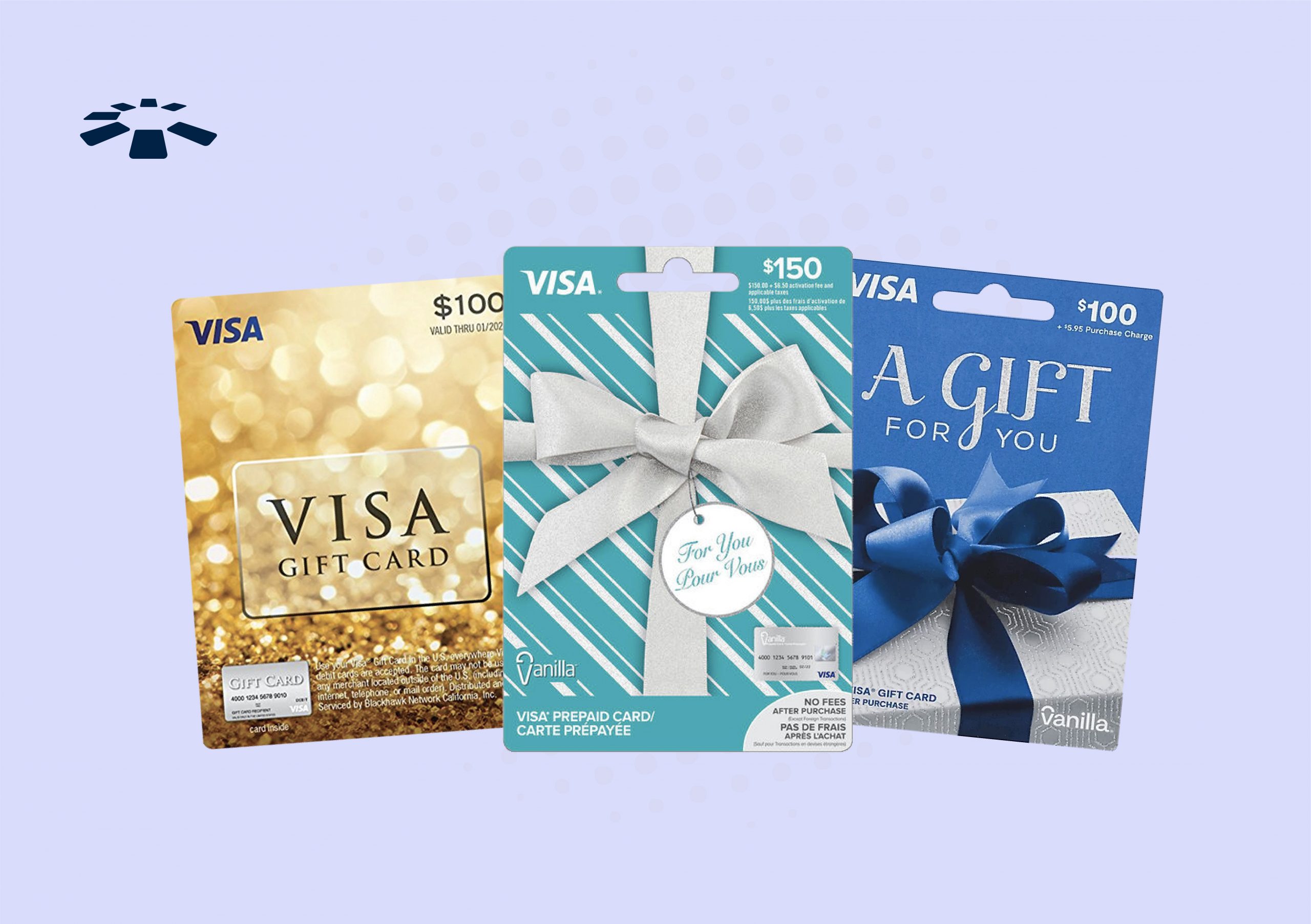
The choice between a physical and virtual card depends primarily on the intended use case. Physical cards are plastic or recycled paperboard cards equipped with a magnetic stripe or a chip. These are ideal for brick-and-mortar transactions and provide a tangible gift experience. They are typically sold at grocery stores, pharmacies, and big-box retailers.
In contrast, virtual Visa gift cards consist solely of digital data: a 16-digit card number, an expiration date, and a CVV code. These are delivered via email and are optimized for e-commerce. The primary advantage of the virtual format is immediacy; there is no shipping time, and the risk of physical theft is eliminated. For those managing a digital wallet, virtual cards can often be added to Apple Pay or Google Pay, bridging the gap between digital delivery and physical point-of-sale utility.
Fixed-Load vs. Variable-Load Cards
When purchasing a Visa gift card, you will encounter two loading structures. Fixed-load cards come in predetermined denominations, such as $25, $50, or $100. These are straightforward and often feature the amount clearly printed on the packaging.
Variable-load cards allow the purchaser to choose any amount within a specific range, typically between $20 and $500. These are particularly useful for those who want to give a specific, non-standard amount or for individuals using the card as a budgeting tool for a specific monthly expense, such as a streaming subscription or a grocery allowance.
Where to Buy: Navigating Retail and Online Channels
The accessibility of Visa gift cards is one of their greatest strengths. They are available across a vast network of physical and digital storefronts, each offering different levels of convenience and fee transparency.
Major Retailers and Pharmacies
For most consumers, the most convenient way to purchase a Visa gift card is through national retail chains. Grocery stores (such as Kroger, Publix, or Safeway), pharmacies (CVS, Walgreens), and convenience stores (7-Eleven) maintain extensive “Gift Card Malls.”
Buying in-person allows you to pay with cash, debit, or credit cards. However, financial-savvy consumers often use this as a strategy to maximize credit card rewards. For instance, if a credit card offers 5% cashback at grocery stores, purchasing a Visa gift card at a grocery store effectively allows the user to extend that 5% discount to other categories where they will eventually spend the gift card balance.
Financial Institutions
Many banks and credit unions issue Visa gift cards to their account holders. Purchasing through a bank can be advantageous because the activation fees are sometimes lower for members, and the cards may have higher security features. Some institutions allow you to personalize the card with the recipient’s name, making it feel more like a dedicated financial product than a generic retail purchase.
Online Marketplaces and Direct Issuers
Purchasing online through sites like GiftCardMall.com, GiftCards.com, or directly through issuer portals like Vanilla Visa is the most efficient way to acquire virtual cards. These platforms offer a wider variety of designs and the ability to schedule delivery for a future date. When buying online, it is crucial to ensure you are on an encrypted, legitimate site to avoid phishing scams.
Analyzing the Cost: Fees and Financial Nuances

While Visa gift cards offer immense utility, they are not free to acquire. Unlike “closed-loop” cards (like those for Starbucks or Amazon), which usually have no purchase fee, Visa gift cards require an activation fee to cover the costs of the payment network and the issuing bank.
Activation Fees
The activation fee is a one-time charge paid at the time of purchase. This fee typically scales based on the value of the card. For example, a $25 card might carry a $3.95 fee, while a $500 variable-load card might carry a $5.95 or $6.95 fee. From a financial perspective, the “cost of capital” is lower on higher-denomination cards. A $5.95 fee on a $500 card represents a 1.19% cost, whereas a $3.95 fee on a $25 card represents a 15.8% cost. Users should aim for higher denominations to minimize the relative impact of these fees.
Inactivity and Maintenance Fees
Under the federal CARD Act, gift card funds generally cannot expire for at least five years from the date of issuance. However, many issuers charge “inactivity fees” if the card is not used for a consecutive 12-month period. These fees, often around $2.95 to $4.95 per month, can quickly deplete a small remaining balance. When buying or receiving a Visa gift card, the most financially sound strategy is to utilize the full balance within the first year to avoid these predatory maintenance charges.
International Transaction Fees
It is important to note that many Visa gift cards sold in the United States are restricted to domestic use only. If a card does allow international transactions, it will often incur a currency conversion fee (typically 2% to 3%). Before purchasing a card for someone traveling abroad, check the packaging specifically for the “Valid only in the U.S.” disclaimer.
Security Protocols and Fraud Prevention
Because Visa gift cards are equivalent to cash once activated, they are frequent targets for fraudulent activity. Protecting your investment requires vigilance during the purchase process and throughout the card’s lifecycle.
Inspecting Physical Packaging
One of the most common scams involves “card draining.” Fraudsters will record the card numbers and security codes from cards on a retail rack and then wait for a customer to purchase and activate them. Once the card is activated at the register, the scammer quickly spends the balance online.
To prevent this, always inspect the packaging for signs of tampering. Ensure the silver scratch-off coating over the CVV is intact and that the cardboard sleeve has not been peeled back and re-glued. If a card looks suspicious, hand it to a store manager and select a card from the back of the rack or from behind the customer service counter.
Digital Security and Phishing
When buying virtual cards, ensure the URL is correct and look for the padlock icon in the browser address bar. Be wary of third-party “discounted” gift card sites. While some secondary markets are legitimate, others serve as fronts for money laundering or the sale of cards purchased with stolen credit cards. If a deal seems too good to be true—such as a $100 Visa gift card for $80—it is likely a scam.
Recovering Lost or Stolen Cards
If a Visa gift card is lost or stolen, it can sometimes be replaced, but only if the owner has registered the card on the issuer’s website. Most issuers require the original receipt and the 16-digit card number to issue a replacement. The replacement process usually involves a fee (often around $5.00), which is deducted from the remaining balance. Registering your card immediately after purchase is a critical step in securing the funds.
Strategic Use Cases for Financial Management
Beyond gifting, Visa gift cards serve as excellent instruments for personal financial discipline and privacy.
Budgeting for Variable Expenses
Individuals struggling with overspending in specific categories, such as dining out or entertainment, can use Visa gift cards to “envelope” their spending. By loading a set amount onto a card at the beginning of the month, the user creates a hard ceiling for that category. Once the card is empty, the spending must stop, providing a physical barrier that a traditional credit card does not offer.
Secure Online Shopping
For consumers concerned about data breaches or the security of a particular website, a Visa gift card provides an anonymous layer of protection. Because the card is not linked to your primary bank account or social security number, a compromised card number on a merchant’s server limits the potential loss to only the balance on that specific gift card.
Managing Small Remaining Balances
A common frustration with Visa gift cards is the “residual balance”—those last few dollars or cents that are difficult to spend. To maximize the card’s value, you can use the remaining balance to “reload” your Amazon account balance or use it at a grocery store that allows “split-tender” transactions (paying with the gift card first and then covering the remainder with another method).
By understanding the nuances of the Visa gift card market, consumers can move beyond the surface-level convenience and utilize these tools as robust components of their broader financial strategy. Whether for secure commerce, disciplined budgeting, or thoughtful gifting, the Visa gift card remains a cornerstone of the modern retail economy.
aViewFromTheCave is a participant in the Amazon Services LLC Associates Program, an affiliate advertising program designed to provide a means for sites to earn advertising fees by advertising and linking to Amazon.com. Amazon, the Amazon logo, AmazonSupply, and the AmazonSupply logo are trademarks of Amazon.com, Inc. or its affiliates. As an Amazon Associate we earn affiliate commissions from qualifying purchases.