
In the realm of personal finance, few decisions carry as much weight as the purchase of a vehicle. For the vast majority of consumers, a car is the second-largest purchase they will ever make, trailing only the acquisition of a home. However, unlike real estate, a vehicle is a rapidly depreciating asset. To navigate this reality, the savvy investor looks toward the used car market—a sector where the steepest part of the depreciation curve has already been absorbed by a previous owner. Buying a used car is not merely a logistical necessity; it is a strategic financial move that, when executed correctly, preserves capital and reduces long-term liabilities.
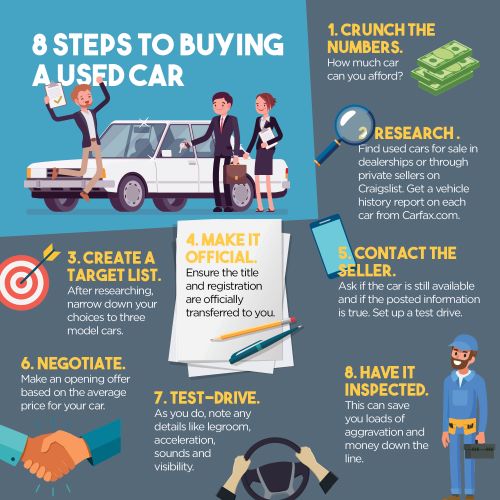
This guide outlines a comprehensive financial framework for acquiring a used vehicle, focusing on capital allocation, total cost of ownership (TCO), and the mathematics of negotiation.
1. Establishing a Robust Financial Strategy
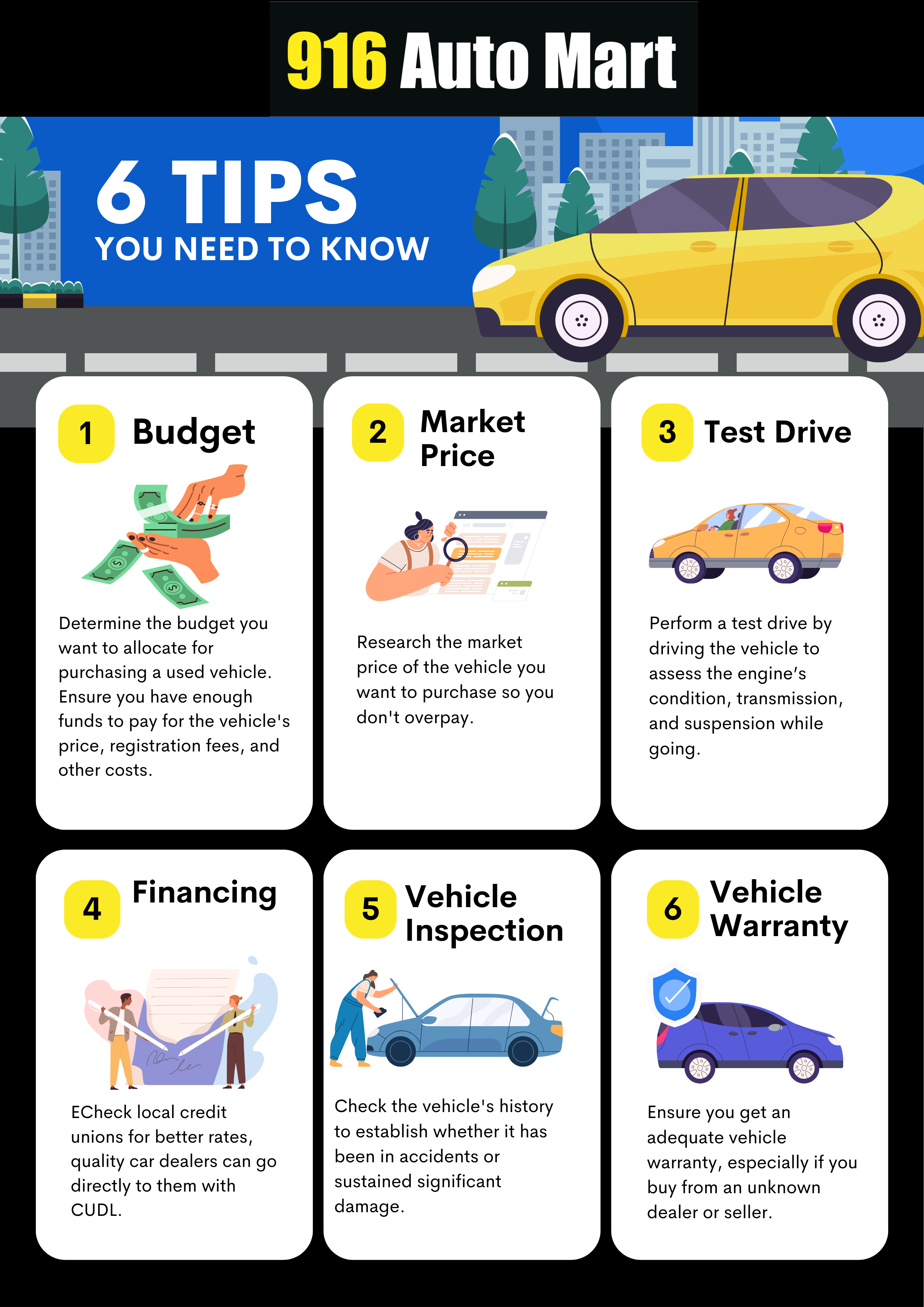
Before browsing listings or visiting a dealership, a buyer must establish a rigid financial boundary. In the world of personal finance, emotional decisions lead to “lifestyle creep,” where one spends more than is prudent simply because a monthly payment feels manageable. A professional approach requires looking past the monthly installment to the total capital outlay.
The 20/4/10 Rule of Car Financing
A standard benchmark in financial planning is the 20/4/10 rule. This dictates that a buyer should provide at least a 20% down payment, finance the vehicle for no more than four years (48 months), and ensure that the total monthly automotive expenses—including principal, interest, insurance, and fuel—do not exceed 10% of their gross monthly income. By adhering to this ratio, you ensure that the vehicle remains a utility rather than a financial burden that encroaches on your ability to invest in appreciating assets like stocks or retirement accounts.
Cash Purchases vs. Low-Interest Loans: An Opportunity Cost Analysis
The debate between paying cash and financing is fundamentally an analysis of opportunity cost. If you have the liquid capital to pay $20,000 for a car, you must ask: “What else could this money do for me?” If a credit union offers an auto loan at 5% interest, but your diversified investment portfolio is yielding a conservative 7% to 8% annually, it is mathematically advantageous to finance the car and keep your capital invested. However, in high-interest environments, the “guaranteed return” of avoiding 8% or 9% interest by paying cash often outweighs the potential gains of the market.
2. Navigating the Total Cost of Ownership (TCO)
The “sticker price” of a used car is a deceptive figure. From a business finance perspective, the purchase price is merely the entry cost. The true cost of the asset is realized over the duration of its lifespan. Understanding the Total Cost of Ownership (TCO) is what separates the average consumer from the financially literate buyer.
Understanding the Depreciation Curve
All cars lose value, but they do not do so at a linear rate. A new car typically loses 20% of its value in the first year and roughly 60% by the end of year five. The “sweet spot” for a used car purchase is often the three-to-five-year-old mark. At this stage, the original owner has paid for the most aggressive period of depreciation, yet the vehicle likely still possesses modern safety features and significant remaining mechanical life. By purchasing an asset that has already stabilized on the depreciation curve, you protect your net worth from the “drive-off-the-lot” equity hit.
Factoring in Sunk Costs: Insurance, Maintenance, and Fuel
When evaluating two different used vehicles, the cheaper one is not always the more economical choice. A luxury European sedan may have a lower purchase price than a reliable Japanese hybrid, but the financial model changes when you account for maintenance.
- Maintenance and Repairs: Budgeting for an “emergency car fund” is essential. Generally, setting aside $100 to $150 per month for future repairs ensures that a mechanical failure does not become a financial crisis.
- Insurance Premiums: Insurance companies calculate risk based on the vehicle’s safety ratings, parts availability, and theft rates. Before finalizing a purchase, obtain a quote for the specific VIN to ensure the premium doesn’t negate the savings found in the sale price.
- Fuel Efficiency: Over a five-year ownership period, a difference of 10 miles per gallon can result in thousands of dollars in added expense. This should be viewed as a recurring operational cost.
3. Strategic Sourcing and Market Valuation
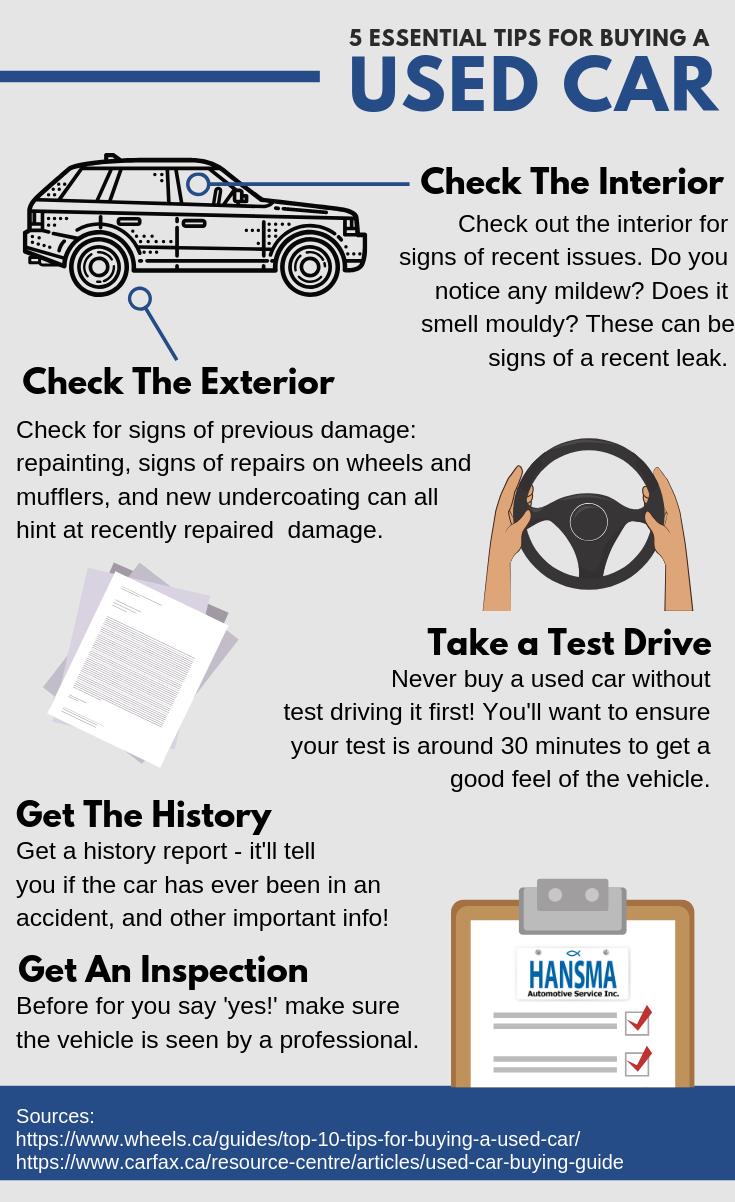
In finance, the profit is made at the “buy,” not the “sell.” Finding a vehicle at or below its intrinsic market value requires utilizing data-driven tools and understanding the different market segments.
Private Party vs. Certified Pre-Owned (CPO): Evaluating the Risk Premium
There are three primary avenues for buying a used car: franchise dealerships, independent lots, and private sellers.
- Certified Pre-Owned (CPO): These vehicles come with a manufacturer-backed warranty. From a financial standpoint, you are paying a “risk premium” (often $1,500 to $3,000) for peace of mind. For those without the mechanical knowledge to vet a car, this insurance can be a sound investment.
- Private Party: This is where the greatest value is found. Without the overhead of a dealership (staff, rent, marketing), private sellers often list cars closer to wholesale value. However, this requires more rigorous due diligence to mitigate the risk of purchasing a “lemon.”
Utilizing Financial Valuation Tools
In any negotiation, information is the primary currency. Tools such as Kelley Blue Book (KBB), Edmunds, and NADA Guides provide localized market data. A savvy buyer should look at the “Private Party Value” and the “Trade-In Value.” If a dealership is asking significantly more than the private party value, they must justify that spread through added value, such as new tires, detailed service records, or an extended warranty.
4. The Art of the Deal: Negotiation and Transaction Security
Once the right asset has been identified and the data has been gathered, the final stage is the execution of the transaction. This is where psychological discipline meets financial logic.
Leveraging the Pre-Purchase Inspection (PPI)
A Pre-Purchase Inspection is a $100 to $200 investment that can save thousands. From a financial perspective, the PPI is a negotiation tool. If the mechanic identifies $800 worth of looming brake work or a minor oil leak, that figure should be subtracted directly from the asking price. You are not “haggling”; you are adjusting the price based on the actual condition of the asset. If a seller refuses to allow an inspection, the risk profile of the investment becomes unacceptably high, and the correct financial move is to walk away.
Closing the Transaction and Tax Considerations
The final cost of the car includes “out-the-door” (OTD) pricing, which encompasses sales tax, registration fees, and documentation fees. Many buyers forget to factor in state sales tax, which can add significant weight to the total cost.
- Title and Liens: Ensure the title is “clear.” If a seller still owes money on the car, the transaction must be handled at the lienholder’s bank to ensure the debt is settled and the title is released to you. Buying a car with an unresolved lien is a high-risk financial move that can lead to the total loss of the asset.
- Documentation Fees: In dealership settings, “Doc Fees” are often pure profit. While some fees are non-negotiable by state law, others are “add-ons” like VIN etching or fabric protection. These should be viewed as unnecessary expenses and aggressively negotiated out of the final contract.
Conclusion: The Long-Term Financial Impact
Buying a used car is a masterclass in asset management. By rejecting the allure of a new car’s “new car smell”—which is essentially the scent of evaporating money—you position yourself for greater financial freedom. If you take the $400 a month you saved by buying used and invest it into a low-cost index fund, the compound interest over the life of the vehicle can often equal or exceed the original purchase price of the car itself.
Ultimately, a used car should be viewed as a tool to facilitate income generation or personal utility at the lowest possible cost per mile. By applying these financial principles—rigid budgeting, TCO analysis, and data-driven negotiation—you transform a routine purchase into a strategic victory for your net worth.
aViewFromTheCave is a participant in the Amazon Services LLC Associates Program, an affiliate advertising program designed to provide a means for sites to earn advertising fees by advertising and linking to Amazon.com. Amazon, the Amazon logo, AmazonSupply, and the AmazonSupply logo are trademarks of Amazon.com, Inc. or its affiliates. As an Amazon Associate we earn affiliate commissions from qualifying purchases.