
Investing in the stock market can be one of the most powerful avenues for wealth creation and financial independence. For many, the prospect of buying shares seems complex, shrouded in jargon and perceived high barriers to entry. However, with the right knowledge and a methodical approach, anyone can learn to navigate the stock market and start building their investment portfolio. This comprehensive guide will demystify the process, providing a clear roadmap from understanding the basics to executing your first purchase and managing your investments over time.
Successfully buying stock shares isn’t merely about picking a company; it’s about understanding your financial goals, assessing risks, choosing the right tools, and committing to a long-term strategy. Whether you’re aiming to save for retirement, accumulate wealth, or simply put your money to work, the journey into stock market investing begins with an informed first step.
Understanding the Basics of Stock Investing
Before diving into the mechanics of purchasing, it’s crucial to grasp what stocks are, why people invest in them, and the inherent risks involved. A solid foundation prevents common pitfalls and sets you on a path of informed decision-making.
What Exactly Are Stock Shares?
At its core, a stock share represents a fractional ownership in a company. When you buy a share, you become a part-owner, an equity holder, in that business. This ownership comes with certain rights, such as the potential to vote on company matters (for common stocks) and the right to a portion of the company’s profits if distributed as dividends. Companies issue stocks to raise capital for growth, expansion, or to fund operations. As an owner, your investment’s value typically fluctuates with the company’s performance and market perception. If the company performs well and investors are optimistic about its future, the stock price generally rises, and vice-versa.
Why Invest in Stocks?
The primary allure of stock investing lies in its potential for significant long-term growth. Historically, stocks have outperformed most other asset classes, including bonds and savings accounts, making them a powerful tool for beating inflation and building substantial wealth over decades. This growth can come from two main avenues: capital appreciation (the increase in the stock’s price) and dividends (regular payments from the company’s profits). Investing in stocks allows you to participate in the success of innovative companies and benefit from economic growth, providing a path to financial independence and achieving long-term financial goals like retirement, purchasing a home, or funding education.
Key Risks to Consider
While the rewards can be substantial, stock investing is not without risk. It’s vital to understand these risks to make prudent decisions. The most common risk is market volatility, where stock prices can fluctuate dramatically over short periods due to economic news, geopolitical events, or shifts in investor sentiment. There’s also company-specific risk, where a single company’s stock might underperform or even go bankrupt due to poor management, competition, or industry disruption. This can lead to a loss of your invested principal. Additionally, liquidity risk exists for less popular stocks, making it harder to sell them quickly without affecting the price. Acknowledging these risks underscores the importance of diversification and a long-term perspective.
Preparing for Your First Stock Purchase
Successful investing requires preparation. Before you even think about which company to buy, you need to define your personal financial landscape and establish a clear strategy. This foundational work will guide your choices and temper emotional reactions to market fluctuations.
Define Your Investment Goals
What are you trying to achieve with your investments? Are you saving for retirement 30 years from now, a down payment on a house in five years, or building a general wealth fund? Your goals will dictate your investment horizon, risk tolerance, and asset allocation strategy. Short-term goals might lean towards less volatile investments, while long-term goals can accommodate higher-risk, higher-reward strategies. Clearly defining these goals provides a compass for your investment journey.
Assess Your Risk Tolerance
How comfortable are you with the idea of your investment’s value fluctuating, potentially even dropping significantly, in pursuit of higher returns? Your risk tolerance is a crucial factor. Are you an aggressive investor willing to take on significant risk for potentially large gains, a conservative investor prioritizing capital preservation, or somewhere in the middle? Understanding your comfort level with risk will help you choose appropriate investments and prevent panic selling during market downturns. It’s also important that your risk tolerance aligns with your investment goals.
Research and Due Diligence
Investing without research is akin to gambling. Thorough due diligence is paramount. This involves researching specific companies you might be interested in, understanding their business model, financial health (revenue, profits, debt), competitive landscape, and growth prospects. Look at their annual reports (10-K), quarterly reports (10-Q), and investor presentations. Beyond individual companies, understand the sectors they operate in and broader economic trends. Resources like financial news websites, investment research platforms, and company investor relations pages are invaluable. The goal is to invest in businesses you understand and believe have a strong future.
Determine Your Investment Budget
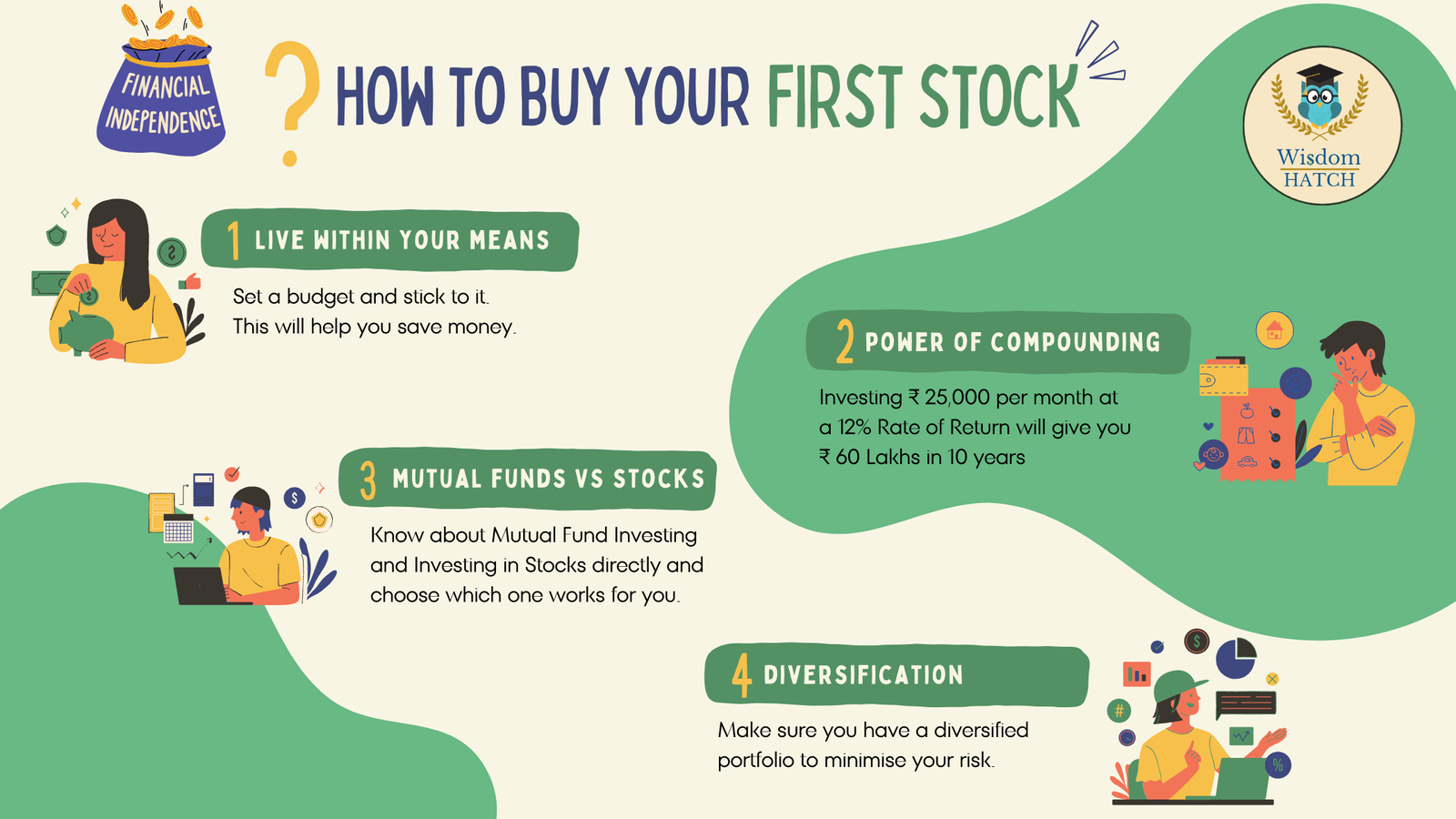
Before investing, ensure your personal finances are in order. This means having an emergency fund (3-6 months of living expenses) set aside in a liquid, easily accessible account. Only invest money you don’t need in the short term. Once that’s covered, determine how much you can comfortably invest, both initially and on an ongoing basis. Many investors find success by investing a fixed amount regularly, a strategy known as dollar-cost averaging, which mitigates the risk of buying all your shares at a market peak.
Choosing a Brokerage Account
To buy stock shares, you’ll need a brokerage account. This is a specialized account designed for holding investments like stocks, bonds, and mutual funds. Choosing the right brokerage is a critical step that impacts your trading experience, costs, and access to resources.
Types of Brokerage Accounts
There are generally two main types of brokerage accounts:
- Full-Service Brokers: These offer a wide range of services, including personalized financial advice, wealth management, tax planning, and research. They are ideal for investors who prefer a hands-on approach from a professional but typically charge higher fees, often as a percentage of assets under management or through commissions.
- Discount Brokers: These cater to self-directed investors, providing platforms for executing trades at much lower costs, often commission-free for stock and ETF trades. They offer online access, research tools, and educational resources, but typically less personalized advice. Many modern online brokers fall into this category.
- Robo-Advisors: A hybrid option, robo-advisors use algorithms to manage diversified portfolios based on your goals and risk tolerance. They offer low fees and automated rebalancing, suitable for those who prefer a hands-off, automated approach without the personalized advice of a human advisor.
Key Factors When Selecting a Broker

When choosing a brokerage, consider several factors to find the best fit for your needs:
- Fees and Commissions: Look for transparent fee structures. Many brokers offer commission-free stock and ETF trading, but check for other charges like inactivity fees, withdrawal fees, or fees for specific services.
- Platform and Tools: Evaluate the user-friendliness of their trading platform (web, desktop, mobile app). Do they offer robust research tools, real-time data, charting capabilities, and educational materials?
- Investment Options: Ensure the broker offers access to the types of investments you plan to buy (e.g., individual stocks, ETFs, mutual funds, international stocks).
- Customer Service: Good customer support is crucial, especially for beginners. Check their availability (phone, chat, email) and responsiveness.
- Minimum Deposit: Some brokers require a minimum deposit to open an account, while others have no minimum, making them more accessible for new investors.
Opening and Funding Your Account
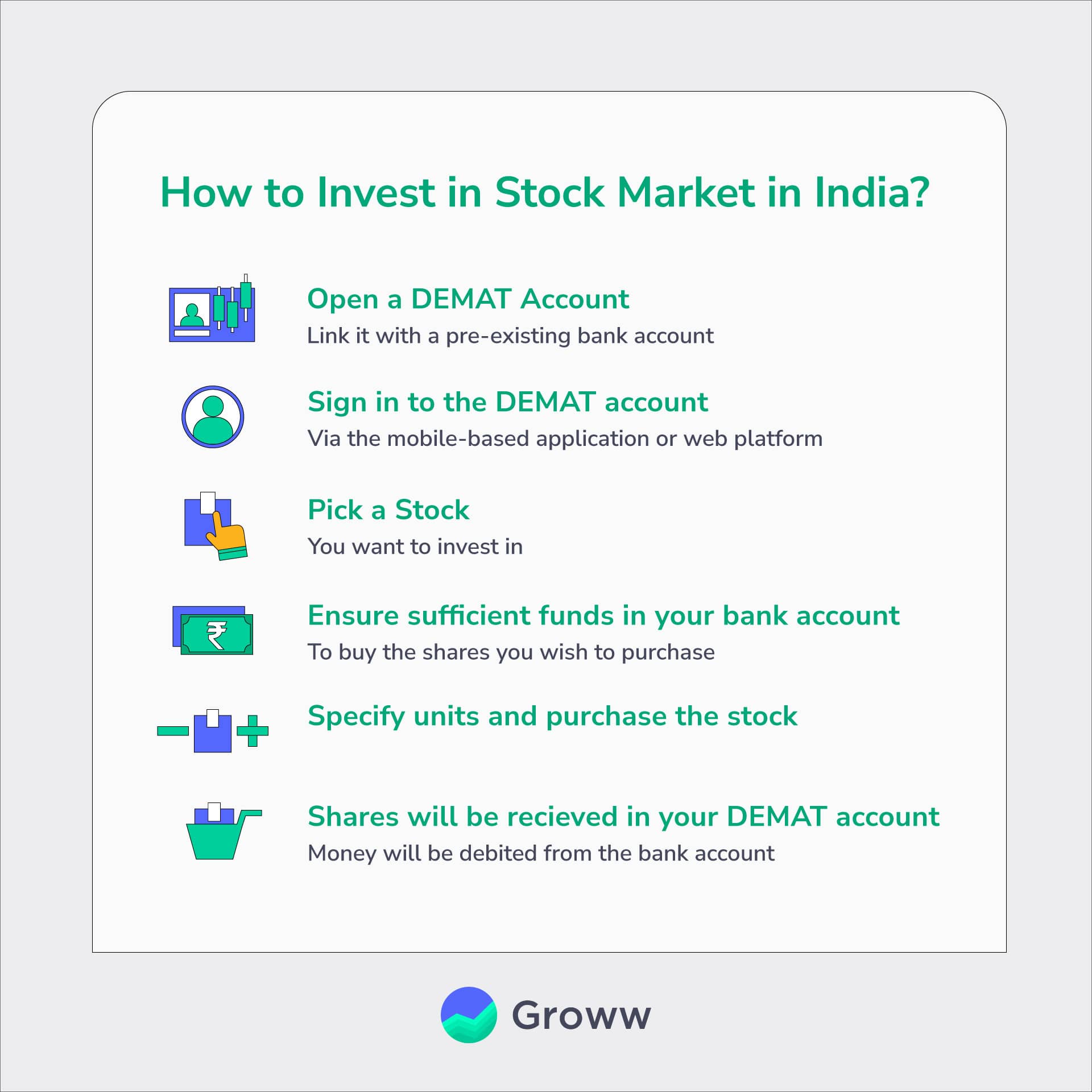
Once you’ve selected a broker, opening an account is similar to opening a bank account. You’ll typically need to provide personal information such as your name, address, Social Security number, and employment details for identity verification (Know Your Customer or KYC requirements). After your account is approved, you’ll need to fund it. This can usually be done via an electronic transfer (ACH) from your bank account, a wire transfer, or by mailing a check. The funds usually become available for trading within a few business days.
Executing Your Stock Purchase
With your brokerage account set up and funded, you’re ready to make your first stock purchase. This step involves understanding different order types and navigating your broker’s trading platform.
Understanding Order Types
When buying stocks, you’ll typically encounter a few common order types:
- Market Order: This is the simplest and most common. A market order instructs your broker to buy (or sell) shares immediately at the best available current market price. While it guarantees execution, it doesn’t guarantee a specific price, which can be a concern in fast-moving markets.
- Limit Order: A limit order allows you to set a maximum price you’re willing to pay per share. Your order will only be executed if the stock’s price falls to or below your specified limit. This gives you more control over the price but doesn’t guarantee execution if the stock never reaches your desired price.
- Stop Order (or Stop-Loss Order): Primarily used for selling, a stop order becomes a market order once the stock price reaches a specific “stop price.” While it can limit potential losses, it can also execute at an undesirable price if the market is volatile.
For beginners, a limit order is often recommended for buying, as it protects you from unexpected price jumps during volatile periods, ensuring you pay no more than your desired price.
Navigating the Trading Platform
Your brokerage’s online platform or mobile app will be your interface for buying and selling stocks. Most platforms are designed to be intuitive:
- Search for the Stock: Use the company name or its stock ticker symbol (e.g., “AAPL” for Apple, “MSFT” for Microsoft) in the search bar.
- View Stock Details: The platform will display the current price, historical charts, financial news, and often research reports.
- Place an Order: Click on the “Buy” button. You’ll then specify the number of shares you wish to purchase or the dollar amount if your broker offers fractional shares.
- Select Order Type: Choose between a market order or a limit order. If using a limit order, enter your desired maximum price.
- Review and Confirm: Double-check all the details of your order before confirming. Once confirmed, the order is sent to the market for execution. You’ll receive a confirmation once the trade is complete.
Fractional Shares vs. Whole Shares
Traditionally, you had to buy whole shares of a stock. However, many brokers now offer fractional shares. This means you can invest a specific dollar amount (e.g., $100) into a stock, even if that amount isn’t enough to buy a whole share. For example, if a stock costs $500 per share, you could buy 0.2 shares with $100. Fractional shares lower the barrier to entry for expensive stocks and allow for easier diversification with smaller investment amounts, making it ideal for new investors.
Diversification as You Buy
A critical principle to adopt from your very first purchase is diversification. Do not put all your investment capital into a single stock, no matter how promising it seems. Diversification means spreading your investments across different companies, industries, and even asset classes to reduce risk. If one company or sector performs poorly, the impact on your overall portfolio is mitigated by the performance of others. Starting with exchange-traded funds (ETFs) or mutual funds, which hold a basket of many stocks, can be an excellent way for beginners to achieve instant diversification.
Managing Your Investment and Beyond
Buying stock shares is not a one-time event; it’s the beginning of an ongoing journey. Effective portfolio management, continuous learning, and a long-term mindset are crucial for sustained success.
Monitoring Your Portfolio
Regularly reviewing your investment portfolio is important, but this doesn’t mean obsessively checking prices daily. Instead, schedule periodic reviews (e.g., quarterly or semi-annually) to assess the performance of your holdings, ensure they still align with your financial goals, and check for any significant changes in the companies you own or the broader market. Over-monitoring can lead to emotional decisions, whereas a disciplined, periodic review fosters a more rational approach.
Rebalancing and Adjustments
Over time, the weight of different investments in your portfolio may shift due to varying performance. Rebalancing involves adjusting your portfolio back to your target asset allocation. For example, if stocks have performed exceptionally well, you might sell some stock shares and reallocate to other assets to maintain your desired risk level. Conversely, if an investment has underperformed but you still believe in its long-term potential, you might consider buying more. These adjustments ensure your portfolio remains aligned with your risk tolerance and goals.
Understanding Dividends and Splits
As a shareholder, you might receive dividends, which are distributions of a company’s earnings to its shareholders. These can be a valuable source of passive income, and many investors reinvest them to compound their returns. Stock splits, on the other hand, occur when a company increases the number of its outstanding shares by dividing existing shares, without changing the total value of your holding. For example, in a 2-for-1 split, you would get two shares for every one you owned, but each new share would be worth half the price of the original. These are important aspects of stock ownership to be aware of.
Tax Implications of Stock Trading
Investing in stocks has tax implications that vary by jurisdiction. In many regions, profits from selling stocks are subject to capital gains tax. The tax rate often depends on how long you held the stock (short-term vs. long-term capital gains). Dividends are also typically taxable. It’s crucial to understand these rules and keep accurate records of your purchases and sales for tax reporting purposes. Consulting with a tax advisor can help you navigate these complexities and optimize your investment strategy from a tax perspective.
Continuous Learning and Long-Term Perspective
The world of finance is dynamic, constantly evolving with new economic trends, technological advancements, and market dynamics. Successful investors commit to continuous learning, staying informed about global events, economic indicators, and investment strategies. Crucially, adopt a long-term perspective. Short-term market fluctuations are normal. Attempting to time the market is notoriously difficult and often leads to suboptimal results. Focus on the long-term growth potential of your investments, ride out the inevitable ups and downs, and let the power of compounding work its magic.
Buying stock shares can seem daunting at first, but by systematically learning the basics, preparing thoroughly, choosing the right tools, and committing to ongoing management, you can confidently enter the world of investing. Remember that patience, discipline, and a focus on long-term goals are your greatest allies in building enduring wealth.
aViewFromTheCave is a participant in the Amazon Services LLC Associates Program, an affiliate advertising program designed to provide a means for sites to earn advertising fees by advertising and linking to Amazon.com. Amazon, the Amazon logo, AmazonSupply, and the AmazonSupply logo are trademarks of Amazon.com, Inc. or its affiliates. As an Amazon Associate we earn affiliate commissions from qualifying purchases.