
Investing in the stock market, once an exclusive domain of financial institutions and wealthy individuals, has been dramatically democratized by platforms like Robinhood. With its commission-free trading model and intuitive mobile application, Robinhood has opened the doors to millions of new investors, making the process of buying stock accessible to virtually anyone with a smartphone. This guide delves into the specifics of how to navigate Robinhood to build your investment portfolio, offering insights into account setup, trading mechanics, and crucial financial considerations to ensure a sound investment journey.
Understanding Robinhood and Its Appeal for Investors
Robinhood burst onto the financial scene with a disruptive vision: to “democratize finance for all.” Launched in 2013, it quickly distinguished itself by eliminating commission fees on stock, ETF, and options trades, a move that sent ripples through the traditional brokerage industry. This singular focus on cost-efficiency, combined with a sleek, user-friendly interface, has made it a go-to platform, particularly for a new generation of investors eager to take control of their financial futures.
What Makes Robinhood Stand Out?
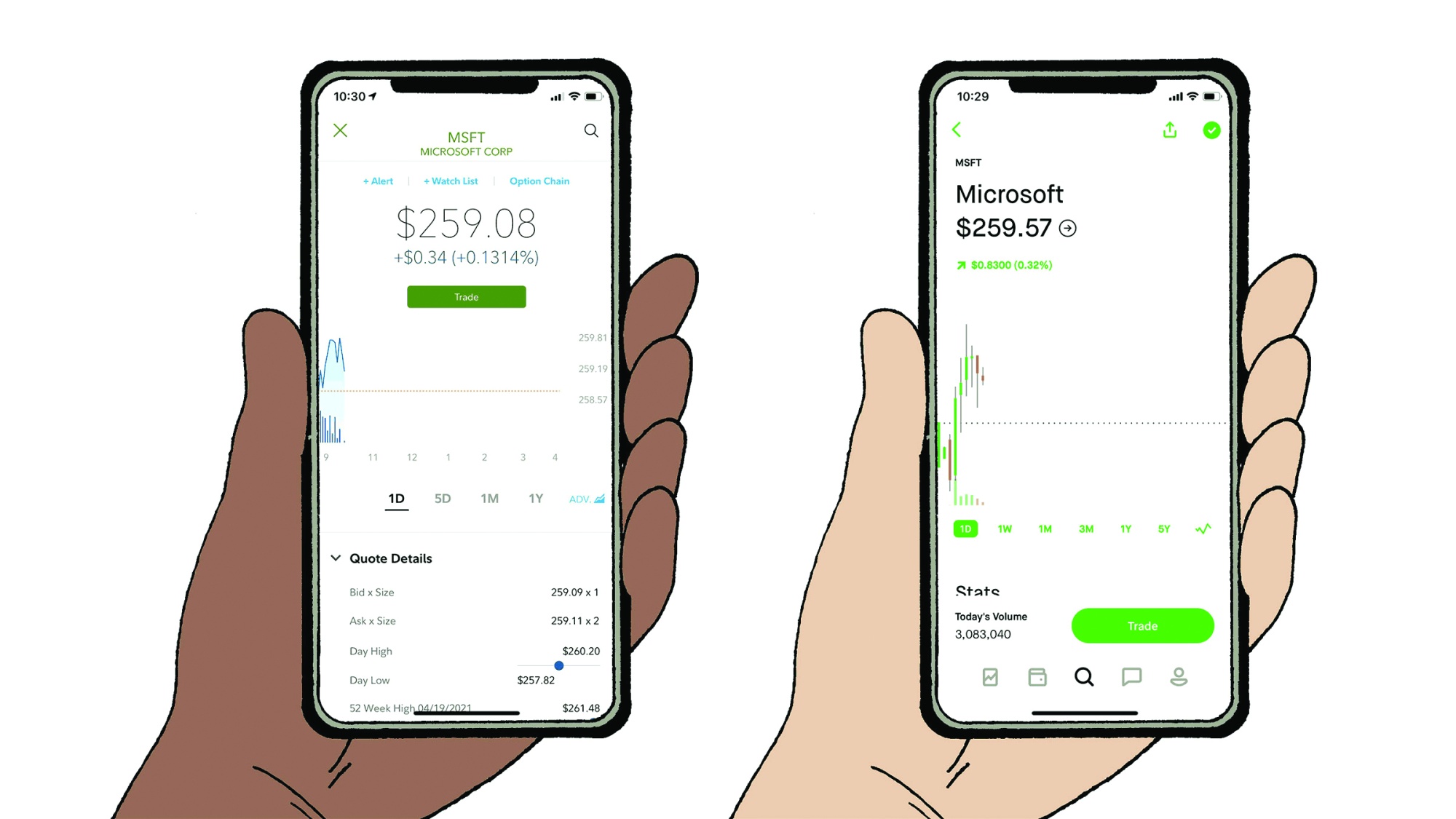
At its core, Robinhood’s appeal lies in its simplicity and accessibility. Traditional brokerages often had complex fee structures and intimidating trading platforms. Robinhood stripped away these barriers, offering a streamlined experience that felt more akin to a social media app than a financial trading terminal. This design choice was deliberate, aimed at lowering the psychological hurdle for first-time investors.
The platform’s groundbreaking decision to offer commission-free trading fundamentally altered the investment landscape. Before Robinhood, even small trades could incur fees, eating into returns, especially for investors with limited capital. By eliminating these costs, Robinhood made it viable for individuals to invest smaller amounts, even just a few dollars, without worrying about transaction fees eroding their principal.
Why Choose Robinhood for Your Investment Journey?
For many, Robinhood represents an ideal entry point into the world of investing. Its primary advantages include:
- Commission-Free Trading: As mentioned, this is the cornerstone of Robinhood’s offering, allowing investors to buy and sell stocks, ETFs, and options without incurring per-trade fees. This significantly reduces the cost barrier to entry.
- User-Friendly Interface: The mobile-first design is incredibly intuitive, making it easy to navigate, discover stocks, and execute trades, even for those with no prior investment experience. The web platform also mirrors this simplicity.
- Fractional Shares: This feature is a game-changer for new investors. It allows you to buy a portion of a share rather than the whole thing. For instance, if a company’s stock trades at $1,000 per share, you can invest just $100 and own 0.1 of a share. This makes expensive stocks accessible and enables greater diversification with smaller amounts of capital.
- Instant Deposits: Robinhood often provides instant access to a portion of your deposited funds, meaning you don’t have to wait days for your money to clear before you can start trading.
- Educational Resources: While not as extensive as some traditional brokerages, Robinhood does offer basic educational content, news feeds, and analyst ratings within the app to help users make informed decisions.
These features collectively position Robinhood as an attractive option for beginners and active traders alike who value simplicity, low costs, and immediate access to the markets.
Getting Started: Setting Up Your Robinhood Account
Embarking on your investment journey with Robinhood begins with establishing an account. The process is designed to be straightforward, typically taking only a few minutes to complete the initial setup, although verification and funding can take a little longer. It’s a crucial first step that lays the foundation for all your future trading activities.
Eligibility and Initial Sign-Up Requirements
Before you can open a Robinhood account, you’ll need to meet specific eligibility criteria. Generally, you must be:
- 18 years or older.
- A U.S. citizen, U.S. permanent resident, or have a valid U.S. visa.
- Have a valid Social Security Number (SSN).
- Have a legal U.S. residential address.
The sign-up process typically involves downloading the Robinhood app from the App Store or Google Play, or visiting their website. You’ll be prompted to create an account using your email address and a strong password. Following this, you’ll provide personal information such as your full legal name, date of birth, and phone number.
The Account Opening and Verification Process
To comply with federal regulations, particularly the “Know Your Customer” (KYC) rules designed to prevent financial crime, Robinhood requires you to provide additional details for verification. This typically includes:
- Your Social Security Number (SSN): This is essential for tax reporting purposes and identity verification.
- Your current residential address: This confirms your eligibility and helps prevent fraud.
- Employment information: Details about your employer and occupation.
- Financial information: Questions about your annual income, net worth, and investment experience. This helps Robinhood assess your suitability for certain investment products and understand your risk tolerance.
Robinhood will then review your application. In most cases, verification happens quickly, often within minutes. However, sometimes additional documentation, such as a photo of your government-issued ID (driver’s license or passport), might be requested if there are issues verifying your identity automatically. Once verified, your account will be officially opened, and you’ll receive a confirmation.
Funding Your Account and Preparing to Trade
With your account established, the next critical step is to fund it. You cannot buy stocks without depositing money into your Robinhood brokerage account.
- Linking Your Bank Account: The most common method for funding is linking your bank account. Robinhood uses a secure third-party service to connect to thousands of U.S. banks. You’ll typically be asked to log in to your online banking portal through Robinhood’s secure interface or manually enter your bank’s routing and account numbers.
- Making a Deposit: Once linked, you can initiate a deposit. Enter the amount you wish to transfer. Robinhood offers “instant deposits,” which provide immediate access to a portion of your funds (typically up to $1,000 for standard accounts, more for Robinhood Gold subscribers) even before the full transfer from your bank clears. This allows you to start trading almost immediately, rather than waiting several business days for the Electronic Funds Transfer (EFT) to complete.
- Other Funding Methods: While bank transfers are primary, Robinhood also supports direct deposits from paychecks and transfers from other brokerage accounts (ACATS transfer), though these processes are generally less common for initial funding for beginners.
Once your account is funded and the cash is available for trading, you are ready to explore the market and place your first buy order.
Navigating the Robinhood Platform to Place Trades
With your account set up and funded, the real excitement begins: exploring the market and making your first investment. Robinhood’s platform is designed to make this process intuitive, guiding you from discovering potential investments to executing your trade with just a few taps.
Searching for Stocks and Understanding Key Information
The first step in buying stock is identifying what you want to invest in. Robinhood makes this easy:
- Using the Search Bar: At the bottom of the app (or top right on the web), you’ll find a search icon. Tapping this opens a search bar where you can type in the company’s name (e.g., “Apple”) or its stock ticker symbol (e.g., “AAPL”).
- Discovering Opportunities: Robinhood also offers curated lists and categories to help you discover new investment ideas, such as “Top 100 Most Popular,” “Technology Stocks,” or “Green Energy.”
- Stock Information Page: Once you select a stock, you’ll land on its dedicated information page. This page provides a wealth of data crucial for making an informed decision:
- Current Price: The real-time trading price of the stock.
- Historical Performance: Interactive charts showing the stock’s performance over various timeframes (day, week, month, year, all-time).
- Market Cap: The total value of all outstanding shares, indicating the company’s size.
- Analyst Ratings: Summaries of what financial analysts recommend (Buy, Hold, Sell).
- News: Recent headlines related to the company.
- Key Statistics: Information like dividend yield, P/E ratio, and 52-week high/low.
It’s crucial to spend time reviewing this information, along with external research, before making any investment decisions.
Choosing Your Order Type: Market, Limit, and Stop Orders
When you decide to buy a stock, Robinhood offers different order types, each serving a specific purpose:
- Market Order: This is the simplest and most common order type. A market order instructs Robinhood to buy the stock immediately at the best available current market price. While it ensures your order is executed quickly, the exact price you pay might fluctuate slightly, especially in volatile markets, as the price can change between the time you place the order and when it’s filled.
- Limit Order: A limit order gives you more control over the price. You specify the maximum price you’re willing to pay per share. If the stock’s market price is at or below your specified limit price, the order will execute. If the price never drops to your limit, the order won’t be filled. This is useful if you have a target entry price and are willing to wait.
- Stop Order (Stop-Loss/Stop-Limit): While primarily used for selling, understanding stop orders is beneficial. A stop-loss order becomes a market order once the stock price hits a specified “stop price,” helping to limit potential losses. A stop-limit order combines features, becoming a limit order once the stop price is hit. For buying, less common but still exists as a stop-buy for complex strategies.
For beginners, a market order is often sufficient, especially for highly liquid stocks. As you gain experience, exploring limit orders can help refine your entry points.
Buying Fractional vs. Whole Shares and Placing Your Order
Once you’ve chosen your stock and understood the order types, you’ll need to decide how much to invest.
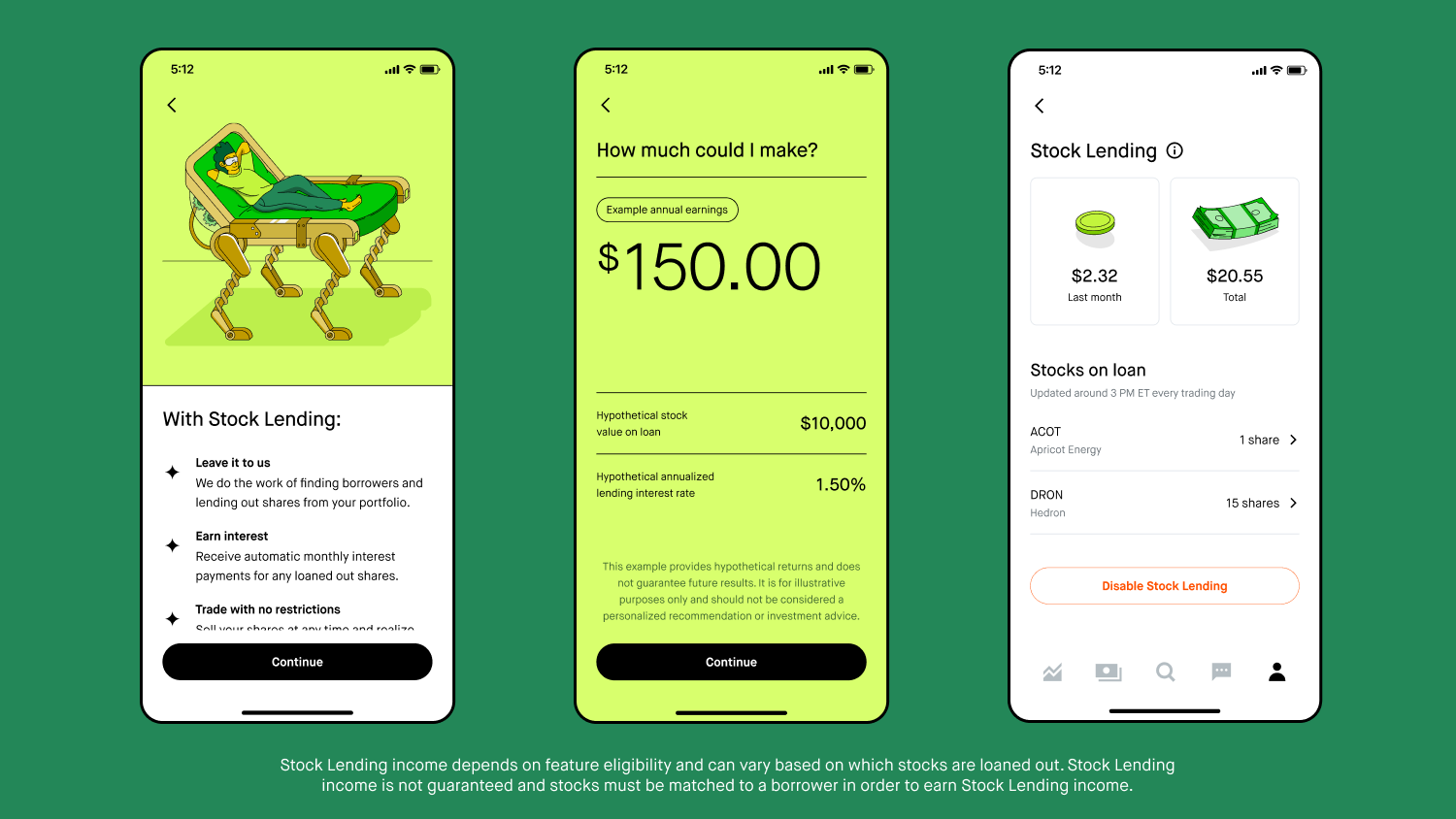
- Fractional Shares: Robinhood’s fractional shares feature allows you to invest a specific dollar amount rather than buying a fixed number of whole shares. For example, you can choose to invest $50 in Amazon stock, even if one share costs thousands. This is excellent for diversification and for investing small amounts regularly.
- Whole Shares: Alternatively, you can specify the exact number of whole shares you wish to purchase. This is often preferred when you have a larger budget or a specific portfolio allocation in mind.
To place a buy order:
- Navigate to the stock’s page.
- Tap the “Trade” button (or “Buy” if directly available).
- Select “Buy.”
- Choose your order type (Market, Limit, etc.). For a market order, you’ll typically input either a dollar amount (for fractional shares) or the number of shares.
- Review your order details: Double-check the stock, the amount, and the estimated cost.
- Swipe up to submit your order.
Your order will then be processed. If it’s a market order during market hours, it should execute almost instantly. You’ll receive a confirmation once the trade is complete, and the purchased stock will appear in your portfolio. Congratulations, you’ve just bought stock in Robinhood!
Beyond Basic Buying: Essential Investment Considerations on Robinhood
Buying your first stock on Robinhood is an exciting milestone, but successful investing requires more than just knowing how to click the “buy” button. A truly insightful approach involves understanding broader market principles, managing risk, and aligning your trades with your long-term financial goals.
The Importance of Diversification
One of the most fundamental principles in investing is diversification. Putting all your investment capital into a single stock, or even a handful of stocks within the same industry, exposes you to significant risk. If that one company or sector performs poorly, your entire portfolio could suffer substantial losses.
- Spread Your Investments: Diversification means spreading your investments across various companies, industries, and asset classes to reduce overall risk. Robinhood makes this easier with fractional shares, allowing you to buy small pieces of many different companies, even with a modest budget.
- Consider ETFs: Exchange-Traded Funds (ETFs) are an excellent tool for instant diversification. An ETF is a collection of various stocks, bonds, or other assets that trade like a single stock. For example, an S&P 500 ETF allows you to invest in 500 of the largest U.S. companies with one purchase. Robinhood offers a wide range of commission-free ETFs.
- Asset Allocation: Beyond stocks, consider other asset classes like bonds (though not directly available on Robinhood, you can buy bond ETFs) or real estate (via REITs). This broadens your exposure and can cushion your portfolio during market downturns that might hit stocks particularly hard.
Understanding Risk and Volatility
The stock market is inherently volatile, and understanding risk is paramount. The value of your investments can go up, but it can also go down, sometimes significantly.
- Market Fluctuations: Stock prices are influenced by countless factors, including company performance, economic news, geopolitical events, and even investor sentiment. These factors can cause rapid and unpredictable price swings.
- “Meme Stocks” and High Volatility: The rise of platforms like Robinhood has sometimes been associated with increased interest in highly volatile “meme stocks,” which can experience extreme price movements based on social media trends rather than fundamental analysis. While these can offer spectacular gains, they also carry equally spectacular risks of rapid losses.
- Risk Tolerance: Before investing, honestly assess your own risk tolerance. How much fluctuation can you emotionally and financially withstand? This self-assessment should guide your investment choices. Younger investors with a longer time horizon might tolerate more risk, while those nearing retirement might prefer more conservative investments.
Never invest money you cannot afford to lose, especially in volatile assets.
Long-Term vs. Short-Term Investing Strategies
Your investment horizon — the length of time you plan to hold your investments — heavily influences your strategy.
- Long-Term Investing (Buy and Hold): This strategy involves buying quality stocks or ETFs with the intention of holding them for many years, often decades. The goal is to benefit from compounding returns and the long-term growth of the economy and specific companies. This approach typically involves less frequent trading, lower stress, and historically has proven to be a robust strategy for wealth accumulation. It also helps to smooth out short-term market volatility.
- Short-Term Trading (Day Trading/Swing Trading): This strategy involves buying and selling stocks within a short period (minutes, hours, or days) to profit from small price movements. While potentially lucrative, short-term trading is significantly riskier, more time-consuming, and requires deep market knowledge, technical analysis skills, and strong emotional discipline. It’s generally not recommended for beginners. Robinhood, with its instant deposits and commission-free trading, can facilitate short-term trading, but new investors should approach it with extreme caution and awareness of the “pattern day trader” rule and its implications.
For most individual investors, especially beginners, a long-term, diversified strategy is the most prudent path to financial growth.
Utilizing Research Tools and Financial Literacy
While Robinhood offers some basic news and analyst ratings, successful investing demands continuous learning and independent research.
- Beyond Robinhood: Don’t rely solely on the information provided within the app. Explore reputable financial news sources (e.g., Wall Street Journal, Bloomberg, Reuters), company investor relations websites, SEC filings (like 10-K and 10-Q reports), and independent financial analysis sites.
- Fundamental Analysis: Learn to evaluate a company’s financial health, management, competitive landscape, and growth prospects.
- Technical Analysis: If you lean towards shorter-term trading, understand charting, indicators, and price patterns, though this is a more advanced skill.
- Continuous Education: The financial world is constantly evolving. Stay informed about economic trends, sector developments, and new investment products. Books, online courses, and financial podcasts can be invaluable resources.
Empowering yourself with knowledge is your best defense against market pitfalls and your most potent tool for making informed investment decisions.
Maximizing Your Investment Journey with Robinhood
Robinhood offers more than just basic stock buying; it provides additional features and avenues to deepen your investment strategy and expand your portfolio. Understanding these options, while maintaining a focus on sound financial principles, can help you maximize your journey.
Exploring Robinhood Gold and Its Advanced Features
Robinhood Gold is a premium subscription service designed for investors seeking more advanced tools and greater flexibility. It costs a monthly fee and offers several benefits:
- Larger Instant Deposits: Gold subscribers typically receive significantly larger instant deposits (up to $50,000 for some tiers), providing quicker access to more funds for trading. This can be beneficial for those who trade more frequently or with larger capital.
- Margin Investing: One of the most significant features of Gold is access to margin investing. This allows you to borrow money from Robinhood using your existing investments as collateral to buy more securities. While margin can amplify returns, it also significantly amplifies losses. If your investments decline, you could receive a “margin call,” requiring you to deposit more money or sell assets to cover the borrowed funds. It’s a powerful tool but comes with substantial risk and is generally not recommended for novice investors.
- Professional Research: Robinhood Gold provides access to professional research reports from Morningstar and Level II market data, offering deeper insights into company fundamentals and real-time order book information. This can be valuable for more serious investors seeking an edge.
For most beginners, starting with a standard Robinhood account is sufficient. Consider Gold only after gaining experience and fully understanding the implications of its advanced features, especially margin trading.
Expanding Your Portfolio: ETFs, Options, and Crypto
While this guide focuses on buying stocks, Robinhood allows you to diversify your portfolio further by investing in other asset classes:
- ETFs (Exchange-Traded Funds): As mentioned earlier, ETFs are excellent for diversification. Robinhood offers a vast selection of commission-free ETFs that track various indices (like the S&P 500), sectors (tech, healthcare), commodities, or even international markets. Investing in ETFs can give you broad market exposure without the need to research individual companies extensively.
- Options Trading: Options are complex financial derivatives that give you the right, but not the obligation, to buy or sell an underlying asset at a specified price before a certain date. Options trading is highly speculative and carries significant risk. It requires a deep understanding of market dynamics, hedging strategies, and risk management. Robinhood offers options trading, but it’s crucial to educate yourself thoroughly and ideally gain substantial experience with stocks before venturing into options. You’ll need to apply and be approved for options trading, demonstrating a certain level of financial understanding and risk tolerance.
- Cryptocurrency: Robinhood also provides a platform for buying and selling cryptocurrencies like Bitcoin, Ethereum, and Dogecoin. The crypto market is known for its extreme volatility and is still relatively new and unregulated compared to traditional stock markets. While it offers potential for high returns, it also comes with very high risk. Treat crypto investments with caution and only invest what you are comfortable losing.
For a well-rounded financial strategy, it’s often advisable to consider these other asset classes, but always proceed with caution, research, and an understanding of the inherent risks.
Implementing Automated Investments and Dollar-Cost Averaging
One of the most effective strategies for long-term wealth building, especially for new investors, is automated investing combined with dollar-cost averaging.
- Dollar-Cost Averaging (DCA): This strategy involves investing a fixed amount of money at regular intervals (e.g., $100 every month), regardless of the stock’s price. When the price is high, your fixed amount buys fewer shares; when the price is low, it buys more shares. Over time, this averages out your purchase price, reducing the impact of market volatility and removing the temptation to try and “time the market” (which is notoriously difficult, even for professionals).
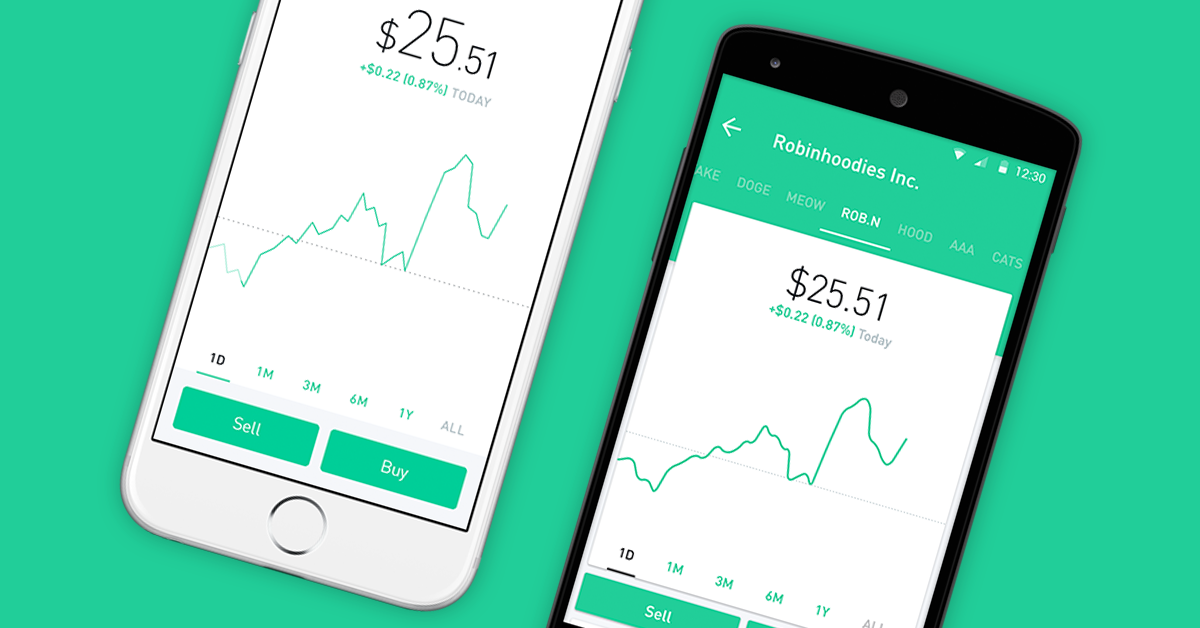
- Automated Investments on Robinhood: Robinhood allows you to set up recurring investments for both fractional shares and ETFs. You can schedule weekly, bi-weekly, or monthly investments into specific stocks or funds. This automates the dollar-cost averaging process, ensures consistency, and helps build your portfolio steadily over time without requiring constant manual intervention. It transforms investing into a disciplined habit rather than an emotional reaction to market swings.
By combining the accessibility of Robinhood with prudent financial strategies like diversification, responsible risk management, and automated dollar-cost averaging, you can effectively navigate the complexities of the market and build a robust foundation for your financial future. Remember, consistent investing, even small amounts, compounded over time, can lead to significant wealth accumulation.
aViewFromTheCave is a participant in the Amazon Services LLC Associates Program, an affiliate advertising program designed to provide a means for sites to earn advertising fees by advertising and linking to Amazon.com. Amazon, the Amazon logo, AmazonSupply, and the AmazonSupply logo are trademarks of Amazon.com, Inc. or its affiliates. As an Amazon Associate we earn affiliate commissions from qualifying purchases.