
Investing in shares, also known as stocks or equities, can be one of the most powerful ways to build wealth over time. For many, the stock market seems like a complex and intimidating world, reserved only for financial experts. However, with the right knowledge and a disciplined approach, anyone can learn how to buy shares and begin their journey towards financial independence. This comprehensive guide aims to demystify the process, providing a clear roadmap for beginners looking to make their first investment.
Understanding the Fundamentals of Share Investing
Before you dive into buying shares, it’s crucial to grasp what shares are, why people invest in them, and the inherent risks involved. A solid foundation of understanding will empower you to make informed decisions and navigate the market with greater confidence.
What are Shares?
At its core, a share represents a unit of ownership in a company. When you buy a share, you become a part-owner of that company, albeit a very small one in most cases. This ownership gives you certain rights, such as voting on company matters at shareholder meetings (depending on the type of share) and potentially receiving a portion of the company’s profits in the form of dividends. Companies issue shares to raise capital for various purposes, such as expanding operations, research and development, or paying off debt. As the company grows and becomes more profitable, the value of its shares typically increases, benefiting its shareholders.
Why Invest in Shares?
There are several compelling reasons why individuals choose to invest in shares:
- Wealth Creation: Historically, the stock market has outperformed other asset classes like bonds and savings accounts over the long term. This potential for capital appreciation is the primary driver for many investors.
- Beating Inflation: Inflation erodes the purchasing power of money over time. Investing in assets like shares can help your money grow at a rate that outpaces inflation, preserving and enhancing your wealth.
- Diversification: Shares can be a critical component of a diversified investment portfolio, balancing other assets and spreading risk.
- Passive Income: Some companies distribute a portion of their earnings to shareholders as dividends. These dividends can provide a regular stream of passive income, especially appealing to those planning for retirement.
- Accessibility: With the advent of online brokers and fractional shares, investing in the stock market is more accessible than ever, even with a modest amount of capital.
Risks Associated with Share Investing
While the potential rewards are significant, it’s equally important to acknowledge the risks:
- Market Volatility: Share prices can fluctuate wildly in the short term due to economic news, geopolitical events, company performance, or even investor sentiment. What goes up can also come down, sometimes sharply.
- Company-Specific Risks: A company’s stock price can decline if its business performs poorly, faces increased competition, or is hit by scandal. If a company goes bankrupt, shareholders could lose their entire investment.
- Loss of Capital: Unlike a savings account which is insured, there is no guarantee you will get back the money you invested in shares. You could lose some or all of your principal.
- Inflation Risk: While shares can beat inflation, there’s always a risk that your investments might underperform, leading to a real loss in purchasing power.
Understanding these risks is not meant to deter you but to equip you with a realistic perspective. A well-thought-out strategy and long-term outlook can help mitigate many of these concerns.
Preparing for Your Investment Journey
Successful investing isn’t just about picking the right stocks; it begins with personal financial preparation. Before you commit any capital to the stock market, ensure your financial house is in order. This proactive step can prevent unnecessary stress and enable you to invest with confidence.
Define Your Financial Goals
What do you hope to achieve with your investments? Are you saving for retirement, a down payment on a house, your children’s education, or simply long-term wealth growth? Clearly defined goals will dictate your investment horizon (short-term vs. long-term) and influence your risk tolerance. For instance, funds needed in the short term (e.g., within 1-3 years) are generally not suitable for stock market investing due to volatility.
Assess Your Risk Tolerance
How comfortable are you with the potential for your investment to lose value? Your risk tolerance is a psychological and financial comfort level with risk. It’s crucial to be honest with yourself. Aggressive investors are comfortable with higher risk for potentially higher returns. Moderate investors seek a balance, while conservative investors prioritize capital preservation over high returns. Your age, income stability, and financial dependents also play a role in determining an appropriate risk level. Never invest money that you cannot afford to lose.
Build an Emergency Fund
Before you invest a single dollar in shares, ensure you have a robust emergency fund. This fund should cover 3-6 months’ worth of living expenses, ideally held in an easily accessible, liquid account (like a high-yield savings account). An emergency fund acts as a financial safety net, preventing you from having to sell your investments at an inopportune time (e.g., during a market downturn) to cover unexpected expenses.
Educate Yourself
The world of investing is vast and ever-evolving. Commit to continuous learning. Read books, follow reputable financial news sources, take online courses, and understand basic financial concepts like price-to-earnings ratios, market capitalization, and dividend yields. The more you learn, the better equipped you’ll be to make independent, informed decisions rather than relying on speculation or hearsay.
Choosing the Right Investment Platform
Once you’re financially prepared, the next practical step is to select a platform through which you will buy and sell shares. This platform is typically a brokerage firm, and choosing the right one can significantly impact your investing experience.
Types of Brokerage Accounts
- Full-Service Brokers: These firms offer a wide range of services, including personalized financial advice, portfolio management, tax planning, and research. They come with higher fees and commissions but are ideal for those who prefer professional guidance.
- Discount Brokers (Online Brokers): These are the most popular choice for self-directed investors. They offer lower fees, often zero-commission trades, and robust online platforms for executing trades. While they provide research tools, they generally don’t offer personalized advice.
- Robo-Advisors: These automated platforms use algorithms to build and manage diversified portfolios based on your financial goals and risk tolerance. They offer low fees and are excellent for hands-off investors, though they typically invest in ETFs (Exchange Traded Funds) rather than individual shares.
Key Factors to Consider When Choosing a Broker
When evaluating different brokerage firms, consider the following:
- Fees and Commissions: Compare trading commissions (many now offer $0 stock trades), account maintenance fees, transfer fees, and other hidden charges.
- Investment Options: Does the broker offer access to the specific shares you’re interested in? What about other assets like ETFs, mutual funds, or options?
- Research Tools and Educational Resources: Look for platforms that provide comprehensive research reports, analytical tools, stock screeners, and educational content to aid your decision-making.
- Customer Service: Good customer support is vital, especially for beginners. Check their availability (phone, chat, email) and responsiveness.
- Ease of Use: A user-friendly interface, both on desktop and mobile apps, can make a big difference in your trading experience.
- Minimum Deposit: Some brokers require a minimum initial deposit, while others allow you to start with any amount.
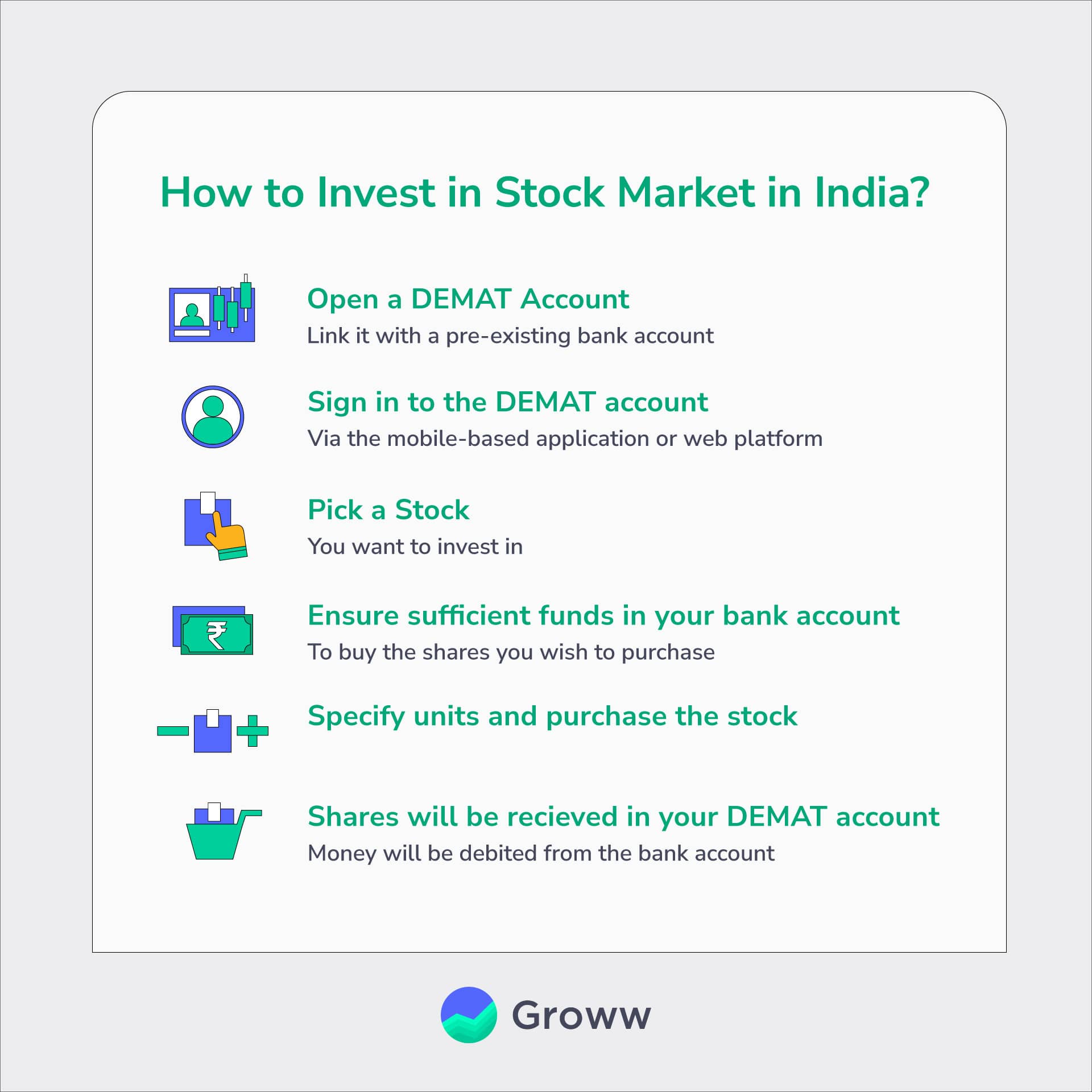
Opening a Brokerage Account
The process of opening an online brokerage account is usually straightforward:
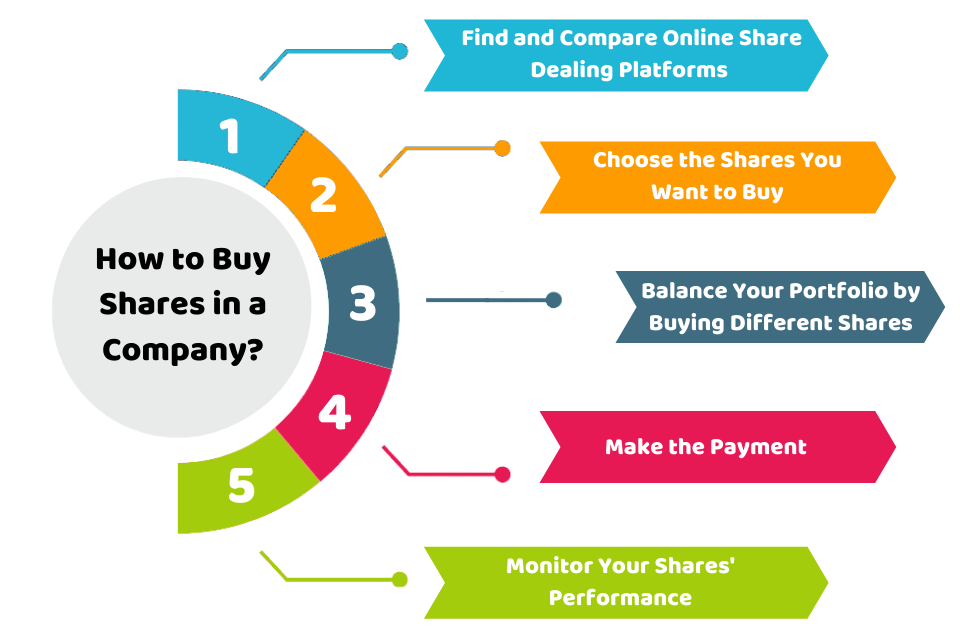
- Choose a Broker: Select the firm that best suits your needs.
- Complete an Application: Fill out an online application, providing personal information (name, address, Social Security number).
- Verify Your Identity: You’ll typically need to upload copies of identification documents (e.g., driver’s license, passport) and proof of address.
- Fund Your Account: Link your bank account to your brokerage account to transfer funds. Common methods include electronic transfers (ACH), wire transfers, or mailing a check.
Researching and Selecting Shares
With your brokerage account set up, the exciting part begins: identifying which shares to buy. This requires diligent research and a strategic approach, rather than simply following fads or tips.
Fundamental Analysis Basics
Fundamental analysis involves evaluating a company’s financial health and future prospects to determine the intrinsic value of its shares. Key metrics and factors to consider include:
- Company Financials: Review income statements (revenue, profit), balance sheets (assets, liabilities, equity), and cash flow statements. Look for consistent revenue growth and profitability.
- Industry Trends: Understand the industry in which the company operates. Is it growing? Is it facing disruption?
- Management Quality: Assess the leadership team’s experience, track record, and vision.
- Competitive Advantage (Moat): Does the company have a sustainable competitive edge (e.g., strong brand, patents, network effects) that protects it from rivals?
- Valuation Ratios: Use metrics like the Price-to-Earnings (P/E) ratio, Price-to-Sales (P/S) ratio, and Dividend Yield (if applicable) to assess if the stock is undervalued or overvalued compared to its peers or historical averages.
Diversification Strategies
“Don’t put all your eggs in one basket” is a golden rule in investing. Diversification helps mitigate risk by spreading your investments across different assets.
- Sector Diversification: Invest in companies from various industries (e.g., technology, healthcare, finance, consumer goods).
- Geographic Diversification: Consider companies based in different countries or regions.
- Company Size Diversification: Mix large-cap (established, stable), mid-cap, and small-cap (higher growth potential but riskier) companies.
- Asset Class Diversification: Beyond individual shares, consider investing in ETFs or mutual funds that hold a basket of shares, or even other asset classes like bonds or real estate.
Common Investment Strategies
- Value Investing: Buying shares of companies that appear to be trading for less than their intrinsic value, often overlooked by the market. (e.g., Warren Buffett’s approach)
- Growth Investing: Investing in companies expected to grow at an above-average rate compared to the overall market. These companies often reinvest profits back into the business rather than paying dividends.
- Dividend Investing: Focusing on companies that regularly pay dividends, providing a steady income stream alongside potential capital appreciation.
- Index Investing: A passive strategy where you invest in an entire market index (e.g., S&P 500) through an index fund or ETF, rather than picking individual stocks. This offers broad diversification and typically lower fees.
Executing Your Trade and Managing Your Portfolio
Once you’ve identified potential investments, the final step is to execute your trade. However, investing is an ongoing process, requiring continuous monitoring and management of your portfolio.
Understanding Order Types
When placing an order to buy or sell shares, you typically have several options:
- Market Order: An order to buy or sell immediately at the best available current price. While fast, the execution price might differ slightly from what you saw just moments before, especially in volatile markets.
- Limit Order: An order to buy or sell at a specific price or better. For a buy limit order, you set the maximum price you’re willing to pay. For a sell limit order, you set the minimum price you’re willing to accept. This gives you more control over the price.
- Stop-Loss Order: An order to sell a stock if its price falls to a certain level, limiting potential losses. This converts to a market order once the stop price is triggered.
Placing Your First Trade
Most online brokers make placing a trade intuitive:
- Search for the Stock: Use the stock ticker symbol (e.g., AAPL for Apple) or company name.
- Enter Order Details: Specify whether you want to buy or sell, the number of shares, and the order type (market, limit).
- Review and Confirm: Double-check all details before confirming your trade.
- Monitor: Once placed, you can often track the order status in your brokerage account.
Monitoring Your Investments
Investing is not a “set it and forget it” activity. Regularly monitor your portfolio performance and stay informed about the companies you own and broader market trends. However, avoid checking prices daily, as short-term fluctuations can lead to emotional decisions. Instead, focus on quarterly or semi-annual reviews.
Rebalancing Your Portfolio
Over time, different investments in your portfolio will grow at varying rates, potentially skewing your asset allocation. Rebalancing involves adjusting your portfolio back to your target asset allocation. For example, if shares have grown significantly, you might sell a portion to buy more of an underperforming asset class (like bonds) to maintain your desired risk level. This can be done periodically (e.g., once a year).

The Importance of Long-Term Perspective
Perhaps the most crucial advice for new investors is to adopt a long-term perspective. The stock market experiences ups and downs, corrections, and even crashes. Trying to time the market by buying low and selling high is notoriously difficult and often leads to worse returns than simply staying invested. Compounding returns—the process where your investment gains generate their own earnings—is a powerful force that works best over many years. By focusing on quality companies, diversifying your portfolio, and remaining disciplined through market cycles, you significantly increase your chances of long-term investment success.
Buying shares is a journey that requires patience, continuous learning, and a steady hand. By understanding the basics, preparing financially, choosing the right tools, and approaching the market with a well-thought-out strategy, you can confidently embark on your path to building significant wealth.
aViewFromTheCave is a participant in the Amazon Services LLC Associates Program, an affiliate advertising program designed to provide a means for sites to earn advertising fees by advertising and linking to Amazon.com. Amazon, the Amazon logo, AmazonSupply, and the AmazonSupply logo are trademarks of Amazon.com, Inc. or its affiliates. As an Amazon Associate we earn affiliate commissions from qualifying purchases.