
For decades, the S&P 500 has stood as the gold standard for equity performance, representing the heartbeat of the American economy. Comprised of approximately 500 of the largest, most successful publicly traded companies in the United States, this index is more than just a list of stocks; it is a diversified powerhouse that captures roughly 80% of the total market capitalization of the U.S. stock market. For the individual investor, “buying into” the S&P 500 is often the single most effective way to build long-term wealth without the stress and high failure rates associated with picking individual stocks.
Whether you are a novice looking to place your first hundred dollars into the market or a seasoned professional refining a retirement portfolio, understanding the mechanics of the S&P 500 is essential. This guide explores the strategic importance of index investing, the specific financial instruments used to track the index, and the step-by-step process of executing your investment.
Understanding the S&P 500: The Benchmark of Growth
Before committing capital, it is crucial to understand what you are actually purchasing. The Standard & Poor’s 500 Index is a float-adjusted market-capitalization-weighted index. This means that larger companies, such as Apple, Microsoft, and Amazon, exert a greater influence on the index’s performance than smaller constituents. When you buy into the S&P 500, you are essentially buying a fractional share of the 500 most influential corporations in the world.
The Historical Performance Narrative
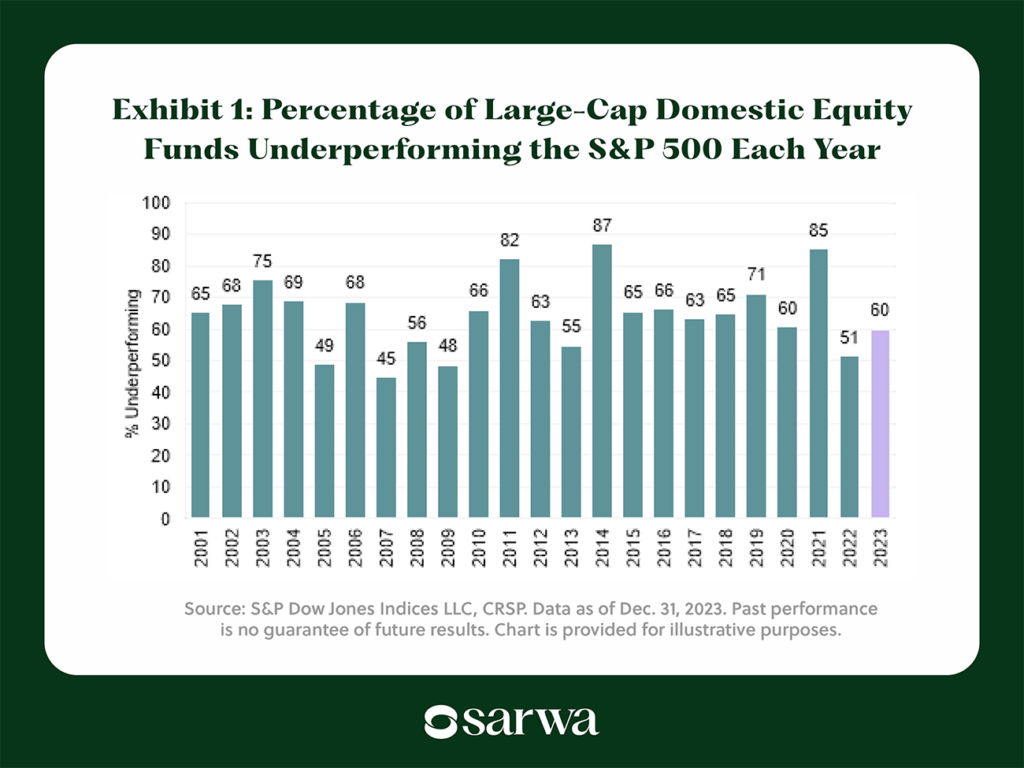
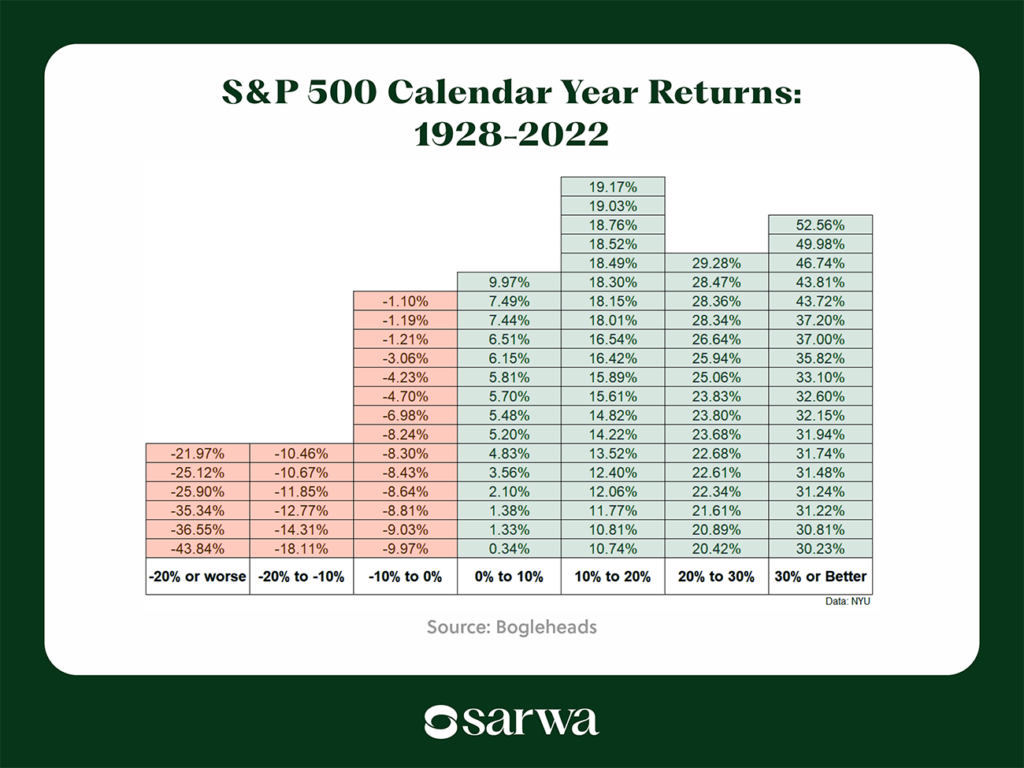
Historically, the S&P 500 has delivered an average annual return of approximately 10% before inflation. While this does not mean the market returns 10% every single year—volatility is a natural part of the cycle—the long-term trajectory has been consistently upward. This track record is why legendary investors like Warren Buffett frequently recommend low-cost S&P 500 index funds for the vast majority of people. It provides a level of diversification that protects against the bankruptcy of any single company while allowing the investor to ride the wave of overall corporate innovation and economic expansion.
The Power of Market-Cap Weighting
One of the primary benefits of the S&P 500 is its self-cleansing nature. Because it is weighted by market capitalization, the index naturally gives more weight to companies that are growing and successful, while shrinking the influence of those in decline. If a company fails to maintain its status, it is eventually removed from the index and replaced by a rising star. This automated “survival of the fittest” mechanism ensures that your investment is always concentrated in the current leaders of the economy.
The Best Vehicles for Investment: ETFs vs. Index Funds
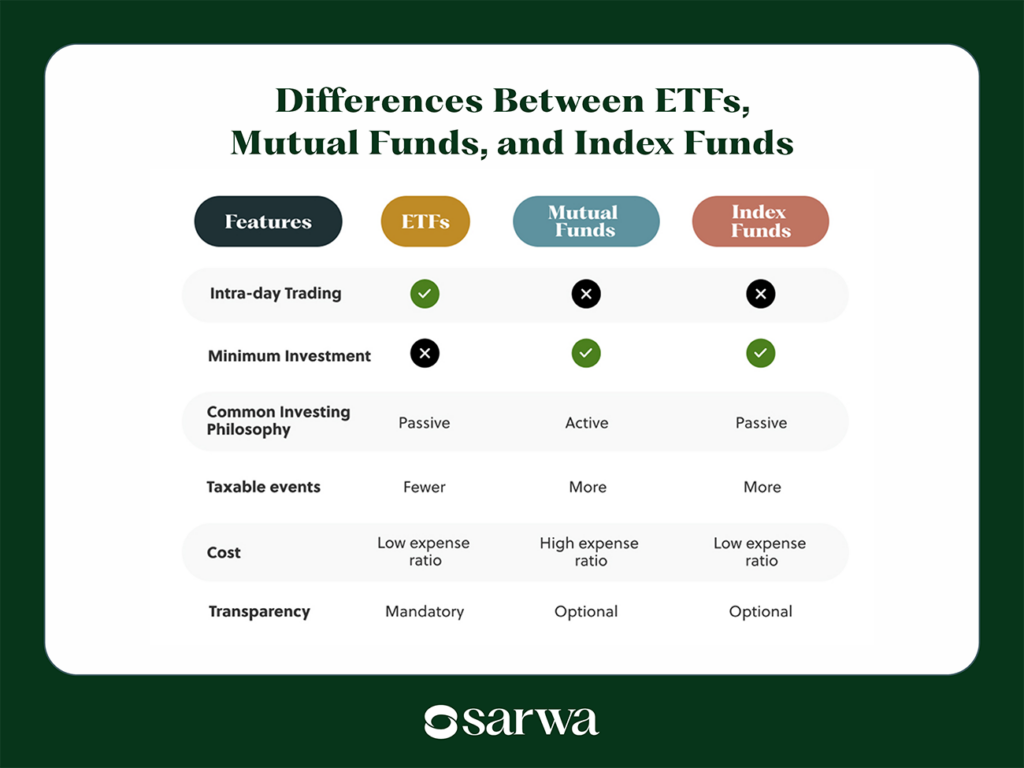
You cannot “buy” the S&P 500 directly, as it is a mathematical index rather than a tradable asset. Instead, you must purchase a financial product designed to track the index as closely as possible. There are two primary vehicles for this: Exchange-Traded Funds (ETFs) and Index Mutual Funds.
Exchange-Traded Funds (ETFs)
ETFs are the most popular choice for modern investors due to their flexibility and low costs. They trade on stock exchanges just like individual shares of stock, meaning you can buy or sell them at any time during market hours.
The three most prominent S&P 500 ETFs are:
-
SPDR S&P 500 ETF Trust (SPY): The oldest and most liquid ETF, frequently used by institutional traders.
-
Vanguard S&P 500 ETF (VOO): Highly popular among long-term individual investors due to its extremely low expense ratio.
-
iShares Core S&P 500 ETF (IVV): Similar to VOO, it offers a rock-bottom fee structure and high tax efficiency.
The primary advantage of an ETF is its accessibility. Most modern brokerages now offer fractional shares, meaning you can start investing in these ETFs with as little as $1 or $5, even if a single full share costs hundreds of dollars.
Index Mutual Funds
Index mutual funds function similarly to ETFs but are traded only once per day after the market closes. While they lack the intraday liquidity of ETFs, they are excellent for disciplined, automated investing. Many providers, such as Fidelity (FXAIX) or Schwab (SWPPX), offer S&P 500 index funds with no minimum investment and virtually zero management fees. Mutual funds are often the preferred choice for those who want to set up an automatic recurring transfer from their bank account, as the system can purchase a specific dollar amount regardless of the share price.
Comparing Expense Ratios
In the world of index investing, cost is the only factor within your control. The “expense ratio” is the annual fee charged by the fund manager. For an S&P 500 fund, you should never pay more than 0.05%. For context, an expense ratio of 0.03% means you pay only $3 per year for every $10,000 invested. Minimizing these fees is vital because, over 30 years, high fees can strip away tens of thousands of dollars from your final portfolio balance due to the loss of compounding.
The Practical Steps to Buying In
Once you have chosen your investment vehicle, the process of actually buying into the S&P 500 is straightforward. However, the sequence of decisions you make regarding account types and brokerages will have significant tax implications.
Step 1: Select the Right Account Type
You must decide where your S&P 500 shares will live.
-
Individual Brokerage Account: This is a “taxable” account. You can withdraw your money at any time, but you will owe taxes on dividends and capital gains.
-
Tax-Advantaged Accounts (IRA or 401k): These are designed for retirement. A Roth IRA, for example, allows your S&P 500 investment to grow completely tax-free, provided you wait until retirement age to withdraw the earnings. If your employer offers a 401k match, buying an S&P 500 index fund within that account is often the most lucrative move you can make.
Step 2: Open a Brokerage Account
To buy an ETF or mutual fund, you need a brokerage. Modern fintech apps and traditional firms have largely moved to a zero-commission model. High-quality options include:
-
Fidelity and Charles Schwab: Excellent for both mutual funds and ETFs, with robust customer service.
-
Vanguard: The pioneer of low-cost indexing, ideal for “set it and forget it” investors.
-
Robinhood or Betterment: User-friendly interfaces for those who prefer a mobile-first experience and simplified automation.
Step 3: Execute the Trade
If you are buying an ETF (like VOO), you will enter the ticker symbol in your brokerage’s search bar. You then select “Buy,” choose the number of shares (or the dollar amount for fractional shares), and select a “Market Order” or “Limit Order.” A Market Order executes immediately at the current price, while a Limit Order allows you to set the maximum price you are willing to pay. For long-term investors, a simple Market Order during trading hours is usually sufficient.
Maximizing Success Through Strategic Consistency
Buying into the S&P 500 is not a one-time event but a long-term strategy. To truly benefit from the growth of the American economy, you must adopt a disciplined approach to how you manage your position over time.
The Strategy of Dollar-Cost Averaging
The biggest mistake new investors make is trying to “time the market”—waiting for a crash to buy or selling when they fear a downturn. Instead, successful investors utilize Dollar-Cost Averaging (DCA). This involves investing a fixed amount of money at regular intervals (e.g., $500 every month) regardless of whether the market is up or down. When prices are high, your dollars buy fewer shares; when prices are low, your dollars buy more. Over time, this lowers your average cost per share and removes the emotional stress of market fluctuations.
Reinvesting Dividends
Most companies in the S&P 500 pay dividends—a portion of their profits distributed to shareholders. While you can take this cash and spend it, your wealth will grow significantly faster if you choose to “reinvest” those dividends. Most brokerages offer a Dividend Reinvestment Plan (DRIP) that automatically uses your dividend payments to buy more shares of the S&P 500 fund. This creates a powerful feedback loop: more shares lead to more dividends, which lead to even more shares.
Managing Volatility and “The Long Game”
It is guaranteed that the S&P 500 will experience “corrections” (10% drops) and “bear markets” (20% or more drops). History shows that the index has recovered from every single downturn it has ever faced. The key to buying into the S&P 500 is having the psychological fortitude to stay invested when the headlines are negative. The market is a device for transferring money from the impatient to the patient. By holding the S&P 500, you are betting on the continued innovation of companies like Alphabet, Nvidia, and UnitedHealth. As long as these companies continue to solve problems and generate profits, the index will likely continue its upward march.
Conclusion: The Path to Financial Autonomy
Buying into the S&P 500 is perhaps the most democratic form of wealth creation ever devised. It allows a school teacher or a software engineer to own the same high-performing assets as a billionaire. By selecting a low-cost ETF or mutual fund, utilizing tax-advantaged accounts, and sticking to a consistent investment schedule, you harness the collective power of the world’s most successful enterprises.
The complexity of the financial markets often intimidates people into inaction, but the beauty of the S&P 500 lies in its simplicity. You do not need to analyze balance sheets or predict the next tech trend. You simply need to buy the market, minimize your fees, and let time do the heavy lifting. In the world of finance, sometimes the simplest strategy—owning the 500 best companies and doing nothing—is the most sophisticated strategy of all.
aViewFromTheCave is a participant in the Amazon Services LLC Associates Program, an affiliate advertising program designed to provide a means for sites to earn advertising fees by advertising and linking to Amazon.com. Amazon, the Amazon logo, AmazonSupply, and the AmazonSupply logo are trademarks of Amazon.com, Inc. or its affiliates. As an Amazon Associate we earn affiliate commissions from qualifying purchases.