
Gold has captivated humanity for millennia, serving as a symbol of wealth, power, and stability. In times of economic uncertainty, political turmoil, or inflationary pressures, its appeal often intensifies, solidifying its reputation as a safe-haven asset. Modern investors, seeking to diversify their portfolios and protect their capital, continue to turn to gold. The rise of accessible investing platforms like Robinhood has democratized access to various financial markets, leading many to wonder how they can leverage such tools to gain exposure to this precious metal.
While Robinhood is celebrated for its commission-free trading and user-friendly interface, the mechanics of investing in gold through the platform are not as straightforward as buying a stock. Unlike some specialized brokers, Robinhood does not facilitate direct purchases of physical gold bullion or coins. Instead, investors on Robinhood typically gain exposure to gold through financial instruments that track its price or are involved in its production. This guide will demystify the process, offering a comprehensive look at how to integrate gold-related assets into your investment strategy using Robinhood, examining the available options, and outlining key considerations for prudent financial planning.

The Enduring Allure of Gold in a Diversified Portfolio
The decision to allocate a portion of one’s wealth to gold is often rooted in its unique properties and historical performance, particularly during periods of market stress. Understanding these foundational aspects is crucial before integrating gold into your investment strategy through platforms like Robinhood.
Gold as a Store of Value and Inflation Hedge
Historically, gold has been revered as a reliable store of value. Unlike fiat currencies, which can be subject to devaluation through inflation or government policies, gold possesses intrinsic value and its supply is limited. This scarcity, combined with its widespread acceptance, allows it to often maintain or increase its purchasing power over the long term, even when traditional currencies lose ground. During periods of high inflation, when the cost of living rises and the real value of money diminishes, gold has frequently served as an effective hedge, protecting wealth from erosion. Investors often flock to gold during such times, seeing it as a tangible asset that resists inflationary pressures better than many other investments.
Diversification Benefits and Safe-Haven Status
One of gold’s most compelling attributes is its ability to act as a diversifier within a broader investment portfolio. Gold’s price movements often exhibit a low or negative correlation with other major asset classes, particularly equities. This means that when stock markets experience downturns, gold prices may either remain stable or even increase, helping to mitigate overall portfolio losses. This inverse relationship underpins its role as a “safe-haven asset” – an investment that tends to retain or increase in value during market volatility, economic crises, or geopolitical instability. By adding gold to a portfolio primarily composed of stocks and bonds, investors can potentially reduce overall risk and enhance portfolio stability.
Factors Influencing Gold Prices
While gold’s long-term trend can be upward, its price is not static and is influenced by a multitude of global factors. Understanding these drivers is essential for any investor considering an allocation to gold. Key factors include:
- Global Economic Conditions: During periods of economic expansion, investor confidence tends to be high, and riskier assets like stocks might be favored. Conversely, during recessions or economic slowdowns, gold’s appeal as a safe haven grows.
- Interest Rates: When real interest rates (nominal rates minus inflation) are low or negative, the opportunity cost of holding non-yielding gold decreases, making it more attractive. Higher real interest rates, however, can make interest-bearing assets more appealing, potentially reducing demand for gold.
- U.S. Dollar Strength: Gold is typically priced in U.S. dollars. A stronger dollar makes gold more expensive for holders of other currencies, potentially dampening demand, while a weaker dollar can make gold more attractive.
- Geopolitical Events: Wars, political instability, trade disputes, and other international crises often prompt investors to seek the safety of gold, driving up its price.
- Supply and Demand: While the supply of newly mined gold is relatively stable, demand from jewelry, industrial applications, central banks, and investment vehicles can fluctuate, impacting prices.
Grasping these dynamics provides a more nuanced perspective on gold’s role and potential performance within an investment framework, setting the stage for how one might gain exposure to it on platforms like Robinhood.
Navigating Gold Investment on the Robinhood Platform
Given Robinhood’s focus on democratizing stock and ETF trading, its approach to commodities like gold is necessarily indirect. Investors looking to add gold to their Robinhood portfolio will primarily engage with financial instruments that derive their value from gold, rather than holding the physical metal itself.
Indirect Gold Exposure: Understanding ETFs and Mining Stocks
The most common and practical way for Robinhood users to invest in gold is through exchange-traded funds (ETFs) and stocks of companies involved in gold mining or production. These instruments offer the benefits of gold exposure without the complexities of storing, insuring, or transporting physical bullion.
- Gold ETFs: These funds hold physical gold or gold futures contracts and aim to track the price performance of gold. When you buy shares of a gold ETF, you are essentially buying a proportional interest in the fund’s gold holdings. This provides a convenient and liquid way to gain exposure to gold’s price movements.
- Gold Mining Stocks: Investing in the stocks of companies that mine or process gold is another indirect route. The performance of these companies is closely tied to gold prices, but also to their operational efficiency, management, and other company-specific factors. This adds an additional layer of risk and potential reward compared to a pure gold ETF.
It is critical for investors to understand this distinction: Robinhood facilitates the buying and selling of these gold-related securities, not the actual physical commodity.
Popular Gold-Backed ETFs on Robinhood
Several reputable gold-backed ETFs are readily available on Robinhood, offering investors different approaches to gaining gold exposure. Some of the most widely recognized and traded options include:
- SPDR Gold Shares (GLD): This is one of the largest and most liquid gold ETFs globally. GLD aims to track the price of gold by holding physical gold bullion in secure vaults. It offers broad market exposure to gold price movements.
- iShares Gold Trust (IAU): Similar to GLD, IAU also holds physical gold bullion and seeks to reflect the performance of gold. It often has a slightly lower expense ratio than GLD, which can be a consideration for long-term investors.
- Aberdeen Standard Physical Gold Shares ETF (SGOL): Another option that holds physical gold bullion. SGOL is known for storing its gold in vaults in Switzerland and the UK, which some investors might prefer for geographical diversification of storage.
- VanEck Vectors Gold Miners ETF (GDX): While not directly gold-backed, GDX invests in a basket of gold mining companies. This ETF offers exposure to the performance of gold producers, which can sometimes amplify gold price movements but also carries equity-specific risks.
When selecting an ETF, investors should consider factors such as expense ratios, liquidity, and the specific methodology the fund uses to track gold (e.g., physical holdings vs. futures contracts).
Investing in Gold Mining Companies
Beyond ETFs, Robinhood also allows investors to purchase shares in individual gold mining companies. This approach offers a more direct equity investment in the gold sector. The performance of these companies is inherently linked to the price of gold, as higher gold prices typically lead to increased revenues and profitability for miners. However, investing in individual stocks introduces company-specific risks that are not present in broad-market gold ETFs. These risks include:
- Operational Risks: Mining accidents, labor disputes, regulatory changes, and production challenges can impact a company’s profitability.
- Geopolitical Risks: Many major gold mines are located in politically sensitive regions, exposing companies to nationalization risks or civil unrest.
- Exploration Success: The ability to discover new gold deposits is crucial for a mining company’s long-term viability.
- Management Quality: The effectiveness of a company’s leadership and its capital allocation decisions play a significant role in its success.
Examples of prominent gold mining companies whose stocks you might find on Robinhood include Barrick Gold (GOLD), Newmont Corporation (NEM), and Agnico Eagle Mines (AEM). For investors willing to undertake additional research and accept higher risk in pursuit of potentially greater returns, individual mining stocks can be a viable option to gain leveraged exposure to gold price movements.
A Step-by-Step Guide to Acquiring Gold-Related Assets on Robinhood
For those ready to integrate gold into their portfolio via Robinhood, the process is straightforward once you understand the available investment vehicles.
Setting Up and Funding Your Robinhood Account
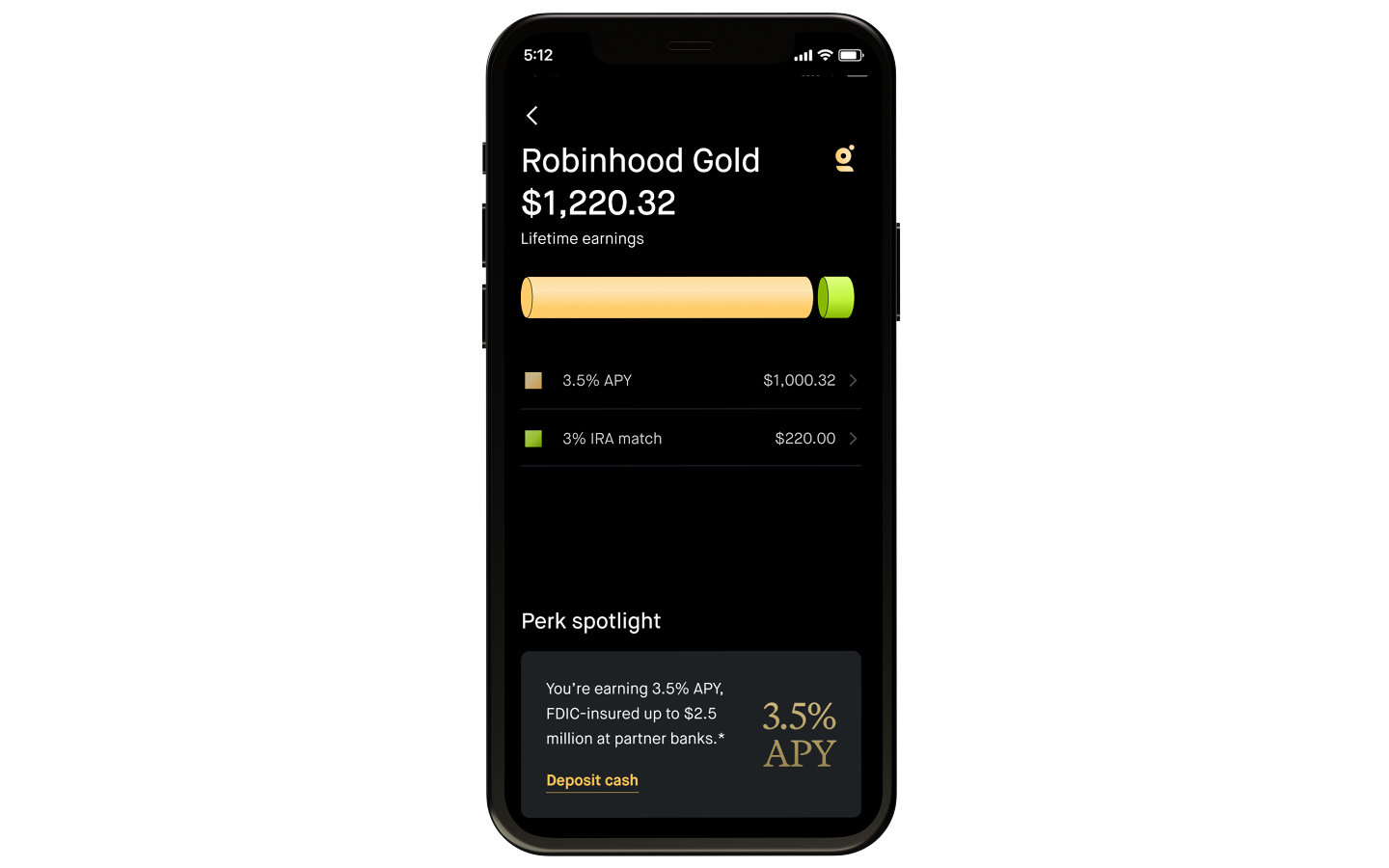
- Download the App/Visit Website: If you haven’t already, download the Robinhood app from your smartphone’s app store or visit their website.
- Sign Up and Verify Identity: Follow the prompts to create an account. This typically involves providing personal information (name, address, Social Security number) and linking a bank account. Robinhood, like all regulated brokerage firms, is required to verify your identity to comply with financial regulations.
- Fund Your Account: Once your account is approved, you’ll need to deposit funds. You can link your bank account for instant deposits, which usually provide immediate access to a portion of your funds for trading, with the full amount available after a few business days.
Researching Gold Investment Options
Before placing a trade, thorough research is paramount.
- Utilize Robinhood’s Search Function: In the Robinhood app, use the search bar (magnifying glass icon) to look for “gold” or specific ETF tickers like “GLD,” “IAU,” “SGOL,” or “GDX.” You can also search for individual mining company stocks like “GOLD” (Barrick Gold) or “NEM” (Newmont).
- Review Asset Details: Robinhood provides basic information about each asset, including its current price, historical performance charts, market capitalization, news related to the asset, and sometimes analyst ratings. For ETFs, you can usually find details about their underlying holdings and expense ratios.
- Conduct External Research: Complement Robinhood’s in-app information with external research from financial news sites, ETF provider websites, and company investor relations pages. Understand the specific risks and rewards associated with your chosen gold-related investment. For instance, determine if an ETF holds physical gold or futures, and for mining stocks, research their latest earnings reports and operational updates.
Executing Your Trade
Once you’ve decided on an asset, executing a trade on Robinhood is simple.
- Navigate to the Asset Page: Select the gold ETF or mining stock you wish to buy.
- Tap “Trade” then “Buy”: This will open the order entry screen.
- Choose Order Type:
- Market Order: This buys the asset immediately at the best available price. While convenient, the price can fluctuate rapidly, especially for volatile assets.
- Limit Order: This allows you to set a maximum price you’re willing to pay per share. Your order will only execute if the asset’s price falls to or below your specified limit. This is often recommended for more control over your purchase price.
- Other Order Types: Robinhood also offers stop orders, trailing stop orders, and good-for-day/good-till-canceled options, providing more advanced control.
- Enter Quantity/Dollar Amount: You can choose to buy a specific number of shares or invest a specific dollar amount (fractional shares are available for many assets on Robinhood, allowing you to buy a fraction of a share if you don’t have enough to buy a whole one).
- Review and Submit: Double-check your order details before submitting. Once confirmed, your order will be placed. If it’s a market order during trading hours, it will likely execute almost instantly.
Monitoring and Managing Your Investment
After your purchase, regularly monitor the performance of your gold-related assets within your Robinhood portfolio. Stay informed about market news, economic indicators, and geopolitical developments that could impact gold prices. Rebalance your portfolio periodically if your gold allocation deviates significantly from your target.
Advantages and Disadvantages of Gold Investing via Robinhood
While Robinhood offers an accessible gateway to gold-related investments, it’s essential to weigh its benefits against its limitations to make an informed decision.
Convenience and Accessibility
One of Robinhood’s primary advantages is its sheer convenience. The platform’s intuitive design and mobile-first approach make it incredibly easy for new and experienced investors alike to buy and sell securities. With just a few taps, you can gain exposure to gold-backed ETFs or mining stocks. The ability to invest in fractional shares also lowers the barrier to entry, allowing investors to participate in higher-priced assets with smaller capital outlays, making gold investment more accessible to a wider demographic.
Cost-Effectiveness: Commission-Free Trading
Robinhood popularized commission-free trading for stocks and ETFs, significantly reducing the cost of investing. When you buy or sell a gold ETF or mining stock on Robinhood, you typically won’t pay a commission, which can save a considerable amount of money over time, especially for frequent traders or those making smaller investments. While ETFs still have embedded expense ratios (management fees that are deducted from the fund’s assets annually), Robinhood doesn’t add an additional trading fee.
Lack of Direct Physical Ownership
A significant disadvantage of using Robinhood for gold exposure is the inability to directly purchase and hold physical gold. Investors on Robinhood own shares in ETFs or mining companies, not actual gold bullion. This means they do not have the tangible security of holding a physical asset and are exposed to counterparty risk (the risk that the ETF provider or mining company may default). For those who prioritize direct ownership for its perceived ultimate security against systemic collapse or who simply prefer the tangibility of gold, Robinhood’s offerings may fall short.
Limited Investment Vehicle Diversity
Compared to full-service brokerage firms that might offer a broader range of investment vehicles, Robinhood’s options for gold are somewhat limited. While it covers the popular ETFs and individual stocks, it typically does not provide access to more specialized gold derivatives, futures contracts (beyond those held by some ETFs), or direct physical gold purchasing options that might be available through other platforms or specialized dealers. This limitation might restrict sophisticated investors seeking highly specific or advanced strategies.
Understanding Tax Implications
Investing in gold-related assets on Robinhood carries tax implications that are crucial to understand. Profits from selling gold ETFs or mining stocks are subject to capital gains tax. If you sell an investment held for less than a year, profits are taxed at your ordinary income tax rate (short-term capital gains). If held for more than a year, they are subject to generally lower long-term capital gains rates. It’s important to keep accurate records of your purchases and sales for tax reporting purposes and consult with a tax professional for personalized advice, especially concerning the specific tax treatment of certain commodity ETFs.
Integrating Gold into Your Broader Financial Strategy
Investing in gold, even through accessible platforms like Robinhood, should always be part of a larger, well-thought-out financial plan. Gold is not a standalone solution but a component designed to enhance resilience and potentially improve returns under specific market conditions.
Determining Appropriate Allocation
There is no universal “right” amount of gold for every portfolio. The appropriate allocation depends heavily on individual factors such as your age, risk tolerance, existing portfolio composition, and financial goals. Younger investors with a long investment horizon and higher risk tolerance might opt for a smaller allocation (e.g., 2-5%), focusing more on growth assets. Older investors or those nearing retirement, perhaps seeking more capital preservation, might consider a slightly larger percentage (e.g., 5-15%). The key is to view gold as a complementary asset, rather than a primary driver of returns, and to ensure its allocation aligns with your overall diversification strategy. Over-allocating to any single asset class, including gold, can introduce undue concentration risk.
Long-Term vs. Tactical Investing
Gold can serve different roles based on an investor’s time horizon and strategy:
- Long-Term Strategic Allocation: Many investors hold gold as a permanent fixture in their portfolio, primarily for its diversification benefits and as a hedge against inflation and economic uncertainty. In this context, gold is bought and held for years, providing a foundational layer of stability. The goal is not necessarily to profit from short-term price swings but to smooth out overall portfolio returns during turbulent times.
- Tactical Investing: Some investors use gold more opportunistically, increasing their exposure during periods when they anticipate heightened inflation, market volatility, or geopolitical risk, and reducing it when these risks subside. This approach requires a more active management style, consistent market analysis, and a willingness to time the market, which carries its own set of challenges and risks. For tactical investors, careful monitoring of economic indicators and global events is crucial.

The Importance of Continuous Research and Due Diligence
Regardless of your chosen approach, continuous research and due diligence are non-negotiable. Financial markets are dynamic, and the factors influencing gold prices can shift rapidly. Stay informed about global economic data, interest rate policies from central banks, geopolitical developments, and the performance of your chosen gold-related assets. Regularly review the financial health of gold mining companies if you’ve invested in their stocks, and check for any changes in the underlying structure or management of gold ETFs. Informed decision-making is the cornerstone of successful investing, ensuring that your gold exposure continues to align with your evolving financial objectives and market outlook.
In conclusion, Robinhood offers a convenient and cost-effective avenue for investors to gain exposure to gold through ETFs and mining stocks. While it doesn’t provide direct access to physical gold, its platform serves as a valuable tool for integrating gold-related assets into a diversified financial portfolio. By understanding the nature of these investments, conducting thorough research, and aligning gold exposure with your broader financial strategy, you can leverage Robinhood to participate in the enduring allure of this precious metal. Always remember that all investments carry risk, and past performance is not indicative of future results.
aViewFromTheCave is a participant in the Amazon Services LLC Associates Program, an affiliate advertising program designed to provide a means for sites to earn advertising fees by advertising and linking to Amazon.com. Amazon, the Amazon logo, AmazonSupply, and the AmazonSupply logo are trademarks of Amazon.com, Inc. or its affiliates. As an Amazon Associate we earn affiliate commissions from qualifying purchases.