
For many, the thought of buying a car conjures images of gleaming showrooms, eager salespeople, and perhaps a touch of anxiety over sticker shock. Yet, a robust, often overlooked market exists where vehicles change hands daily, frequently below traditional retail prices: the auto auction. Far from a chaotic free-for-all, auto auctions represent a structured environment for acquiring vehicles, from everyday commuters to luxury models and specialized workhorses. For the financially savvy, understanding how to navigate this landscape can unlock significant value, offering a compelling alternative to conventional dealerships.

This guide delves into the strategic financial considerations, meticulous research, and practical steps required to successfully purchase a vehicle from an auto auction. We’ll explore the different types of auctions, crucial pre-purchase due diligence, effective bidding strategies, and the post-purchase financial implications, all viewed through the lens of prudent money management and risk mitigation.
Understanding the Auto Auction Landscape
Before diving into the mechanics of buying, it’s crucial to grasp the varied ecosystem of auto auctions. Each type presents unique opportunities and challenges, particularly concerning accessibility, vehicle quality, and potential financial returns.
Types of Auto Auctions: Public, Dealer-Only, and Salvage
Auto auctions are not a monolithic entity. They are broadly categorized based on who can attend and the condition of the vehicles offered:
- Public Auto Auctions: These are open to everyone, from individual consumers to small businesses. Vehicles often come from government fleets, bank repossessions, police impounds, or private consignments. While typically offering a wider variety of vehicles, prices can sometimes creep higher due to direct consumer competition. The transparency and accessibility make them an excellent starting point for new auction buyers. Financially, they represent a chance for significant savings on a ready-to-drive vehicle.
- Dealer-Only Auctions: As the name suggests, these are restricted to licensed car dealers. They are the primary source for dealerships to replenish their inventory. Vehicles here often include trade-ins from dealerships, lease returns, and fleet vehicles. The quality can range from pristine to requiring significant reconditioning. While inaccessible directly to the public, understanding their existence highlights the potential mark-up consumers pay at a dealership, underscoring the value proposition of public auctions. For those considering entering the automotive business, these become a crucial financial tool.
- Salvage Auto Auctions: These auctions specialize in vehicles that have been deemed “total losses” by insurance companies due to accidents, floods, fire, or theft. They require specialized knowledge for repairs and are primarily targeted at rebuilders, mechanics, or those seeking parts. The financial draw is exceptionally low purchase prices, but the risks are commensurately high, requiring a robust understanding of repair costs and regulatory hurdles. This niche demands a high level of financial acumen and technical expertise to turn a profit or achieve significant savings.
The Financial Appeal: Why Auctions Attract Buyers
The primary draw of auto auctions, for both consumers and businesses, is the potential for significant financial savings. Vehicles at auction are often priced below their retail market value for several reasons:
- Wholesale Pricing: Many vehicles are sold at wholesale prices, reflecting their condition “as-is” and the volume nature of auction sales.
- Reduced Overhead: Auctions typically have lower overhead costs compared to traditional dealerships, which often translates to lower starting prices.
- Quick Turnover: Sellers (banks, fleets, dealers) need to liquidate assets quickly, meaning they are motivated to sell, often accepting lower bids than they might seek in a retail environment.
For the savvy buyer, these factors create an environment ripe for securing a vehicle at a price point that offers exceptional value, whether for personal use, a side hustle, or as a business asset.
Demystifying the Auction Process
While each auction house may have slight variations, the general process is remarkably consistent. It typically involves:
- Registration: Signing up and obtaining a bidder number, often requiring a deposit or proof of funds.
- Preview/Inspection: A designated period before the auction for buyers to physically inspect vehicles. This is perhaps the most critical financial risk mitigation step.
- Bidding: The actual auction, where vehicles are sold to the highest bidder.
- Payment: Immediate payment is usually required upon winning a bid.
- Pickup: Arranging for vehicle collection within a specified timeframe.
Understanding these steps is foundational to approaching an auction with confidence and making financially sound decisions.
Essential Pre-Auction Financial Planning and Research
Success at an auto auction isn’t about luck; it’s about meticulous preparation, especially from a financial standpoint. Without thorough research and a clear budget, buyers risk overpaying or acquiring a problematic vehicle that becomes a financial drain.
Setting Your Budget: Beyond the Bid Price
Your budget for an auction vehicle must extend far beyond the maximum bid you’re willing to make. A comprehensive budget should include:
- Maximum Bid: Your absolute top dollar for the vehicle itself.
- Auction Fees: Buyer’s premium (a percentage of the sale price), documentation fees, gate fees, and sometimes even fees for using specific payment methods. These can add hundreds, if not thousands, to the final cost.
- Taxes and Registration: Sales tax, title transfer fees, and new license plate/registration fees, which are state-dependent.
- Transportation Costs: If you cannot drive the car immediately, budgeting for towing or shipping.
- Immediate Repairs/Maintenance: Few auction cars are pristine. Budget for essential maintenance (oil change, tires) and potential immediate repairs identified during inspection. A contingency fund of 10-20% of the vehicle’s value is a wise financial buffer.
- Insurance: Obtain quotes beforehand, especially for older or higher-performance vehicles, as premiums can vary significantly.
Failing to account for these additional costs can quickly erode any perceived savings from the auction price, turning a bargain into a budgetbuster.
Vehicle Due Diligence: Researching Models and Market Value
Before stepping onto the auction lot, conduct extensive research on the specific makes and models you are interested in.
- Market Value Assessment: Use online resources like Kelley Blue Book (KBB), Edmunds, or NADA guides to determine the retail and wholesale values of vehicles in various conditions. This establishes your financial baseline.
- Reliability Ratings: Consult consumer reports or automotive review sites for known issues, common problems, and expected maintenance costs for target vehicles. A cheap purchase can quickly become expensive if the model is notoriously unreliable.
- VIN Check Services: For vehicles you’re seriously considering, use a VIN (Vehicle Identification Number) check service (e.g., CarFax, AutoCheck). These reports can reveal accident history, odometer discrepancies, salvage titles, flood damage, recall information, and service records. This is a small upfront financial investment that can prevent a catastrophic purchase.
Armed with this knowledge, you can set realistic bidding limits and identify genuinely good deals versus money pits.
Financing Your Auction Purchase
Most auto auctions operate on a cash or certified funds basis, requiring immediate payment upon winning a bid. This means securing financing before the auction is crucial.
- Pre-Approved Loans: If you plan to finance, obtain a pre-approved loan from your bank or credit union. Understand the terms, interest rates, and how quickly funds can be disbursed.
- Cash Reserves: For those paying cash, ensure your funds are readily accessible. Some auctions may accept personal checks if you have an established relationship or can arrange an immediate wire transfer.
- Credit Cards (Limited): While some auctions might accept credit cards for deposits or smaller fees, it’s rare for a full vehicle purchase. Furthermore, interest rates on credit cards make them a financially unsound choice for large purchases.
Navigating the Auction Floor: Bidding Strategies and Risk Mitigation

With financial preparation complete, the next phase involves active participation, demanding a blend of sharp observation, strategic bidding, and unwavering discipline.
Pre-Inspection Protocols: What to Look For (and Listen For)
The “as-is, where-is” nature of auction sales means the buyer assumes all risk for vehicle condition. The pre-inspection period is your last, best chance to assess a vehicle’s true financial value and potential future costs.
- Visual Inspection: Look for signs of body damage, inconsistent paint (indicating prior repairs), rust, tire wear, fluid leaks, and interior wear and tear.
- Under the Hood: Check fluid levels and condition, battery terminals, belts, hoses, and listen for any unusual noises during a brief start-up (if permitted). Be wary of clean engine bays that might hide leaks.
- Interior and Electronics: Test all lights, windows, locks, radio, and air conditioning. Check for dashboard warning lights.
- Mileage and VIN: Verify the odometer reading matches the VIN report.
- Professional Inspection (if possible): Some auctions allow buyers to bring a mechanic for a quick pre-purchase inspection. This small financial investment can prevent buying a vehicle with major, hidden issues. Without this, you are relying solely on your own observations.
Remember, you won’t be able to test drive the vehicle. Your inspection must be thorough and critical.
The Art of Bidding: When to Engage, When to Hold Back
Bidding is where emotions can override financial prudence. Stick to your pre-determined maximum budget.
- Start Low, Bid Incrementally: Don’t jump in with your top bid immediately. Allow others to drive up the price gradually.
- Observe and Learn: Watch a few sales before participating to understand the auctioneer’s pace and common bidding patterns.
- Emotional Detachment: It’s easy to get caught up in the excitement, but remember your financial limit. If a vehicle exceeds your budget, let it go. There will always be another opportunity.
- Strategic Pauses: Sometimes pausing before your next bid can make other bidders hesitate, or even drop out.
- Last-Minute Bids: Some successful bidders wait until the very last second to place their bid, denying competitors time to react.
Winning a bid only feels like a victory if you secure the vehicle at or below your target financial value.
Payment Procedures and Post-Auction Logistics
Once you’re the winning bidder, swift action is required.
- Immediate Payment: Most auctions demand payment in full, often on the same day or within 24-48 hours. Ensure your certified funds or pre-approved loan are ready. Failure to pay can result in forfeiture of your deposit and potential banning from future auctions.
- Documentation: You’ll receive a bill of sale and often the vehicle’s title. Verify all information is correct.
- Vehicle Removal: Auctions typically have strict deadlines for vehicle pickup. Failure to remove the vehicle can incur daily storage fees, eating into your financial savings. Arrange for towing or ensure the vehicle is roadworthy and properly insured before driving it off the lot.
Post-Purchase Financial Considerations and Maximizing Your Investment
Acquiring the vehicle is only the first step. Smart financial management continues post-auction to ensure your purchase remains a sound investment rather than a liability.
Budgeting for Immediate Repairs and Maintenance
Assume an auction car will require some immediate attention. Allocate a portion of your overall budget for:
- Fluids and Filters: A basic service (oil, air filter, cabin filter, transmission fluid check) is always a good idea.
- Tires and Brakes: These are critical safety items and often overlooked during quick inspections.
- Diagnostics: Take the car to a trusted mechanic for a full diagnostic check. This proactive step can identify minor issues before they become major, costly problems.
- Cosmetic Fixes: Small dents, scratches, or interior tears can often be affordably repaired, significantly improving the car’s aesthetic and potential resale value.
Titling, Registration, and Insurance Implications
These administrative steps have direct financial consequences.
- Titling: Promptly transfer the title into your name. Depending on your state, there’s a limited window to avoid penalties. Be aware of “branded titles” (e.g., salvage, rebuilt, flood) which can affect insurance rates and future resale value.
- Registration: Register the vehicle with your state’s DMV. This usually requires proof of ownership (title), insurance, and often a safety or emissions inspection.
- Insurance: Ensure you have appropriate insurance coverage before driving the car. Insurers may have specific requirements or higher premiums for auction vehicles, particularly those with branded titles. Factor these costs into your overall financial ownership plan.
Assessing Resale Value and Long-Term Ownership Costs
Even if buying for personal use, considering the long-term financial implications is crucial.
- Depreciation: All cars depreciate, but understanding your specific model’s depreciation curve helps you gauge its future financial standing.
- Maintenance History: Keep meticulous records of all maintenance and repairs. This not only helps track ongoing costs but also significantly boosts resale value.
- Fuel Efficiency: Factor in the ongoing cost of fuel, especially with rising gas prices.
- Future Market Trends: If you view your purchase as a potential resale opportunity, stay abreast of market trends for your vehicle type.
For those buying with an eye toward reselling, careful budgeting for reconditioning, marketing costs, and market timing can turn a smart auction purchase into a profitable venture.
The Future of Auto Auctions and Digital Integration
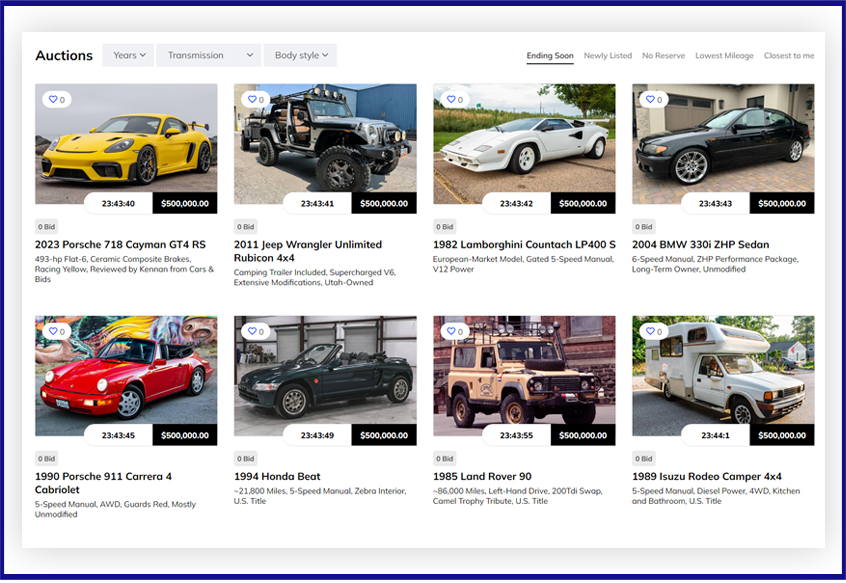
The automotive industry is constantly evolving, and auto auctions are no exception. The rise of digital platforms has significantly altered the landscape, offering new avenues for financially savvy buyers.
Online Auction Platforms: Convenience vs. Due Diligence
Online auctions, mirroring their physical counterparts, offer a vast selection of vehicles from various sources.
- Pros: Convenience (bid from anywhere), wider geographical reach, more frequent auctions. This can lead to better deals by expanding your search radius.
- Cons: The primary financial risk is the inability to conduct a physical inspection. Buyers must rely heavily on detailed descriptions, photos, and robust VIN reports. Some platforms offer third-party inspection services, which are a worthwhile financial investment for mitigating risk.
- Leveraging Technology: Advanced filtering tools, watchlist features, and automated bidding systems can help manage your budget and target specific vehicles more efficiently.
Leveraging Technology for Financial Advantage
Beyond direct bidding, technology empowers auction buyers through:
- Data Analytics: Using apps and websites to track historical auction prices for specific models can inform your bidding strategy and help avoid overpaying.
- Communication Tools: Forums and social media groups dedicated to auction buying can provide invaluable tips, insights, and warnings about specific auction houses or vehicle types, enhancing your collective financial intelligence.
- Virtual Tours and High-Resolution Imaging: As technology advances, online auctions are providing increasingly detailed visual and virtual inspection tools, bridging the gap with physical inspections and reducing uncertainty.
In conclusion, buying from an auto auction is a powerful strategy for astute financial management and vehicle acquisition. It demands diligent research, disciplined budgeting, and a keen understanding of both the process and the inherent risks. For those willing to invest the time and effort, the rewards – in terms of significant savings and acquiring valuable assets – can be substantial, making the auto auction a cornerstone of smart personal and business finance.
aViewFromTheCave is a participant in the Amazon Services LLC Associates Program, an affiliate advertising program designed to provide a means for sites to earn advertising fees by advertising and linking to Amazon.com. Amazon, the Amazon logo, AmazonSupply, and the AmazonSupply logo are trademarks of Amazon.com, Inc. or its affiliates. As an Amazon Associate we earn affiliate commissions from qualifying purchases.