
In an increasingly interconnected world, air travel has become a cornerstone of both personal and professional life. Yet, for many, the process of purchasing flight tickets remains a perplexing challenge, often feeling like a high-stakes gamble against ever-shifting prices. Beyond simply finding a seat, the astute traveler seeks to navigate this complex landscape with financial intelligence, ensuring every dollar spent translates into maximum value. This guide delves into the intricate financial dynamics of air travel, equipping you with the strategies, tools, and insights necessary to become a master of economical flight booking. From decoding opaque pricing algorithms to leveraging sophisticated financial instruments, we transform the often-stressful task of buying flight tickets into an empowering exercise in personal finance management.

Decoding Flight Pricing: Understanding the Dynamics of Airfares
The cost of a flight ticket is rarely static; it’s a fluid entity influenced by a multitude of economic, logistical, and behavioral factors. Understanding these underlying mechanisms is the first step toward making financially informed decisions.
The Volatile Nature of Air Ticket Costs
Airline pricing is a sophisticated exercise in yield management, where complex algorithms continuously adjust fares based on real-time demand, available inventory, competitor pricing, and even individual booking patterns. This dynamic pricing model means that the price of a seat can change multiple times within an hour, reflecting a delicate balance between maximizing revenue and filling planes. Factors like fuel costs, operational expenses, regulatory fees, and currency exchange rates also contribute to the base fare, creating a constantly fluctuating financial landscape for consumers. The perception of unfairness often stems from this opacity, but by recognizing its systemic nature, travelers can better position themselves to exploit favorable conditions rather than fall victim to rising costs.
Seasonal and Demand-Driven Fluctuations
A primary driver of flight ticket prices is the interplay of supply and demand, heavily influenced by seasons, holidays, and major events. Peak travel seasons, such as summer holidays, Christmas, and Easter, inevitably see a surge in demand, leading to significantly higher fares. Conversely, shoulder seasons (spring and autumn) and off-peak periods typically offer more attractive pricing as airlines compete for a smaller pool of travelers. Even within a week, prices can vary; flying on Tuesdays, Wednesdays, and Saturdays often proves cheaper than Fridays or Sundays, which are popular for weekend getaways. Understanding these predictable cycles allows for strategic planning, enabling travelers to save substantially by adjusting their travel dates or destinations to align with periods of lower demand. This flexibility, while not always possible, is a powerful financial lever.
Unmasking Hidden Fees and Ancillary Charges
The advertised base fare is seldom the final price. Airlines, particularly budget carriers, have become adept at unbundling services, turning previously included amenities into additional revenue streams. These “ancillary charges” can significantly inflate the total cost and surprise unsuspecting travelers. Common hidden fees include:
- Baggage Fees: Charges for checked luggage and, increasingly, for carry-on bags that exceed specific dimensions or weight limits.
- Seat Selection Fees: The option to choose a specific seat, particularly for window or aisle preferences, often comes at an extra cost.
- Credit Card Surcharges: Some airlines levy a fee for payments made with certain credit cards.
- Booking Fees: Charges for booking through the airline’s website or a third-party agent.
- Change/Cancellation Fees: Penalties for modifying or canceling a booking, which can sometimes exceed the original ticket price.
- In-flight Services: Meals, entertainment, and Wi-Fi often come with an additional price tag.
Savvy travelers budget for these potential additions from the outset, carefully reviewing the airline’s fee structure before committing to a purchase. Ignoring these can lead to a false sense of a good deal, only for the final financial outlay to be much higher than anticipated.
Strategic Booking: Timing, Tools, and Techniques for Maximum Savings
Beyond understanding how prices are set, mastering the art of flight booking involves employing specific strategies and tools to secure the best possible value for your money.
The ‘Goldilocks Zone’ for Booking Your Flight
Conventional wisdom suggests booking far in advance, but there’s a nuanced sweet spot for optimal pricing. Too early, and airlines may not yet have optimized their lowest fare buckets; too late, and demand surges, pushing prices up. Research generally indicates that for international flights, booking between 2 to 8 months in advance tends to yield the best prices. For domestic flights, the window narrows to about 1 to 3 months out. However, this is not a hard-and-fast rule and can vary based on destination popularity, airline competition, and specific travel dates. Consistently monitoring prices within this “Goldilocks Zone” using price alerts from various platforms is a financially prudent approach. Deviating significantly outside this window, either too early or too late, generally results in higher costs.
Harnessing the Power of Flight Search Engines
The digital age has blessed travelers with powerful aggregation tools designed to compare prices across hundreds of airlines and online travel agencies (OTAs). Websites like Google Flights, Skyscanner, Kayak, Expedia, and Momondo are indispensable for comprehensive price discovery. These platforms offer robust filtering options for dates, airlines, layovers, and even departure/arrival airports, enabling travelers to identify the most cost-effective routes. While these tools are excellent for initial research, it’s often wise to cross-reference prices directly on the airline’s own website. Sometimes, airlines offer exclusive deals or slightly lower prices when booked directly, bypassing the commission fees charged by OTAs.
The Incognito Mode Myth and Browser Optimization
A popular belief suggests that searching for flights in “incognito” or “private” browsing mode prevents airlines and OTAs from tracking your search history and raising prices based on perceived interest. While these modes prevent local storage of cookies, their impact on dynamic airline pricing is widely debated and often exaggerated. Airline pricing algorithms are far more sophisticated, considering real-time demand and inventory rather than individual browser cookies. However, it doesn’t hurt to clear your browser’s cookies and cache periodically or use incognito mode for initial searches, primarily to ensure you’re seeing the freshest data without any cached price information. The true financial benefit lies more in comparing across multiple devices, networks, and even VPN locations, rather than solely relying on incognito browsing.
Flexibility is Your Financial Friend
One of the most potent weapons in a budget traveler’s arsenal is flexibility. Being open to slight adjustments in your travel plans can unlock significant savings:
- Flexible Dates: As discussed, even shifting your departure or return by a day or two can dramatically alter prices. Many search engines offer “flexible date” views or calendar tools to visualize the cheapest days to fly.
- Flexible Airports: Consider flying into or out of alternative, smaller airports near your desired destination. These often have lower landing fees, which airlines can pass on as savings to passengers.
- Flexible Destinations: If your primary goal is simply to “get away,” rather than visit a specific location, using tools that show “flights to everywhere” can reveal incredibly cheap last-minute deals or destinations with low demand.
- Connecting Flights: Direct flights are convenient but often pricier. Opting for flights with layovers, especially longer ones, can frequently result in substantial savings, though it requires a greater time investment.
Embracing flexibility requires a mindset shift from rigid planning to opportunistic travel, but the financial rewards can be substantial.
Maximizing Value Through Financial Instruments and Loyalty Programs
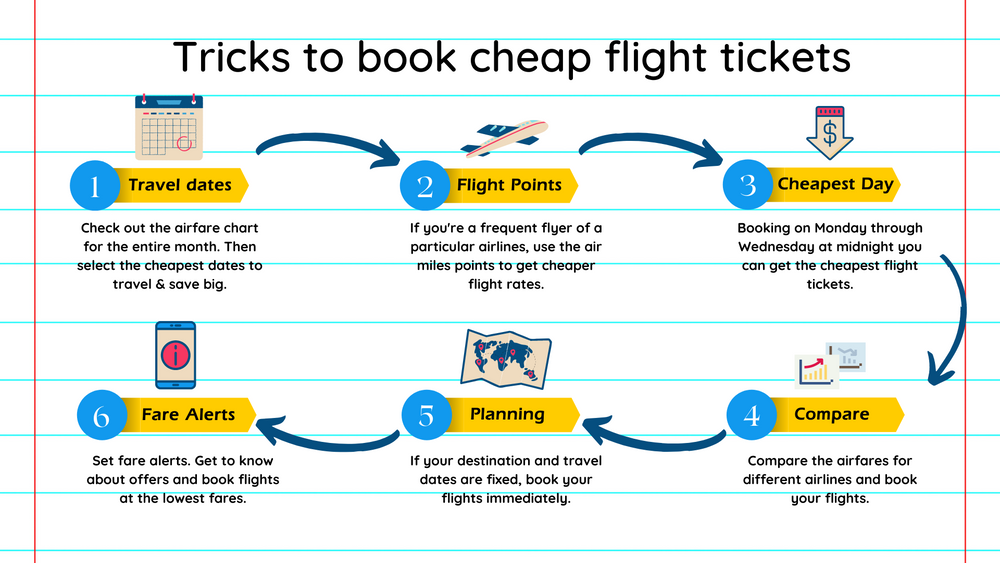
Smart spending on flights extends beyond just finding the lowest cash price; it involves leveraging financial products and airline loyalty programs to accrue benefits, reduce costs, and protect your investment.
Leveraging Travel Credit Cards for Rewards and Benefits
Travel-specific credit cards are powerful financial tools that can significantly reduce the effective cost of air travel. These cards typically offer:
- Sign-Up Bonuses: Large point or mile bonuses upon meeting initial spending requirements, often enough for a free domestic or even international flight.
- Accelerated Earnings: Higher earning rates on travel purchases or everyday spending categories, accumulating points faster.
- Travel Perks: Benefits like free checked bags, lounge access, priority boarding, annual travel credits, and elite status qualification boosters.
- Travel Insurance: Many premium travel cards offer comprehensive travel insurance, including trip cancellation/interruption, baggage delay, and rental car insurance, providing a crucial financial safety net.
Before applying, research cards that align with your spending habits and preferred airlines/alliances. Understand annual fees, interest rates, and redemption options to ensure the benefits outweigh the costs. Using these cards strategically can transform your flight purchases into opportunities for future free or discounted travel, effectively reducing your overall travel budget.
Navigating Airline Loyalty Programs and Alliances
Loyalty programs, often free to join, reward repeat customers with points or miles that can be redeemed for flights, upgrades, or other travel services. Understanding airline alliances (e.g., Star Alliance, SkyTeam, Oneworld) is key, as accumulating miles with one member airline can often be redeemed on any other airline within the same alliance. This provides flexibility and expands your earning and redemption opportunities.
- Strategic Earning: Focus your flight purchases and credit card spending on a specific airline or alliance to consolidate your points.
- Elite Status: Achieving elite status (e.g., Silver, Gold, Platinum) through frequent flying or credit card spending unlocks benefits like complimentary upgrades, bonus miles, dedicated customer service, and waived fees, representing significant financial value.
- Redemption Sweet Spots: Research the best ways to redeem your miles. Sometimes, redeeming for international business or first-class flights offers a much higher “value per mile” than domestic economy flights.
While the primary goal of loyalty programs for airlines is to encourage repeat business, for consumers, they represent a tangible way to extract long-term financial value from their travel expenditures.
The Role of Travel Insurance in Protecting Your Investment
Even the most meticulously planned trip can encounter unforeseen disruptions. Trip cancellation due to illness, lost luggage, flight delays, or medical emergencies abroad can lead to significant financial losses. Travel insurance, purchased separately or often included as a benefit with premium travel credit cards, acts as a crucial financial safeguard.
- Trip Cancellation/Interruption: Reimburses non-refundable expenses if your trip is canceled or cut short due to covered reasons.
- Medical Emergencies: Covers emergency medical treatment and evacuation costs, which can be astronomically expensive overseas.
- Baggage Protection: Provides compensation for lost, stolen, or delayed luggage.
- Flight Delay Compensation: Offers reimbursement for expenses incurred due to significant flight delays.
While it represents an upfront cost, travel insurance is an investment in peace of mind and protection against potentially crippling financial setbacks. When assessing policies, compare coverage limits, deductibles, and exclusions to find one that appropriately mitigates your financial risk.
Advanced Tactics for the Budget-Conscious Jet-Setter
For those truly committed to optimizing their flight expenditure, there are several advanced strategies that can unlock even greater savings and value.
Exploring Alternative Routes: One-Way vs. Round-Trip and Open-Jaws
While round-trip tickets often offer convenience, they aren’t always the cheapest option. Sometimes, purchasing two separate one-way tickets on different airlines can be more economical, especially if one airline has a strong deal for a specific leg of the journey. This strategy also provides greater flexibility for cancellations or changes to one leg without affecting the other.
“Open-jaw” flights, where you fly into one city and depart from another (e.g., London to Paris, then Rome to London), can also be cost-effective for multi-city European trips. These complex itineraries require more research but can often save money compared to booking separate flights or a traditional round-trip to a single city with ground travel in between.
Capitalizing on Error Fares and Flash Sales
Error fares, also known as “mistake fares,” occur when airlines accidentally publish incorrect, unusually low prices due to technical glitches, human error, or currency conversion mistakes. While rare, these can offer incredible savings. Websites and forums dedicated to tracking deals often highlight these fares, but they require immediate booking as airlines typically correct them quickly. Similarly, flash sales are time-sensitive promotions offering significant discounts on specific routes for a limited period. Subscribing to deal alerts from various travel sites and airlines is essential to catch these fleeting opportunities, which demand decisiveness and financial readiness.

Budgeting Beyond the Ticket: A Holistic Financial Approach
The true cost of travel extends beyond the flight ticket. A financially savvy traveler adopts a holistic budgeting approach, considering all aspects of the trip:
- Accommodation: Researching hotels, hostels, or alternative accommodations (e.g., Airbnb) that align with your budget.
- Ground Transportation: Factoring in costs for taxis, public transport, rental cars, and fuel at your destination.
- Food and Drink: Allocating a realistic daily budget for meals, snacks, and beverages.
- Activities and Sightseeing: Estimating costs for excursions, museum entries, and entertainment.
- Contingency Fund: Always setting aside extra money for unforeseen expenses or emergencies.
By meticulously planning and budgeting for all aspects of a trip, travelers can ensure that their efforts to secure cheap flight tickets aren’t undermined by overspending in other areas. This comprehensive financial perspective is the hallmark of a truly economically intelligent traveler.
In conclusion, buying flight tickets is far more than a simple transaction; it’s a strategic financial endeavor. By understanding the intricacies of airline pricing, employing smart booking tactics, leveraging financial tools like travel credit cards and loyalty programs, and adopting a holistic budgeting approach, travelers can transform themselves from passive consumers into proactive financial navigators. The world awaits, and with these insights, you are now equipped to explore it with greater financial confidence and discernment.
aViewFromTheCave is a participant in the Amazon Services LLC Associates Program, an affiliate advertising program designed to provide a means for sites to earn advertising fees by advertising and linking to Amazon.com. Amazon, the Amazon logo, AmazonSupply, and the AmazonSupply logo are trademarks of Amazon.com, Inc. or its affiliates. As an Amazon Associate we earn affiliate commissions from qualifying purchases.