
The landscape of personal finance has undergone a seismic shift over the last decade. What began as a fringe technological experiment has evolved into a legitimate asset class recognized by institutional investors, sovereign nations, and retail traders alike. Cryptocurrency is no longer just a buzzword; it is a critical component of the modern financial toolkit. However, for those standing on the sidelines, the point of entry can seem daunting. Buying cryptocurrency requires a blend of technical preparation, financial discipline, and strategic foresight.
This guide focuses on the “Money” aspect of the digital asset space—viewing cryptocurrency through the lens of investment, wealth preservation, and portfolio management. Whether you are looking to hedge against inflation with Bitcoin or explore the decentralized finance (DeFi) ecosystems, the following sections will outline the path from fiat currency to digital ownership.

Establishing Your Financial Foundation for Crypto Investing
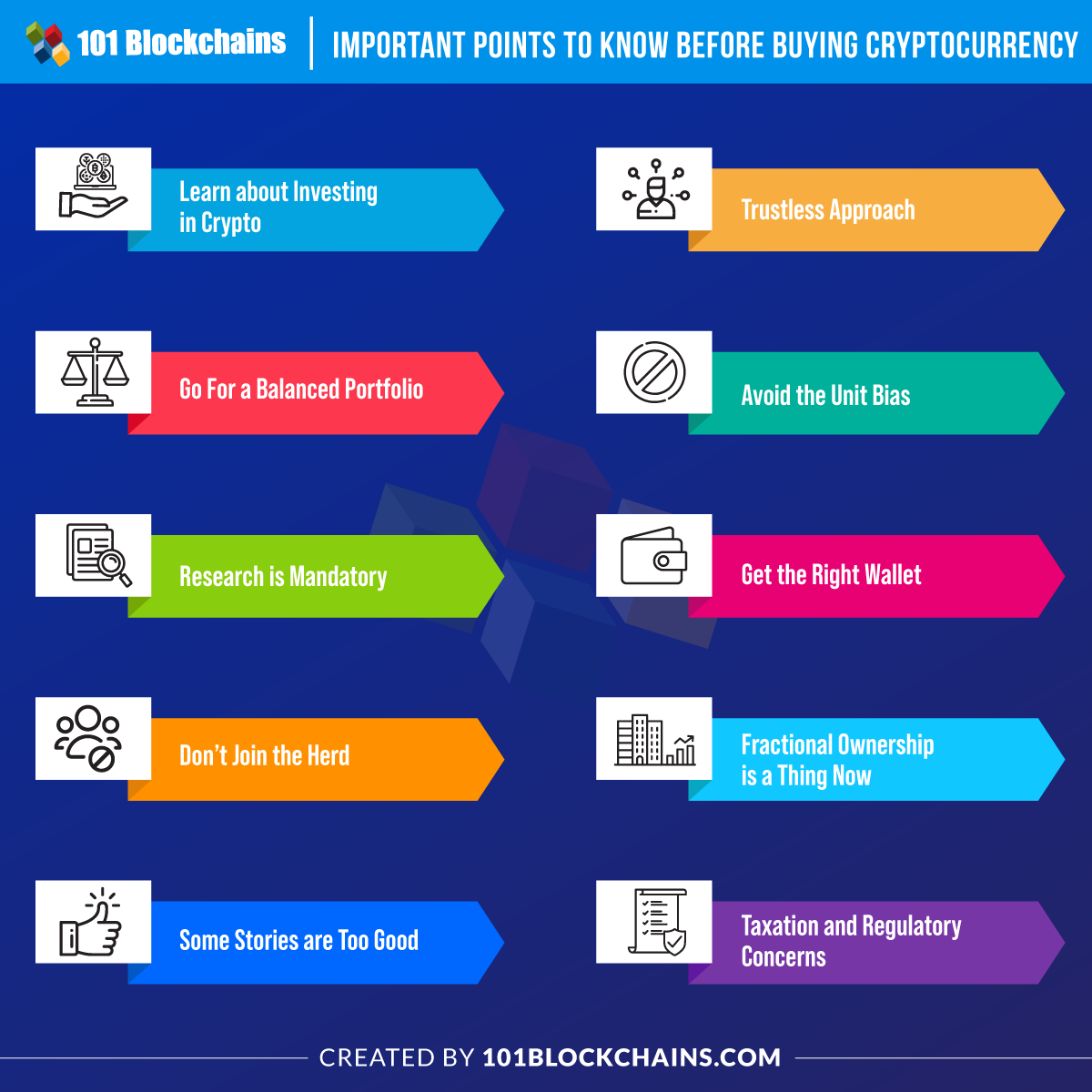
Before clicking “buy,” a prudent investor must treat cryptocurrency with the same rigor as stocks, bonds, or real estate. Because of its inherent volatility, crypto should never be approached with an “all-in” mentality. Instead, it should be integrated into a broader financial strategy.
Assessing Risk Tolerance and Portfolio Allocation
The first step in buying cryptocurrency is determining how much of your net worth should be exposed to this market. Financial advisors often suggest a “barbell strategy” or a modest allocation ranging from 1% to 5% of a total portfolio for most investors. Cryptocurrencies are high-risk, high-reward assets. While they offer the potential for asymmetric returns, they are also prone to drawdowns of 50% or more. Assessing your risk tolerance involves asking yourself: If this investment dropped 80% tomorrow, would my daily life or long-term financial goals be compromised? If the answer is yes, you are over-leveraged.
Setting Up a Budget for Volatile Assets
Successful investing is as much about psychology as it is about mathematics. One of the most effective ways to manage the stress of crypto price swings is through Dollar-Cost Averaging (DCA). Instead of trying to “time the bottom” and making a single large purchase, you commit to buying a fixed dollar amount at regular intervals (e.g., $100 every two weeks). This strategy reduces the impact of volatility and ensures you are buying more units when prices are low and fewer when prices are high, effectively lowering your average cost basis over time.
Choosing the Right Infrastructure: Exchanges and Platforms
To buy cryptocurrency, you need a bridge between the traditional banking system and the blockchain. This bridge is typically a cryptocurrency exchange. Choosing the right platform is a balance between security, ease of use, and cost.
Centralized Exchanges (CEXs) vs. Decentralized Exchanges (DEXs)
For most beginners, a Centralized Exchange (CEX) like Coinbase, Kraken, or Binance is the logical starting point. These platforms operate similarly to traditional brokerage accounts. They provide a user-friendly interface, customer support, and the ability to link your bank account directly.
Conversely, Decentralized Exchanges (DEXs) like Uniswap or SushiSwap allow for peer-to-peer trading without an intermediary. While DEXs offer more privacy and access to a wider variety of “altcoins,” they require a deeper understanding of digital wallets and do not accept direct fiat (USD/EUR) deposits. For your first purchase, a reputable CEX is almost always the recommended route.
Evaluating Fee Structures and Liquidity
From a financial perspective, fees are the silent killer of returns. When choosing an exchange, pay close attention to the fee schedule. Some platforms charge a flat fee per transaction, while others use a “maker-taker” model or a spread (the difference between the buy and sell price). Additionally, consider “liquidity”—the ability to buy or sell an asset without causing a significant movement in its price. High-volume exchanges ensure that when you want to exit a position, you can do so at the current market rate without “slippage” eating into your profits.
The Step-by-Step Process of Executing Your First Trade

Once you have selected a platform, the process of moving your money into the crypto market involves several regulatory and technical steps.
Identity Verification and KYC Protocols
In the modern financial era, “Know Your Customer” (KYC) regulations are mandatory for any exchange that interacts with the traditional banking system. When you sign up, you will be required to provide government-issued identification, proof of address, and sometimes a facial recognition scan. While this may feel intrusive to those seeking the “anonymity” often associated with crypto, it is a vital safeguard that protects the platform from money laundering and provides you with legal recourse should issues arise with your account.
Funding Your Account with Fiat Currency
After your account is verified, you must transfer “fiat” (traditional money) into the exchange. Most platforms offer several methods:
- ACH Transfers: Usually free but can take 3–5 days to clear.
- Wire Transfers: Faster (often same-day) but usually incur a bank fee.
- Debit/Credit Cards: Instant, but usually carry the highest fees (sometimes 3% or more).
From a wealth-building perspective, ACH transfers are generally preferred to minimize overhead costs.
Placing Market vs. Limit Orders
When you are ready to buy, you will encounter different order types. A Market Order executes your trade immediately at the best available current price. This is convenient but can be risky during periods of high volatility. A Limit Order allows you to set a specific price at which you are willing to buy. The trade will only execute if the market hits that price. Using limit orders is a hallmark of a disciplined investor, as it prevents “FOMO” (Fear Of Missing Out) from driving you to buy at a local peak.
Post-Purchase Management: Security and Custody Solutions
Buying the asset is only half the battle; protecting it is the other. In the world of crypto, you are your own bank. This brings immense freedom but also significant responsibility.
The Importance of Non-Custodial Wallets
When you keep your crypto on an exchange, you do not technically “own” the coins in a cryptographic sense; the exchange holds them for you. If the exchange goes bankrupt or is hacked, your funds may be lost. The industry mantra is: “Not your keys, not your coins.” To truly secure your investment, you should eventually move your assets to a private, non-custodial wallet where you control the “private keys” (the digital equivalent of a vault combination).
Cold Storage vs. Hot Wallets
There are two main types of private storage:
- Hot Wallets: These are software applications (like MetaMask or Trust Wallet) connected to the internet. They are convenient for frequent trading but are vulnerable to malware and phishing attacks.
- Cold Storage (Hardware Wallets): These are physical devices (like Ledger or Trezor) that keep your keys offline. For any significant amount of money, cold storage is the gold standard for security. It ensures that even if your computer is compromised, your digital assets remain untouchable.
Long-Term Financial Considerations and Compliance
Investing in cryptocurrency is not a “set it and forget it” endeavor. It requires ongoing maintenance, especially regarding legal and tax obligations.
Understanding Tax Obligations and Reporting
In most jurisdictions, the tax authorities view cryptocurrency as property, not currency. This means that every time you sell crypto for fiat, or even trade one crypto for another, it is a taxable event. You may be liable for capital gains tax. It is essential to keep meticulous records of your purchase dates, cost basis, and sale prices. Many investors use specialized crypto tax software that integrates with their exchange via API to automate this reporting. Failure to account for taxes can turn a profitable year into a legal and financial headache.
Developing an Exit Strategy and Rebalancing
The most common mistake in crypto investing is failing to take profits. Because of the “moonshot” culture, many investors hold through massive rallies only to see their gains evaporate in a subsequent crash. A professional financial approach involves having a clear exit strategy. This might mean selling 10% of your position every time the price doubles or rebalancing your portfolio annually to ensure crypto doesn’t become an oversized portion of your total wealth.
By treating cryptocurrency as a serious financial instrument—focusing on fees, security, and tax efficiency—you move beyond the realm of gambling and into the realm of strategic wealth management. The market is complex and fast-moving, but with a disciplined approach, it offers a unique frontier for financial growth in the 21st century.
aViewFromTheCave is a participant in the Amazon Services LLC Associates Program, an affiliate advertising program designed to provide a means for sites to earn advertising fees by advertising and linking to Amazon.com. Amazon, the Amazon logo, AmazonSupply, and the AmazonSupply logo are trademarks of Amazon.com, Inc. or its affiliates. As an Amazon Associate we earn affiliate commissions from qualifying purchases.