
The financial landscape is constantly evolving, and perhaps no innovation has captured the world’s attention quite like cryptocurrency. What began as an esoteric digital experiment has matured into a multi-trillion-dollar asset class, drawing interest from individual investors, financial institutions, and even nations. For many beginners, however, the world of Bitcoin, Ethereum, and countless altcoins can seem daunting – a labyrinth of technical jargon, volatile price movements, and a bewildering array of platforms. This guide aims to demystify the process, offering a clear, professional, and insightful roadmap for new investors looking to safely and strategically enter the cryptocurrency market.
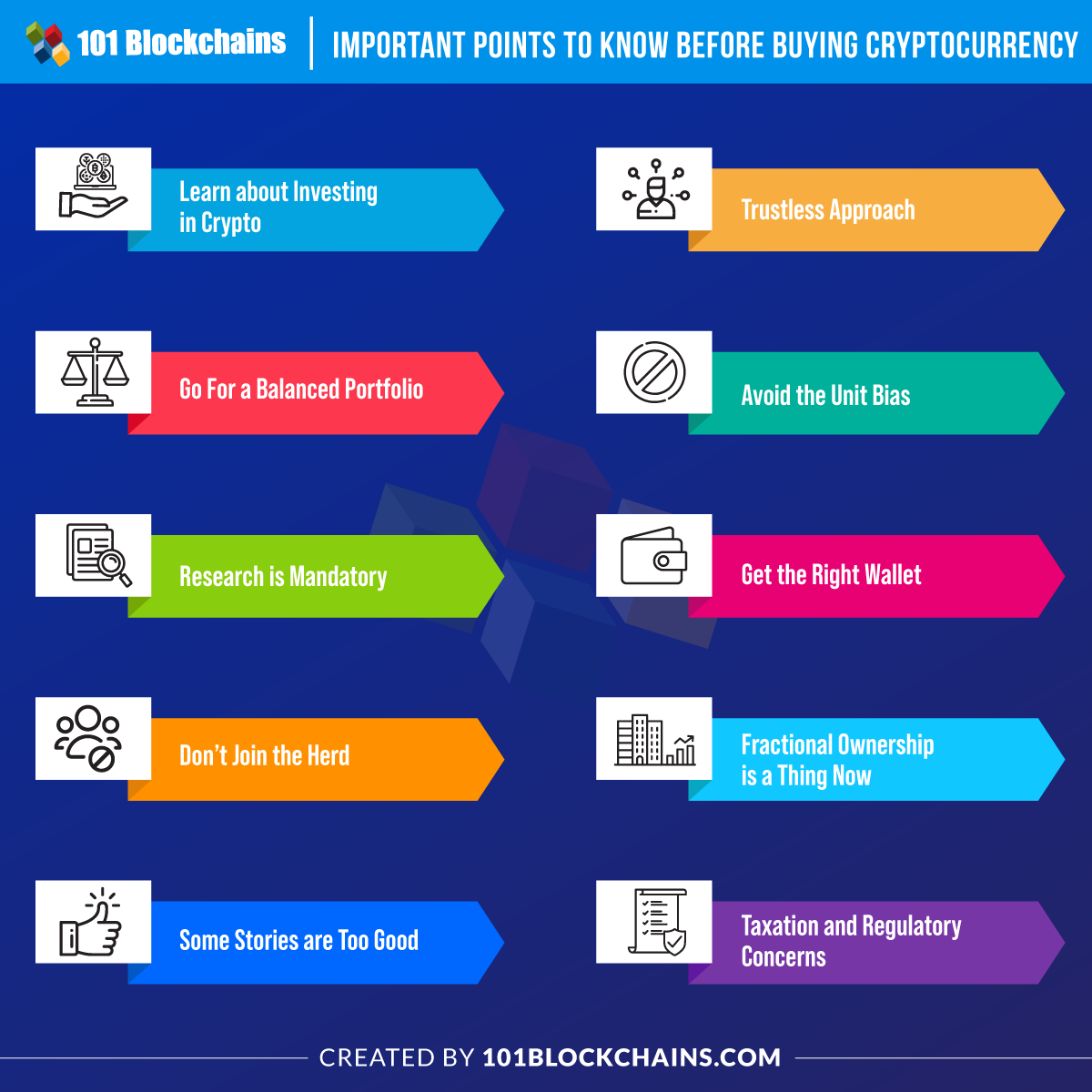
Investing in cryptocurrency isn’t just about understanding technology; it’s fundamentally about managing your finances, assessing risk, and making informed investment decisions in a new asset class. This article will focus exclusively on the financial aspects of acquiring crypto, from initial considerations and platform selection to the actual purchase process and subsequent portfolio management, all through the lens of sound personal finance principles.
Understanding the Basics Before You Invest
Before you commit any capital, it’s crucial to grasp the fundamental concepts and implications of cryptocurrency investment. This isn’t just about learning what crypto is, but understanding why people invest in it and the financial risks involved.
What is Cryptocurrency? A Financial Perspective
At its core, cryptocurrency is a digital or virtual currency secured by cryptography, making it nearly impossible to counterfeit or double-spend. Unlike traditional currencies issued by central banks, most cryptocurrencies are decentralized, meaning they are not subject to government or financial institution control. This decentralization, facilitated by blockchain technology, is a key driver of its appeal as an alternative financial asset. From an investor’s standpoint, cryptocurrency represents a novel asset class with unique characteristics:
- Store of Value: Like gold, some cryptocurrencies (e.g., Bitcoin) are seen by proponents as a hedge against inflation and a store of value due to their limited supply.
- Medium of Exchange: While not widely adopted for everyday transactions yet, cryptocurrencies offer a peer-to-peer payment system that can bypass traditional financial intermediaries, potentially reducing transaction costs and times.
- Programmable Money: Many cryptocurrencies (especially those on platforms like Ethereum) enable “smart contracts,” which are self-executing contracts with the terms of the agreement directly written into code. This opens up possibilities for decentralized finance (DeFi), offering services like lending, borrowing, and insurance without traditional banks.
Understanding these facets helps position crypto within your broader financial strategy, whether as a speculative investment, a long-term asset, or a tool for future financial services.
Why Invest in Cryptocurrency? Potential for Financial Growth
The primary motivation for many beginners entering the crypto market is the potential for significant financial returns. While past performance is no guarantee of future results, cryptocurrencies have demonstrated remarkable growth periods, outperforming many traditional asset classes. Key reasons investors consider crypto include:
- High Growth Potential: Early adoption stages and innovative technology often lead to explosive growth. A relatively small investment can, in theory, yield substantial returns if the underlying project gains widespread adoption.
- Portfolio Diversification: Adding a uncorrelated asset class like cryptocurrency can help reduce overall portfolio risk. When traditional markets (stocks, bonds) are down, crypto might perform differently, though this correlation can fluctuate.
- Access to Innovation: Investing in crypto means investing in the future of finance, blockchain technology, and decentralized applications. It offers exposure to cutting-edge advancements that could reshape industries.
- Inflation Hedge: For some, Bitcoin’s fixed supply makes it an attractive asset to hold during periods of high inflation, similar to gold.
Key Financial Risks to Consider
While the allure of high returns is strong, it’s paramount to approach cryptocurrency investment with a clear understanding of its inherent risks. These are not insignificant and demand careful financial planning:
- Extreme Volatility: Cryptocurrency markets are notoriously volatile. Prices can swing dramatically in short periods, leading to substantial gains or losses. This necessitates a strong risk tolerance and an understanding that your capital is at risk.
- Regulatory Uncertainty: The regulatory landscape for cryptocurrency is still evolving across the globe. Changes in laws and regulations can significantly impact market prices and the legality of certain activities, posing a financial and legal risk.
- Security Risks and Scams: The digital nature of crypto makes it a target for hackers and scammers. Loss of funds due to exchange hacks, phishing attempts, or investment scams is a real threat, requiring diligence in securing your assets.
- Liquidity Issues: While major cryptocurrencies are highly liquid, some smaller altcoins may have limited trading volumes, making it difficult to buy or sell them quickly without impacting their price.
- Lack of Intrinsic Value: Unlike a company stock backed by assets and earnings, or a bond with guaranteed interest payments, many cryptocurrencies derive their value purely from market demand and belief in their future utility.
Setting a Budget and Investment Goals
A cornerstone of responsible personal finance is setting a clear budget and defining your investment goals before making any purchase. This applies doubly to a high-risk asset like cryptocurrency:
- Only Invest What You Can Afford to Lose: This is the golden rule of crypto investing. Given the volatility, you should never invest funds essential for your living expenses, emergency savings, or short-term financial goals.
- Define Your Goals: Are you looking for long-term growth, short-term gains, or portfolio diversification? Your goals will influence which cryptocurrencies you choose and how you manage your portfolio.
- Start Small: For beginners, it’s wise to start with a modest amount – perhaps 1-5% of your total investment portfolio – and gradually increase your exposure as you gain experience and comfort.
Choosing the Right Platform: Where to Buy Crypto
Once you understand the financial landscape of crypto, the next practical step is to select a platform for your purchases. For beginners, cryptocurrency exchanges are the primary gateway, offering services similar to traditional stock brokers.
Centralized Exchanges (CEXs): The Beginner’s Gateway
Centralized exchanges (CEXs) are the most popular and user-friendly platforms for buying and selling cryptocurrency. They act as intermediaries, facilitating transactions between buyers and sellers and typically holding users’ funds in custodial wallets. For beginners, CEXs offer several advantages:
- Ease of Use: User-friendly interfaces, simplified buying/selling processes, and mobile apps make them accessible even for those with no prior trading experience.
- Fiat-to-Crypto On-Ramps: They allow you to fund your account directly with traditional currencies (USD, EUR, GBP) using bank transfers, debit cards, or credit cards.
- Liquidity: Major CEXs boast high trading volumes, ensuring you can buy and sell assets quickly at competitive prices.
- Security Features: Reputable CEXs implement robust security measures like two-factor authentication (2FA), cold storage for a significant portion of assets, and sometimes even insurance against certain types of losses, protecting your financial holdings.
- Customer Support: Many offer dedicated customer support, which is invaluable for new users navigating unfamiliar territory.
Popular examples include Coinbase, Binance, Kraken, and Gemini, each with slightly different fee structures, available assets, and regulatory compliance.
Decentralized Exchanges (DEXs) and Peer-to-Peer (P2P) Trading
While CEXs are ideal for beginners, it’s worth briefly understanding alternatives:
- Decentralized Exchanges (DEXs): These platforms allow users to trade cryptocurrencies directly with each other without an intermediary. They offer greater privacy and control over funds but are more complex to use, require a deeper understanding of blockchain wallets, and can have higher transaction fees (gas fees) depending on network congestion. They are generally not recommended for initial purchases by beginners.
- Peer-to-Peer (P2P) Trading: This involves direct transactions between individuals, often facilitated by a platform that holds funds in escrow. While offering flexibility, P2P trading carries higher risks of fraud if not handled carefully and typically involves more manual negotiation and trust.
For your first steps, stick to reputable centralized exchanges.
Key Factors When Selecting an Exchange
Choosing the right CEX is a critical financial decision. Consider these factors:
- Fees: Exchanges charge various fees for trading, deposits, and withdrawals. These can significantly impact your returns, especially for frequent traders or small transactions. Compare maker/taker fees, deposit fees, and withdrawal fees.
- Security: Investigate the exchange’s security history, its use of 2FA, cold storage practices, and whether it has insurance for user funds. A secure exchange protects your financial capital.
- Available Cryptocurrencies: Ensure the exchange offers the specific cryptocurrencies you wish to buy. While major coins are ubiquitous, smaller altcoins might be exclusive to certain platforms.
- User Interface (UI) and Experience (UX): For beginners, an intuitive and easy-to-navigate interface reduces the learning curve and minimizes the chance of errors.
- Regulatory Compliance: Choose an exchange that complies with local financial regulations (e.g., KYC/AML procedures). This offers legal protection and indicates a more trustworthy operation.
- Customer Support: Responsive and helpful customer support can be a lifesaver when you encounter issues with transactions or account management.
- Payment Methods: Verify that the exchange supports your preferred method for funding your account (e.g., bank transfer, debit card, PayPal).
The Step-by-Step Process of Your First Purchase
With a chosen exchange, you’re ready to make your first cryptocurrency purchase. This process is structured to ensure financial security and regulatory compliance.
Account Creation and Verification (KYC/AML)
This is the initial gateway:
- Sign Up: Visit the exchange’s website or download its mobile app and begin the registration process with your email and a strong, unique password.
- Enable Two-Factor Authentication (2FA): Immediately enable 2FA using an authenticator app (like Google Authenticator or Authy) or a hardware key. This adds a crucial layer of security to your financial account.
- Complete KYC/AML Verification: This is a mandatory step for most regulated exchanges. “Know Your Customer” (KYC) and “Anti-Money Laundering” (AML) regulations require you to provide personal identification (e.g., government ID, proof of address) to prevent financial crime. This process can take anywhere from a few minutes to several days. Without full verification, you may face limits on deposits, withdrawals, or trading.
Funding Your Account
Once your account is verified, you need to deposit funds:
- Bank Transfer (ACH/SEPA): Often the cheapest method, but can take a few business days for funds to clear and become available for trading.
- Debit/Credit Card: Funds are usually available instantly, but transaction fees can be significantly higher (e.g., 2-4%).
- Other Payment Methods: Some exchanges support services like PayPal, Apple Pay, or wire transfers, each with its own fee structure and processing times.
Always check the deposit limits and associated fees for your chosen method before proceeding.
Navigating the Trading Interface and Making Your First Purchase
Once your account is funded, you can proceed to buy cryptocurrency:
- Locate the Buy/Sell Section: Most exchanges have a prominent “Buy Crypto” or “Trade” button.
- Select Your Cryptocurrency: Choose the cryptocurrency you wish to purchase (e.g., Bitcoin, Ethereum).
- Enter the Amount: Input the amount of fiat currency you want to spend or the amount of crypto you wish to receive. The exchange will show you the estimated crypto quantity you’ll get, accounting for fees.
- Understand Order Types:
- Market Order: This executes immediately at the current market price. It’s the simplest option for beginners but can be subject to price slippage in volatile markets.
- Limit Order: This allows you to set a specific price at which you want to buy (or sell) cryptocurrency. The order will only execute if the market reaches your specified price or better. This offers more control over your purchase price.
- For beginners, a simple market buy is usually sufficient for a first small purchase.
- Review and Confirm: Carefully review all details of your order – the cryptocurrency, amount, price, and fees – before confirming the purchase.
- Confirmation: Once confirmed, the cryptocurrency will appear in your exchange wallet, typically within seconds or minutes.
Securing Your Investment and Managing Your Portfolio
Buying cryptocurrency is just the first step. Protecting your investment and managing it wisely are continuous financial responsibilities.
Understanding Cryptocurrency Wallets: Securing Your Assets
While your crypto sits on the exchange, it’s held in the exchange’s “hot wallet” – an online wallet susceptible to hacks. For larger sums, or for long-term holding, it’s prudent to transfer your assets to a more secure personal wallet.
- Hot Wallets: These are connected to the internet (e.g., exchange wallets, software wallets on your phone/computer). Convenient for frequent trading but more vulnerable to online threats.
- Cold Wallets (Hardware Wallets): These are physical devices (like a USB drive) that store your private keys offline. They are considered the most secure option for storing significant amounts of crypto, as they are impervious to online hacks. Examples include Ledger and Trezor.
When you transfer crypto from an exchange to a personal wallet, you are taking full financial control and responsibility for your assets.
Best Practices for Financial Security
Security is paramount in the crypto space. Financial losses due to security breaches are often irreversible.
- Always Use 2FA: On your exchange, email, and any other crypto-related accounts.
- Strong, Unique Passwords: Use a password manager to create and store complex, unique passwords for every service.
- Beware of Phishing: Always double-check URLs. Scammers often create fake websites that look identical to legitimate exchanges. Never click suspicious links or share your private keys/seed phrases.
- Keep Software Updated: Ensure your operating system, antivirus software, and crypto wallet apps are always up to date to patch security vulnerabilities.
- Understand Seed Phrases: If you use a personal wallet, you will be given a “seed phrase” (a series of 12-24 words). This is your ultimate backup and direct access to your funds. Write it down, store it offline in multiple secure locations, and never share it with anyone.
Diversification and Risk Management
Applying traditional investment principles to crypto can enhance your financial resilience:
- Diversify: Don’t put all your investment capital into a single cryptocurrency. Spread your investments across several different projects that you believe have long-term potential.
- Dollar-Cost Averaging (DCA): Instead of making one large lump-sum purchase, invest a fixed amount of money at regular intervals (e.g., weekly or monthly). This strategy averages out your purchase price over time, reducing the impact of market volatility and mitigating the risk of buying at a market peak.
- Only Invest What You Can Afford to Lose: Reiterate this fundamental rule.
- Set Clear Exit Strategies: Decide beforehand under what conditions you would sell a portion of your holdings (e.g., if it reaches a certain profit target, or if it falls below a certain threshold to limit losses).
Staying Informed About Market and Regulatory Changes
The crypto market is dynamic. Staying informed is crucial for managing your financial investments effectively:
- Follow Reputable News Sources: Keep up-to-date with market trends, technological developments, and regulatory news from credible financial and crypto news outlets.
- Understand Macroeconomic Factors: Broader economic conditions (inflation, interest rates) can influence crypto prices, just as they do traditional assets.
- Be Aware of Regulatory Developments: Governments worldwide are increasingly scrutinizing cryptocurrency. New laws or bans can have significant financial implications for investors.

Conclusion
Entering the world of cryptocurrency investing can be an exciting and potentially rewarding financial venture for beginners. By understanding the core financial concepts, carefully selecting a secure platform, diligently following the purchase process, and prioritizing robust security measures, you can navigate this innovative market with greater confidence. Remember, the journey into crypto investment is a marathon, not a sprint. Start small, continuously educate yourself on financial best practices, implement sound risk management strategies, and always invest responsibly. The future of finance is here, and with the right approach, you can become a part of it.
aViewFromTheCave is a participant in the Amazon Services LLC Associates Program, an affiliate advertising program designed to provide a means for sites to earn advertising fees by advertising and linking to Amazon.com. Amazon, the Amazon logo, AmazonSupply, and the AmazonSupply logo are trademarks of Amazon.com, Inc. or its affiliates. As an Amazon Associate we earn affiliate commissions from qualifying purchases.