
The world of cryptocurrency has rapidly evolved from a niche digital curiosity into a significant frontier for investment and financial innovation. As digital assets like Bitcoin and Ethereum gain mainstream acceptance, more individuals are exploring ways to participate in this dynamic market. Among the most accessible and immediate methods for acquiring cryptocurrency is through the use of a debit card. This approach bridges the gap between traditional banking infrastructure and the decentralized finance ecosystem, offering a straightforward path for everyday investors. This guide delves into the financial intricacies, strategic considerations, and practical steps involved in buying crypto with a debit card, framed exclusively within the context of personal finance, investment strategies, and the astute use of financial tools.
Understanding the Landscape of Crypto Purchases
The decision to invest in cryptocurrency, regardless of the purchasing method, inherently involves financial planning and risk assessment. Utilizing a debit card for this purpose introduces both unparalleled convenience and specific financial considerations that every prudent investor should understand.
Why Debit Cards? Convenience Meets Speed
For many, the debit card represents a familiar and trusted financial instrument, directly linked to their personal bank accounts and spending capacity. In the context of cryptocurrency acquisition, debit cards offer several compelling advantages from a financial perspective. Firstly, speed is paramount. Unlike bank transfers which can take several business days to clear, debit card transactions are often processed instantaneously, allowing investors to capitalize on market opportunities without delay. This immediate access to funds can be crucial in the fast-paced crypto market where prices can fluctuate rapidly. Secondly, the ease of use is a significant draw. Most major cryptocurrency exchanges have streamlined the process of linking a debit card, making it as simple as an online purchase. This lowers the barrier to entry for new investors who might be intimidated by more complex funding methods. Finally, for those managing their personal finances closely, using a debit card ensures that funds are drawn directly from available bank balances, preventing the accumulation of debt, which can be a risk with credit card purchases. It promotes a disciplined approach to investing, aligning with sound personal finance principles of spending only what you have.
Key Considerations Before Buying
Before diving into a crypto purchase with a debit card, it’s vital to engage in a thorough financial assessment. The cryptocurrency market is renowned for its volatility, meaning the value of your investment can swing dramatically in short periods. This inherent risk demands a clear understanding of your personal financial goals and risk tolerance. Are you investing for long-term wealth accumulation, or are you looking for short-term gains, acknowledging the higher risk involved? It’s crucial to acknowledge that while crypto offers potential for substantial returns, it also carries the risk of significant capital loss. Furthermore, the regulatory environment surrounding cryptocurrencies is still evolving across different jurisdictions. Understanding the tax implications of buying, selling, and holding crypto in your country is a critical aspect of responsible financial planning. This includes potential capital gains taxes on profits and the need for accurate record-keeping of all transactions. Ignorance of these financial obligations can lead to unexpected tax liabilities and legal complications, undermining your overall investment strategy.
The Role of Exchanges and Wallets
The ecosystem for buying and managing cryptocurrency involves a few key financial tools: exchanges and wallets. Cryptocurrency exchanges are online platforms that facilitate the buying and selling of digital assets. They act as brokers, connecting buyers and sellers and processing transactions, often for a fee. When using a debit card, you will typically interface directly with an exchange. These platforms vary widely in their fee structures, supported cryptocurrencies, security measures, and user interfaces, making the choice of exchange a critical financial decision. A well-chosen exchange can minimize transaction costs and enhance the security of your funds.
Once purchased, your cryptocurrency will need to be stored securely. This is where wallets come into play. A crypto wallet is a digital tool that allows you to store, send, and receive cryptocurrencies. There are different types of wallets, primarily categorized as “hot” wallets (connected to the internet, like those provided by exchanges or mobile apps) and “cold” wallets (offline, hardware devices). While hot wallets offer convenience for frequent trading, cold wallets are generally considered more secure for long-term holdings, mitigating the risk of cyber theft. Understanding the differences and choosing the appropriate wallet is a vital aspect of safeguarding your digital assets and managing your financial portfolio effectively.
A Step-by-Step Financial Guide to Buying Crypto
Navigating the process of purchasing cryptocurrency with a debit card requires a methodical approach, focusing on financial security, cost-efficiency, and regulatory compliance. Each step is designed to safeguard your investment and streamline the transaction.
Choosing the Right Crypto Exchange
The foundation of a successful crypto investment journey begins with selecting a reputable and financially sound cryptocurrency exchange. This decision should be based on several critical financial metrics. Firstly, consider the exchange’s fee structure: look for transparency in deposit fees, trading fees (taker/maker fees), and withdrawal fees, as these can significantly impact your net investment returns. Some exchanges may offer lower fees for debit card purchases, while others might levy higher charges for the convenience. Secondly, assess the range of cryptocurrencies supported. If you have specific assets in mind for your investment portfolio, ensure the exchange lists them. Thirdly, security is paramount. Research the exchange’s track record concerning security breaches, its insurance policies for user funds, and the implementation of robust security protocols like two-factor authentication (2FA) and cold storage for a significant portion of its assets. Finally, regulatory compliance is a key indicator of reliability. Opt for exchanges that comply with anti-money laundering (AML) and know-your-customer (KYC) regulations, as this generally indicates a more stable and trustworthy financial institution. Popular choices like Coinbase, Binance, Kraken, and Crypto.com are often good starting points, but always conduct your own due diligence.
Account Creation and Verification (KYC)
Once you’ve selected an exchange, the next step involves creating an account. This typically requires providing an email address and creating a strong password, emphasizing the importance of digital security for your financial assets. Following account creation, you will need to complete a Know Your Customer (KYC) verification process. This is a mandatory financial regulation designed to prevent fraud, money laundering, and terrorist financing. KYC typically involves providing personal identification documents, such as a government-issued ID (passport or driver’s license), proof of address (utility bill or bank statement), and sometimes a selfie for facial recognition. While this step might seem cumbersome, it is crucial for ensuring the integrity and security of the financial system and your own investments. Successful KYC verification unlocks full functionality on the exchange, including higher deposit and withdrawal limits, which are important for managing larger financial transactions.
Linking Your Debit Card
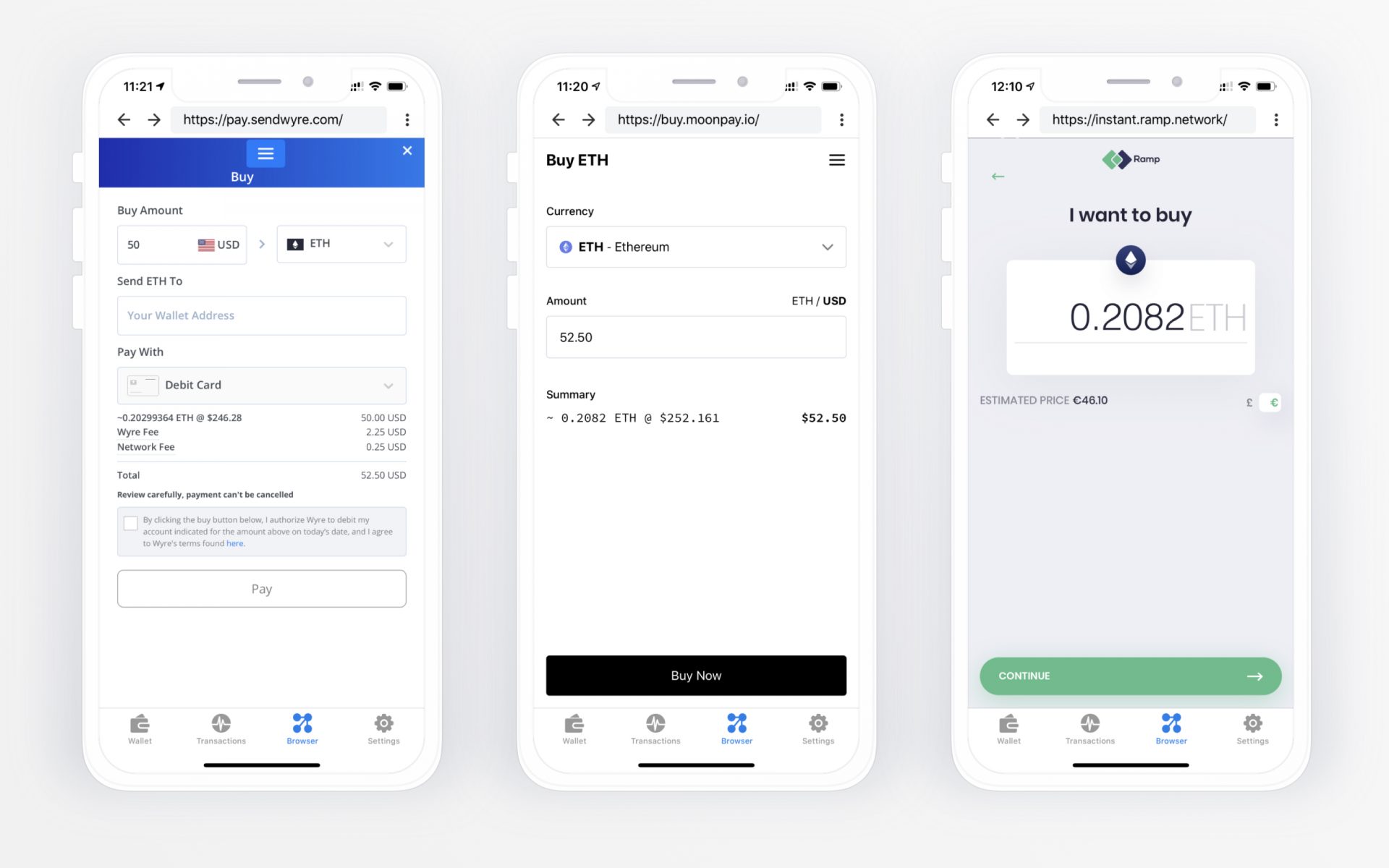
With your account verified, the next practical step is to link your debit card for funding. Navigate to the “Deposit,” “Buy Crypto,” or “Funding” section of the exchange. Select “Debit Card” or “Card Payment” as your preferred method. You will then be prompted to enter your debit card details: the 16-digit card number, expiration date, CVV, and the billing address associated with the card. It’s critical to ensure all information is entered accurately to avoid transaction failures. The exchange may perform a small authorization charge (which is usually reversed) to verify the card’s validity. Always ensure you are on the official website or app of the exchange to prevent phishing scams and protect your financial data. The security of this step relies on the exchange’s encryption protocols and your vigilance against fraudulent websites.
Executing Your Purchase
Once your debit card is linked, you’re ready to make your first crypto purchase. From the “Buy Crypto” section, select the cryptocurrency you wish to acquire (e.g., Bitcoin, Ethereum, Solana) and enter the fiat amount (e.g., USD, EUR) you intend to spend, or the amount of crypto you wish to receive. The exchange will typically display the current market price, the amount of crypto you will receive, and any associated fees. Review this information carefully, paying close attention to the total cost and the exchange rate, as these directly impact your investment. Many exchanges offer different order types: a market order executes immediately at the current market price, while a limit order allows you to set a specific price at which you are willing to buy, and the order will only execute if the market reaches that price. For immediate debit card purchases, market orders are most common. Confirm the transaction, and your crypto will typically be credited to your exchange wallet almost instantly. This rapid settlement is one of the key financial benefits of using a debit card for crypto acquisition.
Navigating Fees, Limits, and Security in Your Investment
Successfully integrating cryptocurrency into your financial portfolio requires a keen understanding of the costs involved, the constraints imposed by platforms, and the paramount importance of security. These elements directly impact the profitability and safety of your investment.
Understanding Transaction Fees
Fees are an unavoidable aspect of financial transactions, and cryptocurrency purchases via debit card are no exception. These fees can significantly erode your investment capital if not carefully considered. Typically, you will encounter several types of fees. Debit card processing fees are often higher than those for bank transfers, ranging from 1.5% to 4.5% or more per transaction, reflecting the convenience and speed. Additionally, exchanges may charge trading fees for executing your buy order, which can be a flat fee or a percentage of the transaction volume. When later selling your crypto, withdrawal fees may apply if you move funds back to your bank account. Some exchanges also factor in a spread, which is the difference between the bid and ask price, effectively acting as an indirect fee. Always examine the exchange’s fee schedule rigorously before committing to a purchase. Factor these costs into your financial planning to accurately assess the true cost of your investment and its potential returns. Opting for exchanges with transparent and competitive fee structures can save you a substantial amount over time, enhancing your overall investment profitability.
Debit Card Purchase Limits
To mitigate financial risk and comply with regulatory requirements, cryptocurrency exchanges often impose daily, weekly, or monthly purchase limits for debit card transactions. These limits can vary based on your account verification level (KYC completion), your country of residence, and the exchange’s internal policies. For new or partially verified accounts, these limits might be relatively low, sometimes only a few hundred dollars per day. Fully verified accounts typically enjoy higher limits, which can extend into thousands or even tens of thousands of dollars. While these limits can be restrictive for larger investors, they serve as a financial safeguard, preventing excessive immediate exposure and helping to manage financial risk, both for the individual and the platform. Before planning a significant investment, it’s advisable to check the specific debit card limits of your chosen exchange to ensure they align with your financial strategy and investment goals.
Securing Your Investment
The digital nature of cryptocurrency makes robust security measures absolutely critical for protecting your financial assets. Beyond choosing a secure exchange, individual best practices play a vital role. The cornerstone of personal crypto security is using strong, unique passwords for your exchange accounts and enabling two-factor authentication (2FA) wherever possible. 2FA adds an extra layer of security, requiring a second verification method (like a code from an authenticator app or SMS) in addition to your password, significantly reducing the risk of unauthorized access to your funds. Beyond account security, consider the storage of your cryptocurrency. While leaving funds on an exchange (hot wallet) offers convenience for trading, it carries a higher risk of cyber theft. For long-term investments, moving your assets to a personal hardware wallet (cold storage) is often recommended. Hardware wallets store your private keys offline, making them impervious to online hacking attempts, thus providing the highest level of financial security for your digital wealth. Regularly backing up your wallet seed phrase and storing it in a secure, offline location is also a crucial step in preventing permanent loss of your funds.
Tax Implications of Crypto Investments
A critical yet often overlooked aspect of crypto investing within personal finance is understanding the tax implications. In many jurisdictions, cryptocurrencies are treated as property for tax purposes, not currency. This means that gains from selling crypto, exchanging it for other crypto, or using it to purchase goods and services are often subject to capital gains tax. Conversely, if you sell crypto for less than you bought it, you might be able to claim a capital loss, which can offset other capital gains. The specific tax rules vary significantly by country and even state/province, making it imperative for investors to consult with a financial advisor or tax professional familiar with cryptocurrency taxation. Accurate record-keeping of all transactions – including purchase dates, acquisition costs, sale dates, and selling prices – is essential for calculating your tax liabilities correctly. Failing to report crypto gains can result in penalties and legal repercussions, underscoring the importance of integrating tax planning into your overall crypto investment strategy.
Responsible Investing and Risk Management
Investing in cryptocurrency, particularly with the ease of a debit card, necessitates a strong emphasis on responsible financial practices and robust risk management strategies. The allure of high returns must always be balanced with a clear understanding of inherent market challenges.
Volatility and Market Risks
The cryptocurrency market is characterized by extreme price volatility, making it one of the riskiest asset classes for investment. Unlike traditional markets, crypto can experience dramatic price swings—up or down—within hours or even minutes. This volatility is driven by a multitude of factors, including market sentiment, regulatory news, technological developments, macroeconomic trends, and even social media influence. While this presents opportunities for significant gains, it equally exposes investors to the risk of substantial financial losses. A responsible investor acknowledges this inherent market risk and does not enter the market with funds they cannot afford to lose. Understanding and accepting this level of risk is a fundamental principle of sound financial management in the crypto space. It involves emotional discipline and avoiding impulsive decisions driven by fear of missing out (FOMO) or panic selling during downturns.
Diversification Strategies
A core principle of prudent financial investment is diversification, and this holds true for cryptocurrency. “Not putting all your eggs in one basket” is particularly relevant in a volatile market where individual assets can experience significant independent price movements. Instead of investing your entire capital into a single cryptocurrency, consider spreading your investment across several different digital assets. This could include a mix of established large-cap cryptocurrencies (like Bitcoin and Ethereum), mid-cap altcoins with promising use cases, and even smaller-cap projects if you have a higher risk tolerance and have done extensive research. Diversification helps to mitigate idiosyncratic risk – the risk specific to a particular asset. If one asset in your portfolio performs poorly, the impact on your overall investment might be cushioned by the positive performance of others. This strategic allocation of funds is a sophisticated approach to managing financial risk and aiming for more stable, long-term portfolio growth.
Only Invest What You Can Afford to Lose
This maxim is perhaps the most crucial financial principle for anyone considering cryptocurrency investment. Given the high-risk, high-reward nature of the market, it is imperative to allocate only discretionary funds—money whose loss would not adversely affect your essential financial stability or quality of life. This means avoiding the use of funds earmarked for rent, bills, education, or emergency savings. Investing borrowed money, leveraging too heavily, or overextending your personal finances for crypto can lead to severe financial distress if the market moves unfavorably. A responsible approach to personal finance dictates that your core financial well-being should never be jeopardized by speculative investments. Treat crypto investments as a potential growth driver for your wealth, but always prioritize your financial security and stability above all else. This mindset helps maintain a healthy perspective and prevents emotional, financially detrimental decisions.
Staying Informed and Continuous Learning
The cryptocurrency landscape is dynamic and ever-evolving. New technologies, projects, regulations, and market trends emerge constantly. Therefore, continuous learning and staying informed are vital components of responsible crypto investing. This involves regularly reading reputable financial news sources, following industry analyses, understanding technological advancements (without getting bogged down in overly technical jargon), and keeping abreast of regulatory changes that could impact your investments. Financial literacy in the crypto space is not a one-time achievement but an ongoing process. Educating yourself helps you make more informed investment decisions, identify potential opportunities, and better understand the risks involved. It equips you with the knowledge to adapt your financial strategy as the market matures and transforms, ensuring your investment approach remains relevant and resilient.

Conclusion
Buying cryptocurrency with a debit card stands as one of the most accessible and immediate pathways into the burgeoning digital asset market. It simplifies the funding process, leveraging a familiar financial tool for rapid transaction settlement, making it particularly appealing for new investors. However, this convenience must be balanced with a comprehensive understanding of the financial implications and a disciplined approach to investment.
From carefully selecting a reputable exchange with transparent fee structures to meticulously completing KYC verification and securing your digital assets, each step requires attention to detail. Understanding the various transaction fees, acknowledging purchase limits, and implementing robust security measures like 2FA and cold storage are not merely technicalities but critical aspects of safeguarding your financial capital. Furthermore, integrating tax planning into your investment strategy and maintaining meticulous records are essential for responsible financial stewardship.
Ultimately, successful participation in the cryptocurrency market, especially when using a debit card, hinges on responsible financial behavior. This includes acknowledging the inherent market volatility, diversifying your investment portfolio, adhering to the fundamental principle of investing only what you can afford to lose, and committing to continuous financial education. By approaching crypto purchases with a debit card through a lens of informed personal finance and strategic risk management, investors can navigate this exciting frontier with greater confidence and potentially position themselves for long-term financial growth in the digital age.
aViewFromTheCave is a participant in the Amazon Services LLC Associates Program, an affiliate advertising program designed to provide a means for sites to earn advertising fees by advertising and linking to Amazon.com. Amazon, the Amazon logo, AmazonSupply, and the AmazonSupply logo are trademarks of Amazon.com, Inc. or its affiliates. As an Amazon Associate we earn affiliate commissions from qualifying purchases.