
The world of cryptocurrency has rapidly evolved from a niche interest to a global financial phenomenon, capturing the attention of individual investors, institutional players, and governments alike. Bitcoin, Ethereum, and thousands of other digital assets are reshaping how we perceive value, transactions, and ownership. For many, the prospect of entering this exciting market can seem daunting, riddled with technical jargon, market volatility, and a perceived barrier to entry. This comprehensive guide aims to demystify the process, providing a clear, step-by-step roadmap for beginners looking to make their first cryptocurrency purchase. We’ll focus exclusively on the financial aspects, equipping you with the knowledge to invest wisely, manage risk, and secure your digital assets within the broader context of personal finance and investment strategy.
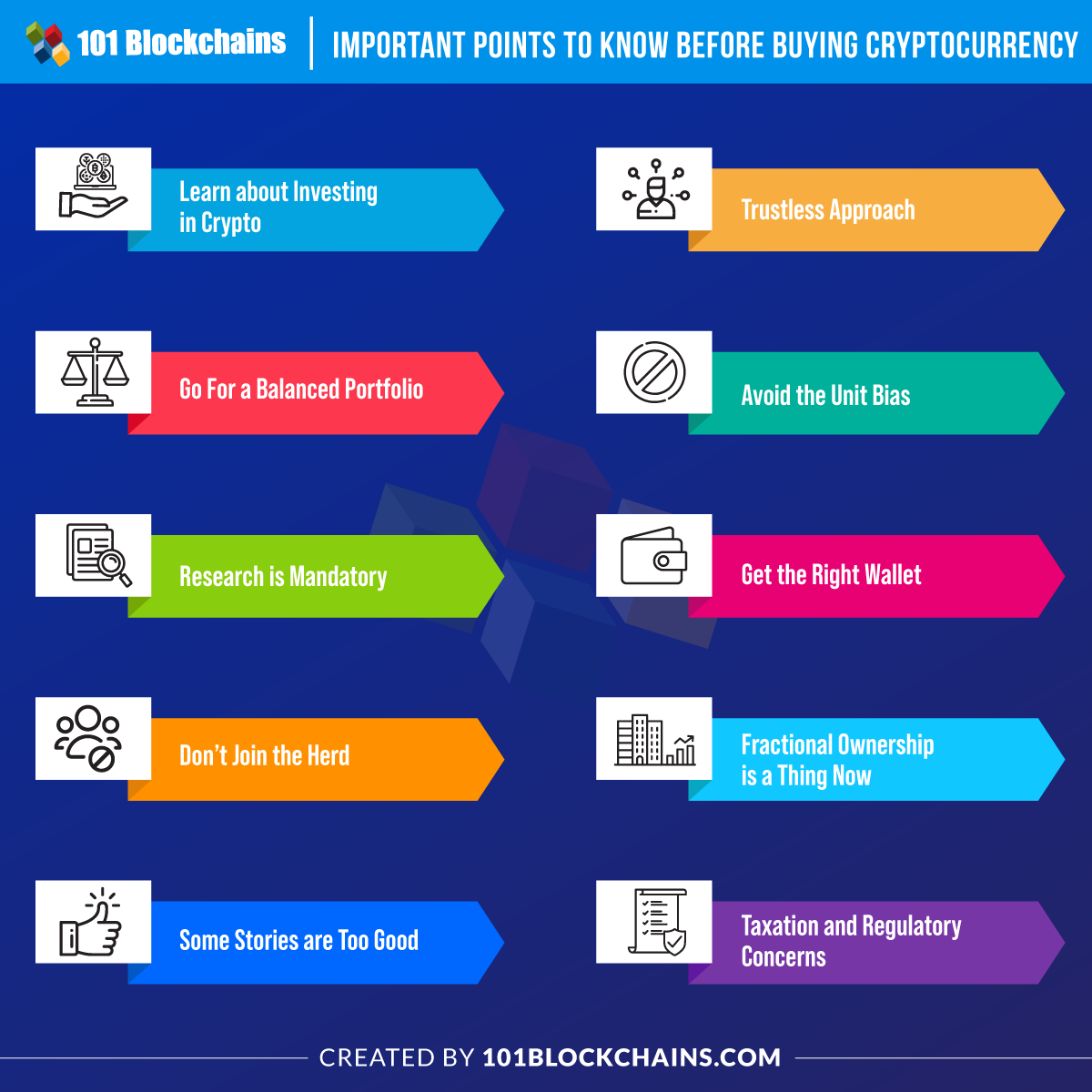
Understanding the Crypto Landscape Before You Invest
Before you even think about hitting the ‘buy’ button, it’s crucial to lay a solid foundation of understanding. Cryptocurrency isn’t just a new type of money; it represents a paradigm shift in financial technology, and approaching it with a well-informed perspective is paramount to success and risk mitigation.
What is Cryptocurrency?
At its core, cryptocurrency is a digital or virtual currency secured by cryptography, making it nearly impossible to counterfeit or double-spend. Most cryptocurrencies are decentralized networks based on blockchain technology—a distributed ledger enforced by a disparate network of computers. This decentralization is a key differentiator from traditional financial systems, which are controlled by central authorities like banks and governments. Understanding this fundamental concept helps in appreciating the value proposition and inherent risks of the assets you might consider purchasing. It’s not just a digital token; it’s an entry into a new financial ecosystem.
Key Considerations Before Buying: Volatility, Risk, and Research
The cryptocurrency market is infamous for its volatility. Prices can swing dramatically within hours, making it both a fertile ground for significant gains and substantial losses. This inherent risk necessitates a cautious approach. It’s crucial to only invest what you can afford to lose. Unlike traditional investments, some cryptocurrencies lack historical data, regulatory oversight, and intrinsic value beyond network utility or speculative interest. Therefore, thorough research (often referred to as ‘Do Your Own Research’ or DYOR in crypto communities) is non-negotiable. Understand the project’s whitepaper, its use case, the team behind it, its market capitalization, and its community support. Avoid falling prey to hype or fear of missing out (FOMO).
Setting Investment Goals and Budgeting
Like any financial endeavor, entering the crypto market requires clear goals and a realistic budget. Are you looking for short-term gains, or are you adopting a long-term ‘hodling’ (holding) strategy? Your investment horizon will dictate the types of assets you consider and your risk tolerance. Furthermore, integrate crypto investments into your overall personal finance strategy. Ensure you have an emergency fund, have paid down high-interest debt, and are meeting other financial obligations before allocating funds to speculative assets like cryptocurrency. Determine a specific percentage of your investable capital that you’re comfortable dedicating to crypto, and stick to it, avoiding emotional decisions driven by market fluctuations.
Preparing for Your First Cryptocurrency Purchase
Once you’ve grasped the fundamentals and set your financial parameters, the next step involves setting up the practical infrastructure needed to acquire cryptocurrency. This stage is critical for ensuring a secure and compliant entry into the market.
Choosing a Reputable Cryptocurrency Exchange
A cryptocurrency exchange is a platform where you can buy, sell, and trade cryptocurrencies. Choosing the right exchange is perhaps the most important decision in your preparation. Look for exchanges with a strong track record of security, regulatory compliance, user-friendly interfaces, competitive fees, and excellent customer support. Popular global exchanges include Binance, Coinbase, Kraken, and Gemini, among others. Each has its pros and cons regarding available cryptocurrencies, fee structures, and geographical availability. Research reviews, check their security measures (e.g., insurance, cold storage practices), and ensure they operate legally in your jurisdiction.
Setting Up Your Exchange Account and Verification (KYC)
After selecting an exchange, you’ll need to create an account. This typically involves providing your email address, creating a strong password, and undergoing a Know Your Customer (KYC) verification process. KYC is a regulatory requirement designed to prevent money laundering and terrorist financing. It usually entails submitting identification documents such as a government-issued ID (passport or driver’s license), proof of address (utility bill), and sometimes a selfie for facial verification. While this might seem intrusive, it’s a standard procedure in regulated financial services and essential for higher transaction limits and accessing all platform features. Ensure all information is accurate to avoid delays.
Funding Your Account: Payment Methods Explained
With your account verified, the next step is to deposit funds into your exchange wallet. Most exchanges offer various payment methods, each with its own fees and processing times:
- Bank Transfer (ACH/SEPA): Often the cheapest option, but can take a few business days to clear.
- Debit/Credit Card: Instant purchases are common, but typically come with higher fees (e.g., 2-4% per transaction).
- Wire Transfer: Faster than regular bank transfers but usually carries higher fees, suitable for larger amounts.
- PayPal/Other Digital Payment Services: Some exchanges integrate with these services, offering convenience at varying fee structures.
Consider the trade-off between speed and cost when choosing your funding method, aligning it with your investment timeline and budget.
The Step-by-Step Process of Buying Crypto

With your account funded, you’re ready to make your first purchase. This section walks you through the actual transaction, explaining key concepts that will help you execute your trades effectively.
Placing Your First Buy Order
On your chosen exchange, navigate to the “Buy Crypto” or “Trade” section. You’ll typically be presented with an interface where you can select the cryptocurrency you wish to buy (e.g., Bitcoin, Ethereum) and the fiat currency (e.g., USD, EUR) or another cryptocurrency you’re using to purchase it. Enter the amount you wish to spend or the amount of crypto you want to acquire. The exchange will show you the current market price and the total amount of crypto you will receive, often including any transaction fees. Review all details carefully before confirming your order. Once confirmed, the cryptocurrency will be deposited into your exchange wallet.
Understanding Different Order Types: Market vs. Limit
To optimize your purchases, it’s helpful to understand different order types:
- Market Order: This is the simplest and most common for beginners. A market order executes immediately at the best available current market price. It guarantees execution but doesn’t guarantee a specific price, especially in volatile markets where slippage can occur (the actual execution price differs from the quoted price).
- Limit Order: A limit order allows you to set a specific price at which you want to buy (or sell) cryptocurrency. Your order will only execute if the market price reaches your specified limit price or better. This gives you more control over the price you pay but carries the risk that your order may not be filled if the market doesn’t reach your desired price. For beginners, a market order is generally sufficient for initial small purchases, but understanding limit orders can be beneficial for more strategic buying.
Diversifying Your Crypto Portfolio
While it’s tempting to put all your funds into one promising asset, diversification is a cornerstone of sound investment strategy, even in crypto. Just as you wouldn’t put all your traditional investments into a single stock, spreading your crypto investment across several different assets can help mitigate risk. Consider a mix of well-established, large-cap cryptocurrencies (like Bitcoin and Ethereum) with smaller, promising altcoins that have strong use cases and potential for growth. However, avoid over-diversifying to the point where you can’t effectively monitor your holdings. A good starting point might be 3-5 different assets that you have thoroughly researched.
Securing Your Investment and Managing Risks
Buying cryptocurrency is only half the battle; ensuring its security and managing the inherent risks are equally, if not more, important. The decentralized nature of crypto means you are often your own bank, and with that power comes significant responsibility.
Wallet Options: Hot Wallets vs. Cold Wallets
After purchasing cryptocurrency, it’s crucial to understand how to store it securely. Crypto wallets are software or hardware devices that store the private keys necessary to access your digital assets.
- Hot Wallets: These are online wallets (web-based, mobile apps, or desktop applications) that are connected to the internet. They offer convenience for frequent trading but are more susceptible to hacking. Your exchange account wallet is a form of hot wallet.
- Cold Wallets (Hardware Wallets): These are physical devices that store your private keys offline, making them highly secure against online threats. Examples include Ledger and Trezor. Cold wallets are ideal for storing larger amounts of cryptocurrency for long-term holding, providing maximum security. For beginners with smaller initial investments, keeping funds on a reputable exchange might be acceptable, but as your portfolio grows, migrating to a cold wallet is strongly recommended.
Essential Security Practices
Regardless of where you store your crypto, adopting robust security practices is non-negotiable:
- Two-Factor Authentication (2FA): Always enable 2FA on your exchange accounts and any software wallets. Use authenticator apps (like Google Authenticator or Authy) rather than SMS-based 2FA, which is less secure.
- Strong, Unique Passwords: Use complex passwords for all crypto-related accounts and never reuse them. Consider using a password manager.
- Beware of Phishing and Scams: Be vigilant against phishing emails, fake websites, and social media scams. Always double-check URLs and never share your private keys or seed phrases with anyone.
- Regular Software Updates: Keep your operating system, browser, and crypto-related software up to date to patch security vulnerabilities.
- Backup Seed Phrase: If you use a non-custodial wallet (where you control your private keys), ensure you securely back up your seed phrase (a series of words) and store it offline in multiple secure locations. Losing this phrase means losing access to your funds forever.
Tax Implications of Cryptocurrency
One often-overlooked aspect of buying cryptocurrency is its tax implications. In many countries, cryptocurrency is treated as property for tax purposes, meaning capital gains (profits from selling) are taxable. This also applies to using crypto for payments, earning interest, or receiving airdrops. It’s essential to keep meticulous records of all your transactions, including dates, costs, and selling prices. Consult with a tax professional who specializes in cryptocurrency to understand your obligations in your specific jurisdiction. Ignorance of tax laws can lead to significant penalties.
Developing a Long-Term Investment Strategy
Entering the crypto market shouldn’t be a one-off event. Develop a long-term investment strategy that includes regular portfolio reviews, rebalancing, and adapting to market changes. Avoid emotional trading and stick to your predefined goals. Consider dollar-cost averaging (DCA), which involves investing a fixed amount of money at regular intervals, regardless of the asset’s price. This strategy helps mitigate the impact of volatility and reduces the risk of making a large investment at a market peak.
Final Thoughts: Embarking on Your Crypto Journey
Buying cryptocurrency is an exciting venture that can open doors to new financial opportunities. However, it requires diligence, continuous learning, and a disciplined approach to risk management. By understanding the fundamentals, meticulously preparing your accounts, executing purchases thoughtfully, and prioritizing the security of your assets, you can navigate this dynamic market with greater confidence.

Continuous Learning and Adaptation
The crypto space is constantly evolving, with new technologies, projects, and regulatory changes emerging regularly. What is true today might be different tomorrow. Therefore, continuous learning is crucial. Stay informed by following reputable crypto news sources, engaging with educated communities, and keeping abreast of market trends. Adapt your strategies as you gain more experience and as the market matures. Remember, successful investing in cryptocurrency, like any other financial market, is a marathon, not a sprint. Approach it with a clear mind, a well-researched strategy, and a commitment to protecting your financial future.
aViewFromTheCave is a participant in the Amazon Services LLC Associates Program, an affiliate advertising program designed to provide a means for sites to earn advertising fees by advertising and linking to Amazon.com. Amazon, the Amazon logo, AmazonSupply, and the AmazonSupply logo are trademarks of Amazon.com, Inc. or its affiliates. As an Amazon Associate we earn affiliate commissions from qualifying purchases.