
Automotive auctions have long been a clandestine world for savvy buyers, offering a unique avenue to acquire vehicles at potentially significant savings. Far from the traditional dealership experience, buying a car from an auction is a strategic financial endeavor that, when executed correctly, can yield substantial returns, whether you’re seeking a personal vehicle, a fleet addition for your business, or a valuable asset for resale. This guide delves into the financial intricacies, preparatory steps, and execution strategies essential for navigating the auction landscape successfully, positioning it firmly within the realm of prudent money management and intelligent investing.

Understanding the Landscape of Automotive Auctions
Before placing your first bid, it’s crucial to understand the diverse ecosystem of car auctions. Each type presents a distinct set of opportunities and challenges, directly impacting potential savings, vehicle availability, and the overall buying process. Identifying the right auction for your financial goals is the first step in a successful acquisition strategy.
Public vs. Dealer-Only Auctions
The most significant distinction lies between public and dealer-only auctions. Public auctions are open to anyone with the means to bid, offering accessibility but often featuring a wider range of vehicles in varying conditions. These can be excellent starting points for individual buyers looking for personal transport or a beginner investor. However, vehicles might sometimes be less rigorously inspected, and prices can occasionally climb due to emotional bidding from inexperienced buyers.
Dealer-only auctions, conversely, are restricted to licensed dealers, often featuring higher-quality trade-ins, fleet vehicles, and repossessions. While direct access is impossible for the general public, understanding their existence is key. Savvy individual buyers might engage a licensed dealer to bid on their behalf for a fee, a financial calculation that needs to weigh the potential savings against the dealer’s commission. These auctions typically offer more consistent inventory and often better deals for those with access, highlighting a strategic investment opportunity for businesses.
Government and Salvage Auctions
Specialized auctions offer unique financial niches. Government auctions, run by federal, state, or municipal entities, sell off surplus vehicles, seized assets, or impounded cars. These often include police cruisers, administrative sedans, or utility trucks, sometimes available at exceptional prices. The condition can vary wildly, from meticulously maintained to heavily used, demanding thorough inspection.
Salvage auctions deal in vehicles that have been declared a total loss by insurance companies due to accidents, floods, fire, or theft. While seemingly high-risk, these can be goldmines for mechanics, body shops, or individuals seeking parts. For those with the expertise and resources to repair substantial damage, a salvage title vehicle purchased cheaply can represent significant equity once restored, provided all repair costs and re-titling complexities are accurately budgeted for. This is a high-risk, high-reward investment strategy requiring extensive financial foresight.
The Rise of Online Auction Platforms
The digital age has revolutionized car auctions, with platforms like eBay Motors, Copart, and IAAI (Insurance Auto Auctions) bringing the auction floor to your screen. Online auctions offer unparalleled convenience, allowing buyers to participate from anywhere, accessing a vast inventory that transcends geographical limitations. This expanded reach means more options, but also potentially more competition.
Financial considerations for online platforms include understanding platform fees, remote inspection limitations, and transport costs. While you can view extensive photos and sometimes video, a physical inspection is often impossible or impractical. This necessitates a higher degree of trust in the provided information and a greater allowance in your budget for unforeseen repairs. However, for those experienced in the market, the sheer volume and competitive pricing can lead to excellent acquisition opportunities, especially when sourcing specific vehicle types or brands for resale.
Strategic Pre-Auction Preparation: Maximizing Your Financial Advantage
Success at a car auction is primarily built on diligent preparation. Going in unprepared is akin to gambling; going in with a robust strategy transforms it into a calculated financial decision. Every step, from research to budgeting, is designed to protect your investment and optimize your potential gains.
Rigorous Market Research and Budgeting
Before even setting foot in an auction or logging onto a platform, extensive market research is paramount. Understand the fair market value of the vehicles you’re interested in, both in retail and wholesale contexts. Websites like Kelley Blue Book, Edmunds, and even completed auction listings can provide invaluable data. This research forms the bedrock of your bidding strategy, helping you establish a maximum purchase price – your “walk-away” price.
Your budget must be comprehensive, extending beyond the raw bid price. Factor in:
- Auction fees: Buyer’s premium, administration fees, gate fees.
- Taxes: Sales tax, potentially specific state taxes.
- Registration and titling costs: DMV fees, inspection fees.
- Transportation: Cost to move the vehicle from the auction site.
- Potential repairs and reconditioning: This is crucial, as auction cars are often sold “as-is.”
- Contingency fund: An essential buffer for unexpected issues.
A well-defined budget prevents overspending, ensures you can afford the vehicle’s true all-in cost, and safeguards your financial health.
The Critical Role of Vehicle Inspection
This is perhaps the most critical step for any auction buyer, particularly for those focused on financial return. Unlike a dealership where vehicles are prepped and warrantied, auction cars are sold “as-is, where-is” with no guarantees. If possible, always physically inspect the vehicle before the auction. Look for:
- Exterior damage: Dents, scratches, rust.
- Interior condition: Tears, stains, functionality of electronics.
- Engine and mechanicals: Leaks, strange noises (if allowed to start), tire wear, fluid levels.
- Electrical issues: Test lights, windows, radio, AC/heating.
- Frame damage: A major red flag, especially for resale value.
Bring a checklist and, if allowed, a mechanic. For online auctions where physical inspection isn’t feasible, meticulously review all provided photos, condition reports, and any available vehicle history reports (like CarFax or AutoCheck). Be wary of insufficient documentation – it’s a financial risk. The cost of a pre-purchase inspection, even if it deters you from buying a particular vehicle, is a far better investment than buying a lemon that drains your repair budget.
Understanding Auction Fees and Payment Logistics
Auction houses operate on a business model that involves various fees beyond the hammer price. A “buyer’s premium” is standard, calculated as a percentage of the final bid or a flat fee. There might also be documentation fees, gate fees, and even fees for late pickup. These can collectively add hundreds, if not thousands, to your acquisition cost, directly impacting your profit margin or personal savings.
Payment logistics are equally vital. Most auctions require immediate payment, often within 24-48 hours, typically via cashier’s check, wire transfer, or direct deposit. Credit cards are rarely accepted for the full amount due to processing fees. Failing to meet payment deadlines can result in late fees, forfeiture of your deposit, or even blacklisting from future auctions. Ensure you have the funds readily available and understand the accepted payment methods before you bid. This financial preparedness is a non-negotiable aspect of auction buying.
Navigating the Auction Floor: Bidding with Discipline and Insight
The energy of an auction can be infectious and exhilarating, but it can also lead to costly mistakes. Successful bidding requires a cool head, adherence to your financial plan, and the ability to discern genuine value amidst the fast-paced environment.
Mastering the Bidding Process

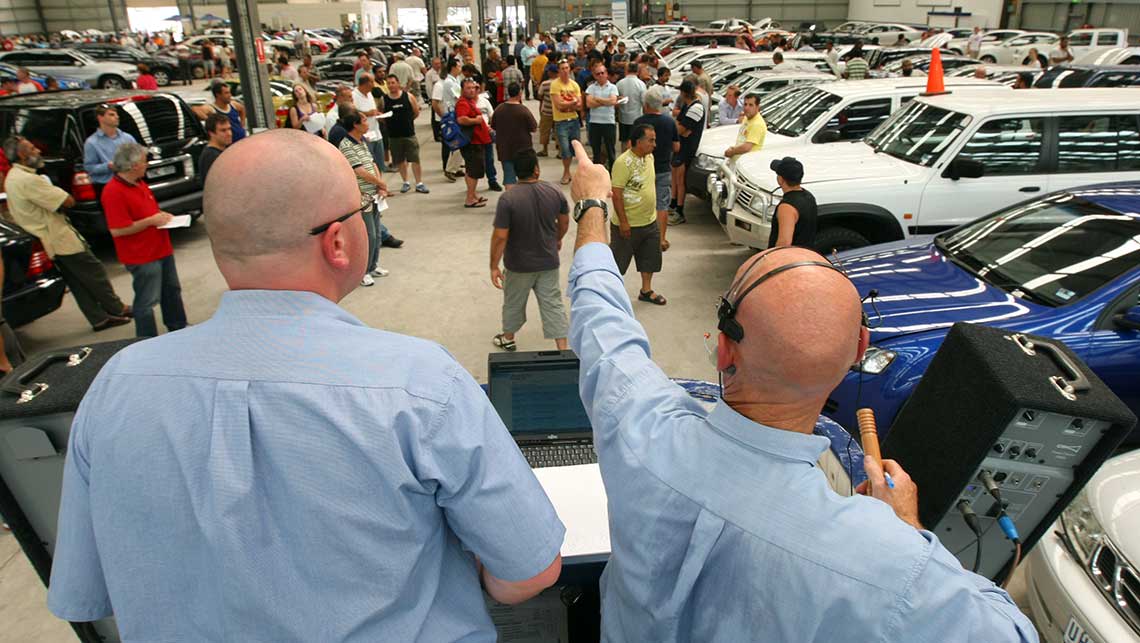
Familiarize yourself with how bids are taken – whether by hand signals, shouted numbers, or electronic keypads. Understand the bidding increments; these can range from small jumps for lower-value vehicles to significant leaps for high-ticket items. Watch the auctioneer closely and listen to their calls. Observe experienced bidders to understand the rhythm of the auction.
Critically, always bid with your pre-determined maximum in mind. It’s easy to get swept up in the competitive atmosphere and exceed your budget, turning a potential saving into an overspend. Every bid should be a conscious financial decision, not an emotional reaction to another bidder.
Sticking to Your Pre-Determined Budget
This is the golden rule of auction buying. Your pre-auction research and budgeting were not merely exercises; they were the creation of a financial safeguard. Once you hit your “walk-away” price, stop bidding. Even if the car seems like it’s just a little bit more, that “little bit more” can push you into negative equity or erode your profit margin, especially when factoring in all the post-purchase costs.
It’s common for attractive vehicles to go for more than their retail value at auction due to competition. If this happens, view it as a learning experience and move on. There will always be another auction and another opportunity. Patience and financial discipline are far more valuable than winning a single bidding war.
Identifying Red Flags and When to Walk Away
Beyond your budget, be vigilant for red flags during the bidding process itself. If a particular vehicle attracts an unusually high number of intense bids from multiple experienced dealers, it might indicate hidden problems they’ve discovered and are trying to offload. Conversely, if a vehicle seems too good to be true but receives little attention, there could be a reason.
Learn to identify when the current price no longer aligns with the vehicle’s actual value or your intended use/resale profit. A seasoned auction buyer knows that walking away from a questionable deal is often more profitable than winning a bad one. Protecting your capital by avoiding risky purchases is a cornerstone of smart financial decision-making in the auction environment.
Post-Auction Procedures: Securing Your Investment and Minimizing Further Costs
Acquiring the winning bid is just the first step after the hammer falls. The post-auction phase involves critical administrative and logistical tasks that directly impact the overall cost and legality of your new vehicle. Efficiently managing these steps is crucial for cementing your financial advantage.
Prompt Payment and Vehicle Retrieval
As previously mentioned, payment deadlines are strict. Failure to pay on time typically incurs storage fees, which can quickly erode any savings you’ve made. Ensure you have the means to make immediate payment and adhere strictly to the auction house’s schedule.
Once paid, arrange for vehicle retrieval promptly. Many auction houses have limited storage capacity and will charge daily fees for vehicles left on their premises past a certain grace period. Factor in the cost and logistics of transportation. Will you drive it home? Do you need a tow truck? Or a professional vehicle transporter? These costs must be integrated into your initial budget to understand the true financial outlay.
Titling, Registration, and Insurance Considerations
The legal transfer of ownership is paramount. You will receive a title or certificate of origin from the auction house, which you’ll need to take to your local Department of Motor Vehicles (DMV) or equivalent agency to register the vehicle in your name. This process involves fees for title transfer, new license plates, and potentially state-specific taxes. Be prepared for potential delays, especially with salvage titles which may require additional inspections or paperwork before they can be legally re-registered.
Before driving the vehicle off the lot, ensure you have adequate insurance coverage. Most states require minimum liability insurance. If you plan to drive the vehicle immediately, you’ll need proof of insurance. This is another essential recurring cost that must be part of your overall financial plan for car ownership.
Budgeting for Post-Purchase Reconditioning and Repairs
For many auction vehicles, the “purchase price” is only part of the story. Unless you bought a pristine, low-mileage vehicle, chances are it will require some level of reconditioning or repair. This could range from a detailed cleaning and minor cosmetic fixes to significant mechanical overhauls.
It’s wise to have a pre-determined budget allocated specifically for these post-purchase expenses. A thorough pre-auction inspection should give you a good estimate, but always allow for a contingency. Failing to account for these costs can quickly turn a perceived bargain into a financial burden. For those looking to resell, the cost of reconditioning directly impacts your profit margin, making accurate estimation and efficient repair management crucial for maximizing your return on investment.
Advanced Tips for Savvy Auction Buyers: Optimizing Your ROI
As you gain experience, you can refine your auction strategy to uncover even greater financial opportunities and minimize risks. These advanced tips focus on optimizing your return on investment (ROI), whether you’re buying for personal use or business.
Building Relationships with Auction Staff and Mechanics
For seasoned buyers, building relationships can provide invaluable insights. Auction staff often know the inventory intimately and might discreetly offer tips on upcoming desirable vehicles or common issues with certain lots. Similarly, if permitted, befriending local mechanics who frequent auctions can lead to quick, informal opinions on a vehicle’s condition before you bid. These connections aren’t about getting preferential treatment, but about gaining legitimate, nuanced information that can inform your financial decisions and give you a competitive edge.
Starting Small and Gaining Experience
Don’t jump into bidding on high-value, complex vehicles from day one. Begin with lower-priced cars where the financial risk is more manageable. Use these initial acquisitions to understand the auction process, gauge your inspection skills, and learn the true costs involved in preparing an auction car for use or resale. Each transaction, whether profitable or a learning experience, builds your expertise and confidence, gradually preparing you for larger investments. This incremental approach minimizes your financial exposure while maximizing your learning curve.
Evaluating Auction Vehicles for Resale Potential
For those viewing car auctions as a business venture, the primary goal shifts from mere acquisition to profitable resale. This requires a sharp eye for value and a deep understanding of the retail market. Look for:
- Undervalued gems: Cars that are cosmetically challenged but mechanically sound, or rare models that command a premium.
- Common, in-demand models: Vehicles with high resale demand and a clear market.
- Vehicles with straightforward repairs: Avoid complex, expensive repairs unless you have specialized expertise or very low labor costs.
- Clean titles: Vehicles with salvage titles often have lower resale values and a smaller buyer pool.
Calculate your projected profit margin by factoring in the maximum bid, all associated fees, repair costs, and your estimated selling price. A good rule of thumb is to aim for at least a 20-30% return on your total investment, though this can vary depending on market conditions and your business model. Treating auction buying as a serious financial undertaking, complete with detailed spreadsheets and risk assessments, is the path to sustainable profitability.
In conclusion, buying cars from auction is a powerful financial strategy, but it demands diligence, discipline, and a thorough understanding of the process. By approaching auctions with meticulous preparation, a firm budget, and a keen eye for value, individuals and businesses alike can unlock significant savings and profitable opportunities, transforming what might seem like a gamble into a calculated and rewarding financial endeavor.
aViewFromTheCave is a participant in the Amazon Services LLC Associates Program, an affiliate advertising program designed to provide a means for sites to earn advertising fees by advertising and linking to Amazon.com. Amazon, the Amazon logo, AmazonSupply, and the AmazonSupply logo are trademarks of Amazon.com, Inc. or its affiliates. As an Amazon Associate we earn affiliate commissions from qualifying purchases.