
Car insurance is often viewed as a bureaucratic necessity or a legal hurdle to clear before hitting the road. However, from a personal finance perspective, car insurance is one of the most critical risk management tools in your financial arsenal. A single high-impact accident can lead to hundreds of thousands of dollars in medical bills and property damage, potentially wiping out your savings, home equity, and future earnings.
Buying car insurance effectively requires more than just picking the cheapest premium. It involves a strategic assessment of your net worth, an understanding of complex financial terms, and a disciplined approach to shopping the market. This guide will walk you through the professional steps to securing coverage that protects your assets while optimizing your monthly cash flow.
Understanding the Financial Mechanics of Auto Insurance
Before looking at quotes, you must understand what you are actually buying. Car insurance is a contract where you transfer the financial risk of an accident to an insurance company in exchange for a premium. To build a solid financial plan, you must understand the specific components of this contract.
Decoding Coverage Types: Liability, Collision, and Comprehensive
The “big three” components of a policy dictate the majority of your premium costs. Liability coverage is the most vital for your financial security. It consists of Bodily Injury and Property Damage coverage. If you are at fault in an accident, this pays for the other party’s losses. Without adequate liability limits, your personal assets—including your bank accounts—could be seized to pay for a judgment against you.
Collision coverage pays to repair or replace your own vehicle after an accident, regardless of fault. Comprehensive coverage protects against non-collision events such as theft, vandalism, fire, or natural disasters. From a financial standpoint, if your car is older and its market value is lower than your annual premium plus deductible, you might consider dropping these two coverages to save money.
The Role of Deductibles in Your Monthly Budget
A deductible is the amount you pay out of pocket before your insurance coverage kicks in. Choosing a deductible is a classic personal finance trade-off: a higher deductible (e.g., $1,000) results in a lower monthly premium, while a lower deductible (e.g., $250) increases your premium.
To optimize your finances, evaluate your emergency fund. If you have $1,000 readily available in a high-yield savings account, opting for a higher deductible can save you significant money over the life of the policy. However, if an unexpected $1,000 expense would force you into high-interest credit card debt, a lower deductible—despite the higher premium—is the safer financial move.
Assessing Your Coverage Needs and Risk Profile
One size does not fit all in the insurance world. A college student driving a 15-year-old sedan has vastly different financial needs than a mid-career professional with a mortgage and a new SUV.
Determining State Minimums vs. Financial Protection
Every state (except New Hampshire) requires a minimum amount of liability insurance. However, state minimums are notoriously low—often as little as $25,000 for bodily injury. In a modern medical landscape, $25,000 can be exhausted in a single day in the ICU.
Financial experts generally recommend “100/300/100” coverage: $100,000 per person for bodily injury, $300,000 per accident, and $100,000 for property damage. If your net worth exceeds these limits, you are effectively self-insuring the difference, which is a high-risk gamble.
Evaluating Asset Protection through Umbrella Policies
If you have accumulated significant assets—such as a home, retirement accounts, or brokerage portfolios—standard auto insurance limits may not be enough. This is where an Umbrella Policy becomes an essential financial tool.
An umbrella policy provides an extra layer of liability protection (typically starting at $1 million) that sits on top of your auto and homeowners insurance. It is one of the most cost-effective ways to protect your wealth, often costing only a few hundred dollars per year. When buying car insurance, check if your carrier requires specific underlying limits to qualify for an umbrella policy.
The Strategic Shopping Process: Comparison and Quotes
The insurance market is highly fragmented, and prices for the exact same coverage can vary by hundreds of dollars between carriers. To find the best value, you must approach the shopping process with a data-driven mindset.
Gathering Necessary Documentation for Accurate Pricing
To get an accurate quote, you need your data ready. Insurance companies use complex algorithms to determine your “risk score.” You will need:
- Driver Details: Full names, birthdates, and driver’s license numbers for all household members.
- Vehicle Information: The Vehicle Identification Number (VIN) for all cars. The VIN tells the insurer about safety features (which lower costs) and repair costs (which can raise them).
- Driving History: Be honest about tickets or accidents within the last three to five years. These will eventually show up on your Motor Vehicle Report (MVR), and omitting them early on will only lead to a price hike later.
- Current Policy Declarations Page: This is your benchmark. It shows exactly what coverage you have now, making it easier to do an “apples-to-apples” comparison.
Leveraging Online Comparison Tools for Competitive Advantage
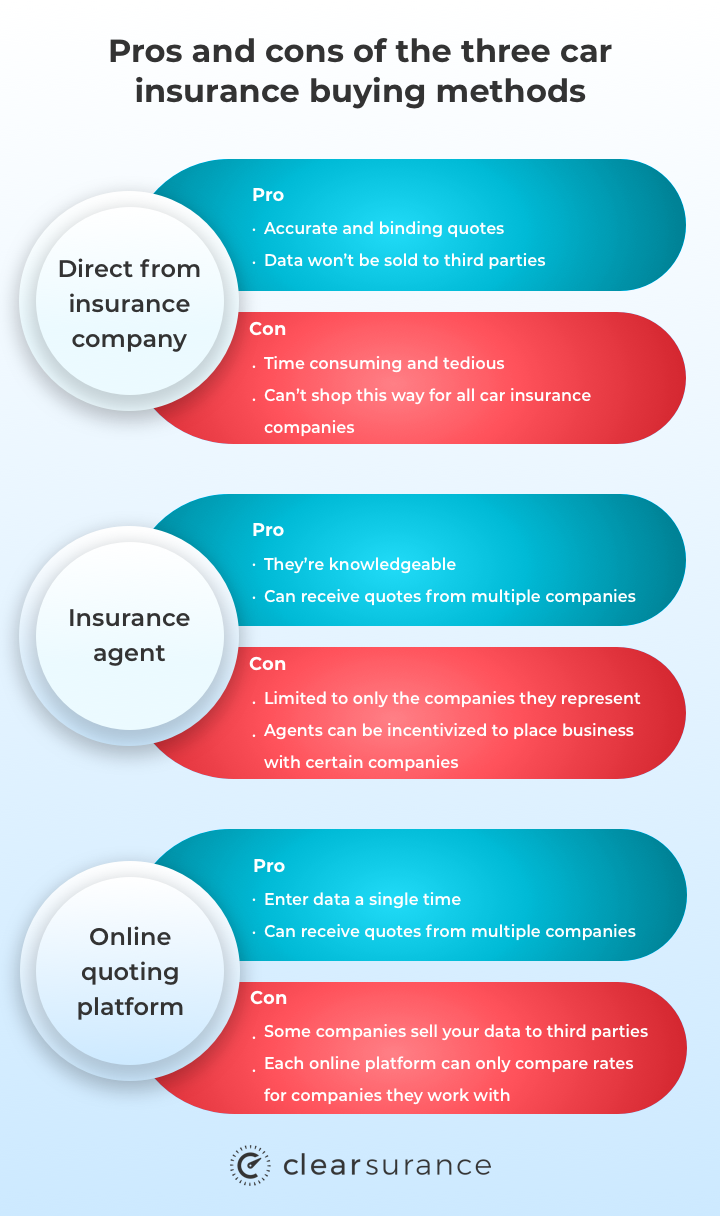
In the digital age, you no longer need to call twenty different agents. Use reputable online comparison engines to get a broad view of the market. However, be aware of the difference between “captive agents” (who work for one company, like State Farm or Allstate) and “independent brokers” (who can shop dozens of companies).
A professional strategy involves checking one or two direct-to-consumer sites (like Geico or Progressive) and then speaking with an independent agent who might have access to regional carriers or “mutual” companies that don’t advertise nationally but offer superior rates for low-risk drivers.
Maximizing Value Through Discounts and Financial Optimization
Once you have identified a few competitive quotes, the next step is to look for “margin” improvements—discounts that can shave an additional 5% to 20% off your bill.
Common Discounts: Bundling, Good Student, and Telematics
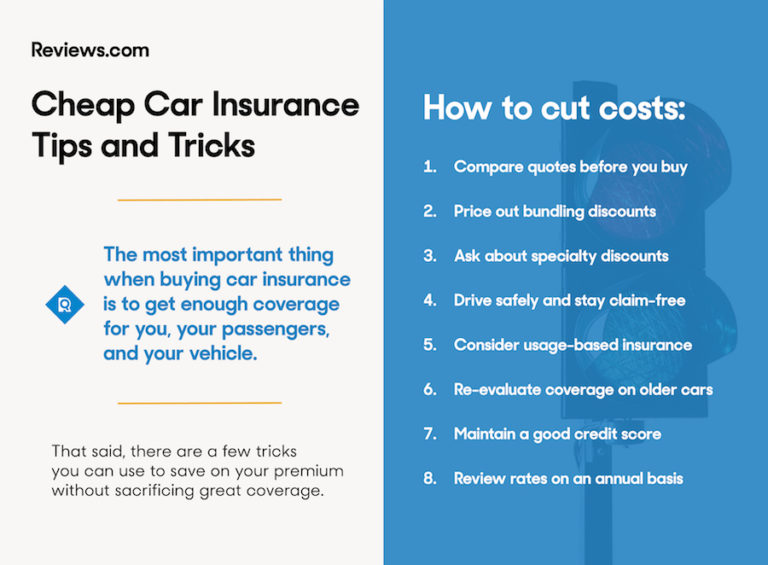
Bundling (or multi-policy discount) remains the most effective way to save. Combining your auto insurance with homeowners or renters insurance often results in a double-sided discount.
For tech-savvy or low-mileage drivers, Telematics is a growing trend in financial optimization. By allowing an insurer to track your driving habits via a smartphone app or a plug-in device, you can receive “usage-based” discounts. If you work from home and rarely drive during peak hours, this can lead to substantial savings that traditional actuarial tables might miss.
The Impact of Credit Scores on Premium Costs
In most U.S. states, your credit-based insurance score is a major factor in your premium calculation. Actuarial data suggests a correlation between financial responsibility and driving safety. If you are in the process of buying car insurance, take steps to improve your credit score first—such as paying down revolving credit card balances. A jump from a “fair” to “excellent” credit tier can sometimes save you more money on insurance than any other single discount.
Reviewing and Finalizing Your Policy for Long-Term Security
The final step is the “due diligence” phase. Before signing the contract and paying your first premium, you must verify that the policy functions exactly how you expect it to.
Reading the Fine Print: Exclusions and Limitations
Not all policies are created equal, even if the coverage limits look identical. Pay close attention to exclusions. For example, does the policy cover you if you drive for a ride-sharing service like Uber or Lyft? Most standard policies do not, and you would need a specific “rideshare endorsement.”
Check the “Replacement Cost” versus “Actual Cash Value” (ACV) provisions. If your new car is totaled, ACV will only pay what the car was worth at the moment of the crash (which accounts for depreciation), whereas “Gap Insurance” or “New Car Replacement” coverage can bridge the financial gap to ensure you aren’t left paying a loan for a car you no longer own.

Establishing an Annual Insurance Audit
Financial planning is not a “set it and forget it” activity. The car insurance market is dynamic; companies change their appetite for risk frequently. A company that was the cheapest for you three years ago may now be looking to reduce its exposure in your zip code, leading to “price walking”—the practice of slowly raising rates on loyal customers.
Commit to an annual insurance audit. Every year, 30 days before your policy expires, spend 30 minutes re-running your numbers through a comparison tool. If you find a significantly better rate for the same coverage, use that leverage to negotiate with your current carrier or make the switch. In the world of personal finance, being a loyal customer rarely pays; being an informed and mobile consumer does.
By following this structured approach—understanding the mechanics, assessing your true risk, shopping strategically, and optimizing for discounts—you transform the process of buying car insurance from a chore into a sophisticated financial win. Protect your journey, but more importantly, protect your wealth.
aViewFromTheCave is a participant in the Amazon Services LLC Associates Program, an affiliate advertising program designed to provide a means for sites to earn advertising fees by advertising and linking to Amazon.com. Amazon, the Amazon logo, AmazonSupply, and the AmazonSupply logo are trademarks of Amazon.com, Inc. or its affiliates. As an Amazon Associate we earn affiliate commissions from qualifying purchases.