
The cryptocurrency landscape has evolved dramatically since Bitcoin’s inception, moving from a niche digital asset to a global phenomenon that attracts investors and users from all walks of life. While digital exchanges and bank transfers remain the most common methods for acquiring Bitcoin, the option to purchase it with physical cash holds a distinct appeal for a significant segment of the population. Whether driven by a desire for enhanced privacy, limited access to traditional banking services, or simply a preference for tangible transactions, buying Bitcoin with cash presents a unique set of opportunities and considerations.
This guide delves into the specifics of acquiring Bitcoin using cash, focusing exclusively on the financial implications, methods, and best practices within the realm of personal finance and investing. We will explore the “why” behind cash purchases, navigate the practical channels available, outline step-by-step procedures, and highlight the critical financial considerations and risks involved, ensuring you are well-equipped to make informed decisions in this unique facet of the crypto market.
Why Choose Cash for Bitcoin Purchases?
In a world increasingly dominated by digital transactions, the decision to use physical cash for an entirely digital asset like Bitcoin might seem counterintuitive. However, for many, this method offers compelling financial and personal advantages that align with specific needs and philosophies. Understanding these motivations is crucial to appreciating the role of cash in the broader crypto ecosystem.
Enhancing Privacy and Anonymity
One of the primary drivers for buying Bitcoin with cash is the desire for greater financial privacy. Traditional online exchanges often require extensive Know Your Customer (KYC) and Anti-Money Laundering (AML) checks, involving the submission of personal identification, proof of address, and linking bank accounts. While necessary for regulatory compliance and preventing illicit activities, these processes can feel intrusive to individuals who value their financial anonymity. Cash transactions, particularly through certain channels, can offer a degree of separation from one’s digital footprint and personal banking records, providing a level of privacy that online methods cannot. This doesn’t imply complete anonymity, as regulatory scrutiny is increasing, but it typically offers a more discreet transaction pathway.
Accessibility for the Unbanked or Underbanked
A significant portion of the global population remains unbanked or underbanked, lacking access to traditional financial services such as bank accounts, credit cards, or online payment platforms. For these individuals, cash is often their primary, if not sole, means of transacting. Bitcoin’s decentralized nature offers a potential pathway to financial inclusion, and the ability to purchase it with cash directly addresses the barrier posed by the lack of traditional banking access. This opens up opportunities for participation in the digital economy and investment opportunities that would otherwise be inaccessible.
Avoiding Bank Restrictions or Scrutiny
Some individuals may prefer to keep their cryptocurrency activities separate from their traditional banking institutions. Banks, at times, can be wary of cryptocurrency transactions due to regulatory complexities, perceived risks, or simply a lack of understanding. This wariness can sometimes lead to account freezing, transaction delays, or increased scrutiny. By using cash, individuals can bypass direct bank involvement in their Bitcoin acquisition, mitigating potential friction or interference from their financial institutions. It provides a means to invest in digital assets without directly flagging these activities on their conventional bank statements.
Navigating the Cash-to-Bitcoin Landscape
Acquiring Bitcoin with cash isn’t as straightforward as depositing money into a bank account. It requires navigating specific channels that facilitate the exchange of physical currency for digital assets. The primary methods available offer varying degrees of convenience, fees, and privacy, each with its own set of financial implications.
Bitcoin ATMs (BTMs): Your Local Crypto Kiosk
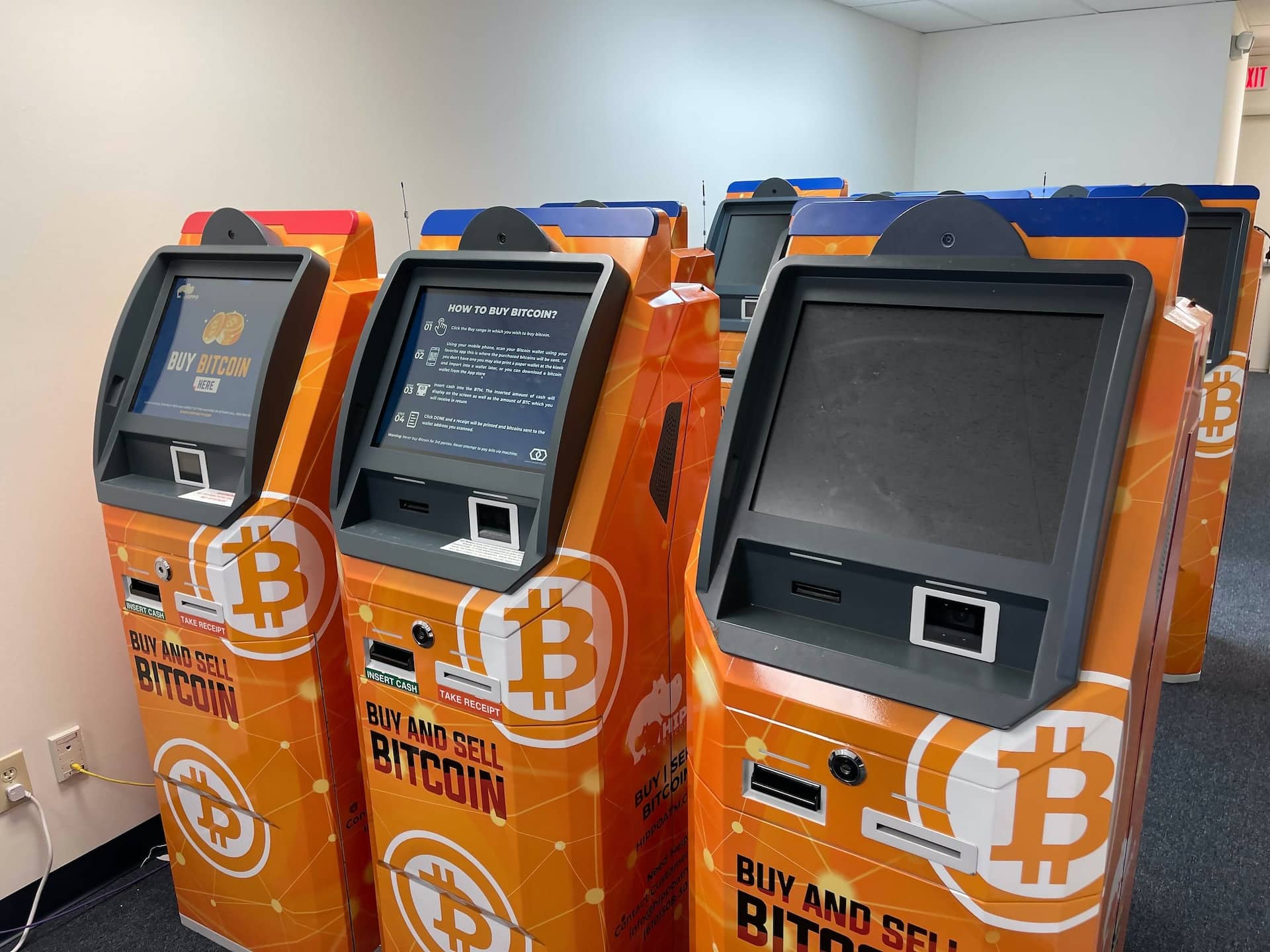
Bitcoin ATMs (BTMs) are specialized kiosks that allow users to buy (and sometimes sell) Bitcoin using cash. They function much like traditional ATMs but for cryptocurrency. BTMs represent one of the most accessible and direct methods for cash-to-Bitcoin conversion.
To use a BTM, you typically locate a machine, select the option to buy Bitcoin, scan your Bitcoin wallet’s QR code (where the purchased Bitcoin will be sent), insert cash into the machine, and confirm the transaction. The Bitcoin is then sent directly to your wallet.
- Pros: Convenience, speed, and relative ease of use. They offer a tangible, in-person transaction experience. For smaller amounts, they might require less personal information than online exchanges.
- Cons: BTMs are notorious for charging high transaction fees, often ranging from 7% to 15% or even higher, which significantly impacts the effective purchase price of your Bitcoin. They also often impose daily or per-transaction limits, and many BTMs are increasingly implementing KYC regulations, requiring phone number verification or ID scans for larger transactions.
Peer-to-Peer (P2P) Exchanges with Cash Options
Peer-to-peer (P2P) exchanges connect buyers and sellers directly, allowing them to agree on terms and exchange cryptocurrency for fiat currency (or other cryptocurrencies). While many P2P platforms facilitate bank transfers, a significant number also support cash-based transactions, which can include cash deposits at a bank, or even in-person cash exchanges.
Platforms like Paxful (and previously LocalBitcoins) provide an escrow service to secure the Bitcoin until the cash payment is confirmed, mitigating the risk of fraud. Buyers can browse offers from sellers who accept cash and initiate a trade. For cash deposits, the buyer deposits cash into the seller’s bank account and provides proof of deposit. For in-person trades, both parties meet to exchange cash for Bitcoin.
- Pros: P2P exchanges can offer more competitive exchange rates compared to BTMs, as sellers compete for business. They provide a wide variety of payment options, including those involving cash, and can offer greater flexibility. They also tend to have a strong focus on community trust and reputation systems.
- Cons: P2P transactions carry inherent risks. In-person cash meetups can pose physical security concerns, and there’s a risk of scams if proper precautions aren’t taken. Users must carefully vet sellers based on their reputation and trading history. The process can also be slower than BTMs or instant online purchases, as it requires coordination between two individuals.
Step-by-Step Guide to Buying Bitcoin with Cash
Acquiring Bitcoin with cash, regardless of the method chosen, requires careful planning and execution. This section provides a practical, financially-focused guide to help you navigate the process securely and efficiently.
Preparing Your Digital Wallet
Before you even think about buying Bitcoin, you need a secure place to store it. Your Bitcoin wallet is crucial; it’s where your digital assets reside. There are several types of wallets, each with different security and convenience trade-offs:
- Hot Wallets: These are connected to the internet (e.g., mobile apps, desktop software, web wallets). They are convenient for frequent transactions but generally less secure than cold wallets due to their online nature. Examples include Exodus, Electrum, or wallets offered by exchanges.
- Cold Wallets: These are offline storage solutions (e.g., hardware wallets like Ledger or Trezor, or paper wallets). They offer the highest level of security, as your private keys are never exposed to the internet, making them ideal for storing larger amounts of Bitcoin.
For any purchase, ensure your wallet is set up correctly and you understand how to receive Bitcoin. This typically involves having a public Bitcoin address (a string of letters and numbers, or a QR code) that you can provide to the seller or BTM.
Researching and Selecting a Method
Your choice between a Bitcoin ATM and a P2P exchange will depend on several factors:
- Location: Use online maps or apps (e.g., Coin ATM Radar) to find nearby BTMs.
- Fees: Compare the fees charged by different BTMs and the exchange rates offered by various sellers on P2P platforms. Remember that high fees erode your investment.
- Privacy Needs: If privacy is paramount, P2P platforms offering in-person cash exchanges might be preferred, though they come with higher personal security risks. BTMs are increasing KYC requirements.
- Transaction Size: BTMs often have lower limits than P2P platforms. For larger cash amounts, a reputable P2P seller might be more suitable.
- Security Comfort: Assess your comfort level with meeting strangers for P2P transactions versus using an automated machine.
Executing the Purchase (BTM Example)
- Locate a BTM: Use an online locator to find the closest BTM. Check its operational status and any user reviews.
- Verify Identity (if required): Most BTMs now require phone number verification or ID scanning, especially for transactions above a certain threshold. Follow the on-screen prompts.
- Select “Buy Bitcoin”: Choose the option to purchase Bitcoin from the BTM menu.
- Scan Your Wallet QR Code: The BTM will display a scanner. Present your Bitcoin wallet’s receive QR code to the scanner. Double-check that the address displayed on the BTM matches your wallet’s address.
- Insert Cash: Insert the desired amount of cash into the bill acceptor. The BTM will show you the amount of Bitcoin you will receive, often including fees.
- Confirm Transaction: Review the transaction details carefully. Once satisfied, confirm the purchase. The Bitcoin will then be sent to your wallet. Keep the receipt provided by the BTM for your records.
Executing the Purchase (P2P Example)
- Choose a Reputable P2P Platform: Select a platform known for its security features and user base. Create an account and complete any necessary verification.
- Find a Seller: Browse listings for sellers who accept “Cash Deposit” or “Cash In Person” as payment. Look at the seller’s reputation, number of trades, and price.
- Initiate a Trade: Start a trade with a chosen seller. Communicate clearly about the terms, meeting location (if in-person), or bank details for a cash deposit.
- Make Payment:
- Cash Deposit: Go to the seller’s bank branch and deposit the agreed-upon cash amount into their account. Take a clear picture of the deposit slip as proof.
- In-Person Cash Exchange: Meet the seller in a safe, public place. Verify the Bitcoin amount on the platform before handing over cash.
- Confirm Payment on Platform: Once the cash is handed over or deposited, confirm payment on the P2P platform. The seller will then release the Bitcoin from escrow to your wallet.
- Verify Receipt: Check your Bitcoin wallet to ensure the funds have arrived.
Essential Considerations and Risks
Purchasing Bitcoin with cash, while offering specific advantages, also introduces a unique set of financial risks and demands rigorous attention to security. Understanding these factors is paramount for protecting your investment and personal safety.
Security Best Practices
- Wallet Security: Always use a strong password for your wallet, enable two-factor authentication (2FA) if available, and back up your seed phrase (recovery phrase) securely offline. Never share your private keys or seed phrase with anyone.
- Physical Safety (P2P): If conducting in-person cash trades, always choose a well-lit, public location with surveillance cameras (e.g., a coffee shop during business hours). Inform a trusted friend or family member of your whereabouts. Avoid carrying large amounts of cash and be discreet. Consider using a buddy system.
- Seller Verification (P2P): On P2P platforms, thoroughly check the seller’s reputation, trading history, and feedback from other users. Opt for sellers with a high positive feedback rate and a significant number of completed trades.
- Proof of Transaction: Always keep receipts from BTMs or deposit slips from bank cash deposits. For P2P, ensure all communication and agreements are documented within the platform’s chat feature.
Understanding Fees and Exchange Rates
The convenience of cash-to-Bitcoin conversion often comes at a premium.
- BTM Fees: Bitcoin ATMs typically charge the highest fees in the industry, which can significantly reduce the amount of Bitcoin you receive for your cash. Always check the displayed fee and the final amount of Bitcoin you will get before confirming.
- P2P Spreads: On P2P platforms, sellers add a premium to the market price of Bitcoin to cover their costs and make a profit. This “spread” acts as an indirect fee. Compare offers from multiple sellers to find the best rate.
- Volatility Impact: The price of Bitcoin is highly volatile. The rate at which you agree to purchase Bitcoin might change slightly by the time the transaction is confirmed, especially if there are delays. Factor this inherent market risk into your financial planning.
Regulatory and Legal Compliance (KYC/AML)
While cash transactions can offer greater privacy, they are not entirely immune to regulatory scrutiny. Governments worldwide are increasingly focusing on cryptocurrency regulation to combat money laundering and terrorist financing.
- KYC Requirements: Many BTMs and P2P platforms, especially for larger transactions, now implement KYC (Know Your Customer) and AML (Anti-Money Laundering) procedures. This might involve verifying your phone number, scanning your ID, or even providing a selfie. Be prepared for this, as non-compliance can prevent your transaction.
- Reporting Thresholds: In many jurisdictions, large cash transactions (e.g., over $10,000) are subject to reporting requirements by financial institutions or service providers. While BTMs and P2P platforms may not be traditional financial institutions, they may still have obligations to report suspicious or high-value transactions.
- Jurisdictional Differences: Regulations vary significantly by country and even within regions. Always be aware of the local laws concerning cryptocurrency purchases with cash.
Volatility and Investment Risks
Bitcoin, like all cryptocurrencies, is a highly volatile asset. Its price can fluctuate dramatically within short periods. Investing in Bitcoin carries significant financial risk, and there is a potential to lose some or all of your invested capital. Cash purchases do not mitigate this underlying investment risk. Never invest more than you can afford to lose, and conduct thorough research before committing funds.
Scams and Fraud
The cryptocurrency space, unfortunately, is a fertile ground for scams. When dealing with cash, the risk can feel more immediate and personal.
- Fake BTMs: Be wary of unofficial or pop-up BTMs. Use reputable online locators.
- P2P Scams: Common P2P scams include fake payment proofs (for cash deposits), sellers failing to release Bitcoin after receiving cash, or attempts to divert you off-platform for transactions. Always conduct trades within the platform’s escrow system. Be suspicious of deals that seem too good to be true.
Beyond the Purchase: Managing Your Bitcoin
Acquiring Bitcoin with cash is just the first step. Effective financial management of your digital assets involves secure storage, ongoing tracking, and understanding your tax obligations.
Secure Storage Solutions
Once you’ve purchased Bitcoin, ensuring its secure storage is paramount. The fundamental principle is that if you don’t control your private keys, you don’t truly own your Bitcoin.
- Self-Custody: For most users, moving Bitcoin from an exchange or a BTM’s temporary wallet to a wallet where you control the private keys (self-custody) is advisable. This reduces counterparty risk.
- Hardware Wallets: For significant amounts, a hardware wallet is highly recommended. These devices store your private keys offline, making them impervious to online hacks.
- Multi-Signature Wallets: For advanced users or institutional investors, multi-signature wallets add an extra layer of security by requiring multiple keys to authorize a transaction.
Tracking Your Investments
Just like traditional investments, it’s wise to track the performance of your Bitcoin holdings.
- Portfolio Trackers: Use cryptocurrency portfolio tracking apps or websites to monitor your Bitcoin’s value, calculate gains or losses, and keep a record of your cash purchase price (your cost basis).
- Transaction Records: Maintain detailed records of every Bitcoin purchase, including the date, amount of cash spent, the amount of Bitcoin received, the exchange rate, and any fees paid. These records are crucial for future financial analysis and tax reporting.
Understanding Tax Implications
The tax treatment of cryptocurrencies varies widely by jurisdiction, but generally, Bitcoin is considered an asset, and transactions involving it may trigger tax events.
- Capital Gains/Losses: When you eventually sell your Bitcoin for more than you bought it for (your cost basis), you may incur capital gains tax. Conversely, selling at a loss might allow you to claim a capital loss.
- Record Keeping: Your diligently kept records of cash purchases will be invaluable for accurately calculating your cost basis and fulfilling your tax obligations. Consult with a tax professional experienced in cryptocurrency to ensure compliance with local tax laws.

Conclusion
Buying Bitcoin with cash, while presenting a unique pathway into the world of digital assets, requires a meticulous approach rooted in sound financial principles and a keen awareness of associated risks. Whether opting for the convenience of a Bitcoin ATM or the flexibility of a peer-to-peer exchange, the process demands preparation, vigilance, and an understanding of the financial implications.
The desire for privacy, accessibility, or simply avoiding traditional banking channels can make cash purchases an appealing option. However, these benefits must be weighed against potentially higher fees, the need for enhanced personal and digital security, and navigating an evolving regulatory landscape. By understanding the available methods, adhering to security best practices, diligently tracking your investments, and acknowledging the tax implications, you can confidently and responsibly participate in the Bitcoin economy using cash. As with any investment, prudence, continuous learning, and a clear understanding of your financial goals are the cornerstones of success.
aViewFromTheCave is a participant in the Amazon Services LLC Associates Program, an affiliate advertising program designed to provide a means for sites to earn advertising fees by advertising and linking to Amazon.com. Amazon, the Amazon logo, AmazonSupply, and the AmazonSupply logo are trademarks of Amazon.com, Inc. or its affiliates. As an Amazon Associate we earn affiliate commissions from qualifying purchases.